Newsletters


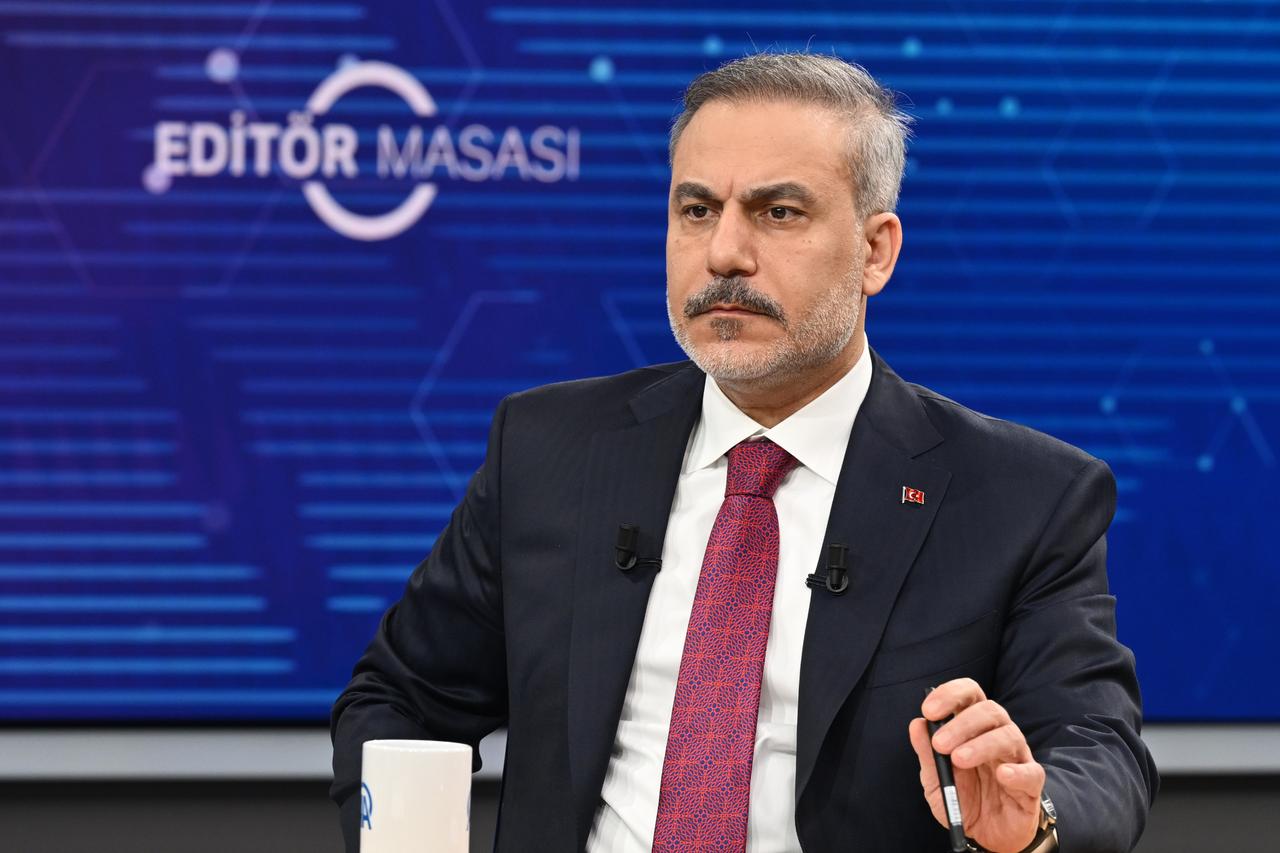


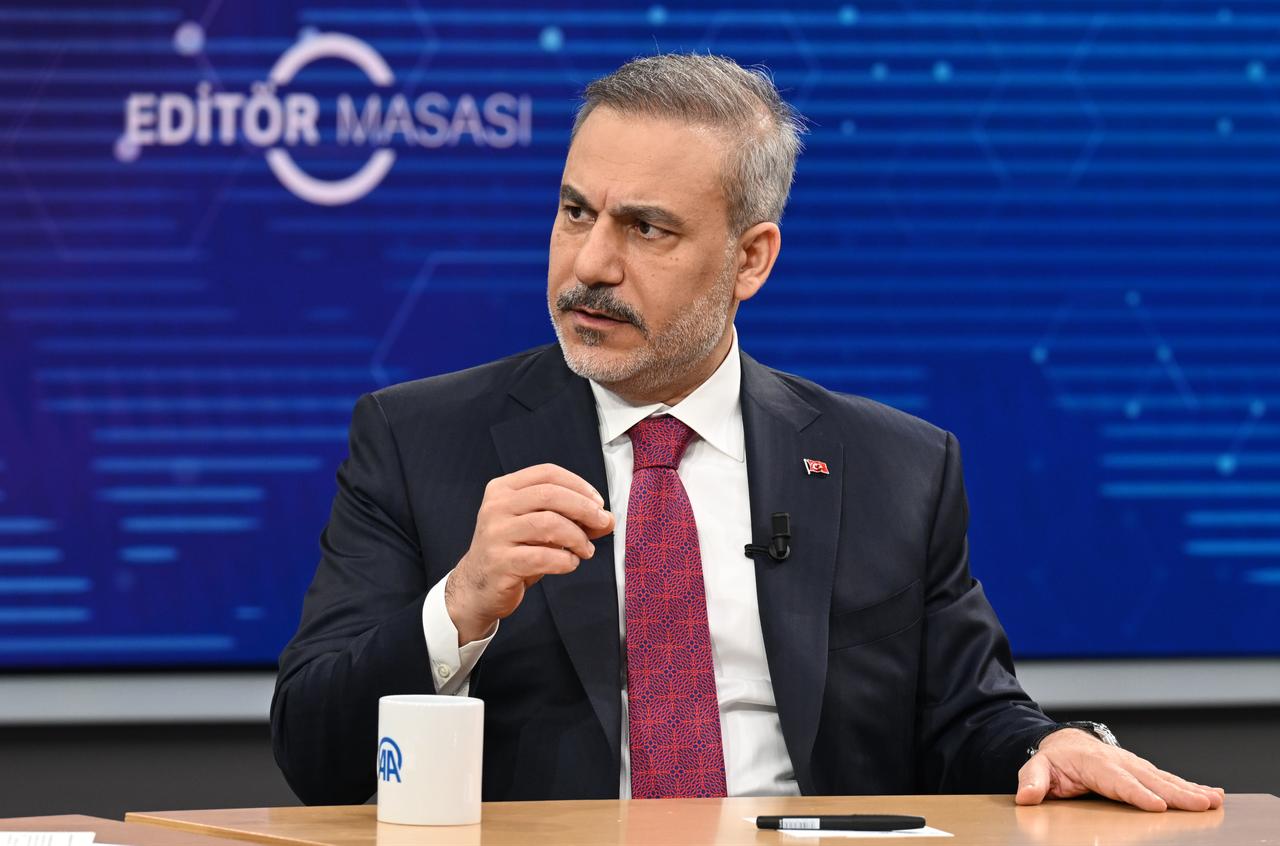
Foreign Minister Hakan Fidan issued a stark warning Monday, labeling the upcoming NATO Ankara Summit as "the most important" in the alliance’s history as it faces a dual crisis: a resurgent Middle East conflict and a deepening transatlantic rift with the Trump administration.
Speaking live at the Anadolu Agency (AA), he addressed the breakdown of U.S.-Iran talks in Islamabad, the future of the ceasefire, Hormuz governance, Israel's role as a "spoiler" and what he described as Israeli regional expansionism from Lebanon to Syria.
"Negotiations with Iran should be conducted, persuasion methods should be used, and the strait should be opened as soon as possible," Fidan told AA.

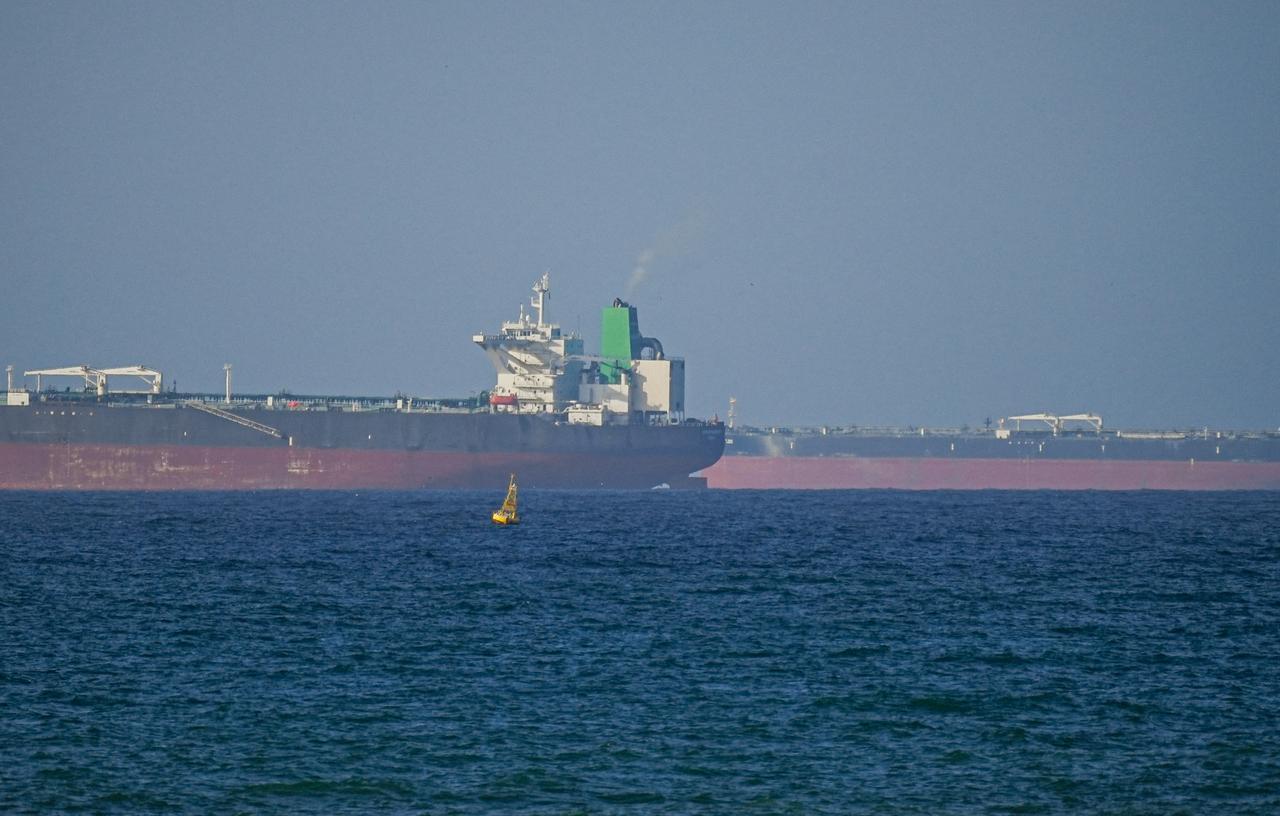
Fidan suggested that while reopening the Strait of Hormuz is technically resolvable, regional powers are deeply concerned about how it will be governed in the future.
"What all the world wants is for international transit to be free and unimpeded. I don't see a problem with the opening of Hormuz. The issue is whether there will be a proposition about its regulation going forward, will Iran want to be more active after this?," he said.
"The regional countries I speak with rightfully have an interest in the post-war Hormuz regime being the same as the pre-war regime. Because it is an international free-passage zone. The violation of navigational safety is not something any party wants to see," Fidan added.
On the question of an international armed force at Hormuz and whether Türkiye could participate, Fidan said the matter had not been seriously discussed with Ankara.
"Our position is that it should be opened through peace. There are many difficulties to intervening with an international armed peacekeeping force, especially while the war continues. We see that many countries are not willing to do this. But it is a topic being discussed. It needs to be resolved through the necessary negotiations with Iran and persuasion methods. As long as negotiations reach somewhere," he said.
Fidan characterized the current standoff as a reciprocal blockade. He noted that while Iran controls one side of the strait to favor its own transit, the United States has responded in kind, positioning itself on the opposite side to obstruct Iranian interests. In Fidan's view, the two powers are locked in a tactical cycle of trying to offset and balance one another's influence.
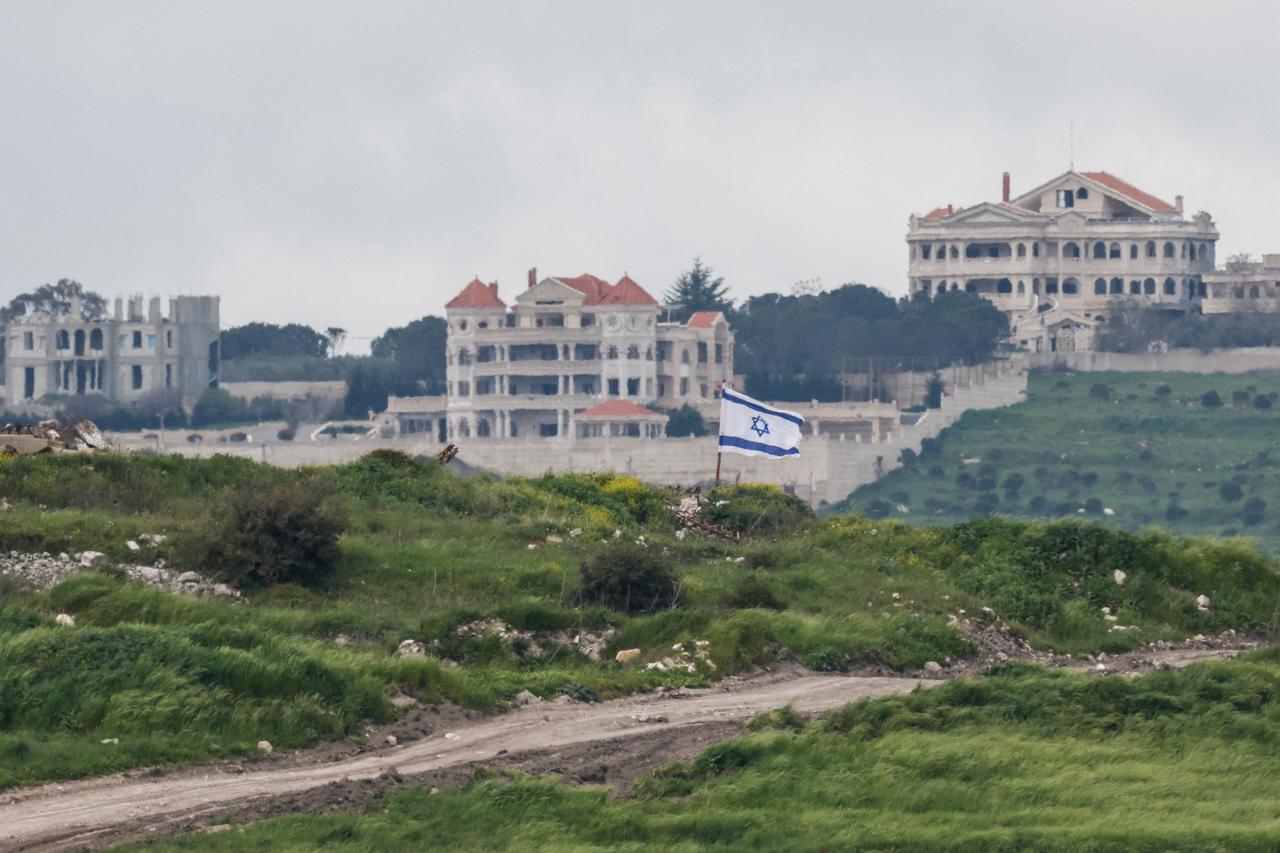
Fidan described Israel's operations in Lebanon as a continuation of a recognizable pattern.
"When you look at the Israeli occupation, this is part of Israel's regional expansionism—a very familiar scenario. Israel is continuously bombing areas in Lebanon where certain populations live, and more than 1 million people have been displaced. We see a familiar picture from Gaza. An operation to depopulate a place, destroying all housing, infrastructure and bridges up to the Litani River," he stated.
"With this broad expansionist move, we see that the displaced people are part of an even greater tragedy," the Turkish top diplomat noted.
"We also see a major problem area in Syria. This is a great risk for us. Gaza has been subjected to a massive depopulation operation. There is an ongoing operation in the West Bank. Israel is similarly advancing in Jerusalem. The same applies to Lebanon. Then, similar moves in Syria could follow," he added.
On the Lebanon ceasefire question, Fidan said a grey area existed, noting that, "It was perceived as included. Pakistan's perception is the reference point. When we were talking at the time, it was included. But Netanyahu, as he always does, came along, spoiled the game and pushed the limits. And America did not speak up, could not say anything."
"After the first day's widespread strikes that caused many civilian deaths, we saw that large-scale assaults did not continue. America, even if it does not officially say Lebanon is included, is not ignoring incoming demands either," he added.
On Lebanon-Israel negotiations, Fidan stated that Israel was demanding something it has never itself done.
"Israel is expecting the Lebanese government to do something it doesn't do itself, disarm Hezbollah. Hezbollah is larger than the Lebanese army. The Lebanese government's strength alone is not sufficient for this. A comprehensive national solution must be sought. Israel pursuing policy while occupying parts of the country is very provocative. Europe and America also oppose this at certain points, they just don't say so," the Turkish foreign minister stated.
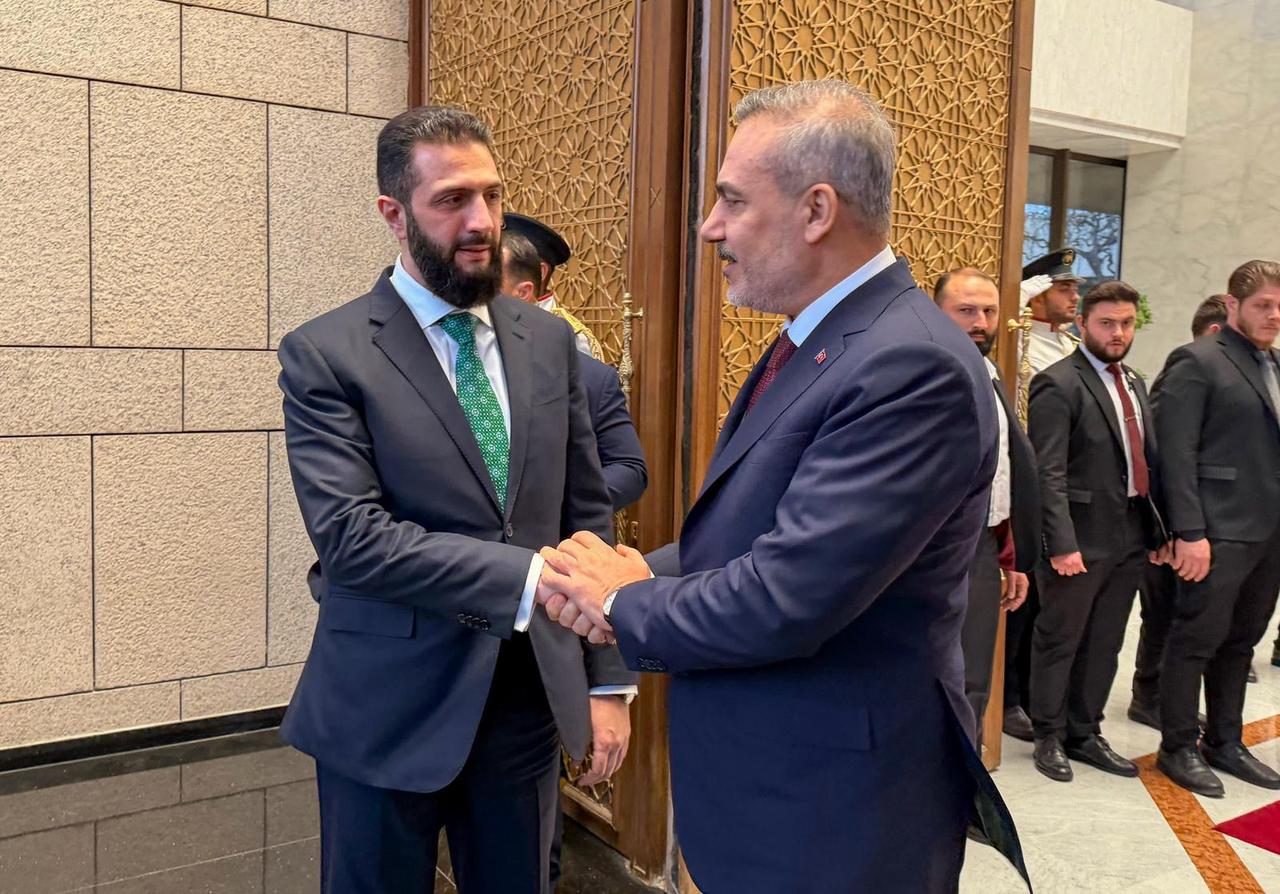
Fidan stated that Ankara had an intensive engagement with Syria over the past ten days, including face-to-face consultations on the Iran war, Lebanon and the return of refugees.
"Syria remained a safe zone during this process, thank Allah. There is war on its right and left, and nothing happened to Syria. We also needed to consult on the potential effects of the ongoing war in the Gulf, we carried that out. There are files Syria is working on that also concern us, we reviewed those," he said.
He warned that Israeli policies toward Syria posed a deferred risk.
"The risks posed by Israel's deferred policies toward Syria exist. It is not doing some things now, but this does not mean they will not happen. Its current priority is different. When the time comes, it will want to do them," he noted.
"Syria is a vital interest and security zone for us. We need to be prepared for every scenario," Fidan said.
He also said he did not expect a systematic trilateral security doctrine to emerge between Ukraine, Syria and Türkiye from Zelenskyy's recent visit.
"Bilateral issues and certain topics were discussed. I don't think a very systematic trilateral security doctrine will emerge," he said.
Fidan said Türkiye had been calling for a regional security architecture and that the war had demonstrated its necessity.
"The fundamental source of problems in the region is the lack of trust between countries. For these to emerge, countries need to commit to each other's sovereignty within a security pact framework," he noted.
"You can then build economic development and other projects on top of that. Just as this agenda was being advanced, with Pakistan-Saudi Arabia as the first signal and other countries set to expand the ring, the war broke out. Iran attacked the Gulf countries. While this caused divisions, it showed how vital our vision was," the top Turkish diplomat noted.
"We hope this issue will be fundamentally resolved in the post-war period," Fidan said.
He noted a pattern of Gulf states seeking closer ties with Türkiye by stating, "The shock has been building for two to three years. The first shock was Houthi rockets striking the Gulf. The fact that those rockets were not intercepted pushed these countries into a search. They concluded: we will not be protected."
"Cooperation with Türkiye in this area had already increased significantly. In the new period, they are also expressing a desire to advance relations with Türkiye further, in a more structural way," he said.
Fidan said the transatlantic security architecture had been under a major test for the past year.
"Transatlantic security architecture has been under quite a large test for the last year. Interesting days we are living. The Canadian prime minister gave a speech saying we now need to develop our own defense industry. Canada is a NATO member. We witnessed countries that came together to bring security to each other instead bringing insecurity to each other," he said.
Fidan distinguished Trump's approach from previous U.S. administrations.
"Previous administrations would offer technical advice to the EU when they said these things. Trump puts action behind it. He says 'I will not take care of your security.' The biggest fracture we experienced was in Ukraine. The biggest trust crisis between European states and America emerged in Ukraine. The alliance system built with Europe during the Ukraine war under Biden was a case led by America. With Trump, he said 'I am withdrawing.' We align with Trump's perspective on this. This is a major fracture. Now, bases were sought for use in the Iran operation, and the Europeans said we don't want to be part of it," he said.
On the Ankara Summit, Fidan said it would be historically consequential.
"We think Trump will come to the Ankara Summit as a personal guest of our President, that is due to his personal respect for our President. Normally, I would not have expected him to come," he noted.
"The summit will be important in terms of systematizing the relationship. If America is going to withdraw, there needs to be a plan for phasing that. Europe was seeing this as conjunctural and was even refusing to discuss it. But seeing concrete events, they gradually saw this may not be conjunctural. They have focused on two scenarios: treat it as conjunctural, treat it as permanent," he added.
"The Ankara Summit will be perhaps NATO's most important, perhaps its most important ever," Fidan said.


 Set as preferred source
 Set as preferred source


 2 min read