Newsletters


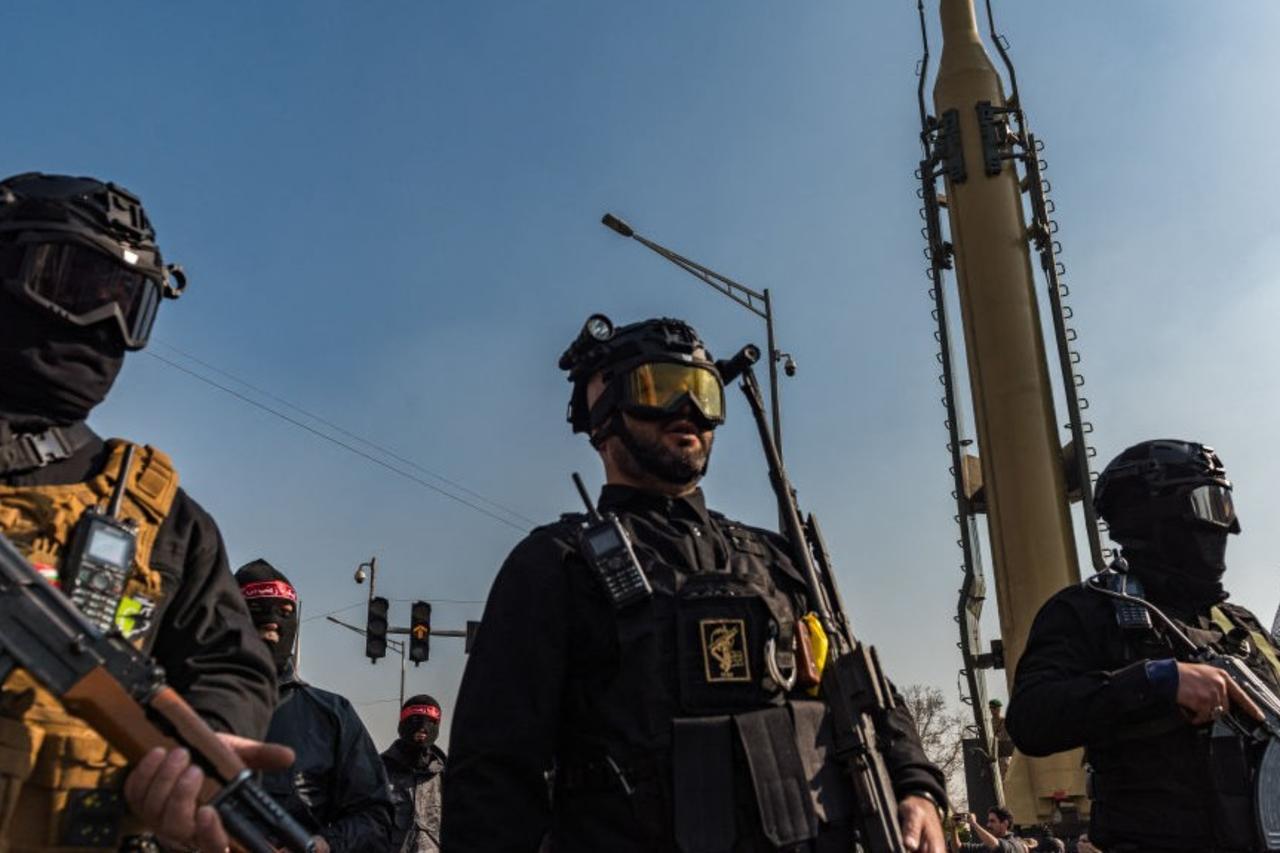


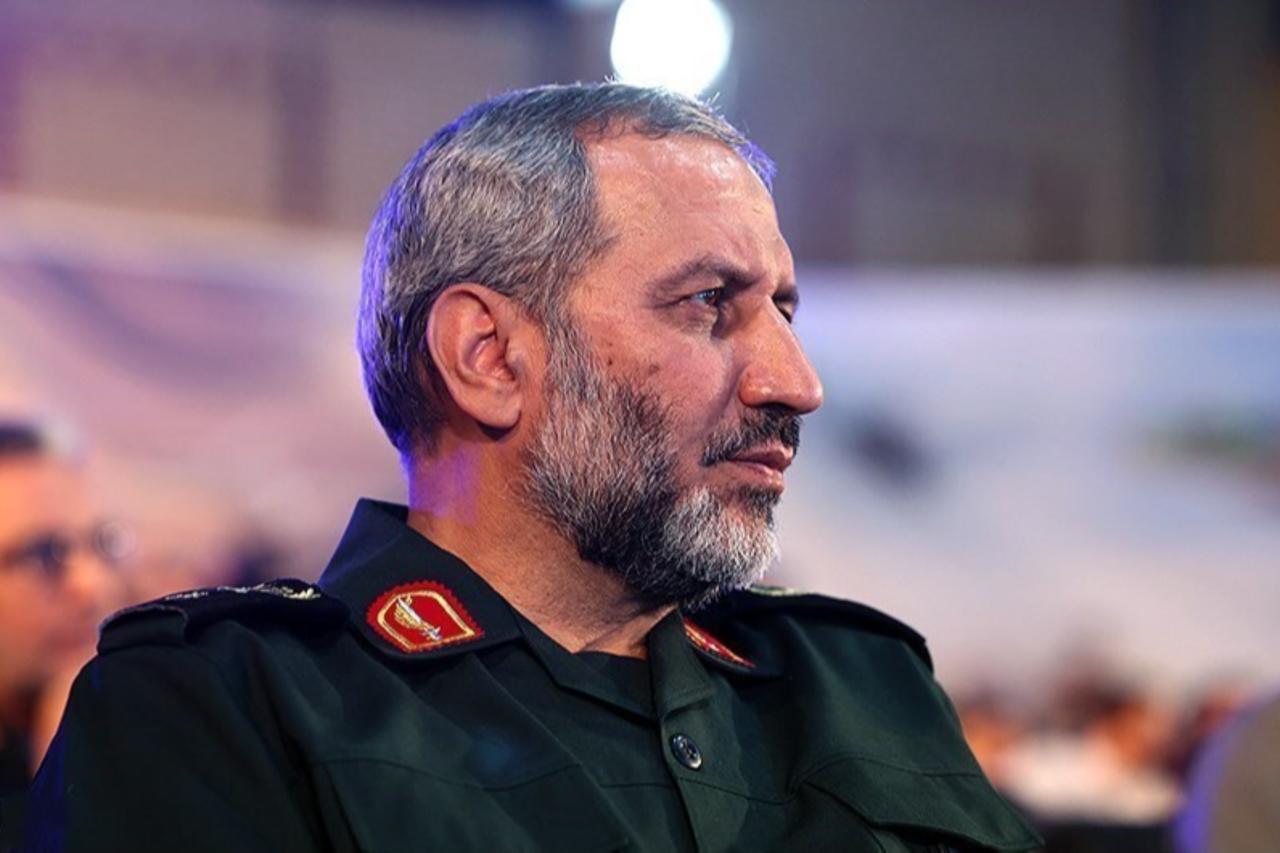
Iranian authorities are recruiting and deploying children as young as 12 in military activities linked to the Islamic Revolutionary Guard Corps (IRGC), in what amounts to a war crime under international law, Amnesty International said in a statement.
According to the rights group, a recruitment campaign announced on March 26, 2026 by Rahim Nadali, a deputy of the IRGC Mohammad Rasoul Allah Corps of Greater Tehran, invited volunteers aged 12 and above to register at Basij bases in mosques across Tehran to join “combatants defending the homeland.”
Amnesty said verified audiovisual evidence and eyewitness accounts indicate that children have been deployed at checkpoints and patrols, armed with weapons including AK-pattern rifles.
“The Iranian authorities are shamelessly encouraging children as young as 12 to join an IRGC-run military campaign, putting them in grave danger and violating international law,” said Erika Guevara-Rosas, senior director for research, advocacy, policy and campaigns at Amnesty International.
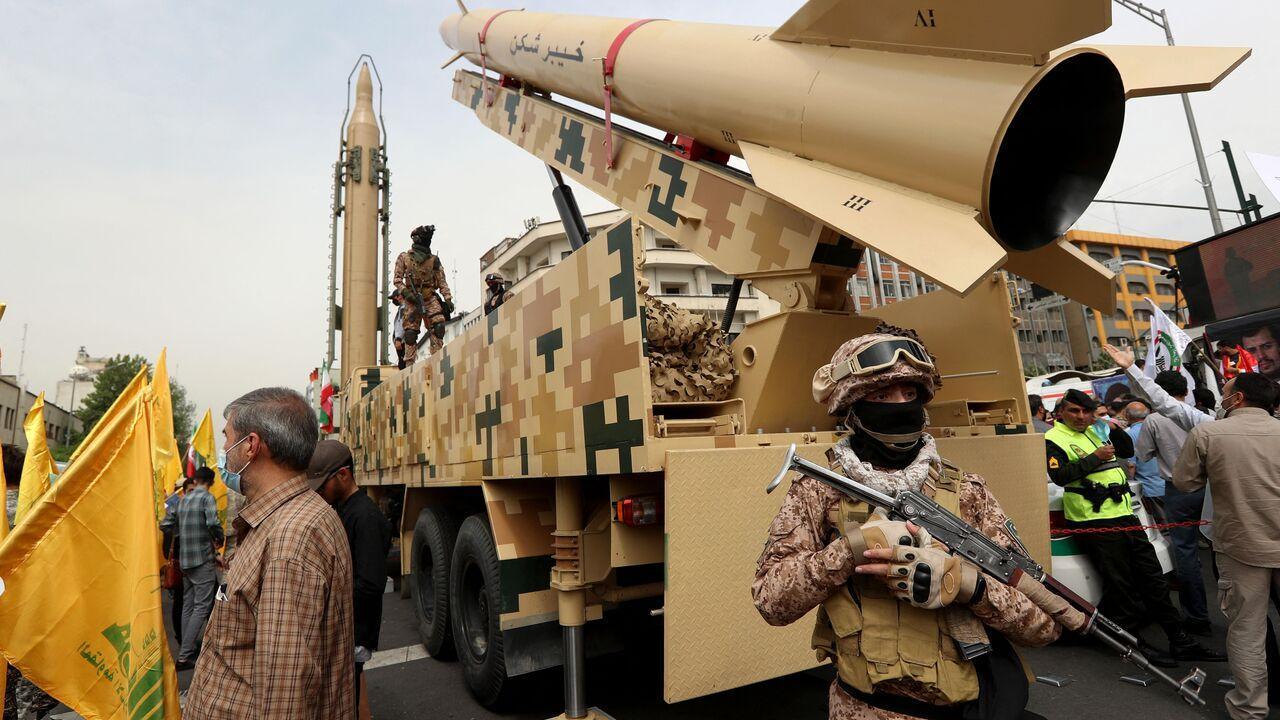

Amnesty said it analyzed 16 photos and videos published since March 21, 2026, showing children carrying weapons or standing alongside IRGC personnel at checkpoints, patrols and state-organized rallies in cities including Tehran, Mashhad and Kermanshah.
Eyewitness accounts collected by Amnesty described children as young as 13 to 16 armed with rifles at Basij-run checkpoints.
One witness in Tehran reported seeing a child “struggling to breathe from the effort of lifting the gun,” while another in Karaj said a teenager with no visible facial hair was holding a Kalashnikov rifle.
A separate witness in Rasht said children wearing masks were deployed ahead of other forces, adding: “It is obvious they are kids… some appear to be 13 years old at most.”
Amnesty also cited a video filmed in Mashhad on March 30 showing two children in Basij uniforms carrying assault rifles while positioned on a moving vehicle during a rally.
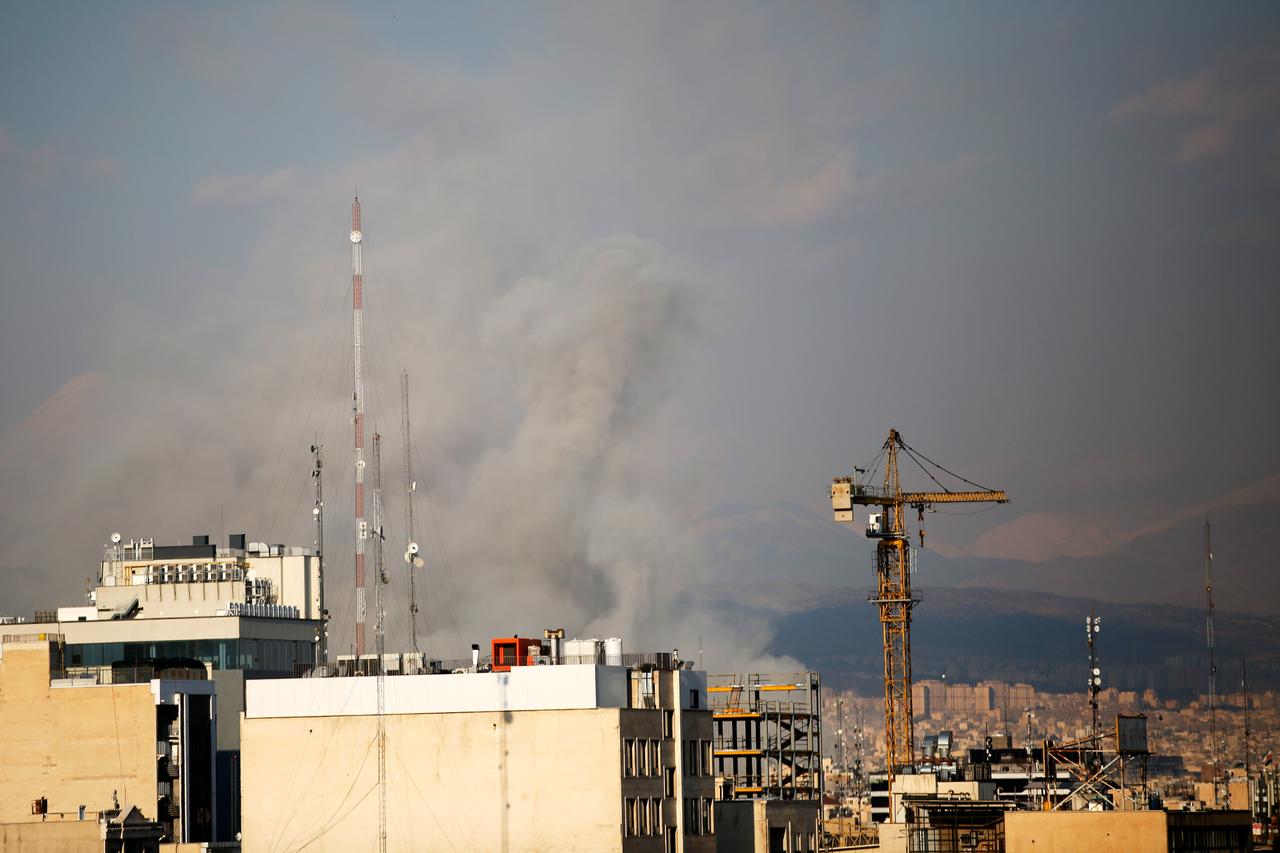
The organization warned that the presence of children in military settings exposes them to grave risks, particularly as U.S. and Israeli strikes target IRGC sites, including Basij facilities.
On March 29, an 11-year-old boy, Alireza Jafari, was killed while accompanying his father, a Basij member, at a checkpoint in Tehran during an Israeli drone attack, according to authorities.
His mother told local media that the child had been taken to the checkpoint due to a “shortage of personnel,” highlighting the risks associated with involving minors in such operations.
Amnesty said the recruitment of children is enabled by Iran’s IRGC Recruitment Regulations Law, which allows individuals under 15 to become Basij members and permits those aged 15 and above to participate in more active roles.
The law divides Basij members into categories, including ordinary, active and special units, with provisions allowing minors to be involved in operational activities after training.
Although Basij forces are described by authorities as voluntary, Amnesty said members receive financial compensation and benefit from advantages such as employment opportunities, housing and access to higher education, raising concerns about recruitment among economically vulnerable groups.
Iran is a party to the Convention on the Rights of the Child, which prohibits the recruitment of children under 15, while customary international humanitarian law considers the recruitment or use of children under 15 in hostilities a war crime.
Amnesty called on Iranian authorities to immediately prohibit the recruitment of anyone under 18 and release all minors currently serving in armed forces.
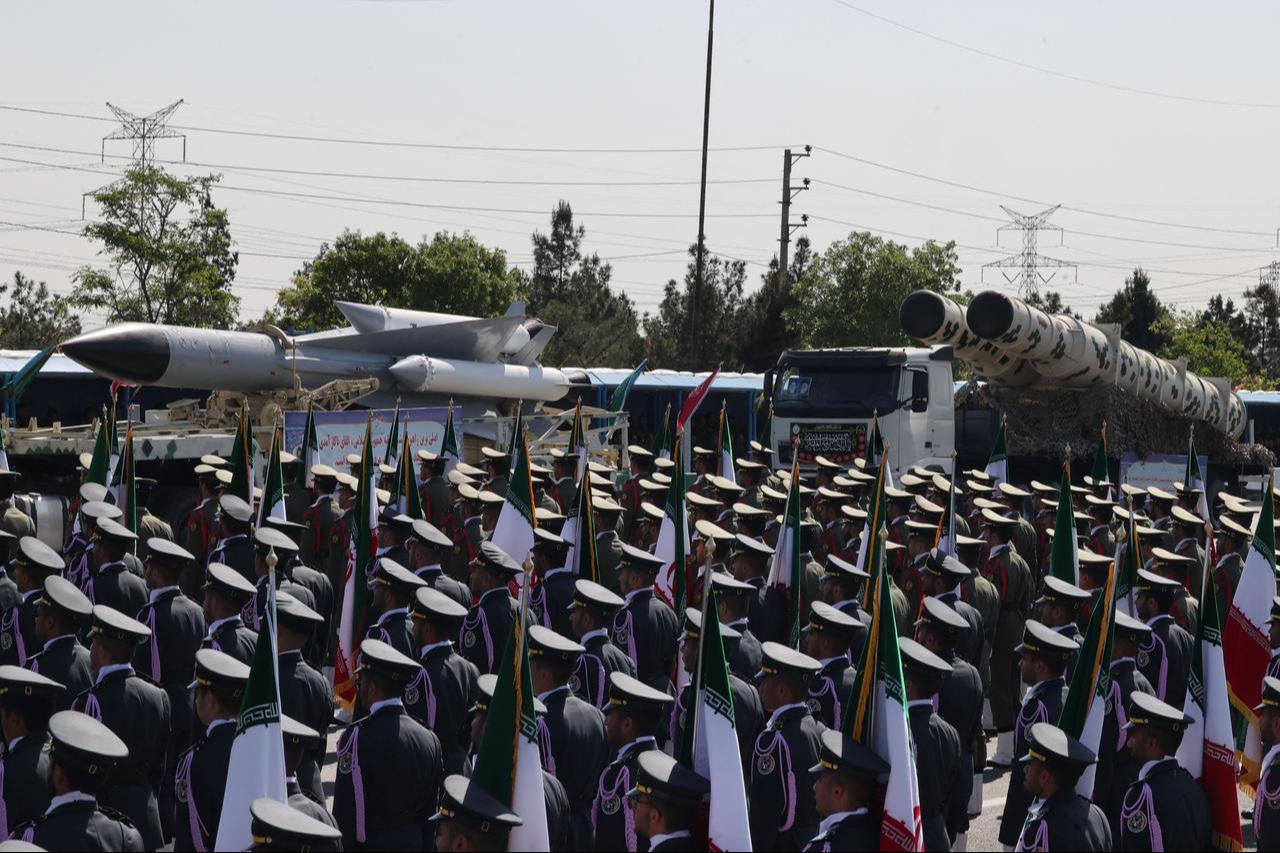
The recruitment campaign comes amid ongoing conflict following U.S.-Israeli strikes targeting IRGC sites across Iran, including security patrols and checkpoints.
According to Iranian authorities, the strikes have killed more than 1,900 people, including 249 women and 216 children. Amnesty also cited an incident in which a U.S. strike on a school in Minab killed 168 people, including more than 100 children.
Iran has also carried out attacks that have caused casualties in Israel, the West Bank and Gulf Cooperation Council states.
Amnesty noted that Iran has a history of recruiting child soldiers, particularly during the Iran-Iraq war in the 1980s, when more than 550,000 children were mobilized and at least 36,000 were killed, according to official figures.


 Set as preferred source
 Set as preferred source


 1 min read
 1 min read