

 Newsletters


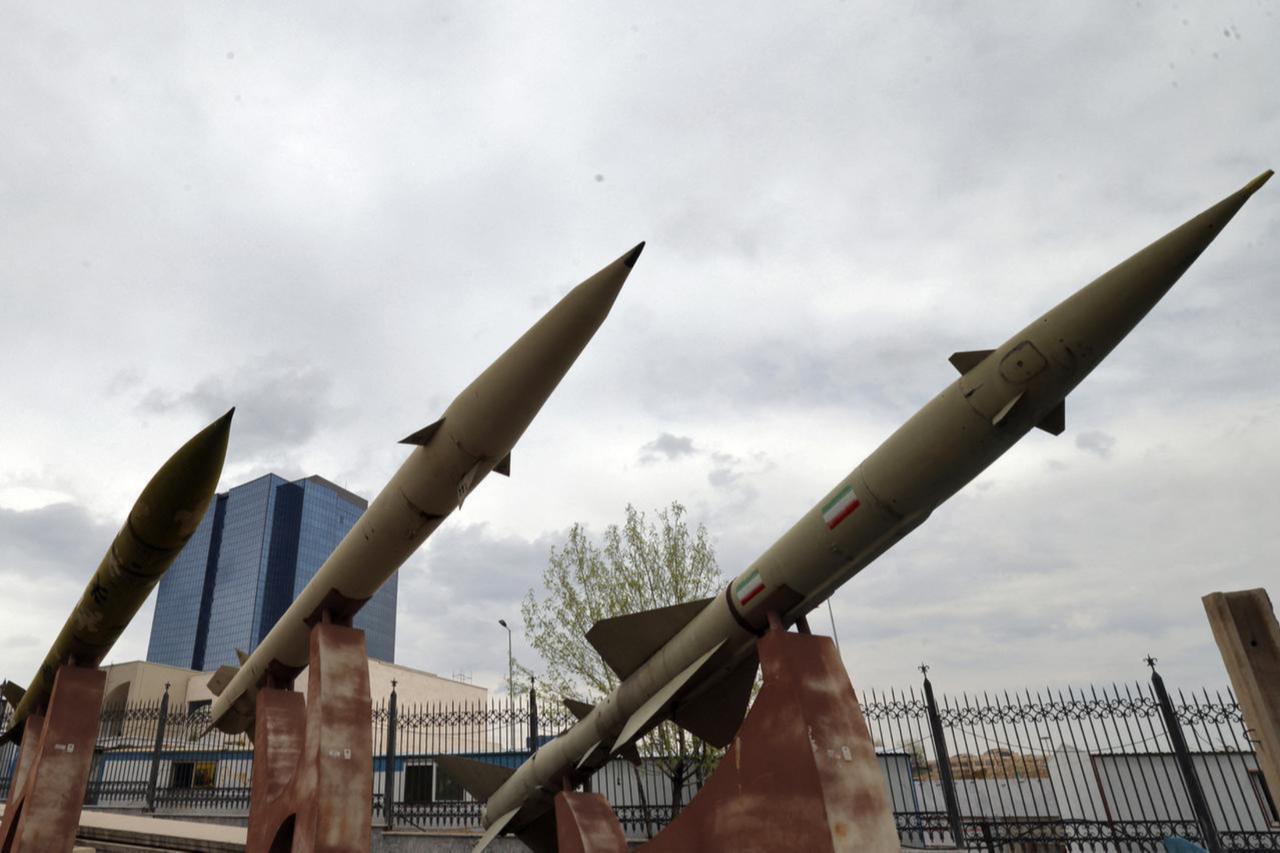


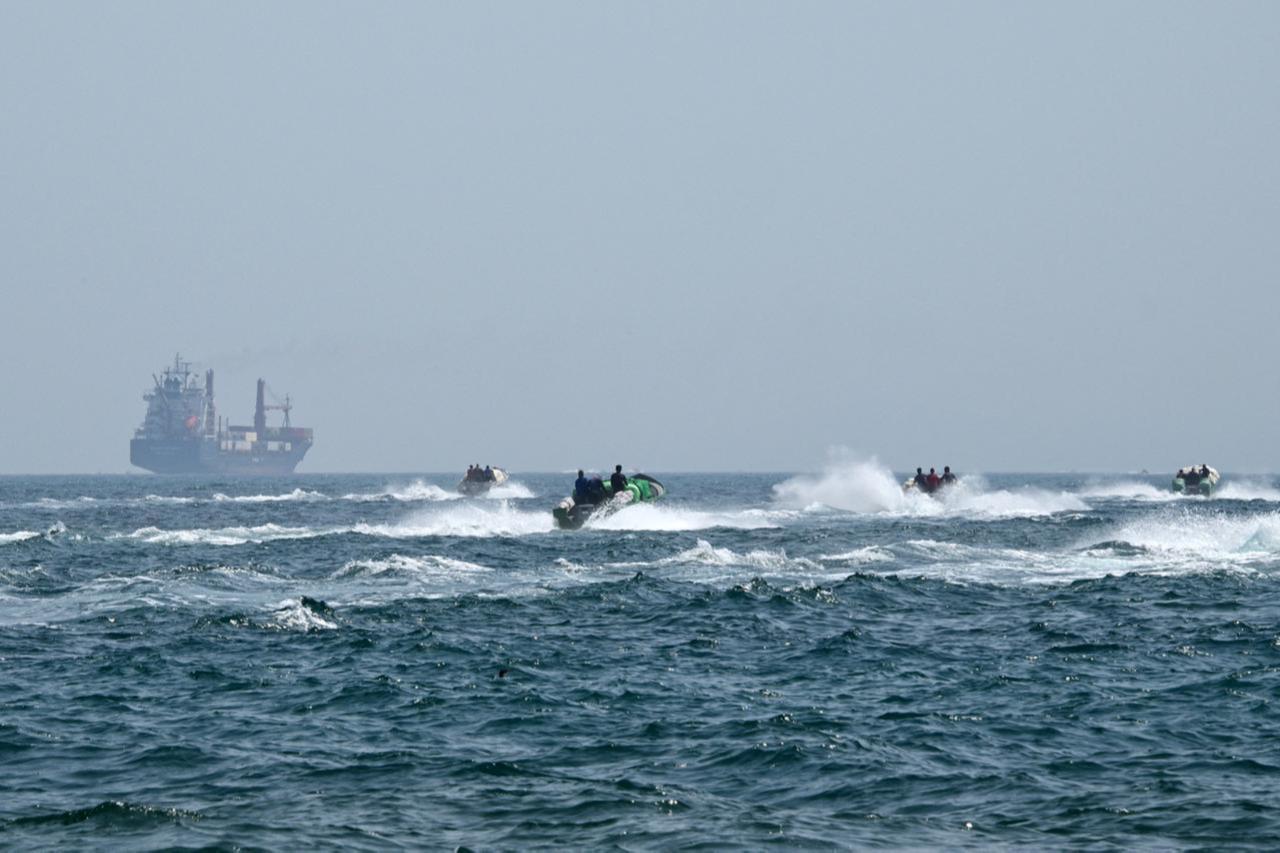
Iran's Revolutionary Guard Corps claimed Thursday it shot down an enemy fighter jet over the Gulf and launched strikes on major Western technology infrastructure in the region, as the broader conflict between Iran and the United States and Israel continued to escalate across multiple fronts.
The IRGC said its air defenses successfully targeted an enemy aircraft over the south of Qeshm Island, after which the jet crashed into the Gulf between Hengam Island and Qeshm Island. The statement did not identify which country operated the aircraft.
The IRGC's naval command separately claimed it struck an Oracle data center in Dubai and targeted an Amazon cloud computing facility in Bahrain, according to Iranian state media. Neither Oracle nor Amazon immediately responded publicly to the claims, and they could not be independently verified.
CENTCOM later denied the jet crash while assuring all the aircraft are accounted for, as the Dubai Media Office falsified the claims regarding an attack on Oracle data center.
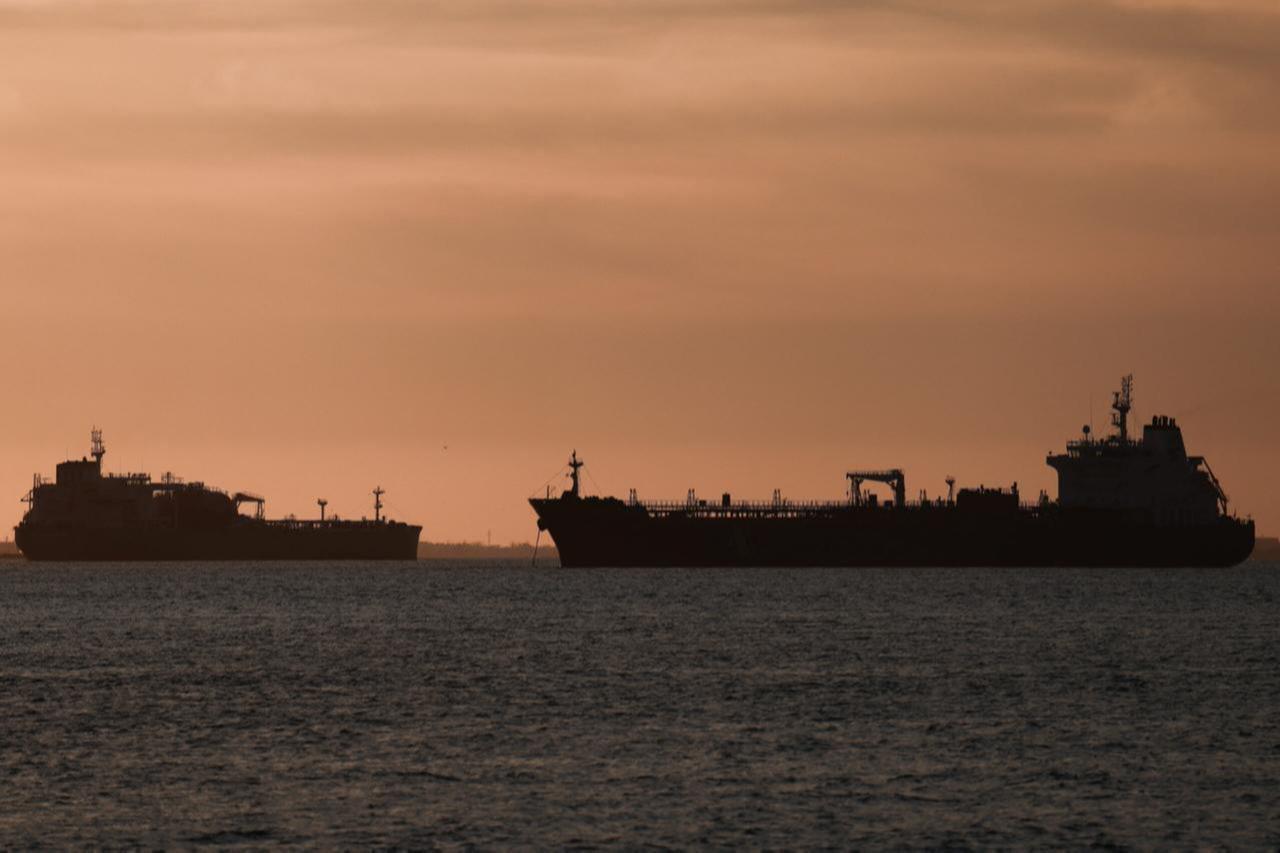

The claims came as the Strait of Hormuz closure continued to send shockwaves through global energy markets. Pakistan raised petrol prices by 43 percent, lifting the cost to 458.4 rupees per liter, with diesel climbing to 520.35 rupees per liter. Petroleum Minister Ali Pervaiz Malik said the crisis had "not just engulfed the entire region but the entire world."
Residents in Karachi described long queues at fuel stations following the announcement, with many saying they had been given no time to plan for the price shock.
Officials said Pakistan holds only 20 to 24 days of fuel reserves, and warned prices would continue rising unless supply lines stabilized. The government said it had spent roughly $500 million on fuel subsidies over the past four weeks but could no longer sustain that level of support.
U.S. President Donald Trump has argued that because the United States is largely not dependent on oil flowing through the Strait of Hormuz, Asian nations, as the primary consumers of Gulf energy, should take the lead in efforts to reopen it.
He suggested the strait could reopen on its own once the conflict winds down, and has not indicated any U.S. willingness to act militarily to restore passage.
Analysts note, however, that American exposure to the crisis runs deeper than the president's framing suggests. The United States remains closely tied to global oil and financial markets, meaning that disruptions to Hormuz flows affect U.S. consumers regardless of the country's own import dependence.
The European Union struck a different tone. Foreign policy chief Kaja Kallas said the bloc "cannot afford to lose another critical trade route" and said the EU supports UN efforts to establish humanitarian corridors in the strait for food and fertilizer shipments.
She added that the EU's Aspides naval mission, which she said had assisted 1,700 ships in the Red Sea, should be scaled up.
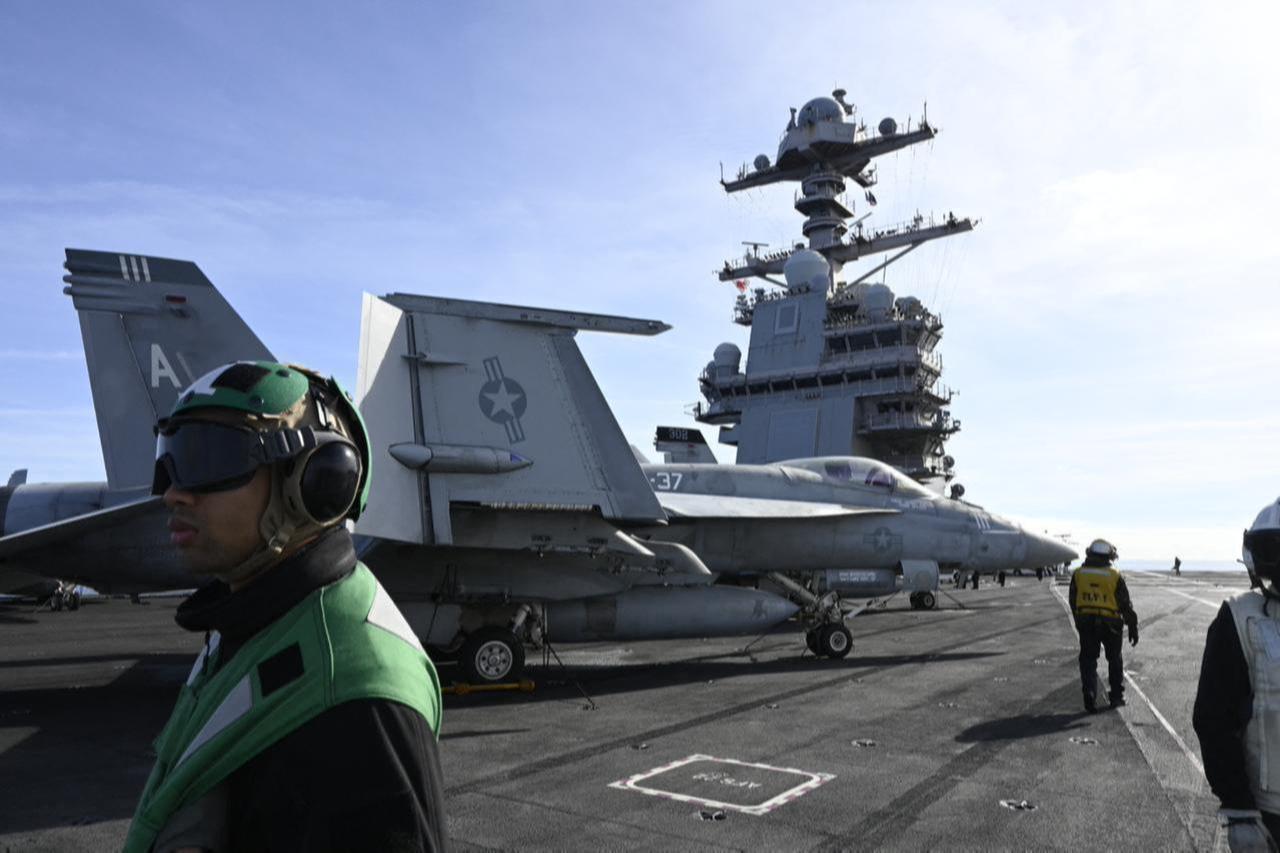
The USS Gerald R. Ford, the world's largest aircraft carrier, departed Croatia Thursday after a five-day port visit during which it completed scheduled repairs and restocked supplies.
The U.S. Navy did not disclose its next destination, saying only that the carrier "remains poised for full mission tasking in support of national objectives in any area of operation." The ship had played a significant role in the U.S.-Israeli air campaign against Iran before sailing to Crete and then Croatia following a laundry fire on March 12.
Yemen's Houthi movement claimed a separate series of ballistic missile strikes on Israeli targets Thursday, saying the operation was carried out in coordination with Iranian forces and Hezbollah in Lebanon and that it "successfully achieved its objectives." The group said its military involvement in what it called "this important and exceptional battle" was gradual and would not stop at current levels.
Iran's Foreign Minister Abbas Araghchi, meanwhile, dismissed recent U.S. strikes on civilian infrastructure, including a bridge in Karaj west of Tehran that killed at least two people, as evidence of an enemy "in disarray." He said such strikes "will not compel Iranians to surrender."


 Set as preferred source
 Set as preferred source


 1 min read
 1 min read



