Newsletters


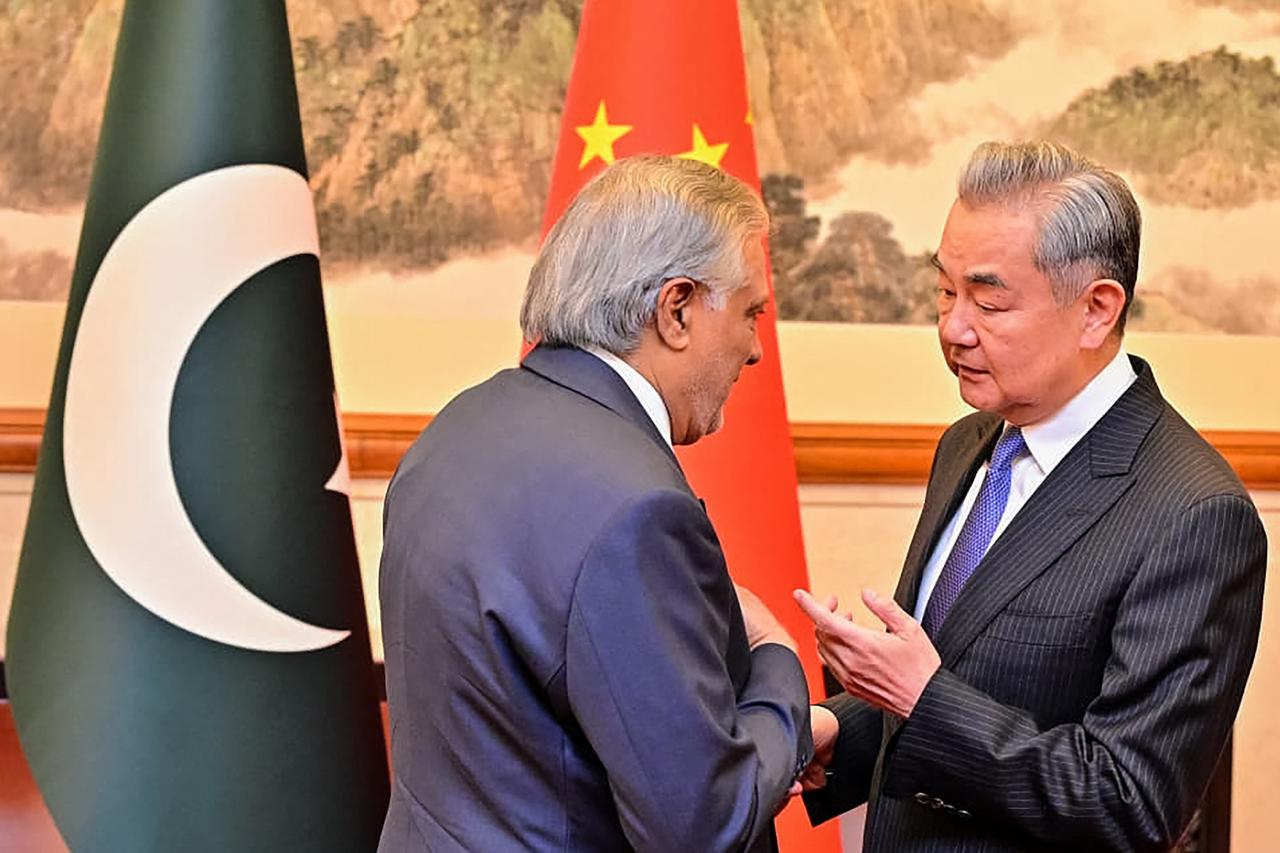


China and Pakistan jointly unveiled a five-point peace initiative on Tuesday calling for an immediate ceasefire in the Iran war and the restoration of commercial shipping through the Strait of Hormuz, in a significant diplomatic move that drew cautious but non-committal signals from President Donald Trump.
Pakistani Foreign Minister Ishaq Dar flew to Beijing for a one-day meeting with his Chinese counterpart, Wang Yi, after which the two governments published a joint proposal that also calls for peace talks, a halt to attacks on critical infrastructure, and a final comprehensive peace framework grounded in the principles of the United Nations Charter and international law.
Dar described the result as "a balanced five-point initiative we both agreed on, which all would be happy to endorse." Trump, asked directly about the plan, declined to address its specifics but told reporters that "the negotiations with Iran are going well," a formulation he has repeated in recent days even as Tehran has maintained there are no direct talks taking place.
Whether Washington quietly blessed the initiative before it was released remains unclear. A source with knowledge of the efforts said China had been helpful in broader attempts to reach a deal, and analysts noted it would be unlikely that Pakistan, which has been serving as the primary mediator between the United States and Iran, would launch such a proposal in concert with Beijing if the U.S. actively opposed it.
China's involvement carries particular weight in Tehran. Beijing is Iran's largest trading partner and the biggest buyer of Iranian oil, giving it substantial leverage, as well as a direct economic incentive to see the conflict end. Since the war began, China has maintained a studied neutrality, condemning the initial U.S. and Israeli strikes on Iran before retreating to calls for a ceasefire, while separately negotiating with Tehran over safe passage for its own oil tankers through the blockaded strait.
China's foreign ministry said Tuesday's visit was intended to "strengthen" cooperation between the two countries on the conflict and "make new efforts toward advocating for peace." The joint statement affirmed that dialogue and diplomacy were "the only viable option to resolve conflicts."
For Pakistan, the Beijing visit is the latest move in a concerted push to position Islamabad as an indispensable diplomatic actor, a role the country's government and army chief, Syed Asim Munir, have aggressively sought after years of being sidelined by Washington under previous U.S. administrations.
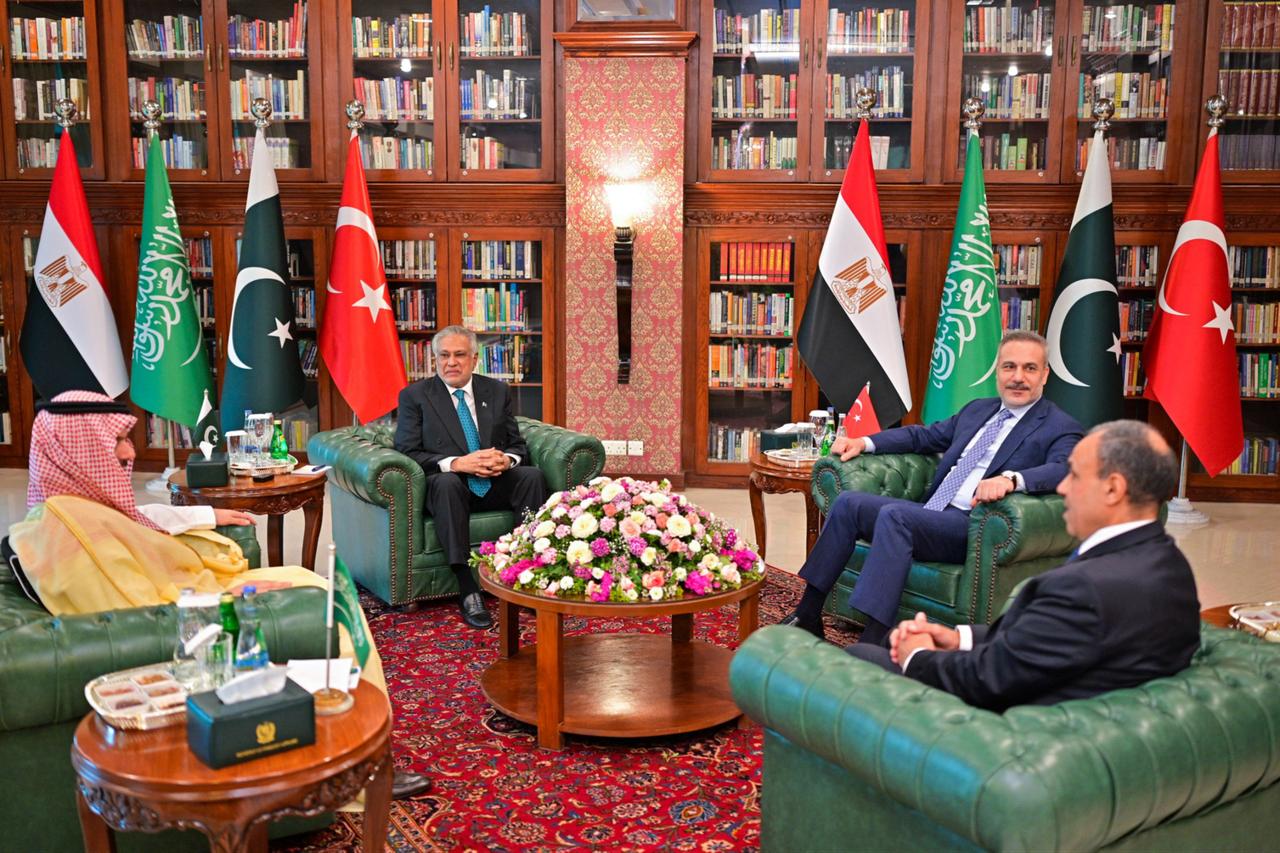
Prime Minister Shehbaz Sharif and Munir have been in direct contact with both Trump and Iranian President Masoud Pezeshkian, with messages between the two warring parties passing through Pakistani intermediaries. Last Sunday, Islamabad hosted a meeting of foreign ministers from Saudi Arabia, Türkiye, and Egypt to explore a regional solution, though the absence of the United States and Iran from those talks was widely seen as limiting their diplomatic weight.
Pakistani columnist and political analyst Rafiullah Kakar said the country's embrace of the mediator role reflected both ambition and vulnerability. "Islamabad seeks to reinforce its standing as a consequential middle power within the broader Muslim world and to signal continued geopolitical importance to external partners, particularly Washington and the Gulf states," he said.
Pakistan's stakes in ending the war are also deeply concrete. The country shares a 560-mile land border with Iran and is home to the world's largest Shia Muslim population outside Iran, stoking fears of sectarian spillover if the conflict drags on. Dozens were killed in protests when U.S. and Israeli strikes on Tehran began. The blockade on fuel and gas shipments through the Strait of Hormuz has already inflicted a heavy economic toll on Pakistan, and a recently signed defense pact with Saudi Arabia has raised concerns in Islamabad that it could be drawn further into the conflict if Gulf states escalate their posture against Iran.
Kakar said the risks were stark: "Pakistan remains economically dependent on the Gulf monarchies, particularly Saudi Arabia, and seeks to preserve stable relations with the United States, yet it also shares a long and sensitive border with Iran. Serious instability in Iran would have direct implications for Pakistan's security. Escalation risks placing Islamabad in a very difficult position."


 Set as preferred source
 Set as preferred source


 1 min read
 1 min read