

 Newsletters




China warned on Monday that further attacks in the Middle East could lead to an “uncontrollable situation,” following threats by U.S. President Donald Trump to strike Iran’s power plants.
Chinese Foreign Ministry spokesman Lin Jian said the use of force risks worsening the conflict and deepening instability in the region.
“If the war expands further and the situation deteriorates again, the entire region could be plunged into an uncontrollable situation,” Lin told a news conference.
He added that the use of force would only lead to a “vicious cycle” in the conflict.
Trump issued a 48-hour ultimatum to Iran late on Saturday, demanding that Tehran end its partial blockade of the Strait of Hormuz or face attacks on its energy infrastructure.
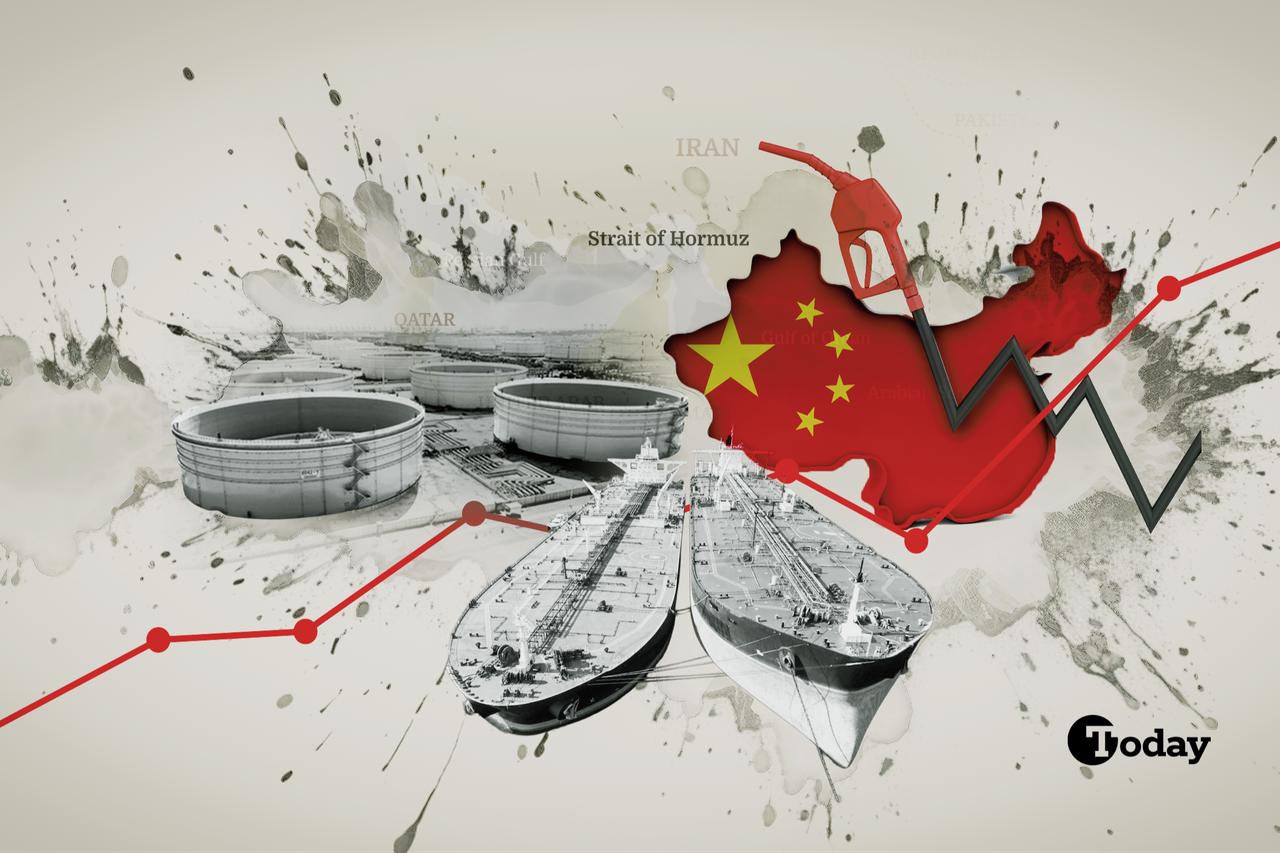
The strait is a critical global energy route through which approximately one-fifth of the world’s oil flows.
China said the ongoing conflict and tensions around the waterway are threatening global energy security as well as its own oil supplies.
Lin also said the situation in Hormuz raises concerns about disruptions to international energy markets.

China, which is a partner of Iran, said it does not support Tehran’s strikes against Gulf states hosting U.S. military bases and called for a ceasefire.
Foreign Minister Wang Yi said earlier that the war “should never have happened” and urged an end to the fighting.
Beijing has sought to mediate in the conflict, sending its special envoy Zhai Jun on a regional tour to encourage de-escalation.
Trump has called on China and other countries to help reopen the Strait of Hormuz, but Beijing has not responded to that request.
The U.S. president had also been expected to visit China this month, but delayed the trip due to the war.


 Set as preferred source
 Set as preferred source


 1 min read
 1 min read



