Newsletters


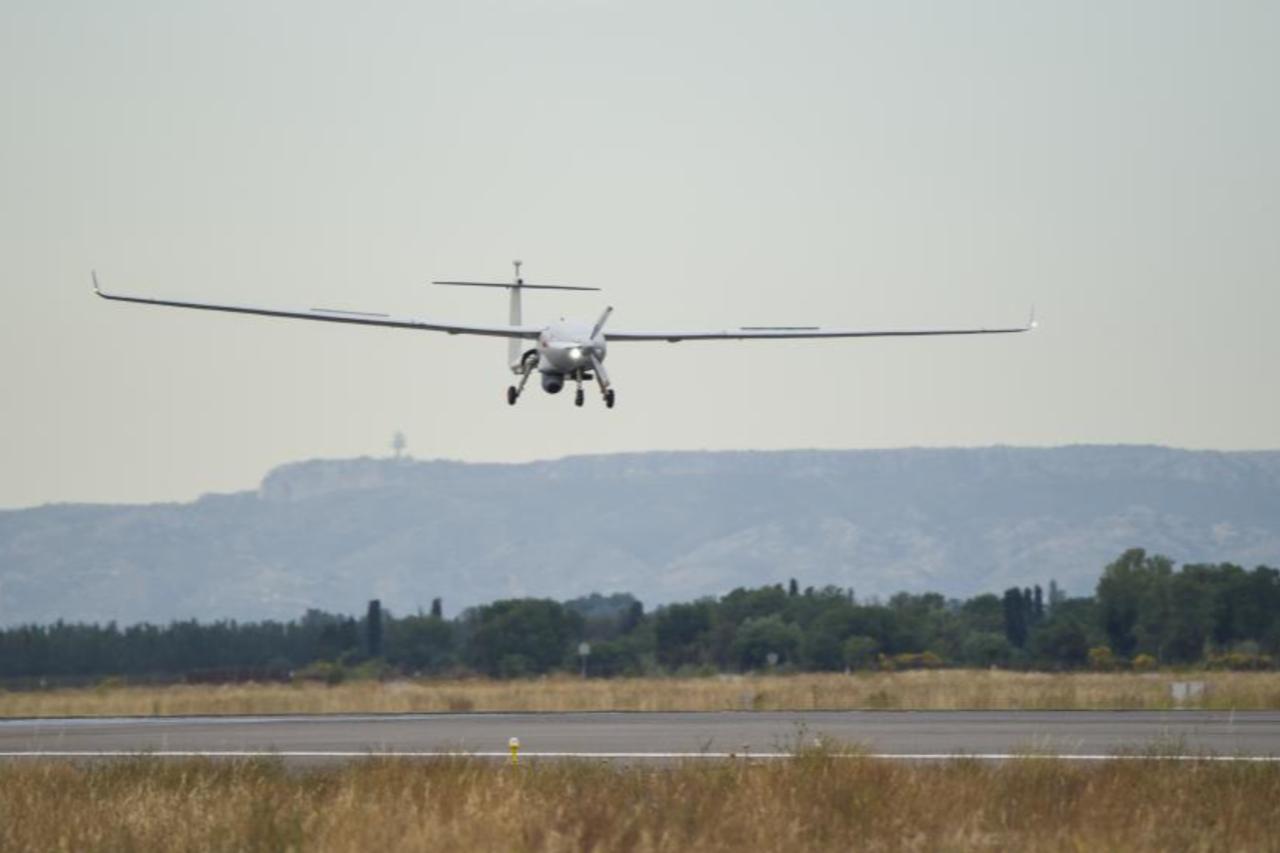


Greece is reevaluating its €55 million ($63.9 million) acquisition of four Safran Patroller unmanned aerial vehicles (UAVs) for the Greek army's surveillance and intelligence missions.
Officials familiar with the matter are telling the Greek media outlet Kathimerini that the margins for completing the purchase are narrowing, and the program now faces questions about delays, operational relevance, and the political complications arising from Safran's new strategic partnership with Turkish drone maker Baykar.
According to Kathimerini, the Greek Army's aviation procured four Patroller systems through the NATO Support and Procurement Agency (NSPA), with the first deliveries expected by the end of 2024. However, by the end of 2025, only one prototype had completed flight tests.
Military sources cited by Kathimerini warned that by the time the system enters operational service, it risks being considered obsolete.
The €55 million contract was signed on June 19, 2023.
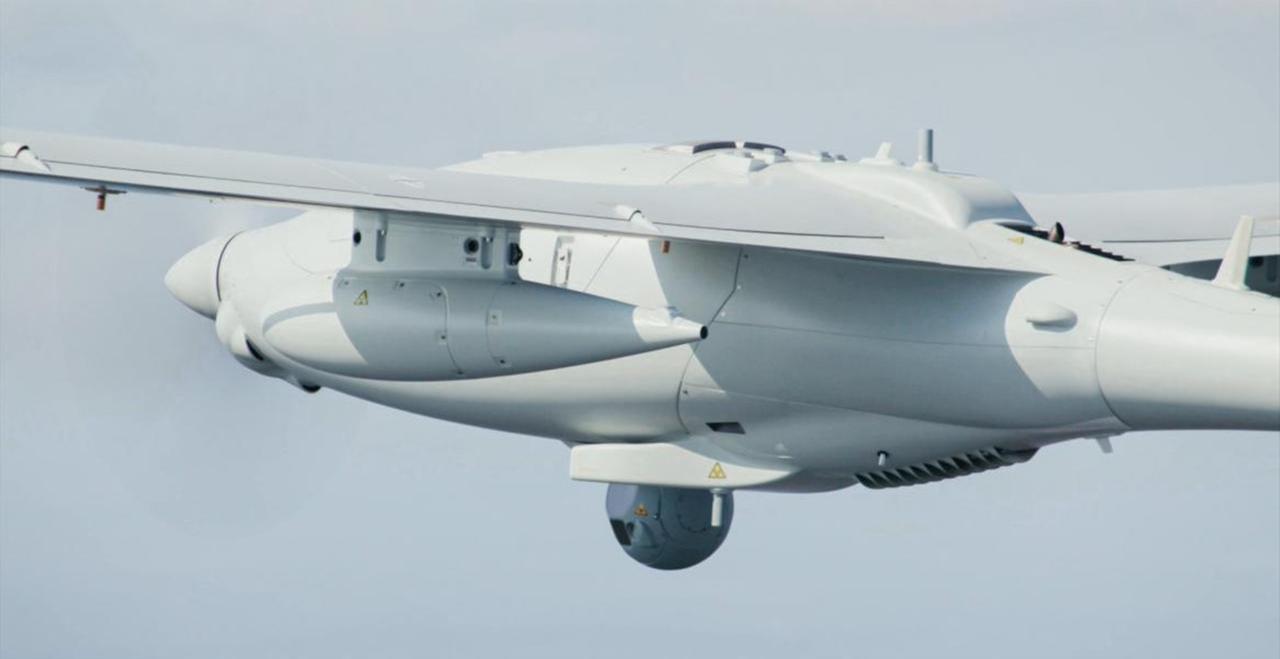

Kathimerini identifies two drivers behind Athens' reassessment. The first is technical: persistent delays in installing the Link-16 terminal required for the Patroller to achieve NATO interoperability, a capability Athens set as a non-negotiable precondition.
The second and more decisive trigger, Kathimerini reports, was France's own cancellation.
French military commanders were quoted as describing the Patroller as "too slow, too large, and too easily detectable" for the modern operational environment.
That a platform's home military walked away after six years, while questioning its combat viability, created serious doubts in Athens about the system's long-term supportability, spare parts availability and operational relevance.
Kathimerini notes that sources still assess the Patroller as a "satisfactory choice" for the ISR missions the Greek Army General Staff wants to fulfill, but the cancellation of the large French domestic order leaves Greece with a platform that has no other international customer and an uncertain industrial support base.
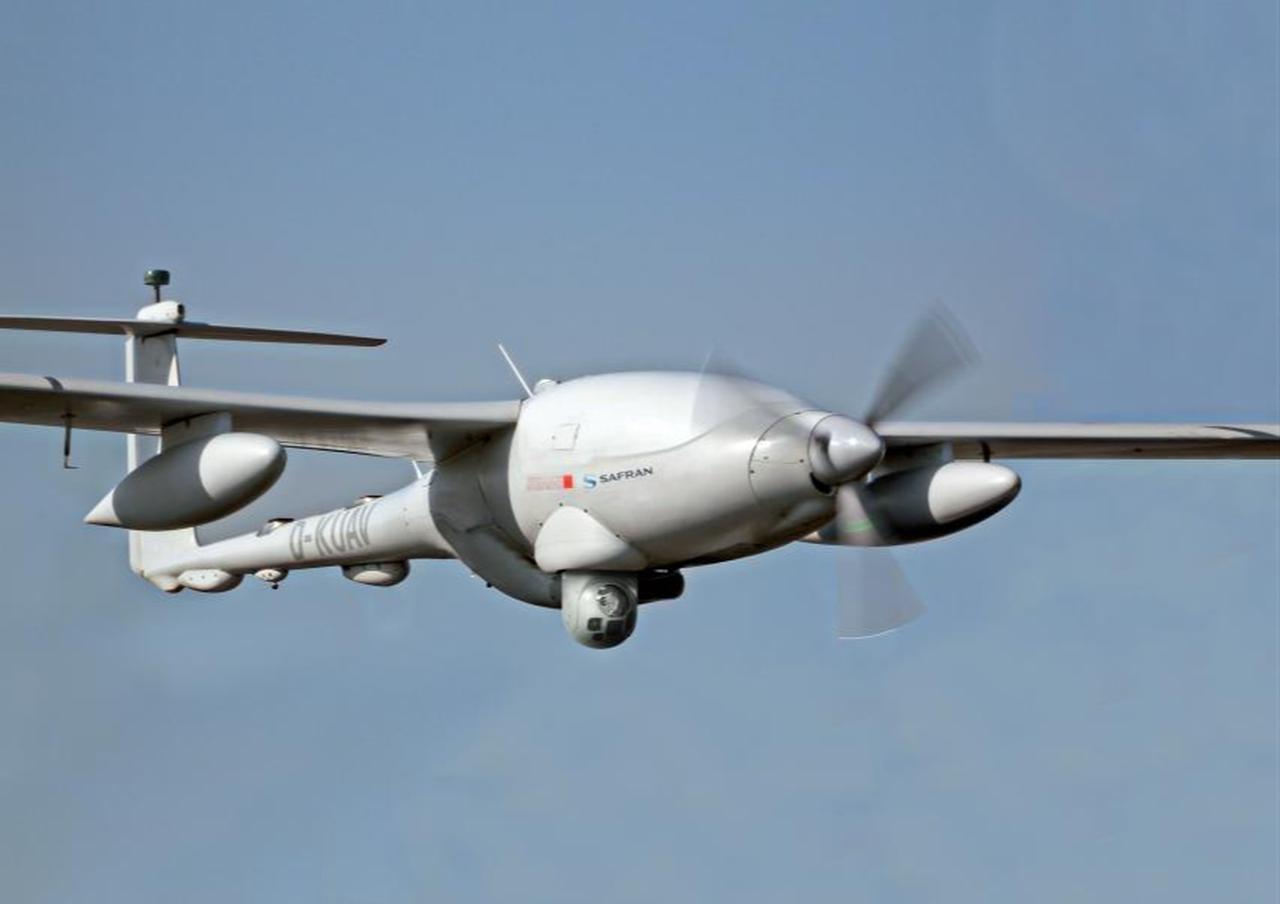
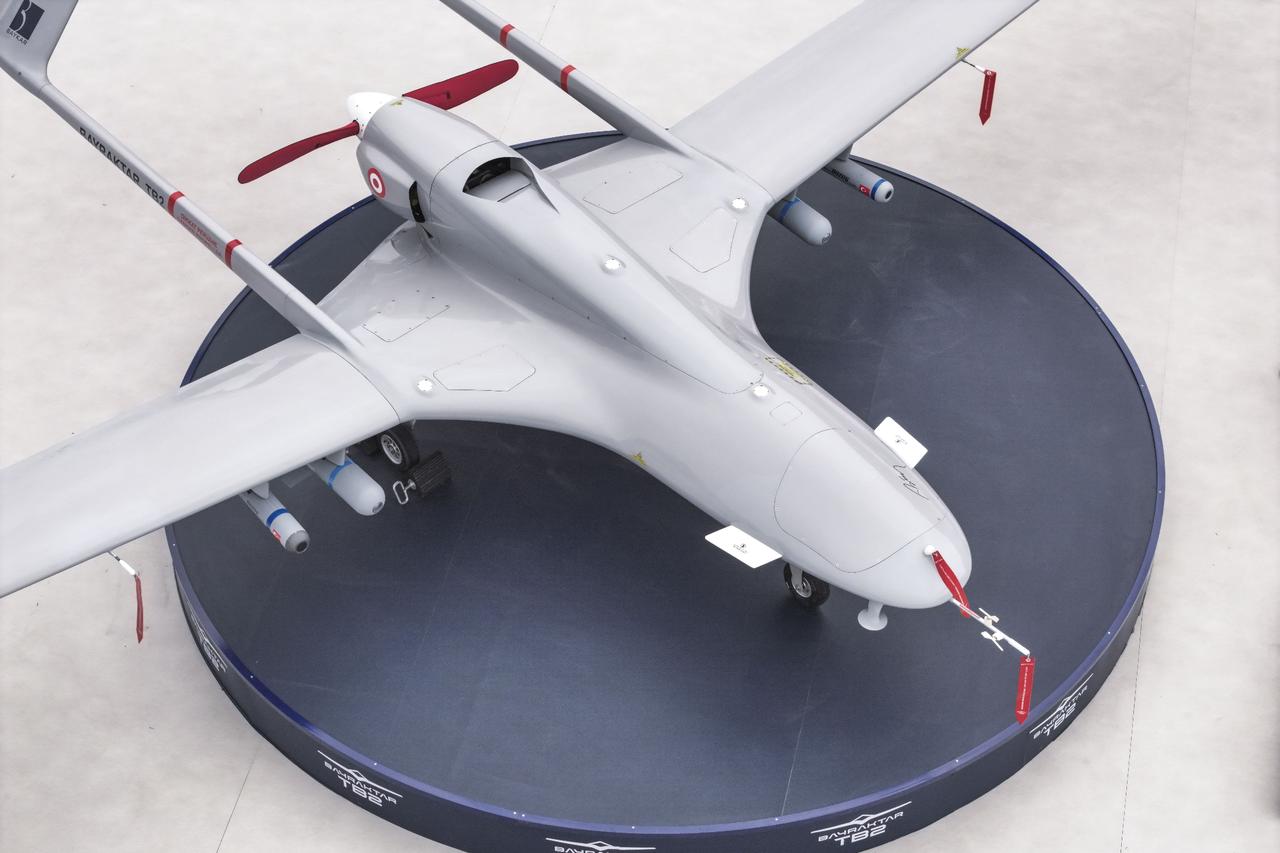
Kathimerini reports that the announcement of Safran Electronics & Defense's strategic partnership with Baykar, signed on the sidelines of SAHA Expo 2026, has generated "considerable discussion" in Athens.
Under the agreement, Safran will integrate Euroflir optronic systems and provide navigation technology for Baykar's drone platforms.
Kathimerini notes that this arrangement would give Baykar access to European electro-optical systems, including the Euroflir targeting system, and opens a path for the Turkish company's entry into the European UAV market.
The Greek media outlet noted that the program has not been formally canceled, and the procurement process continues.
But the combination of delays, France's own exit, doubts about operational capability in modern contested environments, and the Safran-Baykar development has placed the acquisition under serious review, with Athens examining alternative options for its ISR requirements.


 Set as preferred source
 Set as preferred source


 1 min read

 1 min read