Newsletters


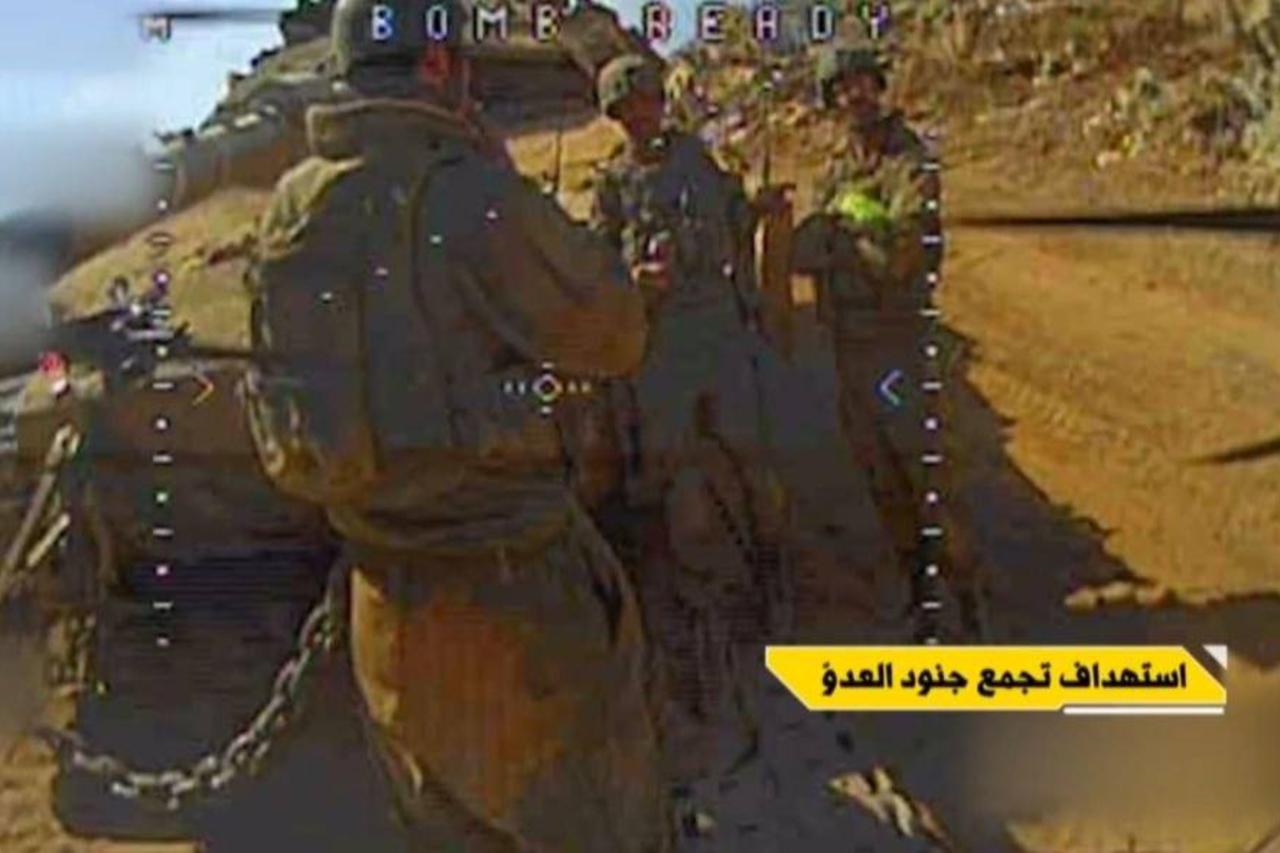
Hezbollah fiber-optic FPV drones killed Israeli Army Captain Maoz Israel Recanati, 24, a platoon commander in the Golani Brigade's 12th Battalion, in southern Lebanon on Saturday, the 20th Israeli soldier killed in Lebanon since the war began on February 28 and the seventh since the April 16 ceasefire.
The group reported 33 attacks on Israeli forces in the preceding 24 hours and a comprehensive analysis by Israel's Alma Research Center warned that "hundreds of dollars are defeating millions of dollars" with no complete Israeli army counter yet in place.
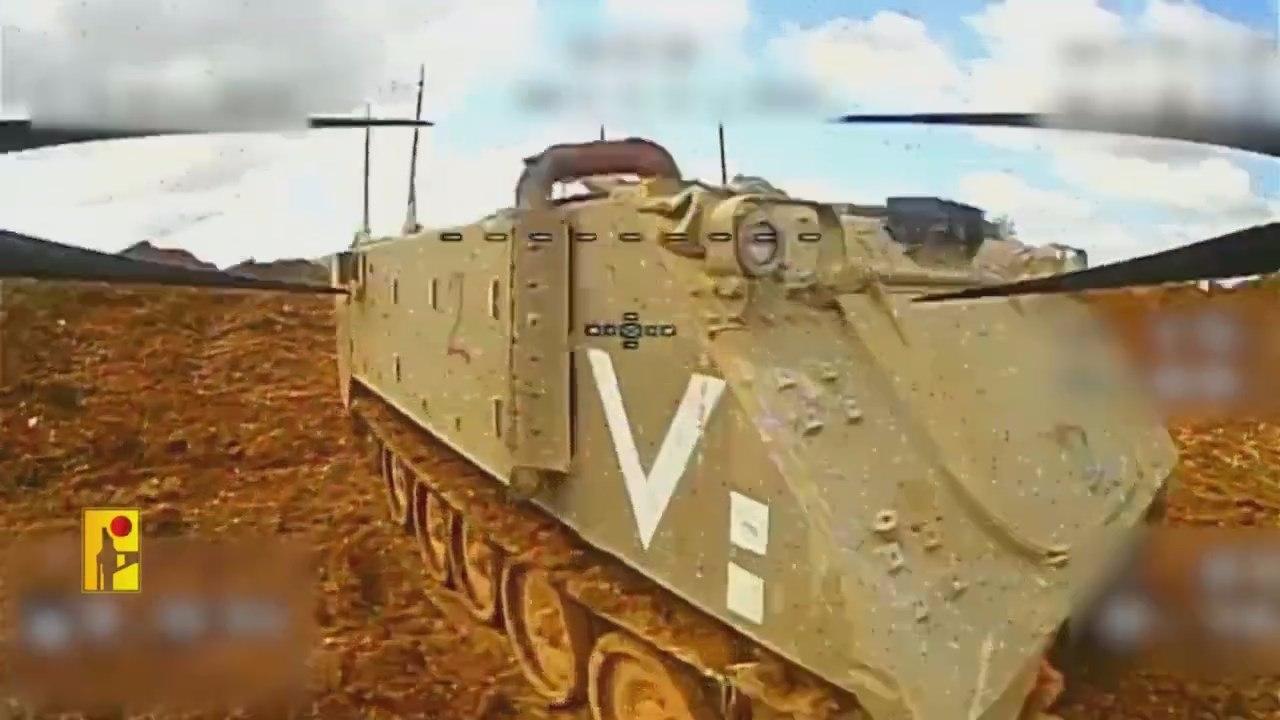

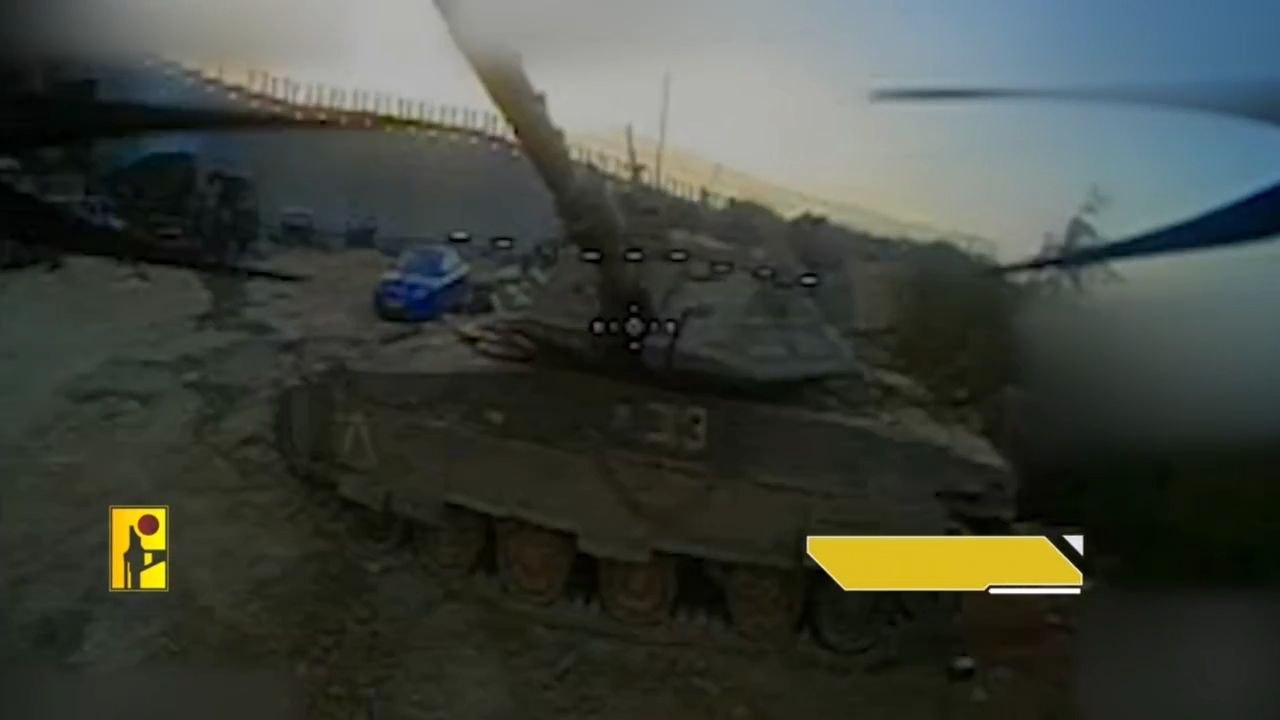
Hezbollah's fiber-optic FPV drone uses an ultra-thin optical cable, roughly the thickness of dental floss, to connect the operator to the drone rather than radio signals. Because it emits no electromagnetic signal, Israel's electronic warfare and jamming systems cannot intercept it. Because it is small, flies low, and generates minimal heat from four small electric motors, its radar and infrared signature are minimal.
BBC Verify has geolocated 35 verified strikes since March 26, with nearly 100 FPV attack videos shared on Hezbollah's Telegram channels.
Israeli media reports that four Israeli soldiers and one civilian have been killed in FPV strikes, with dozens more injured.
The Alma Research and Education Center, in a comprehensive report on the threat, found that Hezbollah has dozens of operators in southern Lebanon, including, in some cases, from within the Israeli army's own "Yellow Line" boundary, and that the group's operational pattern includes a reconnaissance drone acquiring the target before an armed FPV strike follows. It estimated the group's stockpile as significant, noting that in June 2024, Lebanese security forces seized 5,000 drones in a single shipment.
The Alma Center's report put the strategic challenge starkly: "A $300-$400 drone kills and injures soldiers and affects an entire operational workspace of Israeli forces in southern Lebanon. If Israel does not close this gap quickly, Hezbollah, following Ukraine and Russia, will dictate the new rules of the game in the ground arena."
It noted that "explosive drones" were responsible for 37 of the 39 Israeli soldiers wounded in Lebanon during the three weeks of the formal ceasefire period.
Each drone costs approximately $300-$500, assembled from commercially available Chinese components and 3D-printed parts, with RPG warheads attached.
Dr. Andreas Krieg of King's College London told BBC Verify the fiber-optic cable renders Israel's jamming capacity "largely irrelevant" and forces Israeli troops to "move more cautiously, harden positions, use physical protective measures such as nets and cages, and devote more attention to immediate local defense."
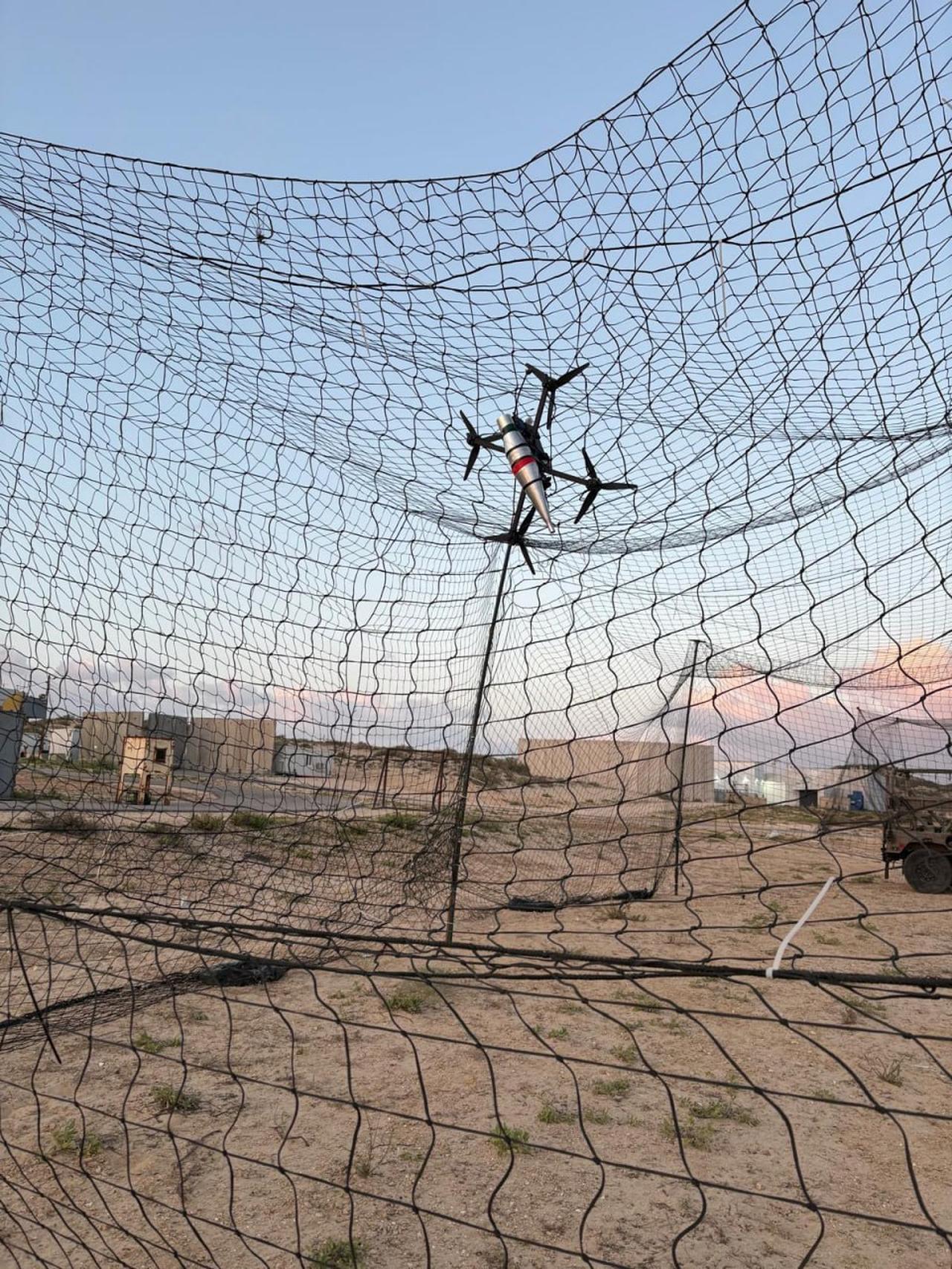
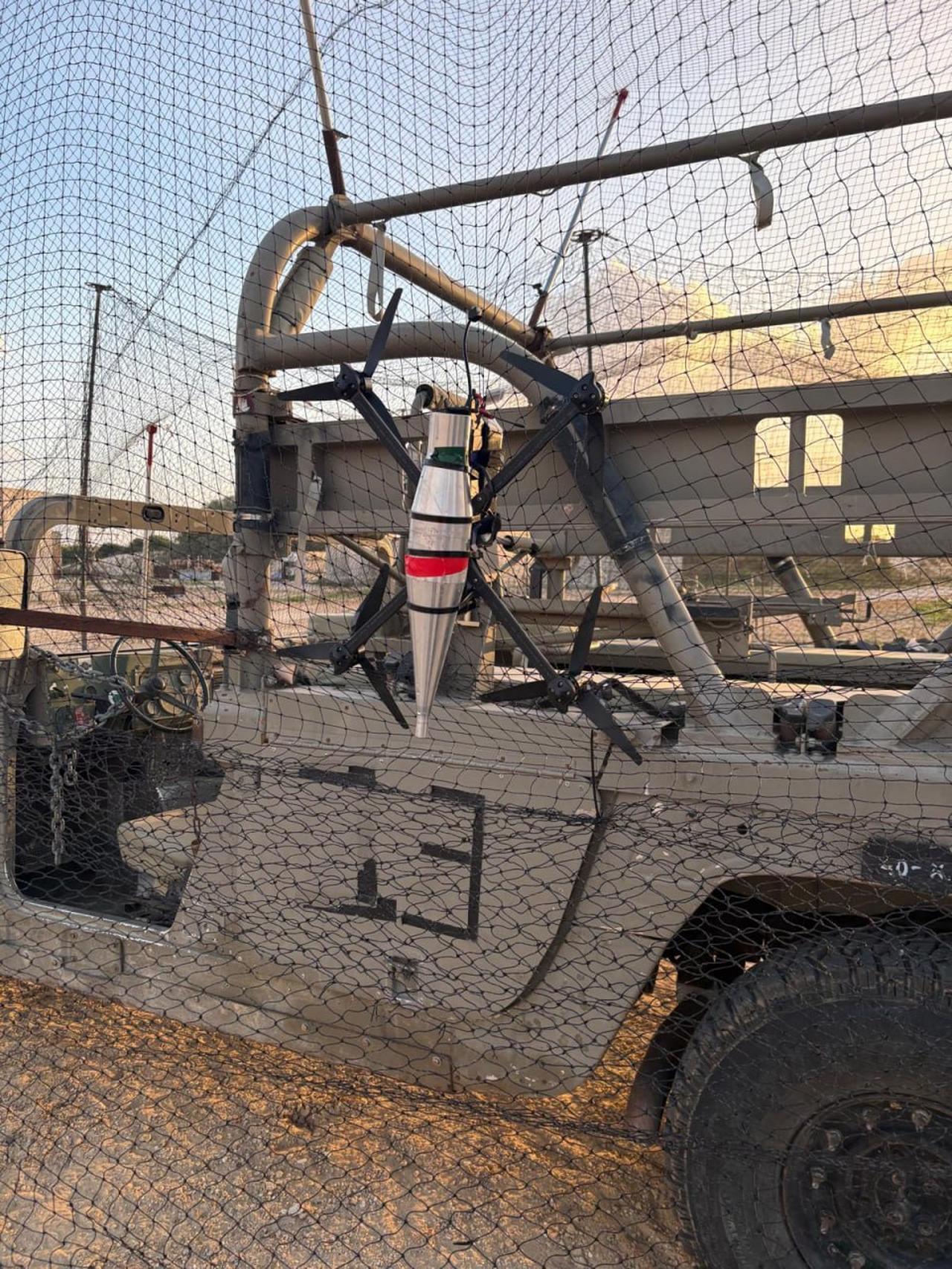
The Israeli army's current responses include deploying thousands of meters of fishing nets over combat vehicles, ordering fragmentation ammunition described as "shotgun-style" from the United States, testing Smart Shooter's SMASH 3000 computer-vision fire control system on assault rifles, and developing interceptor drones, including the Spear Viper.
Rafael's Drone Dome, IAI's Drone Guard, and Elbit's ReDrone systems all exist but rely on electro-optical rather than electronic warfare, making them more applicable than EW systems but still limited in response time.
The Alma Center said the Israeli army's timeline for fully addressing the threat was "weeks to months, not days."
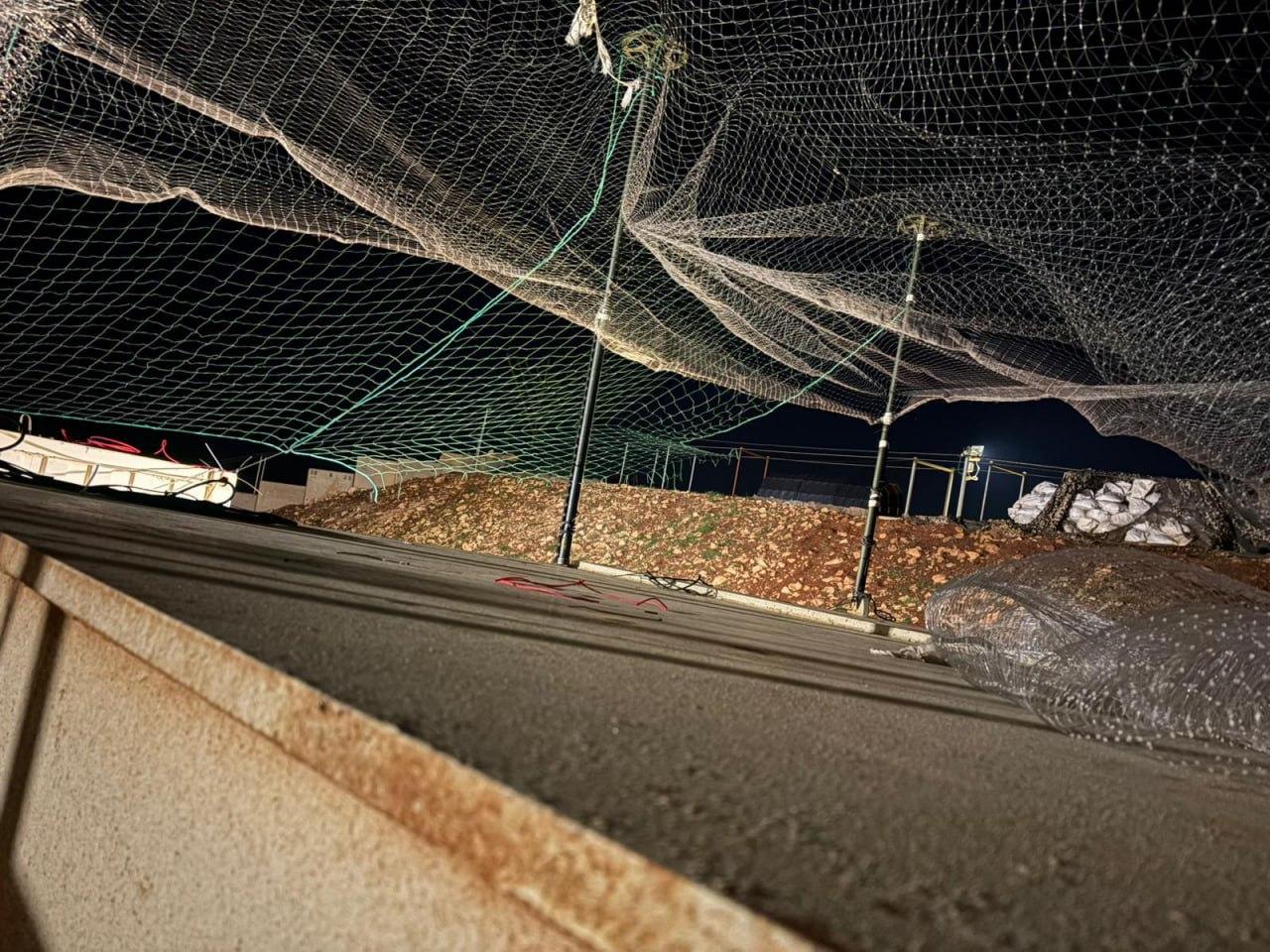
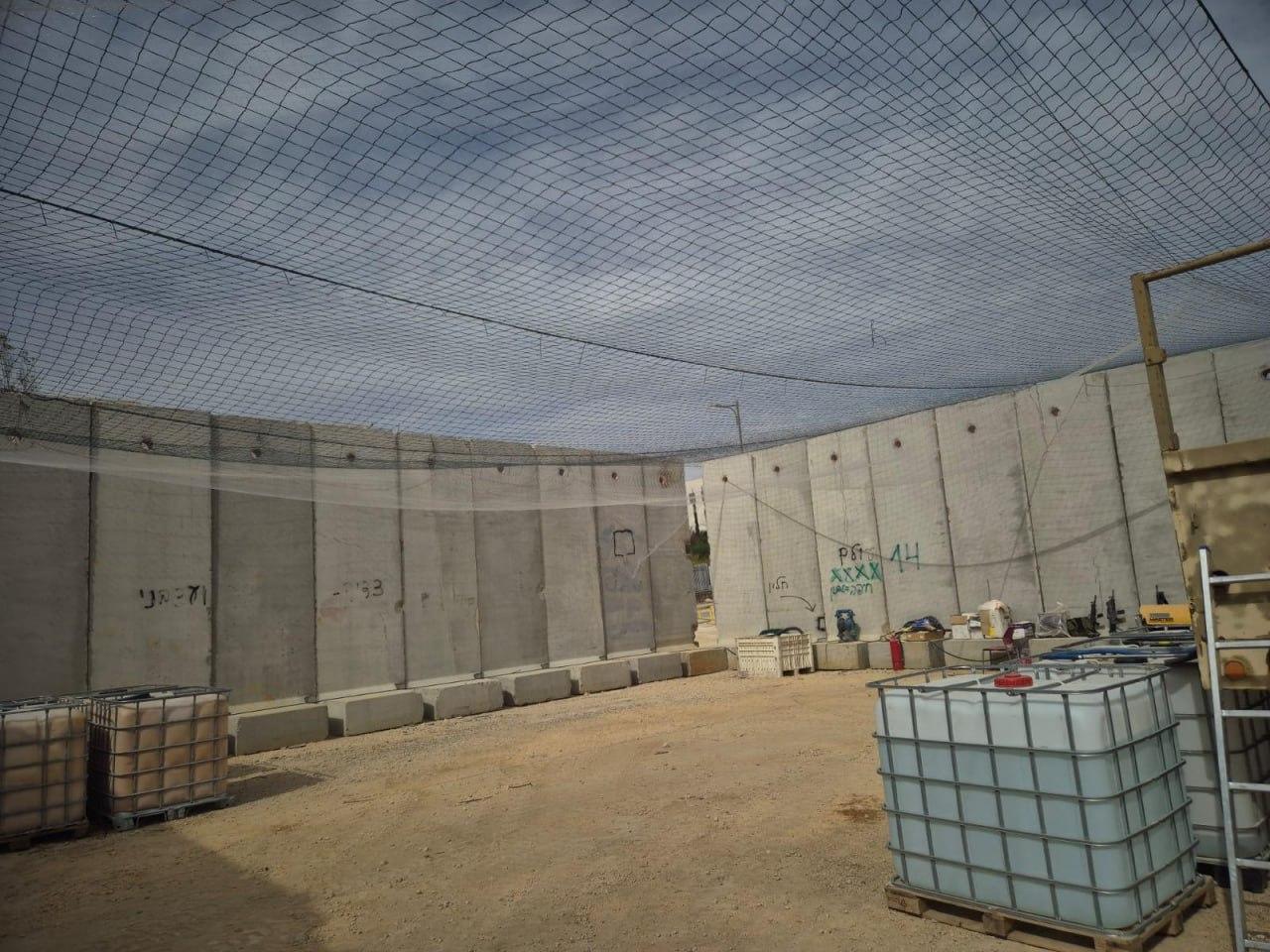
Hezbollah stated on Friday it had carried out 33 attacks in the preceding 24 hours targeting Israeli troop and vehicle gatherings in Rashaf, Qouzah, and Hadatha with attack drones, rocket barrages, and artillery.
It said Liman barracks and Kiryat Shmona barracks were targeted with drone attacks and claimed "confirmed hits" in several operations.
The Israeli army declared the northern areas of Rosh Hanikra and Achziv closed military zones over the "security situation" following repeated drone infiltrations and rocket launches.
The U.S. announced on May 16 the extension of the Israel-Lebanon ceasefire by 45 days starting May 17, following Washington-hosted talks on May 14-15.
Since March 2, Israeli attacks on Lebanon have killed approximately 2,896 people, injured over 8,824 and displaced more than 1.6 million, approximately one-fifth of Lebanon's population.


 Set as preferred source
 Set as preferred source


 1 min read
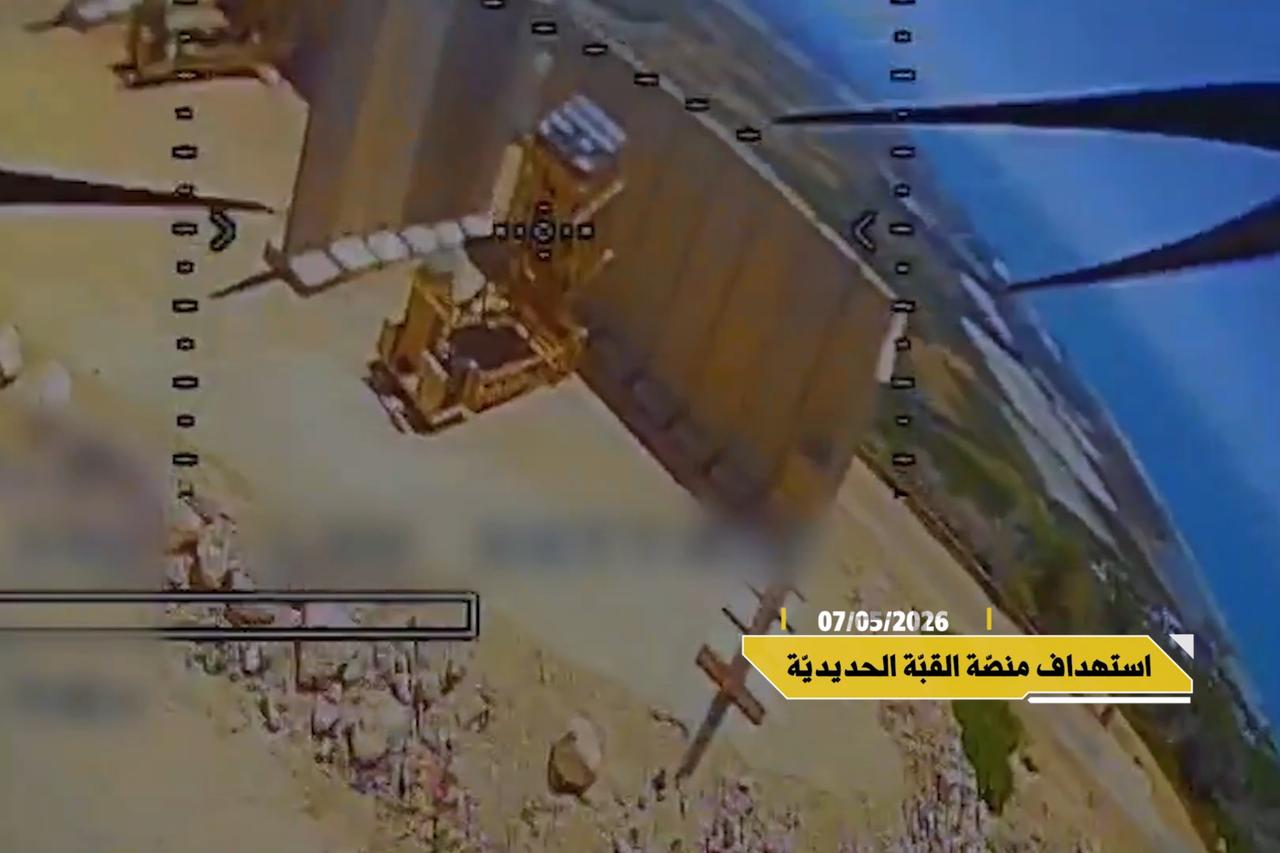
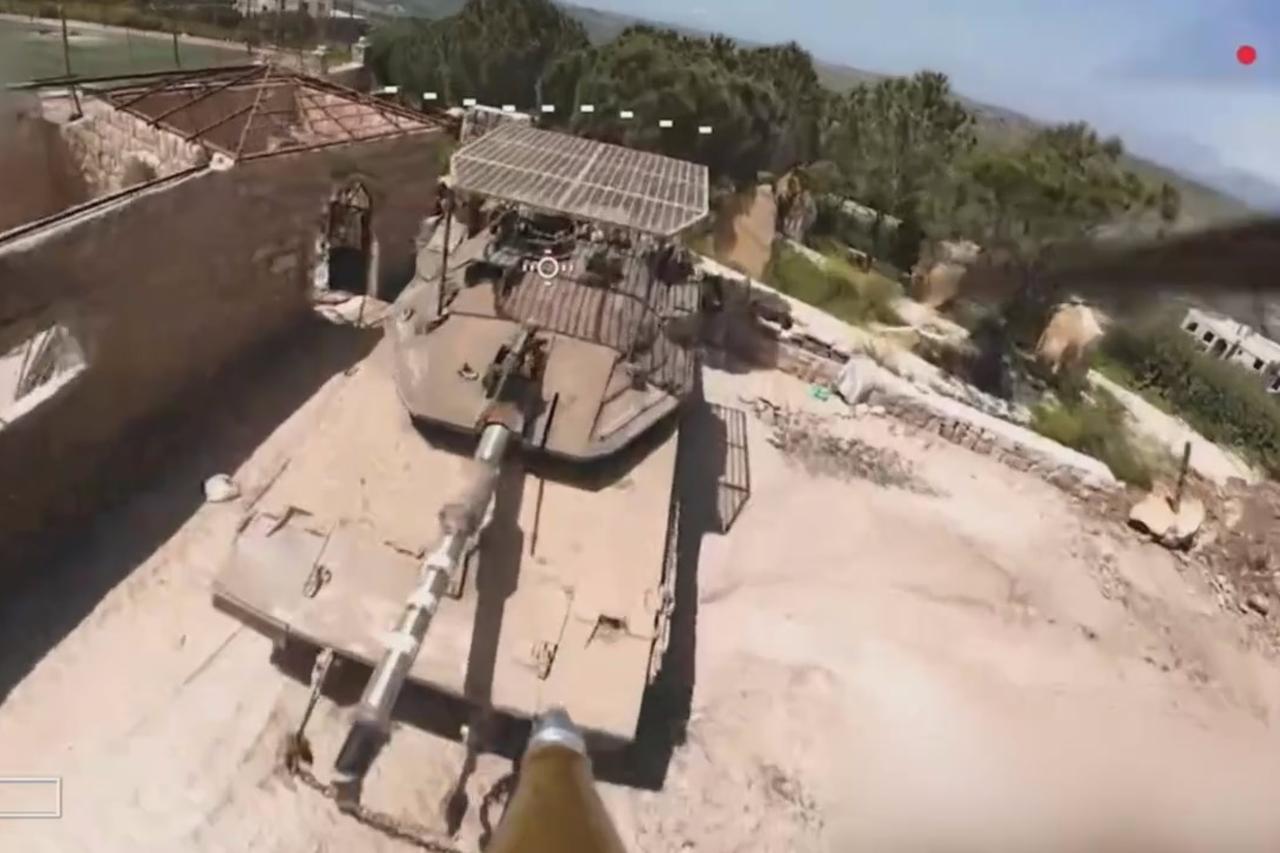
 1 min read