Newsletters


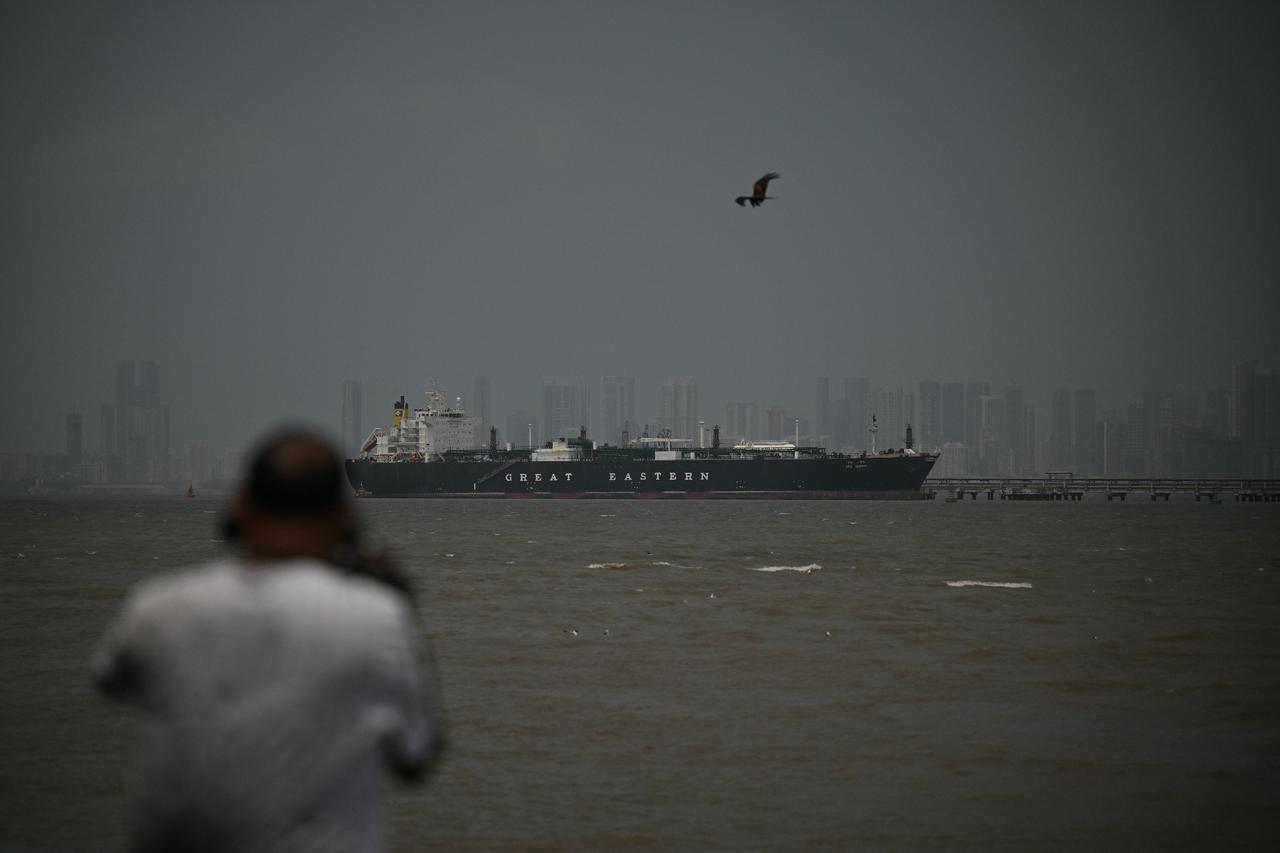


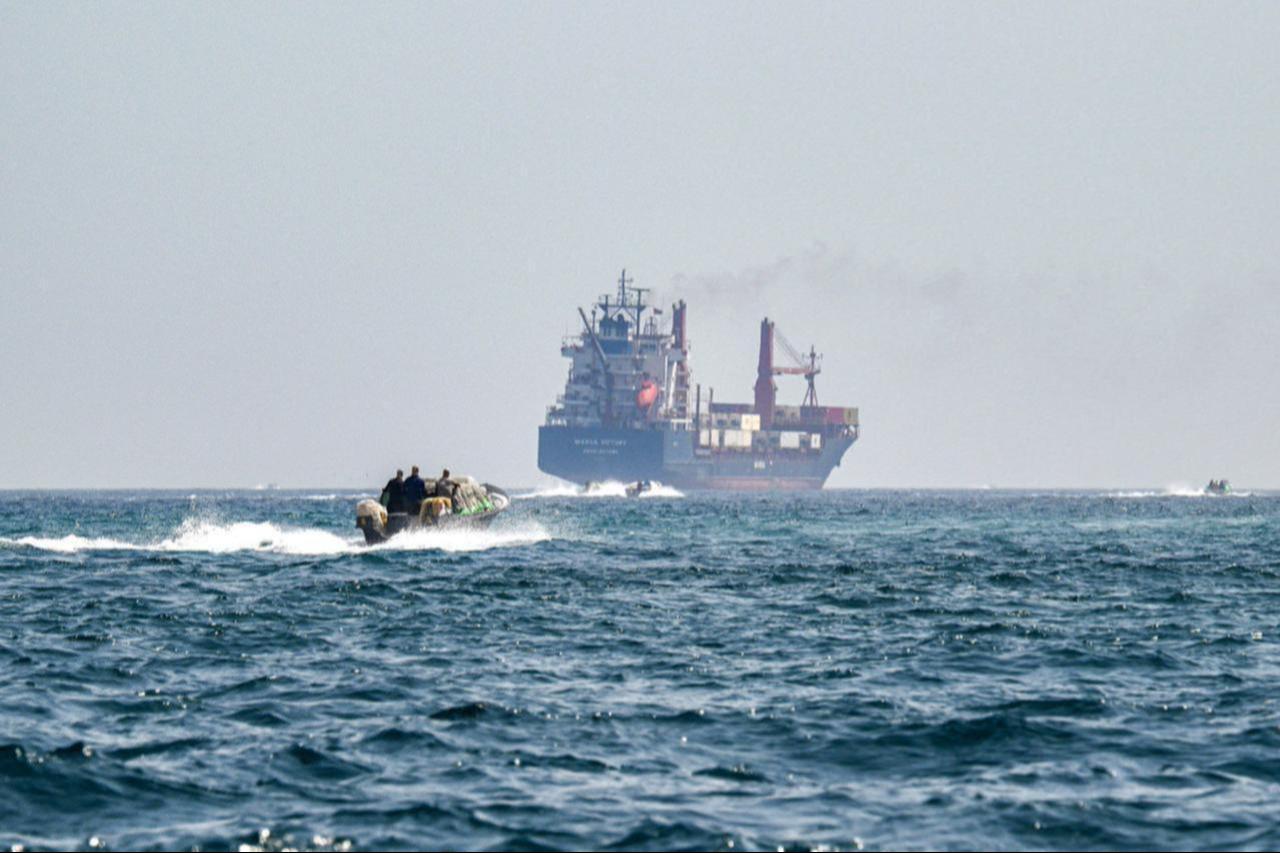
Diplomats from more than 40 countries have ruled out the use of military force to reopen the Strait of Hormuz amid the ongoing Middle East war, opting instead for diplomatic pressure on Iran, Norway’s foreign minister said.
Speaking after a virtual briefing with international diplomats on the economic consequences of the strait’s closure, Norway’s Foreign Minister Espen Barth Eide said there was broad agreement on avoiding military intervention while the conflict continues.
“We have to be realistic about what can be achieved militarily while the war is going on,” Eide said, adding that the coalition of countries would “act diplomatically to put pressure on Iran,” according to remarks made to CNN.
The Strait of Hormuz, a key global trade route, has been at the center of tensions following disruptions linked to the war triggered by U.S.-Israeli strikes on Iran, raising concerns over global energy supplies and economic stability.
Eide’s remarks reflect a wider international stance prioritizing negotiations rather than force to address the crisis. The position aligns with comments made by French President Emmanuel Macron, who has also described military efforts to reopen the strait as “unrealistic” and supported diplomatic engagement with Iran.
The discussions involving dozens of diplomats focused on the broader economic fallout of the disruption, as countries weigh options to secure energy flows without escalating the conflict further.

Eide also addressed comments by U.S. President Donald Trump, who has criticized allied nations for not joining the war effort and urged them to take action in the Strait of Hormuz, while also expressing interest in withdrawing the U.S. from NATO.
Highlighting the distinction between NATO commitments and the current conflict, Eide said that actions taken by a member state independently do not obligate the alliance to participate.
“When a member starts a war somewhere else of their own choice, this is not something that obliges NATO to participate,” he said.
He contrasted the situation with NATO’s collective response following the Sept. 11 attacks, emphasizing that unity applies when a member is directly attacked.
“When the U.S. was attacked in 9/11, we all stood up for the U.S. together because one of our members and there was no doubt that we would stand together,” Eide added.
The diplomatic push comes as countries continue to assess the risks of further escalation in the region while seeking ways to stabilize global trade and energy markets.


 Set as preferred source
 Set as preferred source


 1 min read
 1 min read