Newsletters


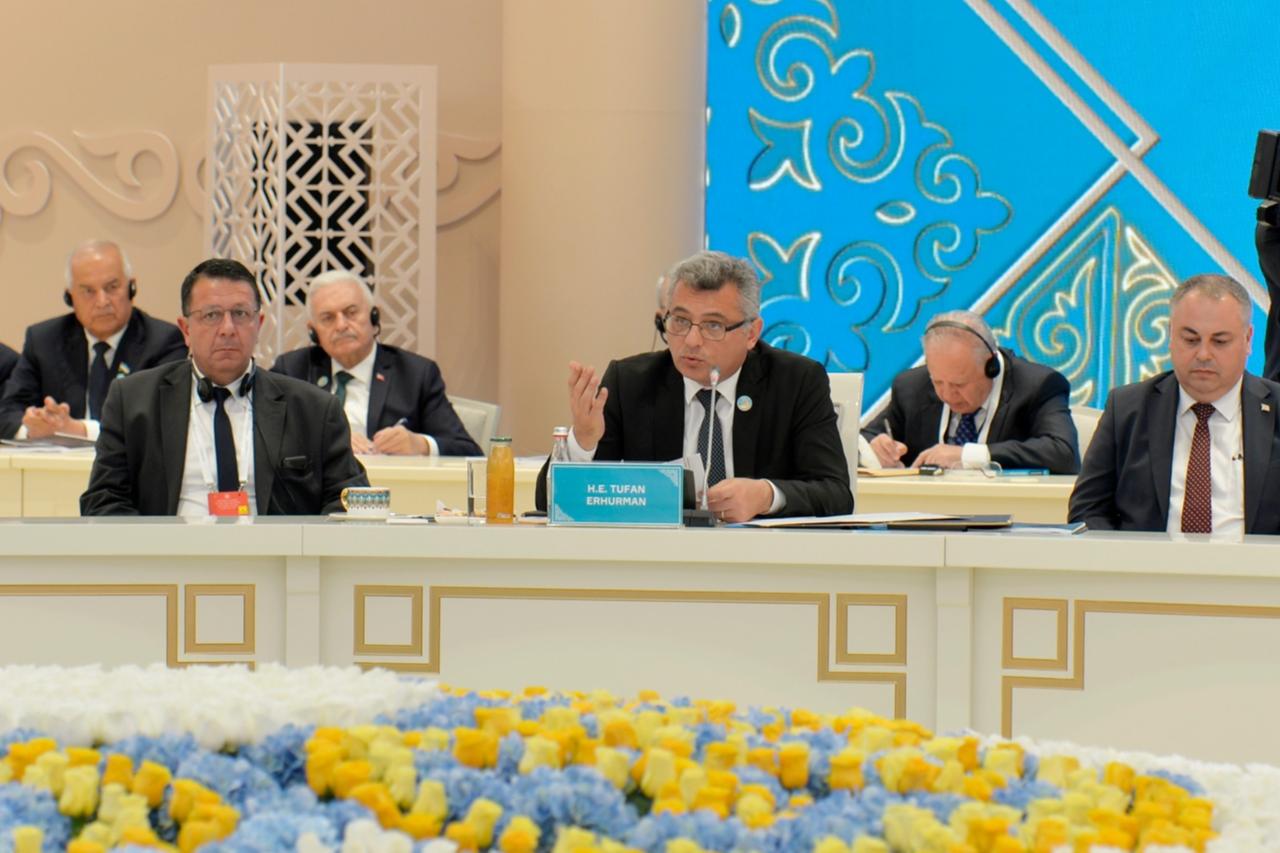


President of the Turkish Republic of Northern Cyprus (TRNC) Tufan Erhurman said Friday that long-standing restrictions imposed on Turkish Cypriots in many areas violate human rights.
He added that continued isolation of the community is unacceptable despite its efforts toward a negotiated settlement.
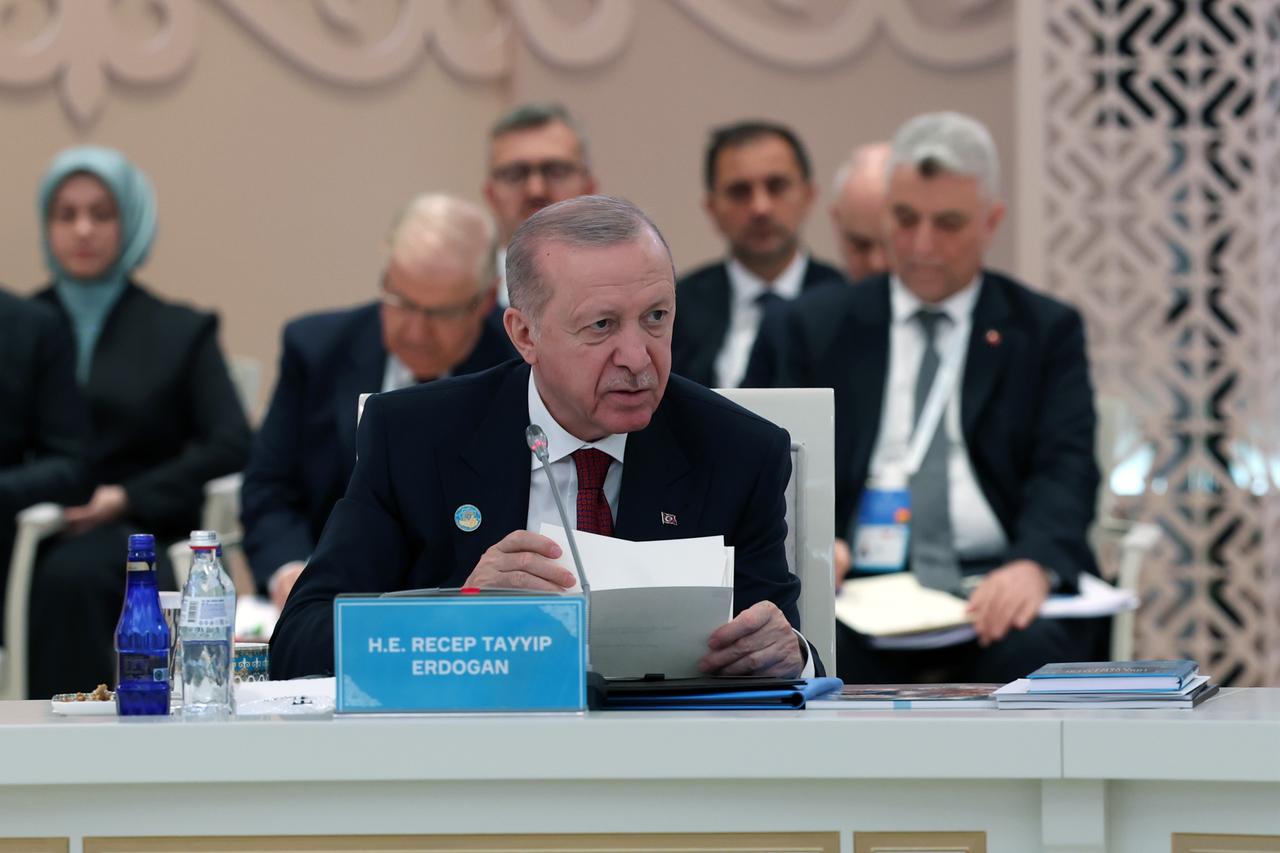
Erhurman made the remarks during the Informal Summit of the Council of Heads of State of the Organization of Turkic States (OTS) held in Turkistan, Kazakhstan.
In his speech, Erhurman thanked Kazakhstan and President Kassym-Jomart Tokayev for hosting the summit and said he was pleased to meet with leaders of the Turkic world in Turkistan, which he described as the spiritual capital of Turkic civilization.
He said the solidarity shown within the Organization of Turkic States represented more than diplomatic support.
“The unity within the Organization of Turkic States is not only diplomatic support but also a strong message of solidarity showing that the Turkish Cypriot people are not alone,” Erhurman said.
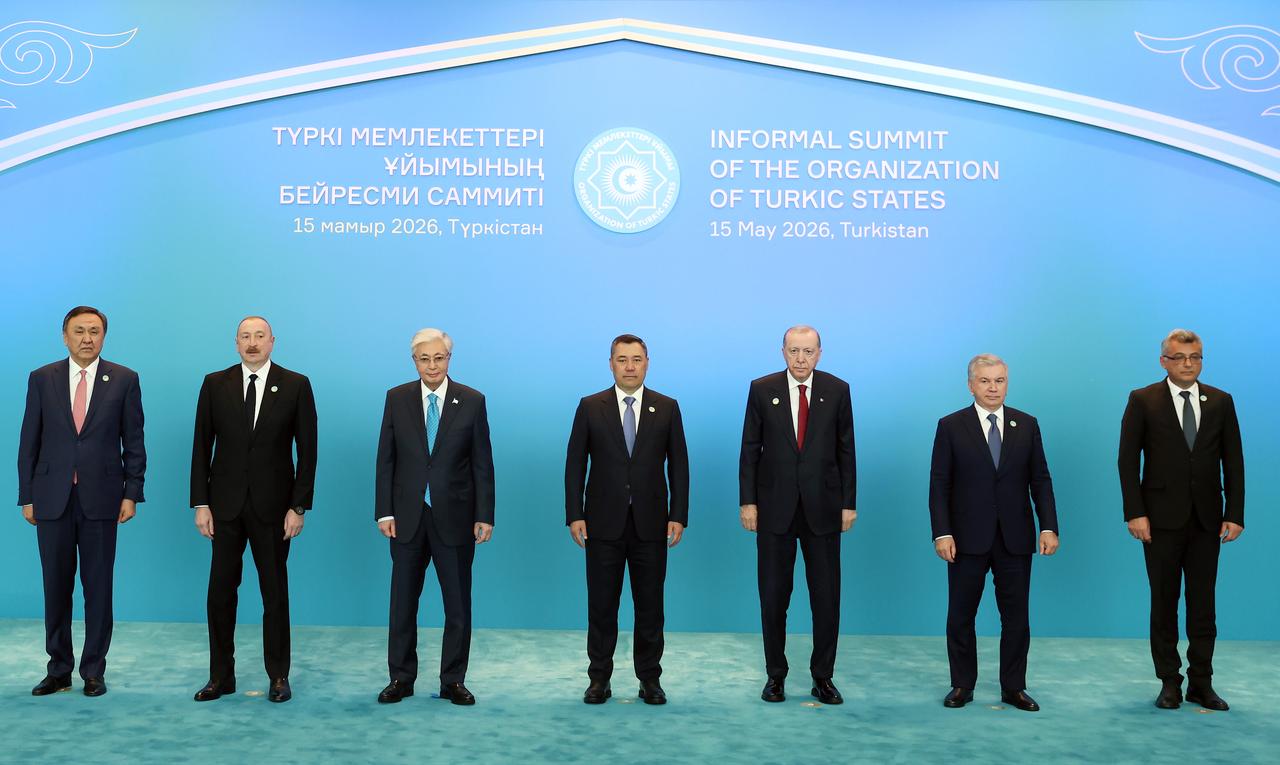

Referring to the teachings of Khoja Ahmed Yasawi, Erhurman said: “Where there is unity, there is prosperity.”
He also stressed the importance of the summit’s theme, focusing on artificial intelligence and digital development, saying stronger cooperation among Turkic states could help shape a common future.
Erhurman said the TRNC’s young population, higher education capacity and strategic location give it the potential to become an important hub connecting Turkic states with the Eastern Mediterranean.
 1 min read
He argued that restrictions imposed on Turkish Cypriots in areas including science, sports, culture, trade, transportation and international relations amount to a broader denial of basic rights.
“Despite all the constructive efforts and sincere will for a solution demonstrated by the Turkish Cypriot side, it is unacceptable that it is still subjected to isolation,” Erhurman said.
He also stated that Turkish Cypriots have consistently demonstrated commitment to universal principles such as democracy, human rights and the rule of law while supporting efforts aimed at reaching a fair and lasting settlement on the island.
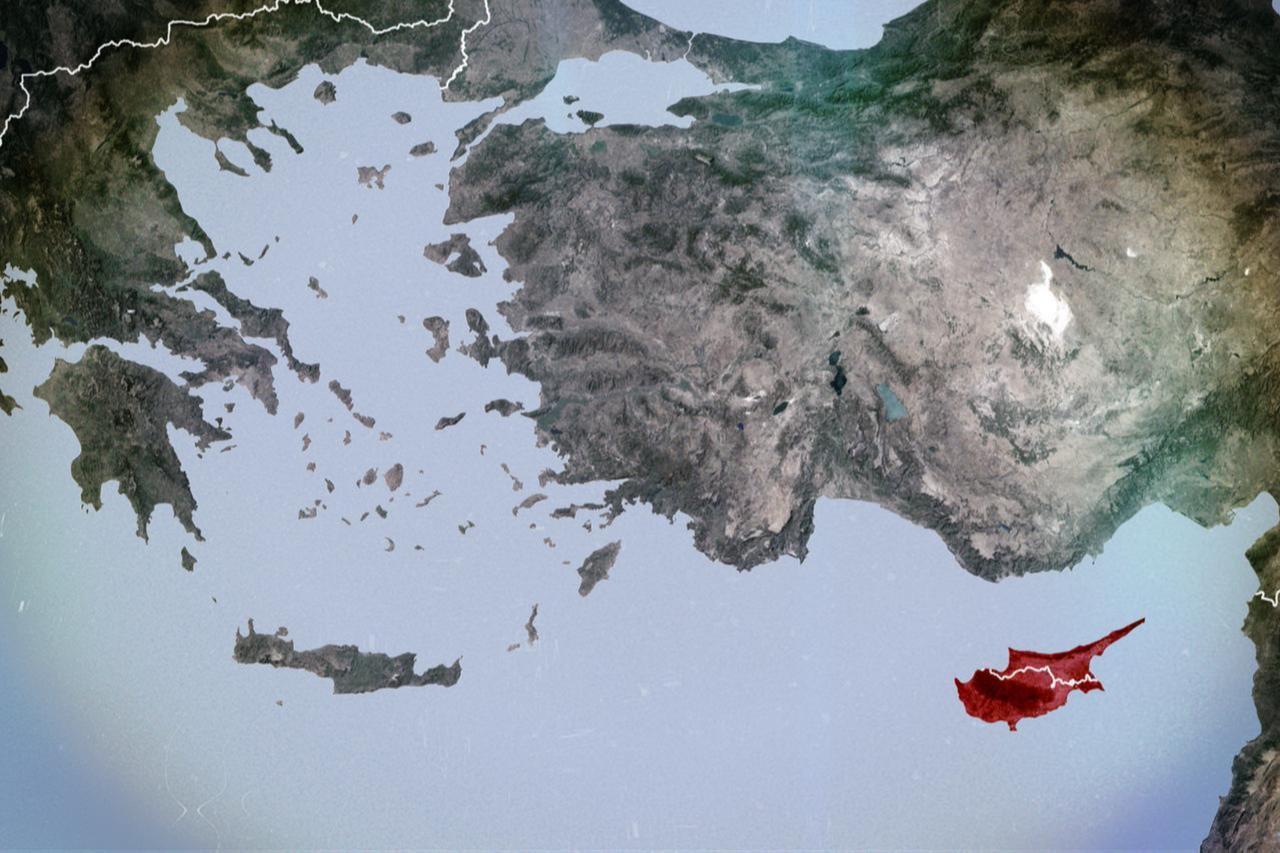
Cyprus has been mired in a decadeslong dispute between Greek Cypriots and Turkish Cypriots, despite a series of diplomatic efforts by the U.N. to achieve a comprehensive settlement.
Ethnic attacks starting in the early 1960s forced Turkish Cypriots to withdraw into enclaves for their safety.
In 1974, a Greek Cypriot coup aimed at Greece’s annexation of the island led to Türkiye’s military intervention as a guarantor power to protect Turkish Cypriots from persecution and violence. As a result, the TRNC was founded in 1983.
It has seen an on-and-off peace process in recent years, including a failed 2017 initiative in Switzerland under the auspices of guarantor countries Türkiye, Greece and the UK.
The Greek Cypriot Administration entered the EU in 2004, the same year that Greek Cypriots single-handedly blocked a UN plan to end the longstanding dispute.
Cyprus has remained divided for decades between Greek Cypriots and Turkish Cypriots despite multiple United Nations-led efforts aimed at reaching a comprehensive settlement.
Intercommunal violence in the early 1960s forced many Turkish Cypriots into enclaves for security reasons.
In 1974, a Greek Cypriot coup backed by the military junta in Greece and aimed at annexing the island triggered Türkiye’s military intervention as a guarantor power.
The TRNC was founded in 1983.
Peace efforts have continued intermittently in recent years, including a failed round of negotiations in Switzerland in 2017 involving guarantor powers Türkiye, Greece and the United Kingdom.
The Greek Cypriot Administration entered the European Union in 2004, the same year Greek Cypriots rejected a U.N.-backed reunification plan in a referendum.


 Set as preferred source
 Set as preferred source



 1 min read