Newsletters


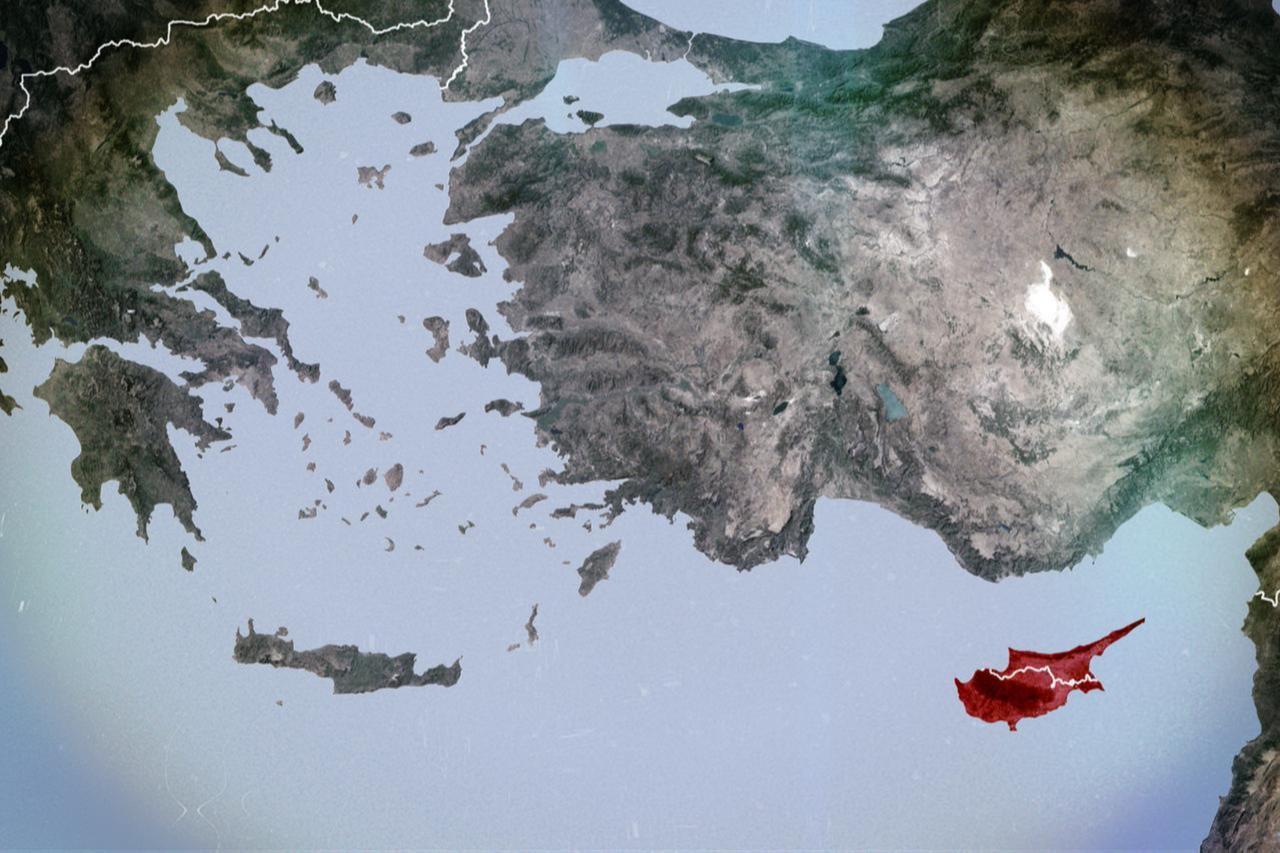


Growing property acquisitions by Israelis in Greek Cyprus have fueled discussions across both Turkish and Greek Cypriot media.
The debate started when a Greek Cypriot lawmaker raised concerns over foreign land purchases. Tensions escalated as competing narratives emerged surrounding the redevelopment of an abandoned village in Greek Cyprus.
The discussion intensified after an independent Greek Cypriot member of the European Parliament (MEP), Fidias Panayiotou, warned that increasing Israeli investment and land purchases risked reshaping the island’s social and economic character.
Panayiotou argued that the Greek Cypriot administration had become increasingly reliant on Israeli capital, particularly in real estate and land development, while raising concerns about what he described as concentrated property acquisitions creating “closed residential circles in specific areas.”
At the same time, Turkish media reports framed recent developments in stronger geopolitical terms, while Greek Cypriot outlets pushed back against allegations of a broader Israeli strategy, presenting the investment as a local redevelopment project.

Panayiotou, speaking on social media platform X, said Israeli investors had become some of the most prominent foreign buyers in Cyprus in recent years, especially in land and real estate.
While noting that foreign ownership itself was not necessarily problematic, he argued that limited transparency, weak oversight, and economic dependence on foreign investment could create vulnerabilities if large-scale acquisitions remain unchecked.
The lawmaker also referred to investments originating from countries including Russia, Ukraine, China, the United States, and the United Kingdom, saying authorities should strengthen transparency mechanisms surrounding land purchases and introduce safeguards to ensure compliance with local laws.
He additionally claimed that Israeli communities in Greek Cyprus were increasingly building separate infrastructure, including schools mainly attended by Israelis, while calling on officials to support the local economy to reduce reliance on foreign capital.
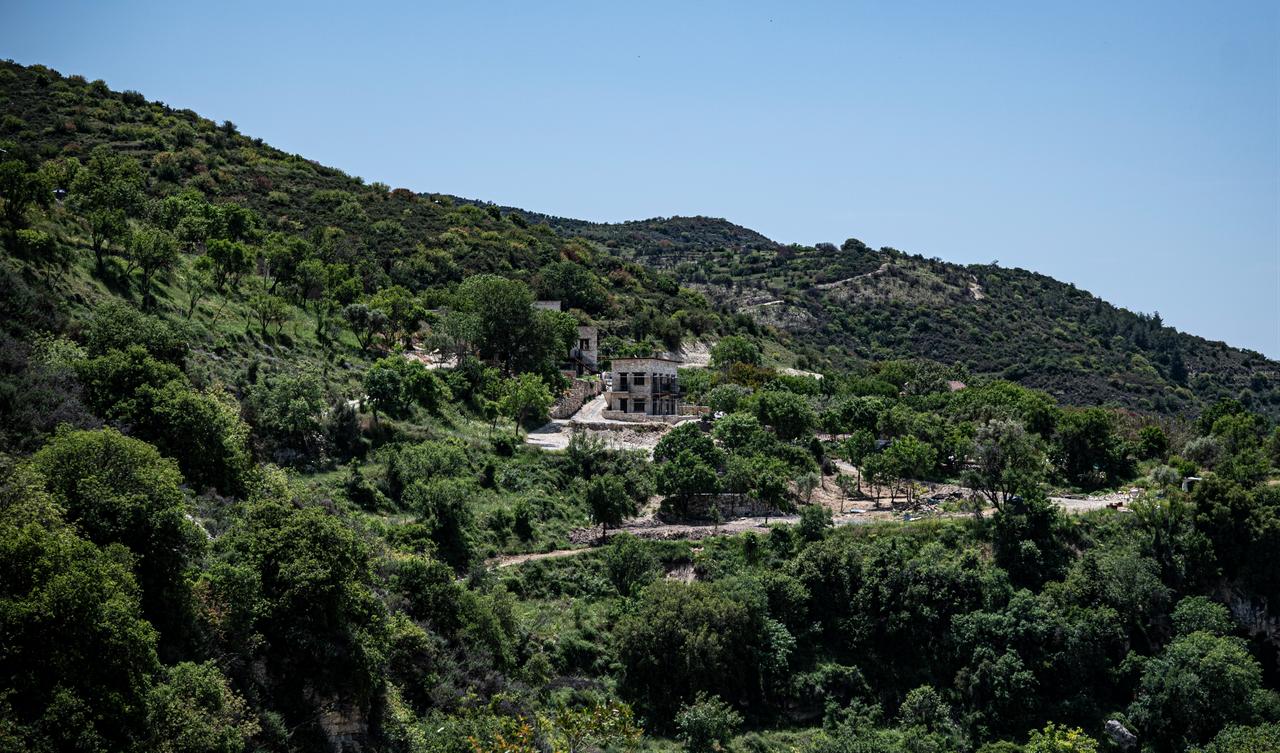
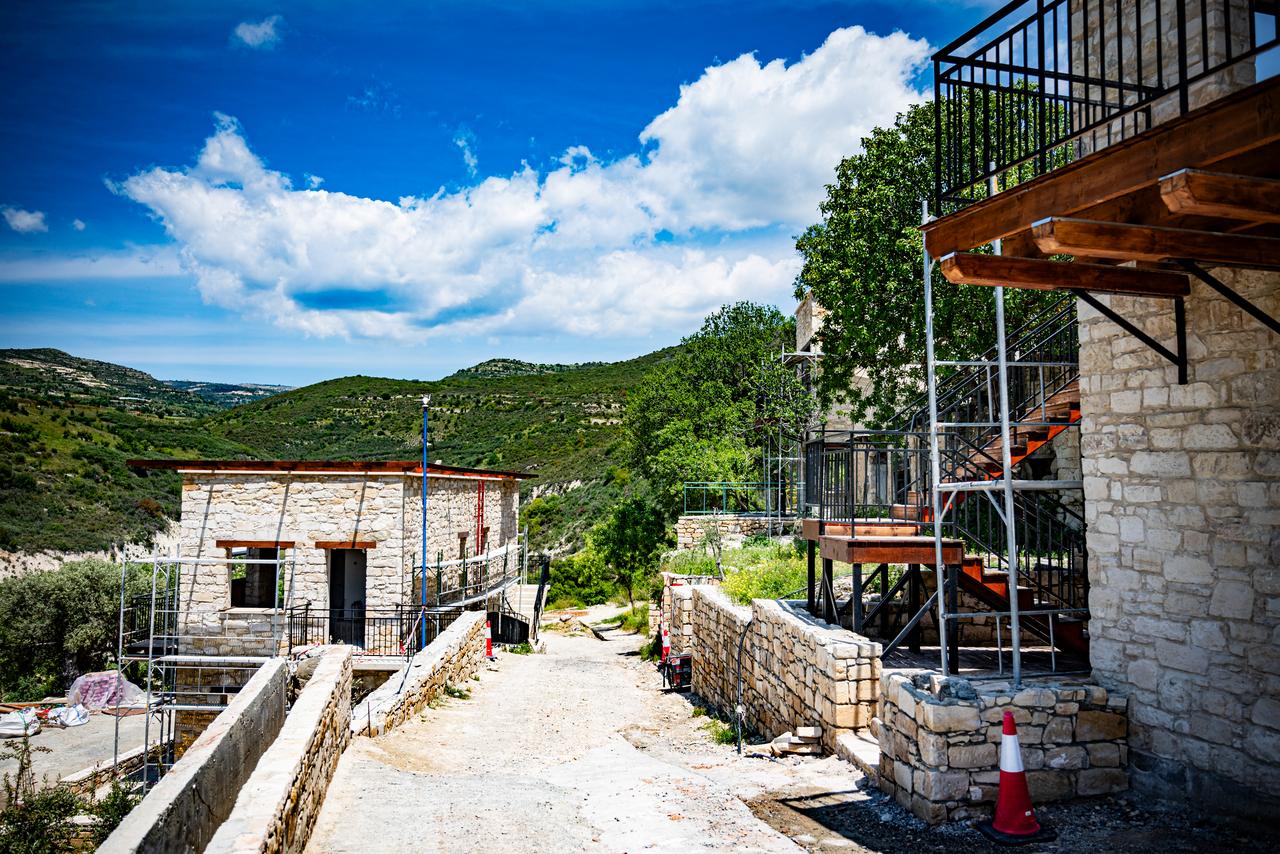
The debate around Israeli investment gained momentum after reports emerged regarding the abandoned village of Trozena, located between Limassol and Paphos in Greek Cyprus.
Turkish newspaper Yeni Safak claimed that Israeli investors had accelerated what it described as a wider effort to turn the Greek part of Cyprus into a “satellite state” in the eastern Mediterranean. Citing local reports, the outlet said Israeli investors had acquired large portions of the village and surrounding lands, while allegations surfaced regarding restrictions on access to some areas.
Greek Cypriot media later challenged those claims, with Politis newspaper terming broader allegations about an Israeli geopolitical agenda “nonsense” and portraying the project primarily as an effort to revive an abandoned settlement.
According to Politis, Hungarian-Israeli businessman and retired entrepreneur Uriel Kertesz purchased around 70% of abandoned homes in Trozena, alongside large tracts of surrounding land, with plans to rebuild the village under a project referred to as “New Trozena.”
The proposed development reportedly includes short-term accommodation units, a glamping site, and a winery, while restaurants and cafes are also expected to open as part of the project.
Kertesz reportedly dismissed claims linking the investment to broader geopolitical ambitions, saying Cyprus had never formed part of any “greater Israel” concept and emphasizing that he intended to create a quiet retreat where people could “leave the noise behind.”
He also said nationality would not determine who could stay there, adding that residents would only be expected to respect the area and the environment.
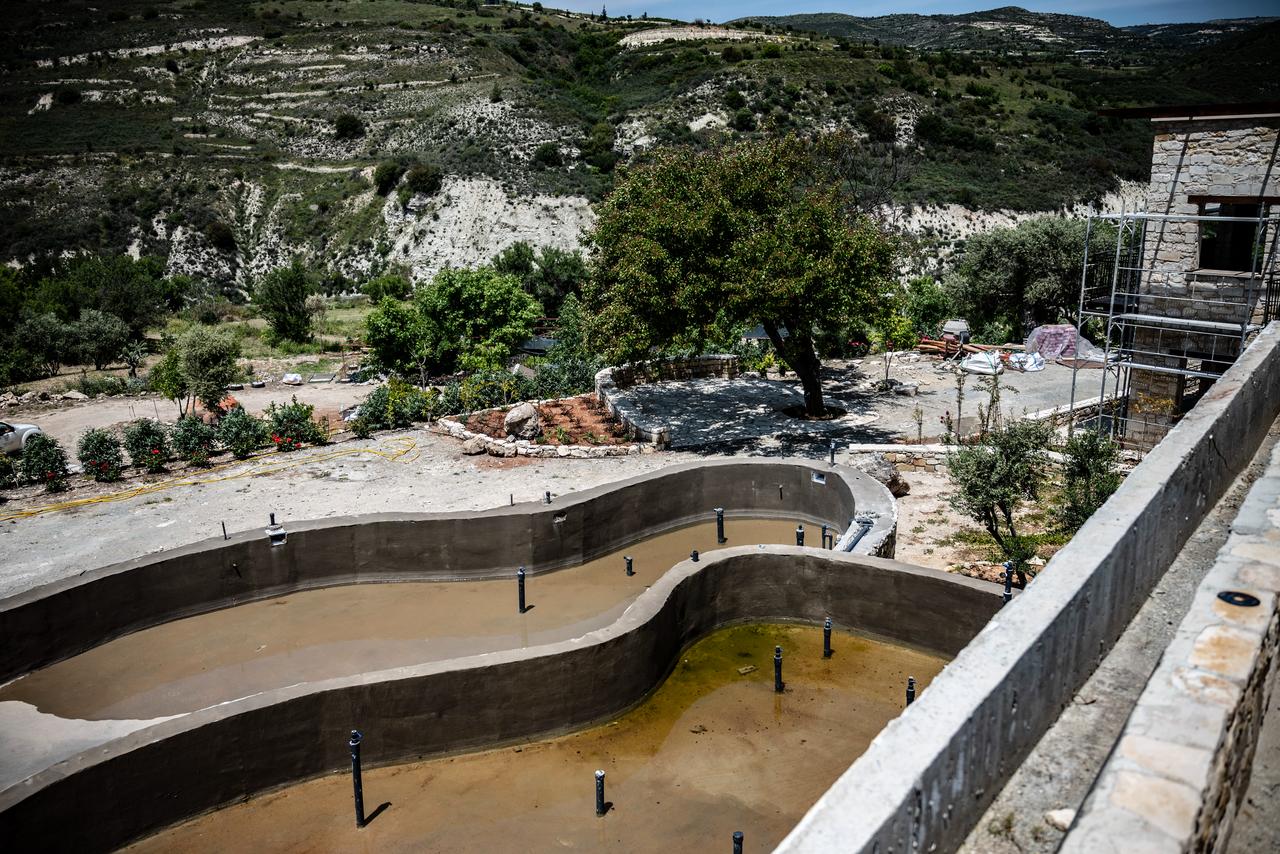
According to Politis, several residents in nearby communities expressed support for the investment, saying the abandoned settlement had long been neglected and that redevelopment could help bring jobs and economic activity back to the region.
Some former landowners reportedly said they agreed to sell because the village lacked electricity and water infrastructure, while the investor had offered prices above estimated property values.
At the same time, environmental concerns have also started to surface. Politis reported that key permits for construction and environmental impact assessments had not yet been fully issued, although approvals for land clearing and maintenance work may have been granted.
Amid growing public debate, Israel’s ambassador to Cyprus, Oren Anolik, described the rhetoric surrounding Israeli investment as “divisive language” and called on political leaders and the public to reject it.
In a written statement cited by Nomisma News, he said statements portraying Israeli investments and presence in Cyprus in a negative or threatening way were concerning, arguing that terms such as “takeover” or “unchecked influence” risked fueling prejudice.


 Set as preferred source
 Set as preferred source


 1 min read
 1 min read