Newsletters


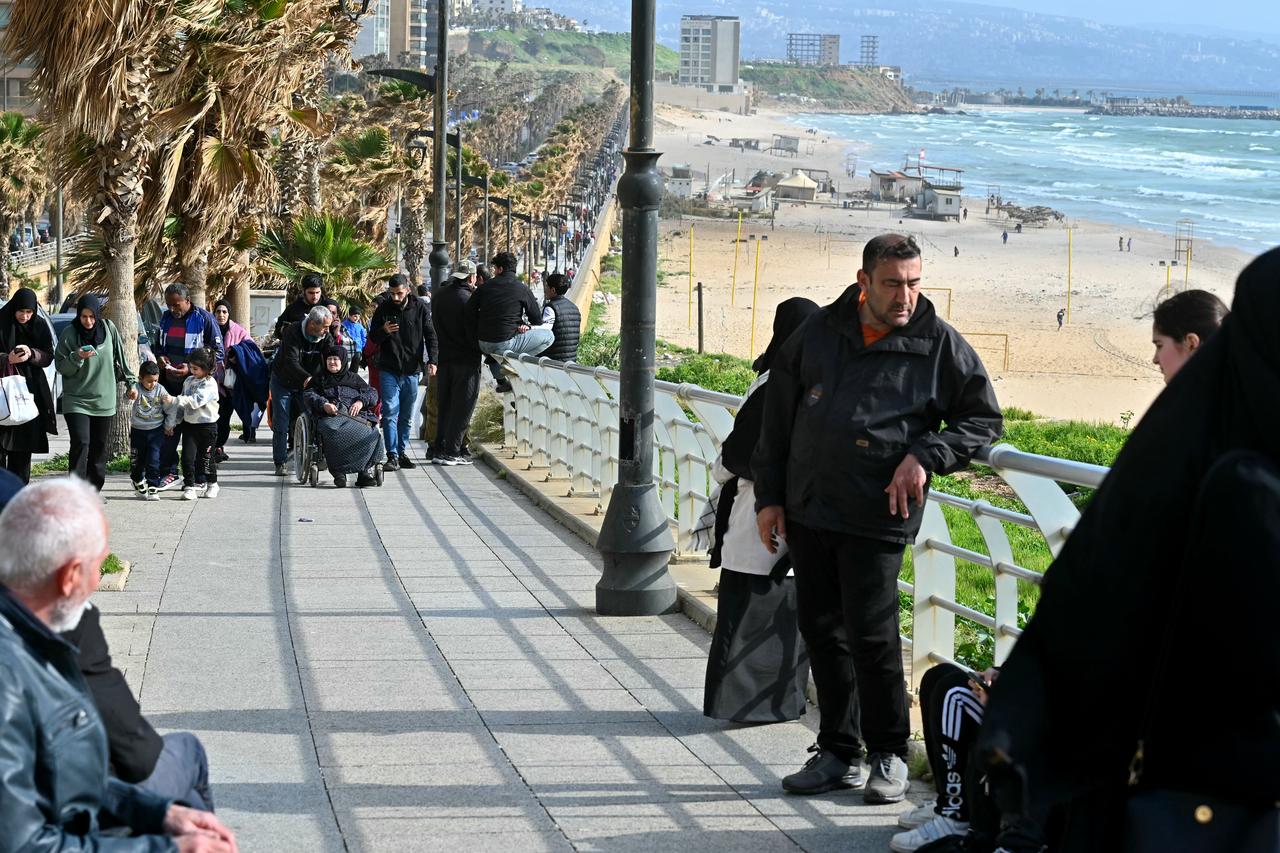


In Beirut, the quiet moments don't really exist anymore; there’s always the hum of a drone in the background. Friends still hang out on their rooftops, drinking tea and playing music, but the vibe has shifted. They find themselves pausing mid-conversation to track flashes on the horizon.
Since the escalation of violence on March 2 following the Iran war, life in Beirut has undergone an unsettling transformation, different than the ones that came before.
Areas traditionally considered "safe zones" have lost that status as Israel now strikes Beirut's streets and neighborhoods that were previously untouched.
For Shady, a business owner running car rentals and deliveries, the city used to be a grid of calculated risks.
One of his offices is located near Khaldeh, close to the southern suburb and the airport—areas he once navigated daily without hesitation. He recalls feeling secure driving along the highway. That illusion was shattered when the same road was bombed on a day he had narrowly avoided being there.
Despite the chaos, heavy traffic, and overcrowded streets, he insists that many Lebanese people still attempt to preserve fragments of normal life. He continues going to restaurants, even when bombings occur just streets away on the same night.
At home, the war becomes even more personal.
As a father, he feels compelled to lie to his children, reframing explosions as harmless sounds like "thunder" to shield them from fear. Yet, these reassurances feel hollow, as he himself knows the reality. Perhaps most alarming is his observation that traditionally “safe” areas—such as the Corniche, Manara, Ramlet el-Bayda, Tallet el-Khayat, Zuqaq el-Balat, and Shoueifat—are no longer off-limits.
His business reflects the broader economic breakdown. With tourism gone, operations have shifted from growth to mere survival. Decisions are no longer routine; every task requires a risk assessment. He constantly checks on his employees’ safety, ensuring they arrive alive at their destinations. Even acts of aid feel insufficient: “You feed a thousand people,” he says, “and there are still countless others waiting.”

While Shady enters a state of "emotional numbness" to keep his business alive, 21-year-old Kareem is witnessing the human fallout of this erased geography.
Having already lived through three wars, Kareem knows the familiar rhythm of survival. His daily routine has shifted from ordinary youth activities to humanitarian work—clearing rubble, distributing aid and helping the displaced.
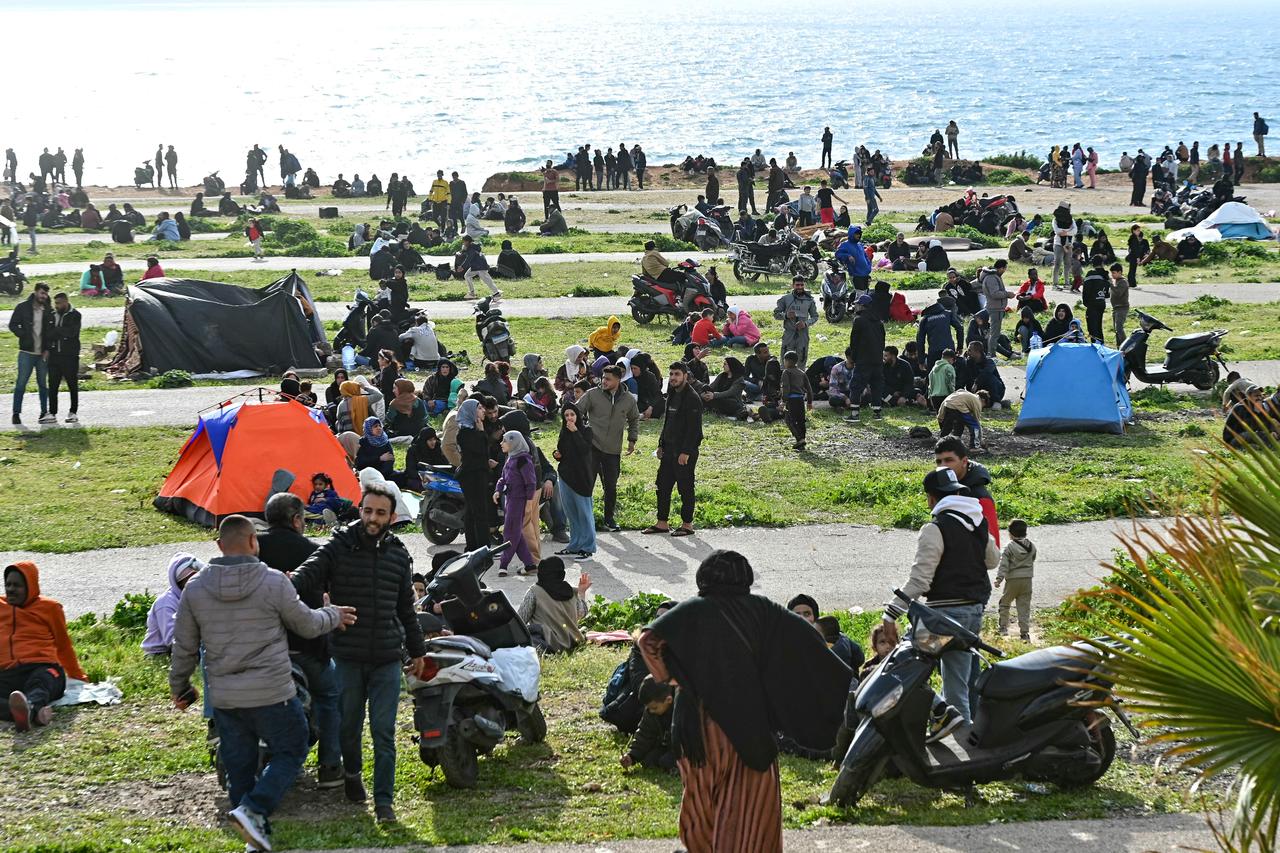
Schools have been converted into shelters, yet conditions remain dire. Overcrowding, lack of resources, and even sectarian tensions have emerged, with reports of discrimination in housing. Meanwhile, rents have skyrocketed—surging from $500 to as high as $3,000 or more, often requiring four to five months of deposit—forcing many families into tents in public squares or along the beach.
Kareem emphasizes a critical shift: there are no longer any safe places in Beirut. He describes a psychological warfare dimension: evacuation warnings that sometimes precede no strike, spreading panic and instability.
“At least in Gaza, you can anticipate where danger is. Here, you cannot anymore,” he says. Daily life is marked by constant anxiety. A single explosion raises immediate fears about his mother out grocery shopping or his father at the office.
Despite everything, moments of fragile normalcy persist. After long days of volunteering, Kareem joins friends on rooftops, drinking tea, playing oud, and watching the sky—counting drones, rockets, and flashes of light. These moments, however, are overshadowed by a shared realization: they are simply not prepared for a war of this scale.
Miles away, Ram, currently living in Istanbul, experiences the war through a television screen. Her family's home in Beirut remains under threat after the family already lost a house the previous year. The repeated cycle of loss has made displacement feel almost normal.
From afar, she struggles with a deep sense of guilt and helplessness. While physically safe, she is emotionally tethered to a city in crisis. She speaks of watching bombings unfold on screen, describing it as witnessing death in real-time—knowing that the victims are her own people.
Economic conditions have worsened drastically. Rents have reached up to $5,000, while job opportunities for displaced individuals are nearly nonexistent. Yet, amid the devastation, a recurring sentiment emerges: people emphasize that material losses are secondary to dignity and survival. “All we lost are stones,” they say, “at least we still have our honor.”
Like Kareem, she fears not only external violence but also the potential for internal conflict. Even children have adapted in disturbing ways; her young cousins casually warn her about incoming sounds of explosions, reflecting how normalized fear has become.
Beirut is no longer a city divided into safe and unsafe zones. By striking streets and residential areas that were previously untouched, the conflict has erased the geographical boundaries of security.
From fathers forced to lie to protect their children, to young adults abandoning their futures to aid others, to those abroad grappling with guilt—the impact is total.
What remains, however, is a persistent human instinct to endure.
Whether through shared meals, rooftop gatherings, or continued acts of solidarity, Beirut’s people are still trying to live. But beneath that resilience lies an undeniable truth: a city once defined by life has become a place where survival is uncertain, and nowhere feels safe anymore.


 Set as preferred source
 Set as preferred source


 3 min read