Newsletters


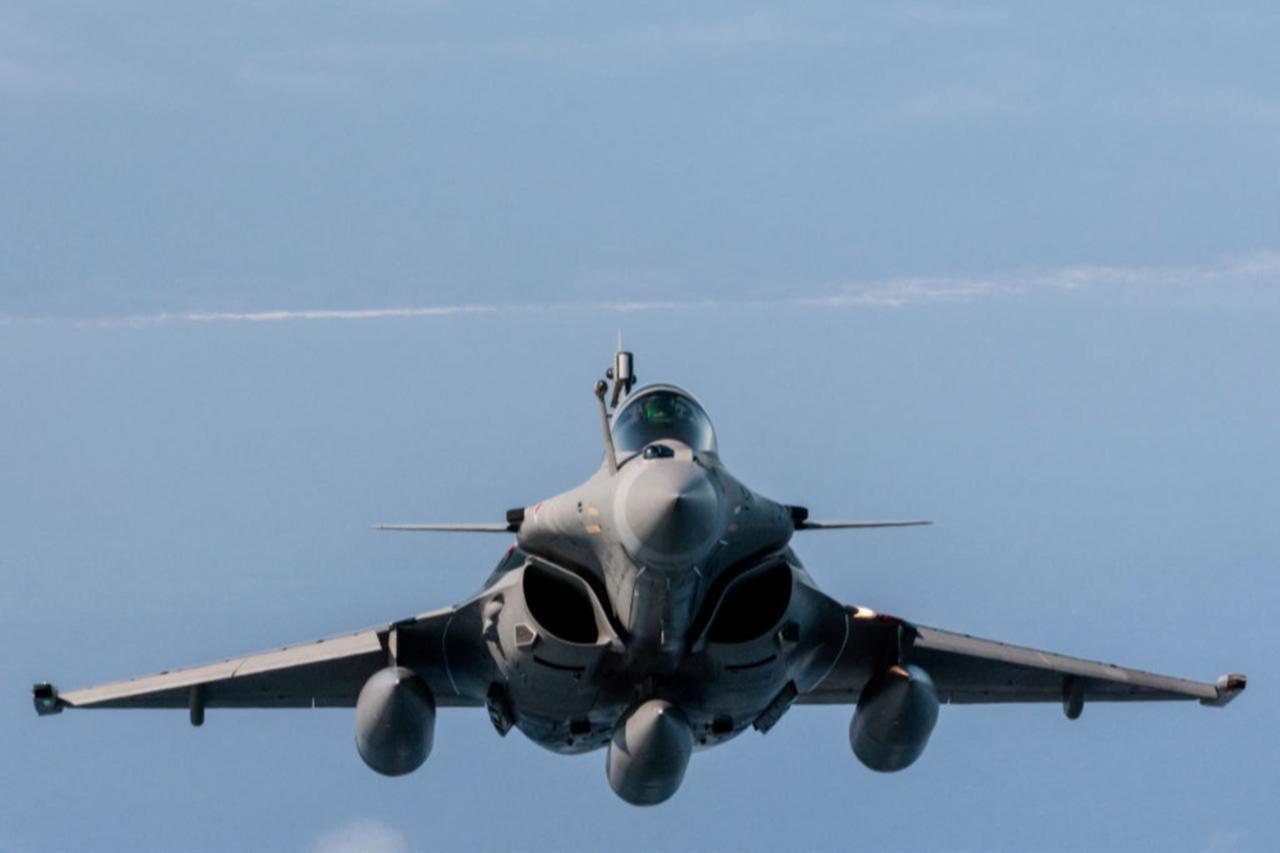


A Croatian Air Force Rafale fighter jet intercepted a Maltese-registered passenger aircraft over central Croatia on Tuesday after NATO air command designated the plane a potential threat, Croatia Week reported, citing the Croatian Defense Ministry.
The Boeing aircraft was flying from Greece to Germany when the interception was ordered. Information from Italy’s Command Reporting Centre indicated the plane was transmitting transponder code 7500, the signal that denotes an aircraft hijacking.
NATO’s Combined Air Operations Centre in Torrejon, Spain, issued the order for the Croatian jet to intercept the aircraft. The Rafale reached the plane at 11.02 am above Korenica, a town in central Croatia.
The pilot reportedly established radio contact with the aircraft before escorting it out of Croatian airspace. The passenger plane entered Slovenian airspace at 11.20 am, 18 minutes after the interception.
Transponders are devices that broadcast an aircraft’s identity and status to air traffic control. Pilots use four-digit codes to signal specific situations, and 7500 is the internationally recognized code for unlawful interference, or hijacking. The reports provided do not say what prompted the signal on this flight or whether any threat was confirmed.
The Combined Air Operations Centre in Torrejon is one of two NATO centers that oversee air policing across European airspace. Air policing missions keep fighter aircraft on standby to identify and, when necessary, intercept aircraft that stop responding to air traffic control or send distress signals.
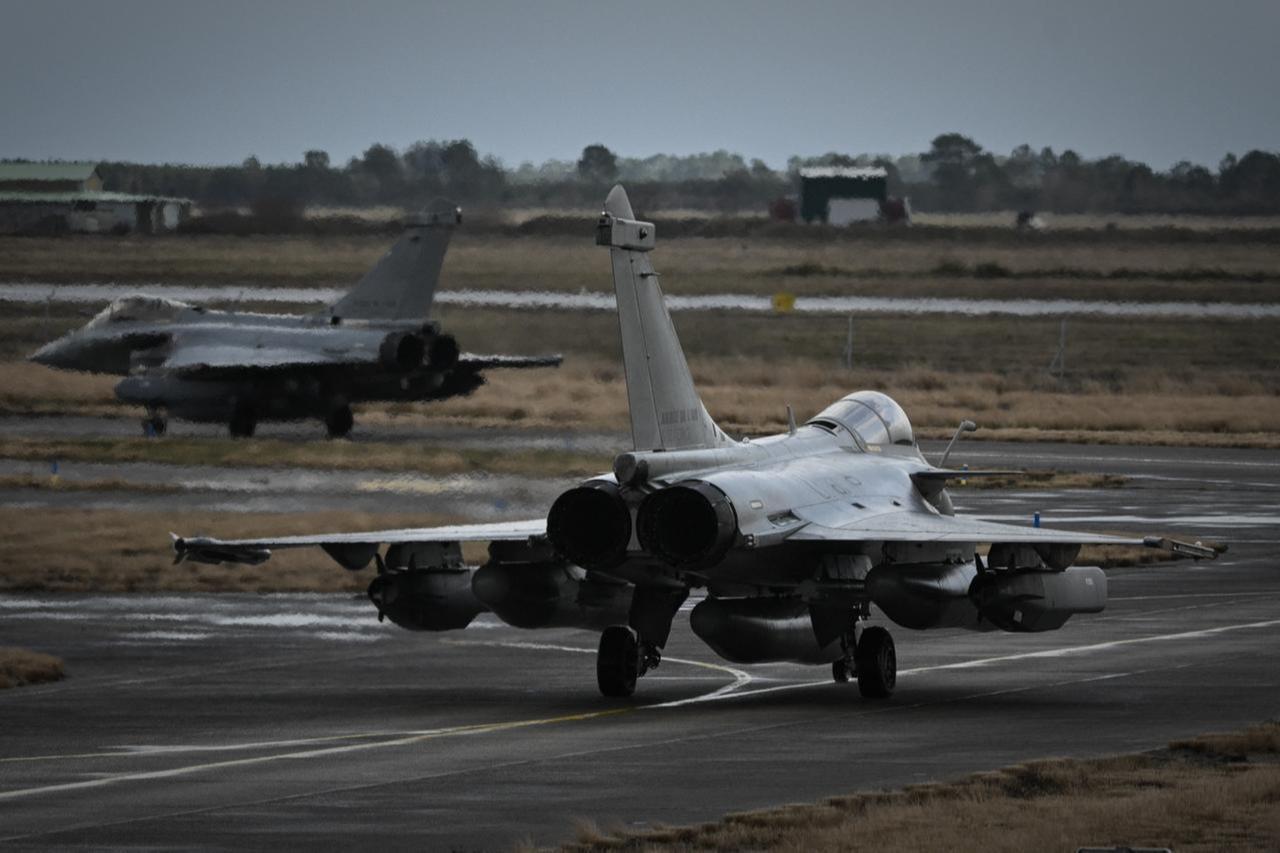
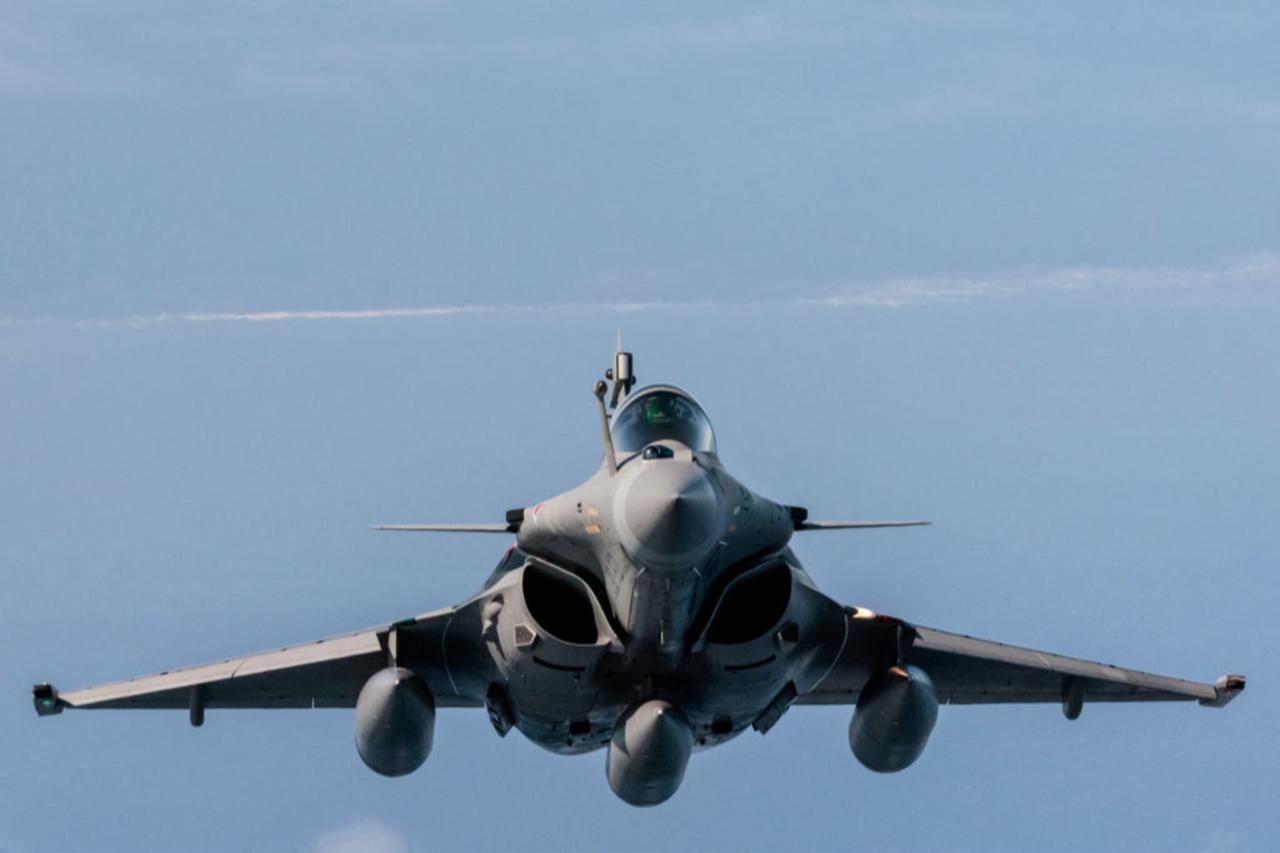
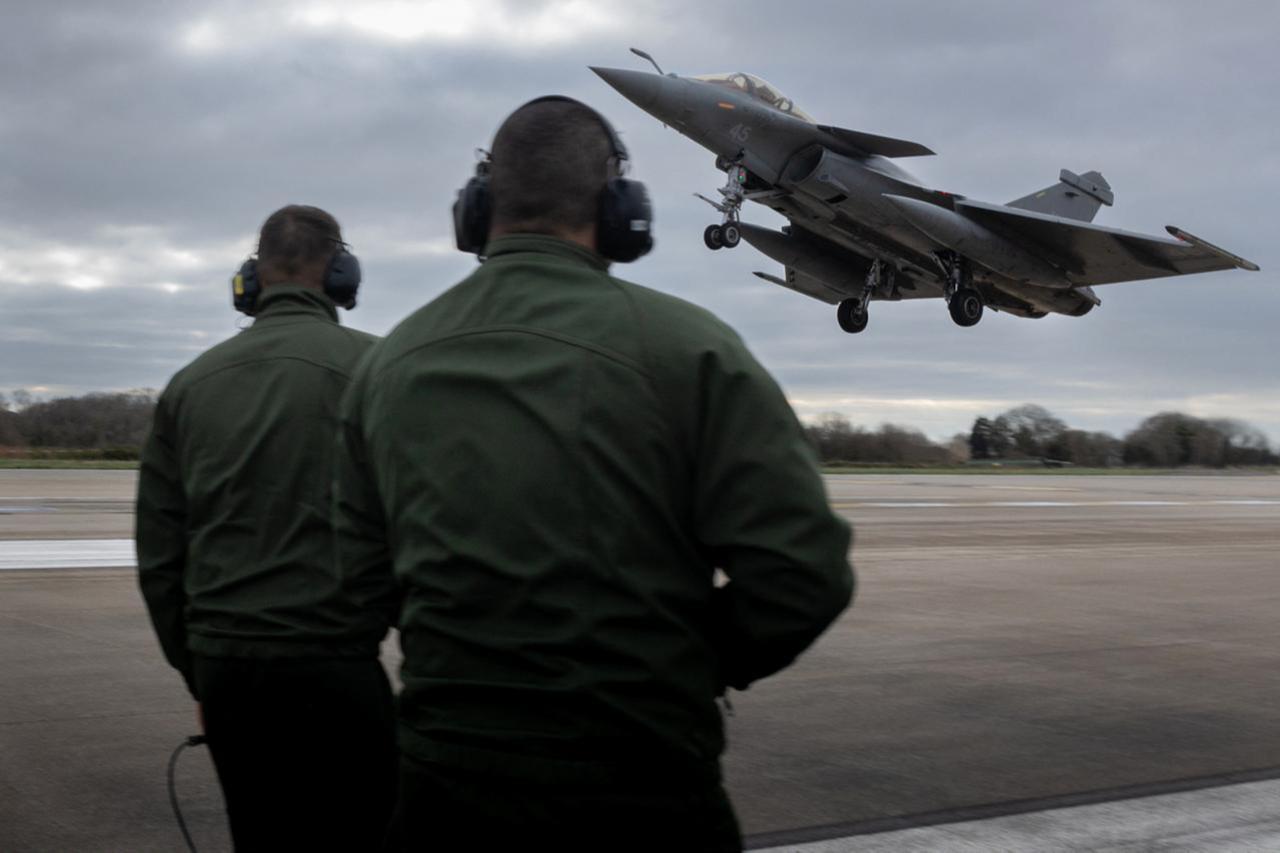
Croatia has carried out air policing with Rafale fighter jets since Jan. 1, as part of NATO’s Integrated Air and Missile Defense System. The Rafale is a multirole fighter built by the French company Dassault Aviation.
The information available does not specify the airline, the number of people aboard, or the aircraft’s final destination.


 Set as preferred source
 Set as preferred source


 1 min read
 1 min read