Newsletters


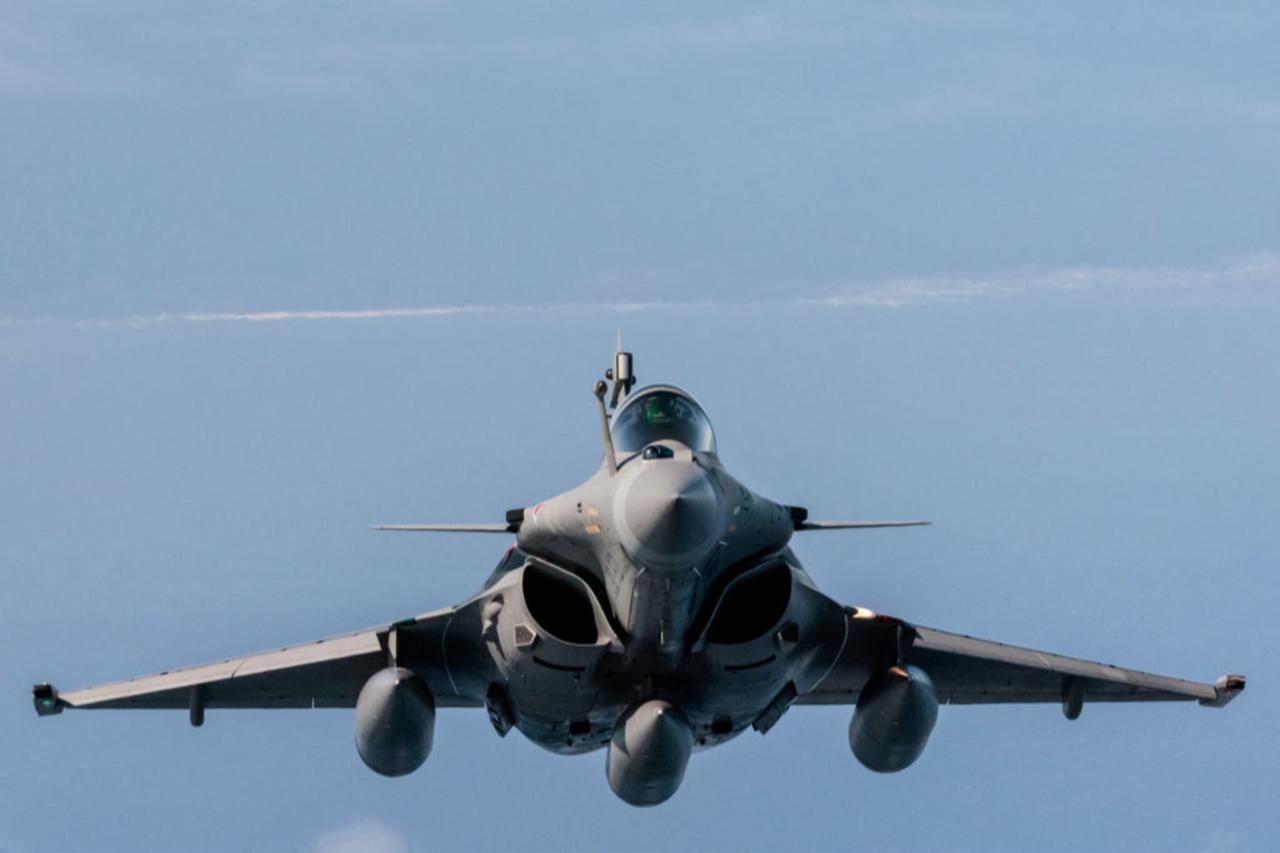


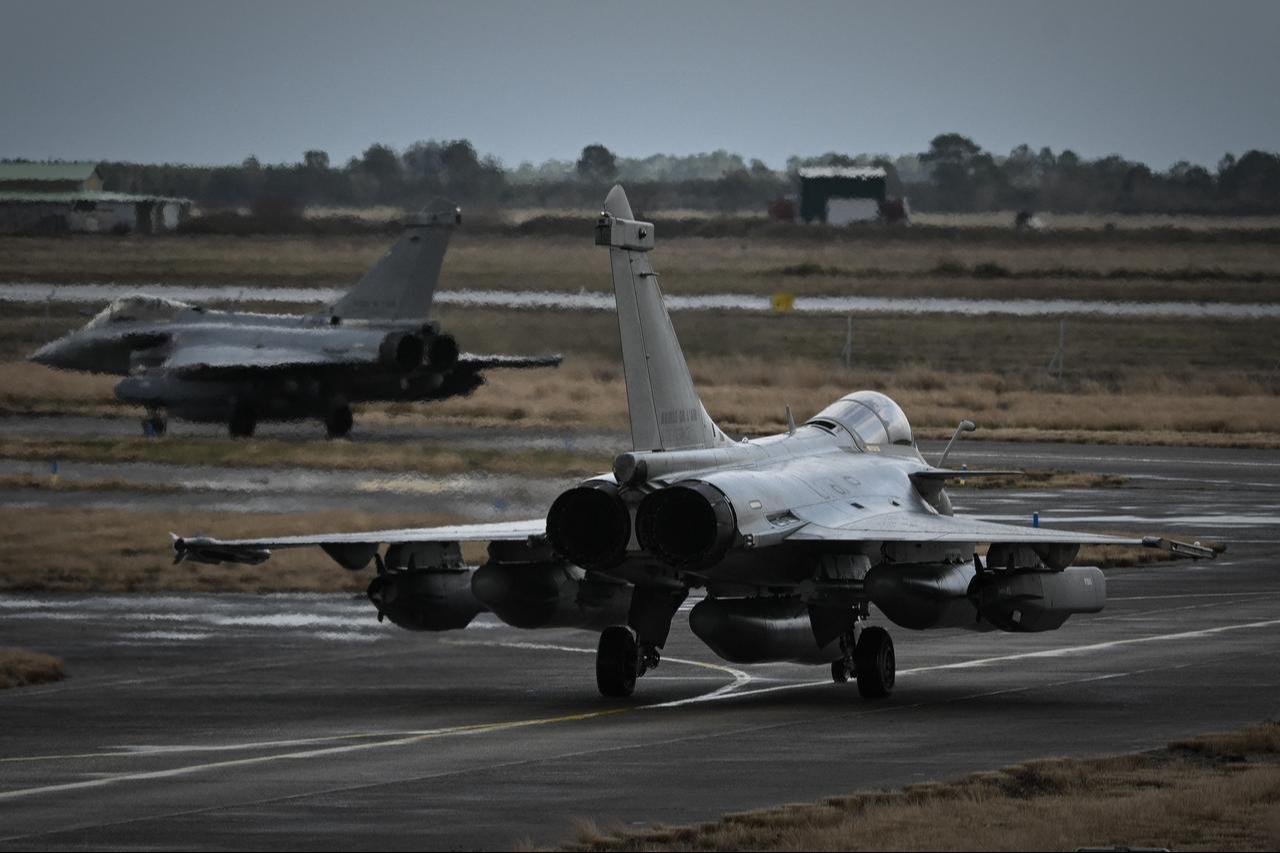
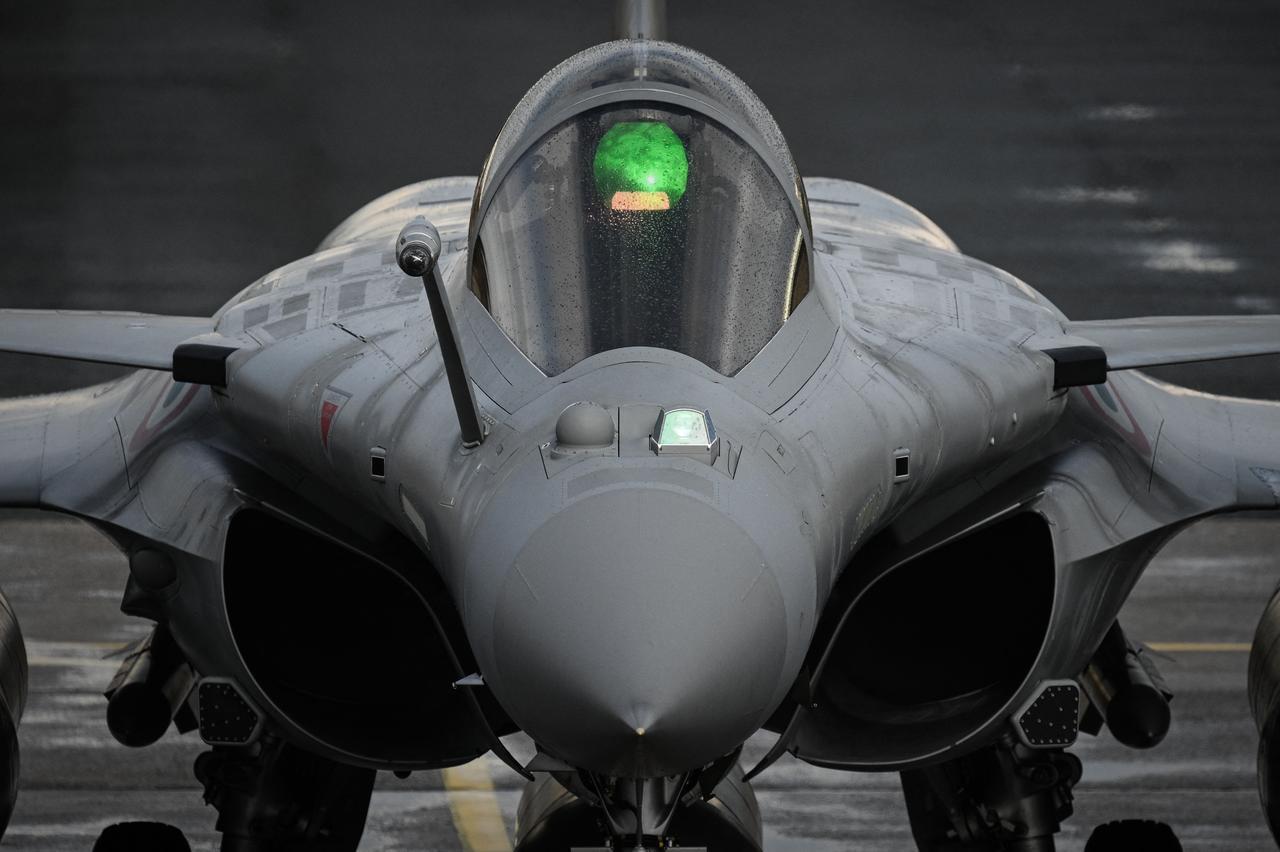
France deployed Rafale fighter jets over the United Arab Emirates (UAE) to protect its military bases from Iranian attacks and announced plans to send anti-missile and anti-drone systems to the Greek Cypriot Administration as the fallout from the U.S.-Israeli war on Iran increasingly drew European nations into the conflict.
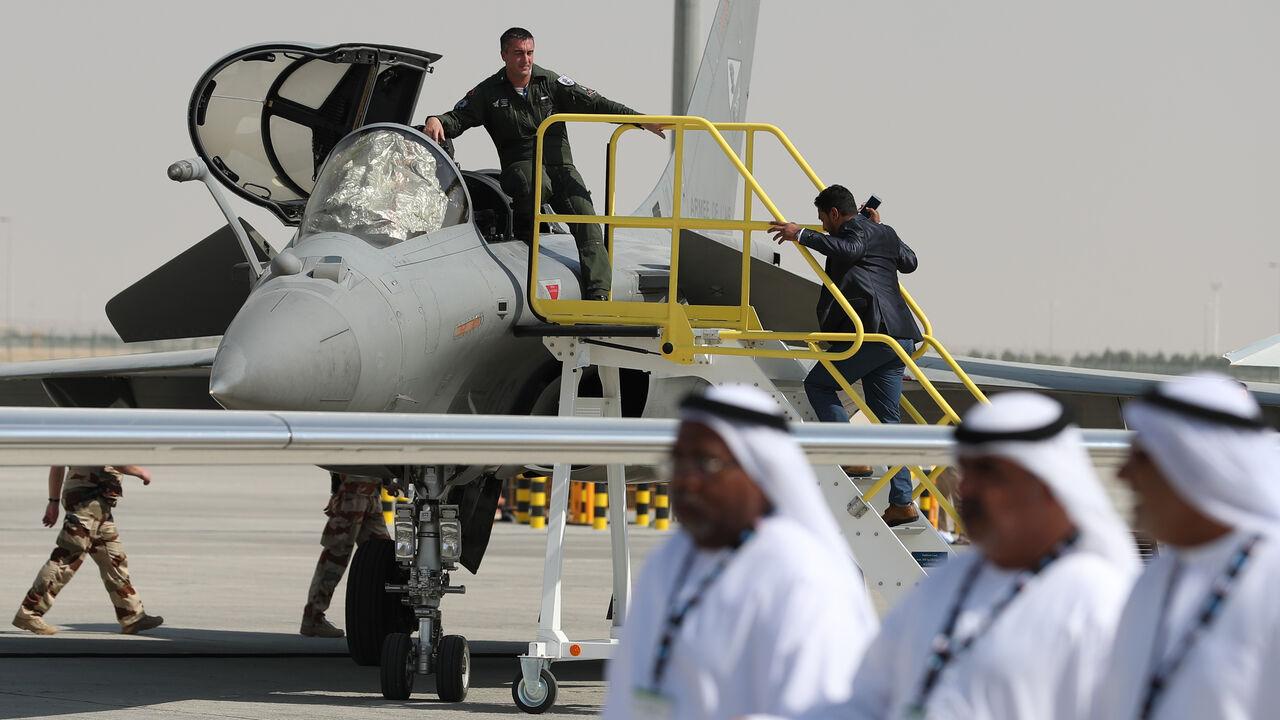

French Foreign Minister Jean-Noel Barrot stated on Tuesday that Rafale fighter jets stationed at the Dhafra base near Abu Dhabi had been mobilized to secure French facilities in the UAE.
"These Rafales and their pilots are mobilised to ensure the security of our facilities," Barrot told BFMTV.
"They have carried out operations to secure the airspace above our bases," he added.
Barrot confirmed that on Sunday, "a hangar at a French base in the United Arab Emirates was hit by a drone," though he cautioned: "We cannot have the certainty that France was explicitly targeted. The situation is serious enough not to rush to conclusions."
France has hundreds of navy, air force and army personnel based in the UAE.
Barrot said exchanges were multiplying to determine how the country could defend itself against future attacks and how France could protect its interests there.
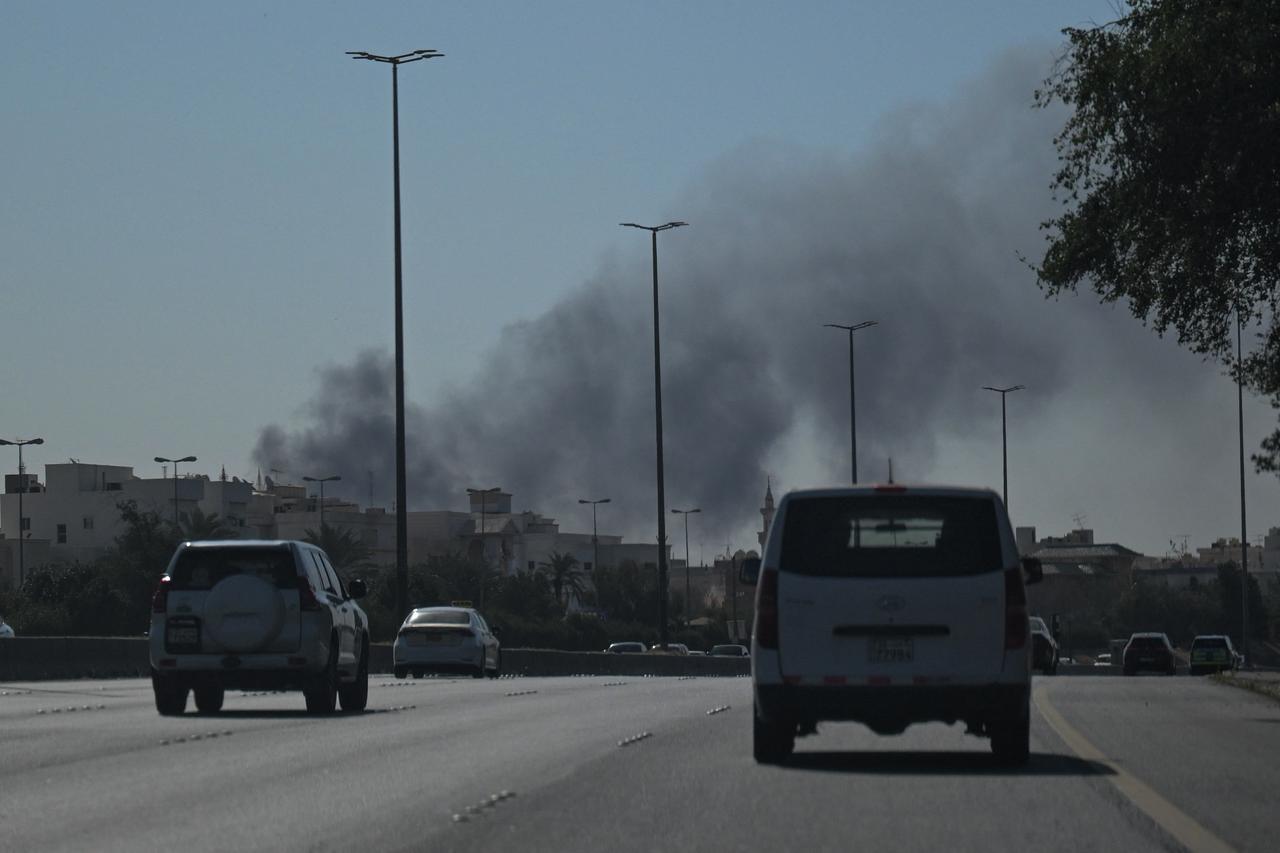
In Abu Dhabi, a separate drone struck a fuel tank terminal on Monday, causing a fire, though operations were not impacted. Tech giant Amazon said late Monday that two of its data centers in the UAE were "directly struck" by drones, disrupting cloud services in parts of the Middle East.
France plans to send anti-missile and anti-drone systems as well as a frigate to Greek Cyprus, the semi-official Cyprus News Agency reported Tuesday.
French President Emmanuel Macron communicated the intention to Greek Cypriot leader Nikos Christodoulides early Tuesday. A Greek Cypriot government source speaking to Reuters on condition of anonymity confirmed the report.
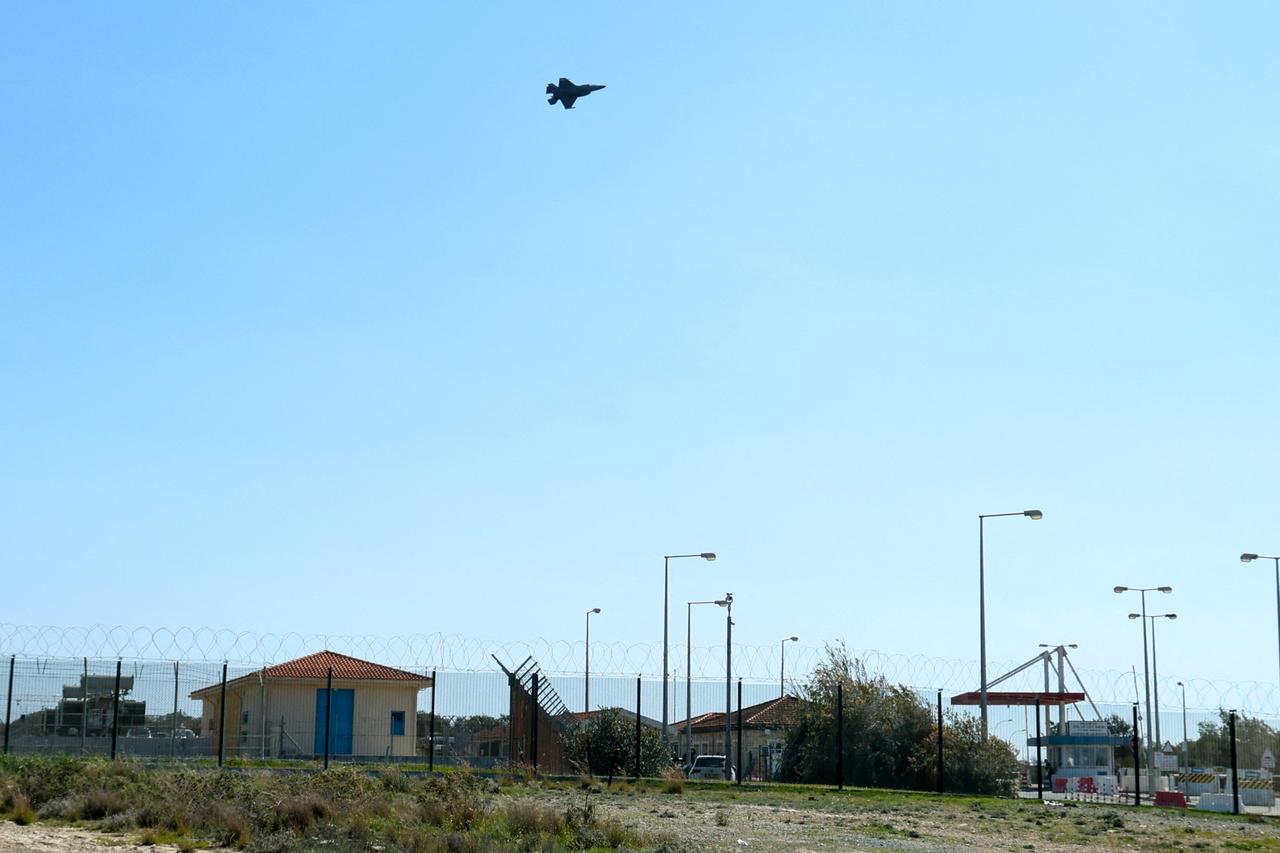
The French assistance followed Greece's earlier offer of support after RAF Akrotiri, a British sovereign base in Greek Cyprus, was targeted in two separate drone incidents on Monday.
In the first instance, an Iranian-made Shahed drone crashed into the runway of the base, causing limited damage. Hours later, two other drones were intercepted.
Senior Greek Cypriot officials said the attack was carried out by an Iranian Shahed drone, most likely fired by Iran-backed militant group Hezbollah from Lebanon. The officials stressed that the base, considered sovereign British territory, rather than Greek Cyprus, was the target.
Greece on Monday dispatched four F-16 fighter jets to the island. Two frigates, one equipped with the anti-drone Centauros jamming system, were also sailing to Greek Cyprus.
Barrot said France stands ready to defend its regional partners if formally requested, stressing that any action would be proportionate and in line with international law.
"France stands ready to defend its partners at their request, in a proportionate manner, and obviously in accordance with the principles of collective self-defence, which is a principle of international law," Barrot told RMC and BFM TV.
He underlined that France is not automatically involved in the conflict triggered by Israeli and U.S. strikes on Iran and Tehran's subsequent retaliation.
France maintains defense agreements with the UAE, Qatar and Kuwait, with exchanges "very frequent, at all levels, diplomatic and military," he said. Around 400,000 French nationals reside across a dozen countries affected by the crisis, Barrot noted.
The United States and Israel launched military strikes against Iran on Feb. 28, killing Supreme Leader Ali Khamenei.
Iran has responded by targeting U.S. allies in the Gulf region, threatening to drive up energy costs, which could wreak havoc on the global economy.


 Set as preferred source
 Set as preferred source


 1 min read
 1 min read