Newsletters


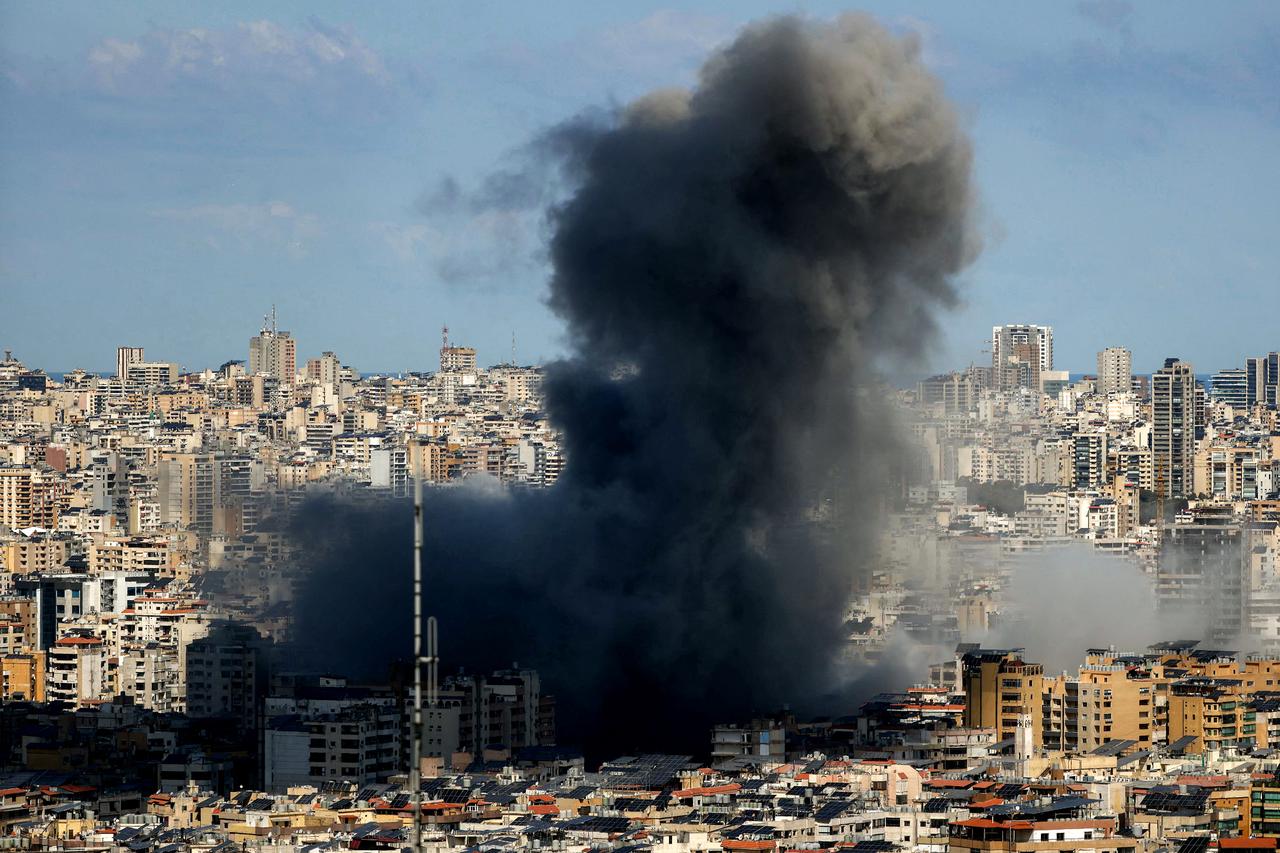


Oil prices dropped sharply and global stock markets rallied Tuesday after U.S. President Donald Trump said the U.S.-Israel war on Iran could end sooner than expected.
The comments came as the conflict in the Middle East entered its second week, with tensions continuing across the region.
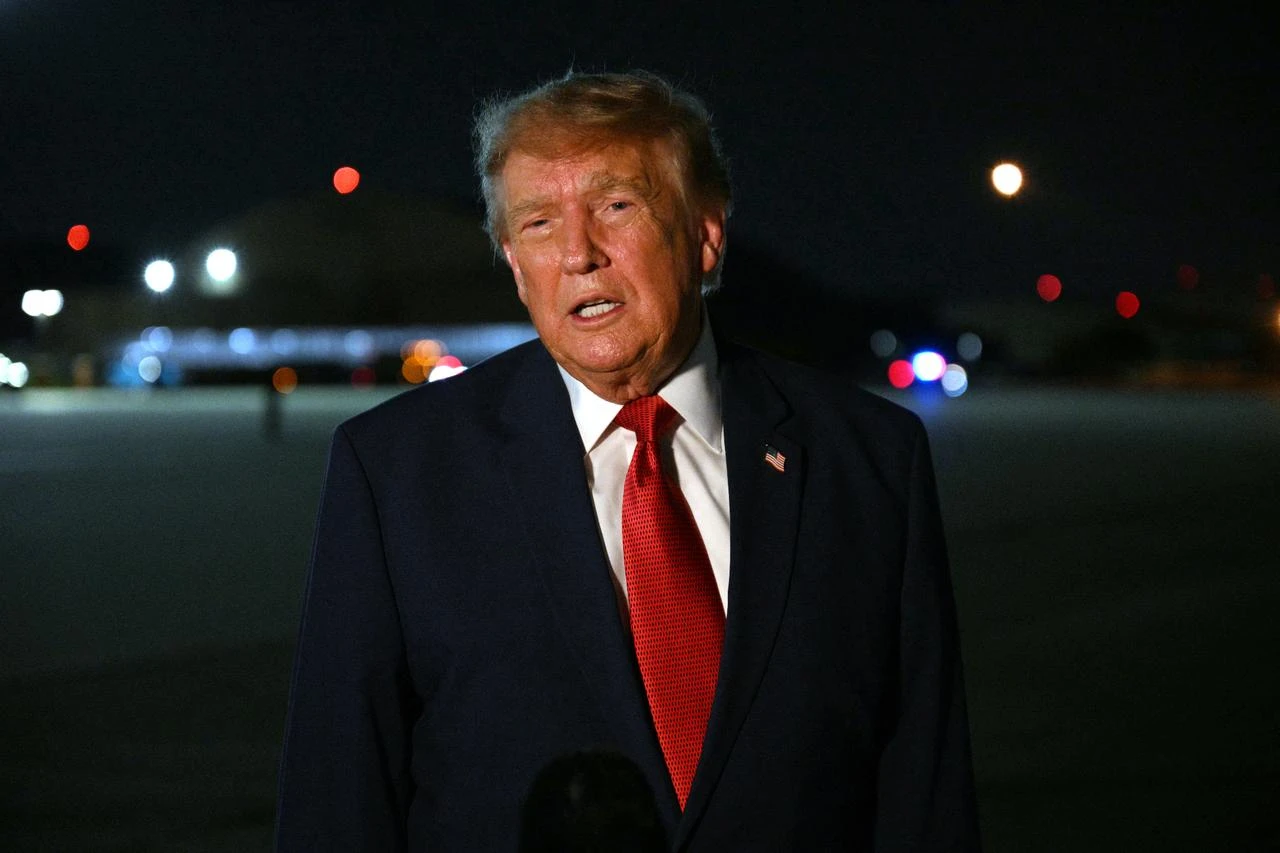
Trump told CBS News that the military campaign was far ahead of his earlier estimate of four to five weeks. “I think the war is very complete, pretty much. They have no navy, no communications, they've got no air force,” Trump said in a phone interview.
“If you look, they have nothing left. There's nothing left in a military sense,” he added.
Speaking later at a news conference in Florida, Trump said the war could end soon. “It's going to be ended soon, and if it starts up again they'll be hit even harder,” he said.
When asked whether the conflict could end within days or weeks, Trump replied: “I think soon. Very soon.”
Trump also warned Iran that the consequences would be severe if it blocks oil shipments through the Strait of Hormuz, a route that carries about one-fifth of global oil supplies. He said the response would be “incalculable” if Tehran interferes with the waterway.
Iran’s Revolutionary Guards responded by saying that Iran, not the U.S., would determine when the war ends.
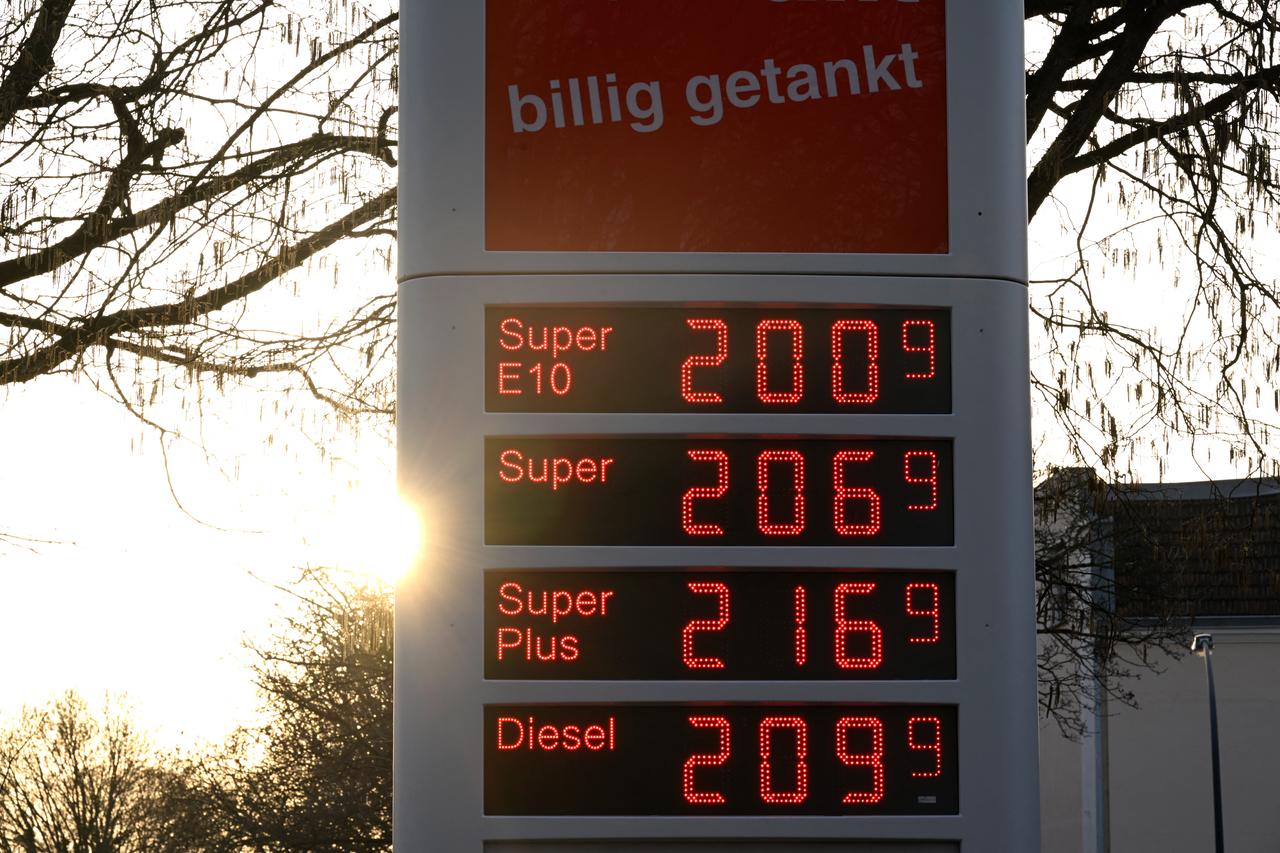

Investors reacted to Trump’s remarks by sending oil prices sharply lower. Crude prices dropped about 10% Tuesday after a volatile trading period.
The move followed dramatic swings Monday, when oil surged 30% to more than $119 per barrel before falling to around $84.
By around 2:30 a.m. GMT, West Texas Intermediate crude was down 10% at $85.29 per barrel, while Brent North Sea crude dropped 10.1% to $88.95.
Global stock markets rallied as investors responded to the possibility that the conflict could end sooner than expected.
Seoul’s Kospi index rose 6.2% to 5,575.62, while Tokyo’s Nikkei 225 gained 3.2% to 54,399.08.
Markets in Hong Kong, Shanghai, Sydney, Singapore, Wellington, Taipei, Manila and Jakarta also posted gains.
In the United States, the Dow Jones Industrial Average closed up 0.5% at 47,740.80.
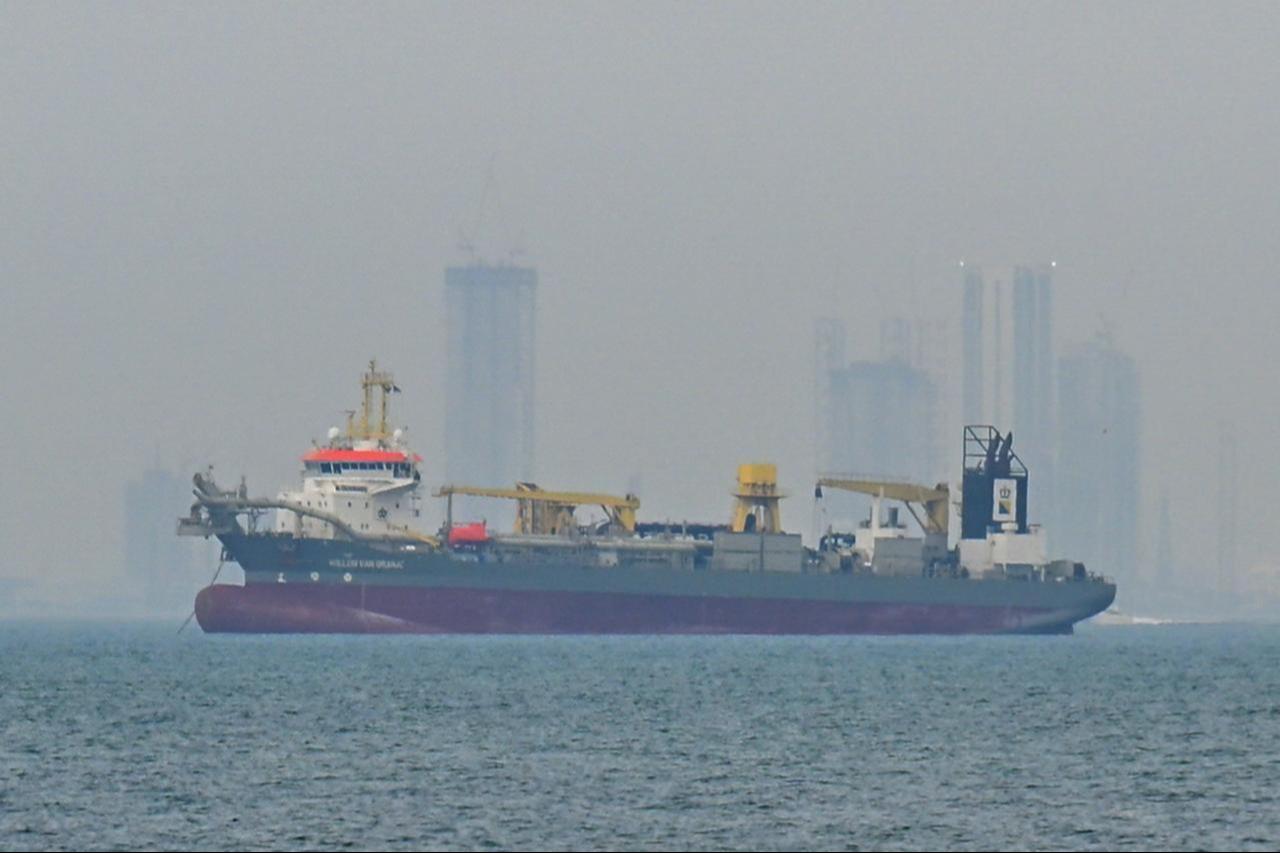
Despite market optimism, tensions remain high around the Strait of Hormuz. The waterway has been largely blocked to oil tankers after Iran closed the route in response to U.S.-Israeli strikes.
Shipping experts say about 10 vessels in or near the strait have been attacked since the blockade began.
French President Emmanuel Macron said France was working with allies on a “purely defensive” mission to reopen the waterway. Global shipping company MSC said it was halting some export shipments from the Gulf.
Bahrain’s state-owned energy company Bapco also declared force majeure, joining companies in Qatar and Kuwait, warning that circumstances beyond their control could affect exports.
Saudi Arabia’s defense ministry said Monday it intercepted a drone attack targeting an oil field in the eastern part of the kingdom near the Emirati border.
Analyst Chris Weston of Pepperstone said markets experienced dramatic swings in recent days.
“It has been an incredibly wild ride for traders and investors to navigate the price action put to them over the past 24 hours, with breathtaking reversals taking place across many parts of the financial markets,” Weston said.
“The pressure valve has clearly been released for now. However, volatility across energy markets remains exceptionally elevated.” He added that uncertainty remains high.
“While the most extreme stress has eased, markets are still pricing a significant degree of uncertainty and risk.”
“The geopolitical backdrop remains fluid, and traders should expect volatility to remain a defining feature of the trading environment in the days ahead.”


 Set as preferred source
 Set as preferred source


 1 min read
 1 min read