Newsletters


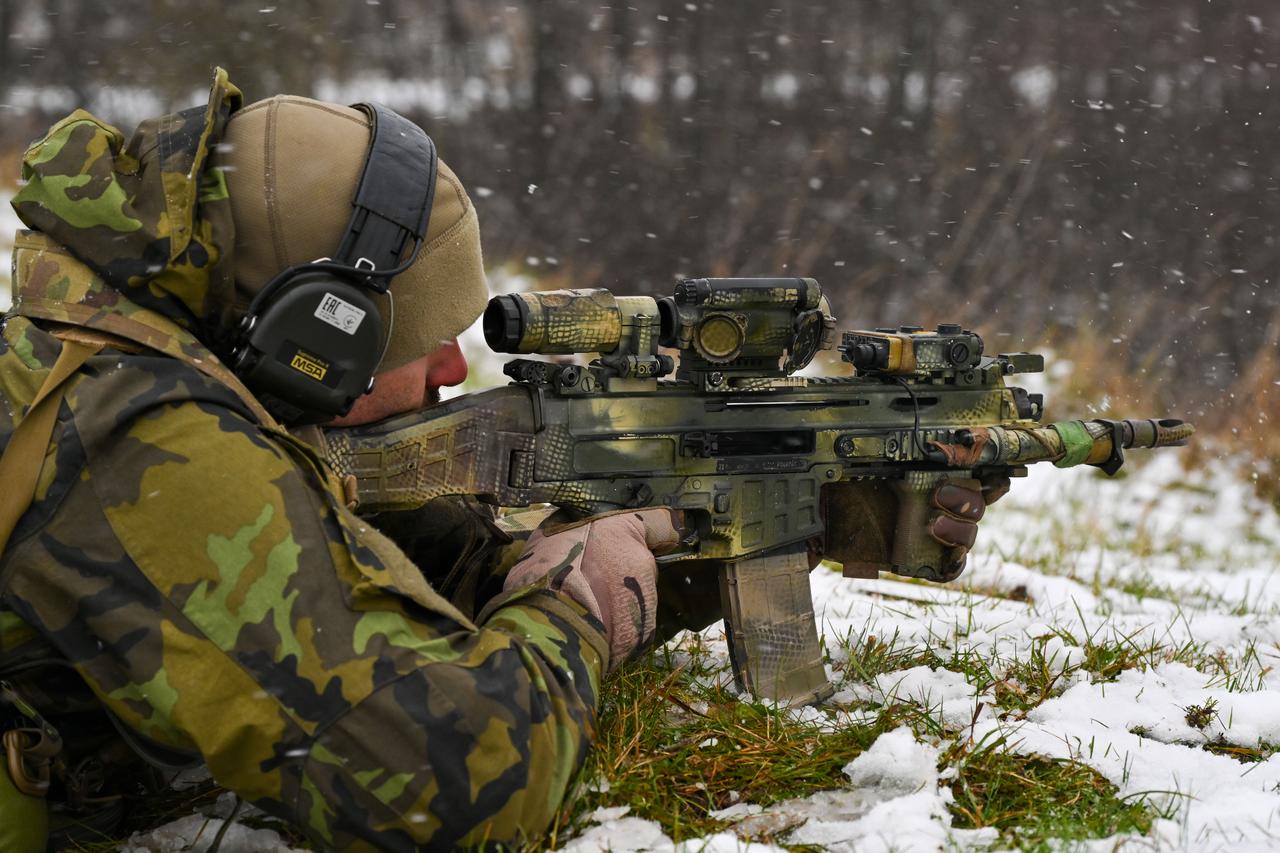


Czech Prime Minister Andrej Babiš acknowledged in an interview published Sunday that his country will "probably" miss NATO's defense spending target of 2% of GDP in 2026, but argued his personal standing with U.S. President Donald Trump gave Prague a political cushion other European capitals could not claim.
"I am a Trumpist," Babis told the Financial Times (FT) in his Prague office.
"I met him five times and was criticized by others, but we should have an advantage," he added.
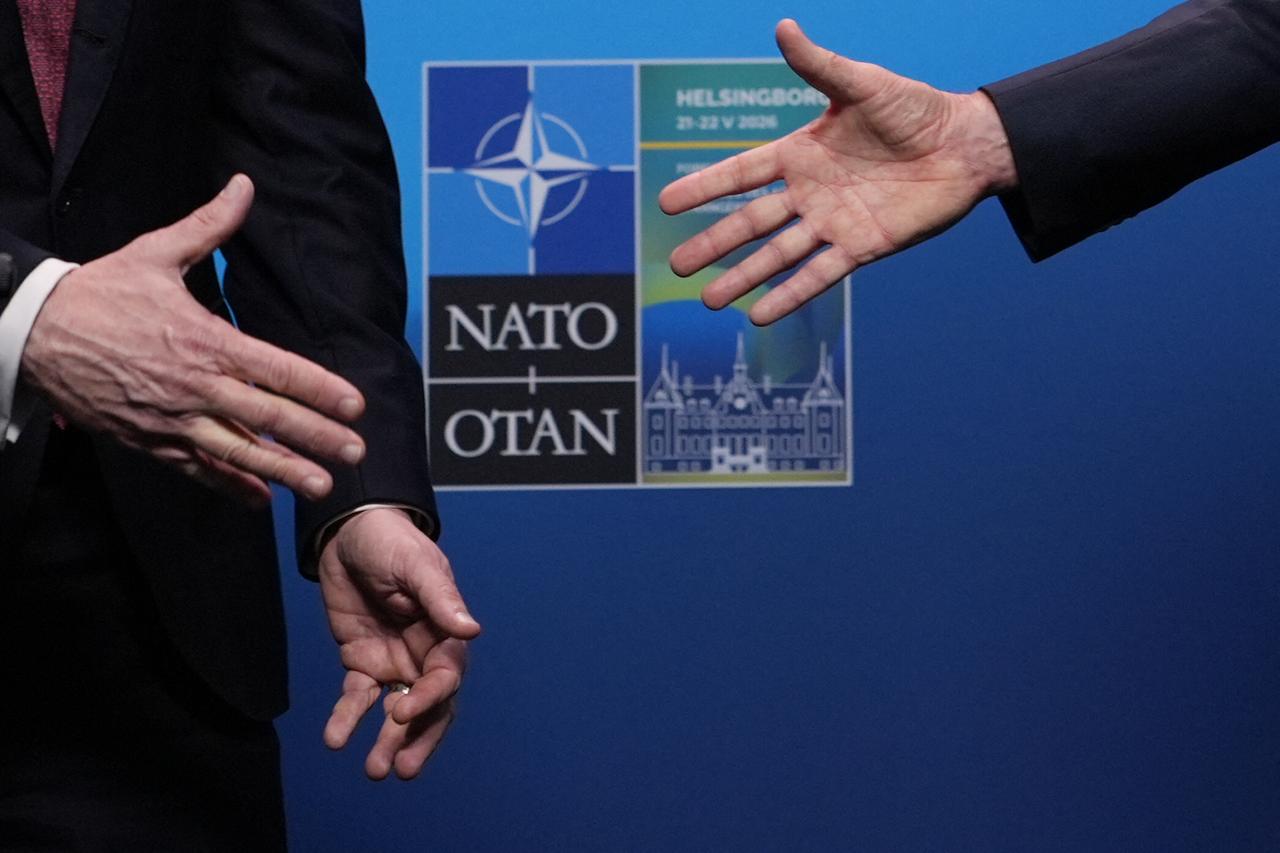
European allies are preparing for a tense encounter with Trump at NATO's Ankara summit on July 7-8, anticipating criticism over defense spending shortfalls and what Washington perceives as insufficient European backing for the Iran war.
Babis appeared to position himself as an exception, a leader whose ideological alignment with Trump might spare the Czech Republic the sharpest recriminations.


The Czech Republic's projected defense budget for 2026 stands at 2.1% of gross domestic product (GDP) on paper, but the figure includes a highway linking Prague to the Polish border.
Babis acknowledged the road, though strategically significant, is unlikely to count as core defense spending under NATO's own accounting standards, a concession that leaves Prague set to be among only a handful of alliance members to fall short of the 2% benchmark.
Babis attributed the shortfall to fiscal pressures left by his pro-EU predecessor. "We will do our best," he told the FT, adding that his government was a coalition of three nationalist, Eurosceptic parties grappling with a budget deficit inherited from previous administrations.
He committed to meeting NATO's newer and more demanding target of 3.5% of GDP by 2035, but questioned the broader logic of measuring alliance strength through spending ratios. "If we speak only about percentages, I don't know how this is really going to make Europe more defense-capable," he said.
He argued that allies should look to his record from his previous terms in government between 2014 and 2021, during which Czech defense spending doubled and investment was channeled into air defense systems and the modernization of the country's heavy armored brigade.

The defense spending dispute has deepened a rift between Babis and Czech President Petr Pavel, who opposed the government's plans to scale back military outlays in the 2026 budget.
Pavel signed the budget into law in March but issued a concurrent warning that spending levels did not align with the evolving security environment or NATO commitments.
The two leaders are also reportedly at odds over who should represent the Czech Republic at the Ankara summit.
In a separate FT interview, Pavel said Prague would not be immune from criticism at the summit, from Trump or from allies.
Babis has increasingly positioned himself at the vanguard of European right-wing populism. He is a founding member of the far-right Patriots for Europe group in the European Parliament, alongside Viktor Orban and Austria's Freedom Party, describing it as a "pragmatic alliance" that protects Czech interests.
With Orban suffering an electoral defeat, Babis has emerged as a more prominent figure within that political family.
He told the FT he hoped to revive the Visegrád Four grouping, the Czech Republic, Poland, Hungary, and Slovakia, as an influential caucus within the EU, despite pro-European governments now holding office in Warsaw and Budapest.
On the EU itself, Babis was withering. "The EU is now probably on the same road as the end of the Roman empire," he said, blaming Brussels' decarbonization drive for damaging the European economy.
The Czech admission came as broader pressure on European NATO members intensified.
U.S. Defense Secretary Pete Hegseth told an Asian security summit on Saturday, "The era of the United States subsidizing the defense of wealthy nations is over. We need partners, not protectorates."
Washington has also told allies it intends to reduce the pool of American military assets available for European contingency planning.


 Set as preferred source
 Set as preferred source


 1 min read

 1 min read