Newsletters


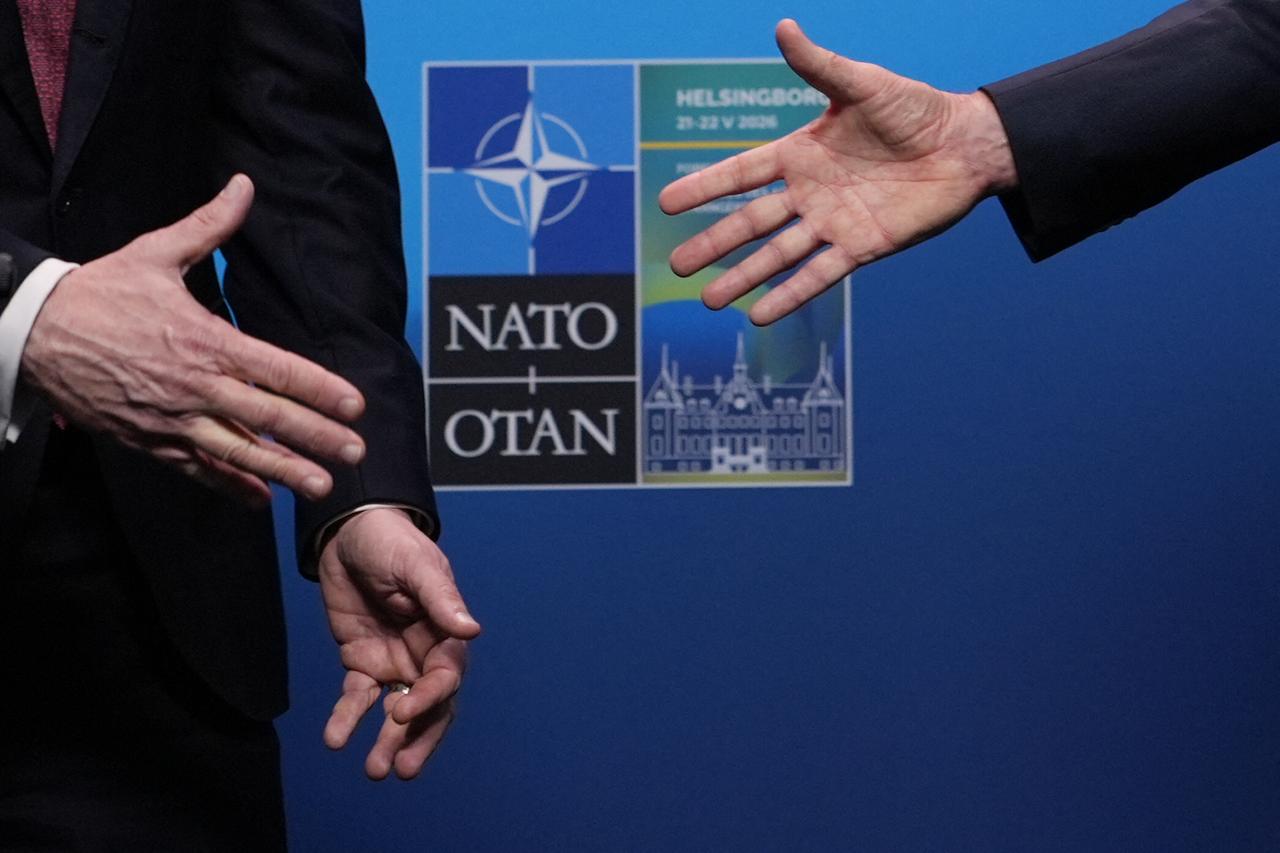


The head of NATO’s Military Committee offered reassurances Saturday that Europe is on track and Washington is not in an adversarial mood toward its allies, while a few hundred miles away in Singapore, U.S. Defense Secretary Pete Hegseth appeared to suggest otherwise.
Speaking during an interview with Bloomberg, published shortly after Hegseth delivered pointed remarks about European defense free-riding at the Shangri-La Dialogue, Admiral Giuseppe Cavo Dragone, an Italian naval officer who chairs the NATO Military Committee, told reporters the transatlantic military relationship was working and that concerns about tensions were overblown.
"As a military side, we don't have any drama going on" with the United States, Cavo Dragone said.
On the path to the alliance's 5% GDP spending target, he was equally relaxed: "We have a NATO defense planning process to give us the capability that we need, and we will acquire that in time. So I think we are in a good shape."

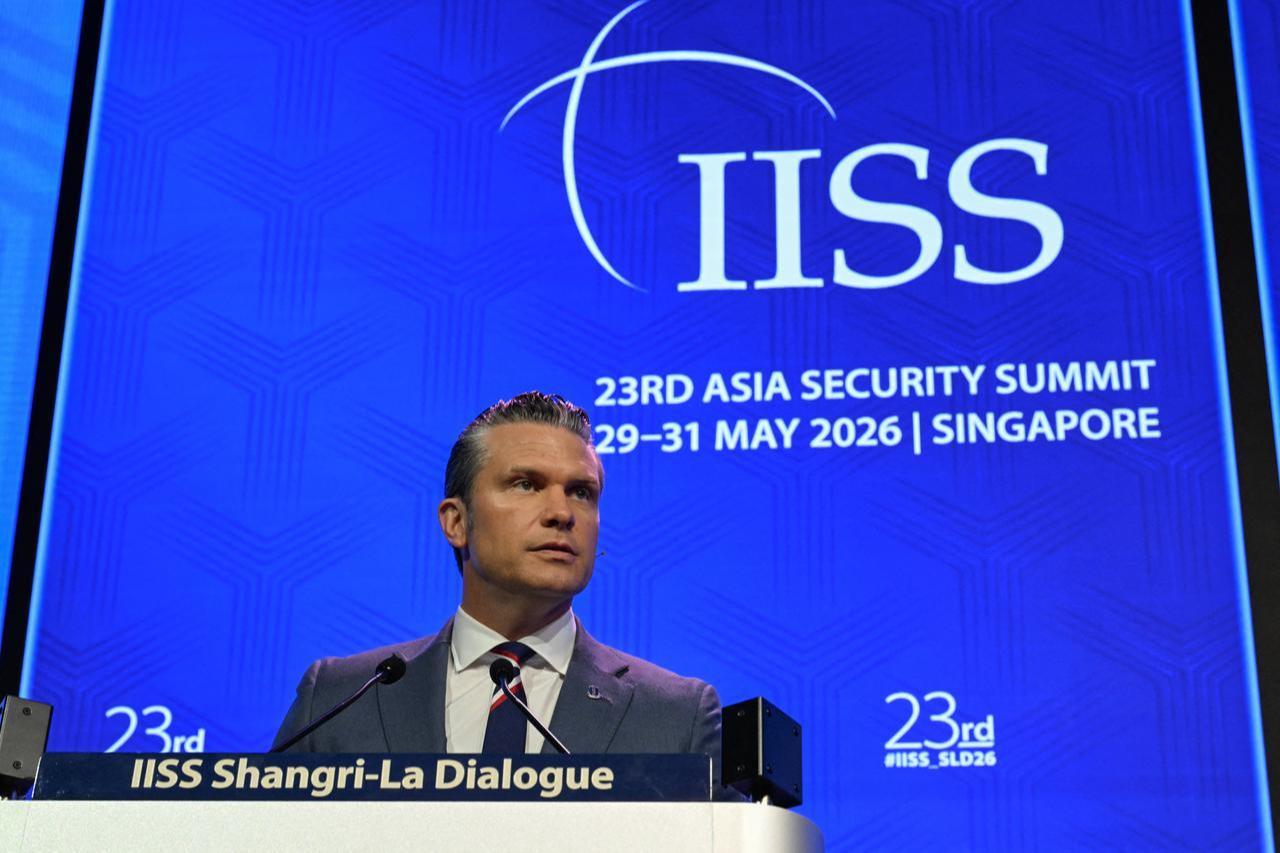
At the Shangri-La forum in Singapore, Hegseth was not offering the same equanimity. Drawing an explicit contrast between what he described as Asia's pragmatic approach to alliance management and Europe's more complicated relationship with Washington, he said the continent was behind schedule and on notice.
"For too long, polite pleas from our European allies to spend more on their own defense fell on deaf ears," Hegseth said, adding, "They are finally playing catch-up."
The catch-up, he made clear, was not optional. "Allies who refuse to step up and carry their own weight for our collective defense will face a clear shift in how we do business."
He also reproached European nations more broadly, saying they had spent decades "throwing open their borders and hollowing out their militaries," and suggested they could learn something from how Washington works with partners in the Pacific.
"When our interests align, we act together with focused resolve. When our interests diverge, we adjust pragmatically without the drama or the moralizing," Hegseth said of Asia-Pacific alliances, noting, "I think Western Europe might take note."
He added that longstanding European NATO partners "have some big decisions to make," without specifying what those decisions were.
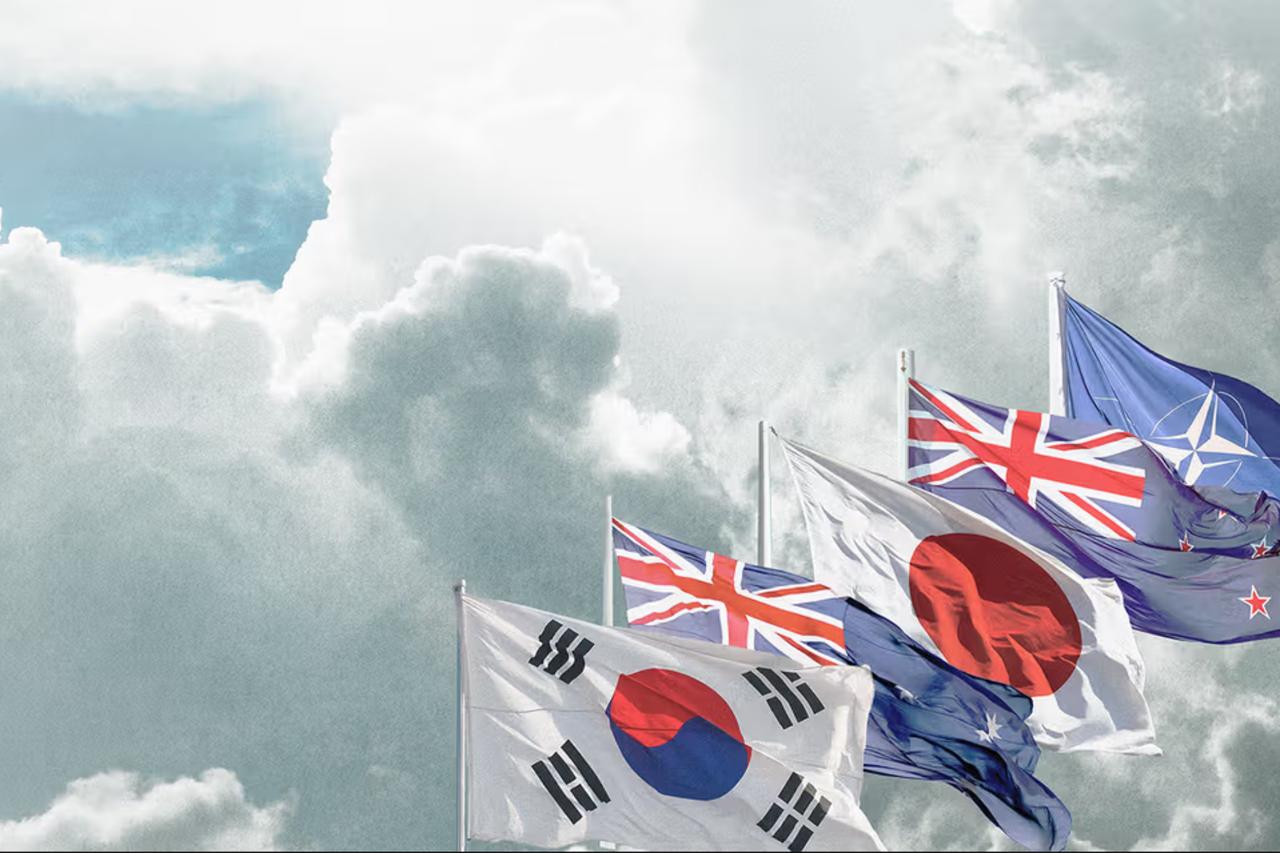
The sharpest individual exchange came when a New Zealand delegate asked whether a plan to double the country's defense spending from 1% to 2% of GDP would be enough to avoid the "freeloading" label that Hegseth had used.
The defense secretary did not soften his answer, stating, "If I'm being honest, 2% is not enough, and so 2% is freeloading." I don't have anything against New Zealand, but I want partners to step up."
By contrast, Hegseth singled out South Korea, Australia, Japan, and the Philippines for praise. South Korea, in particular, he said, had earned its standing through necessity rather than political posture.
"South Korea has invested consistently in its own defense because it does not have the luxury of treating war like an academic exercise. They live on the front lines, and so they build real combat power," Hegseth stated.
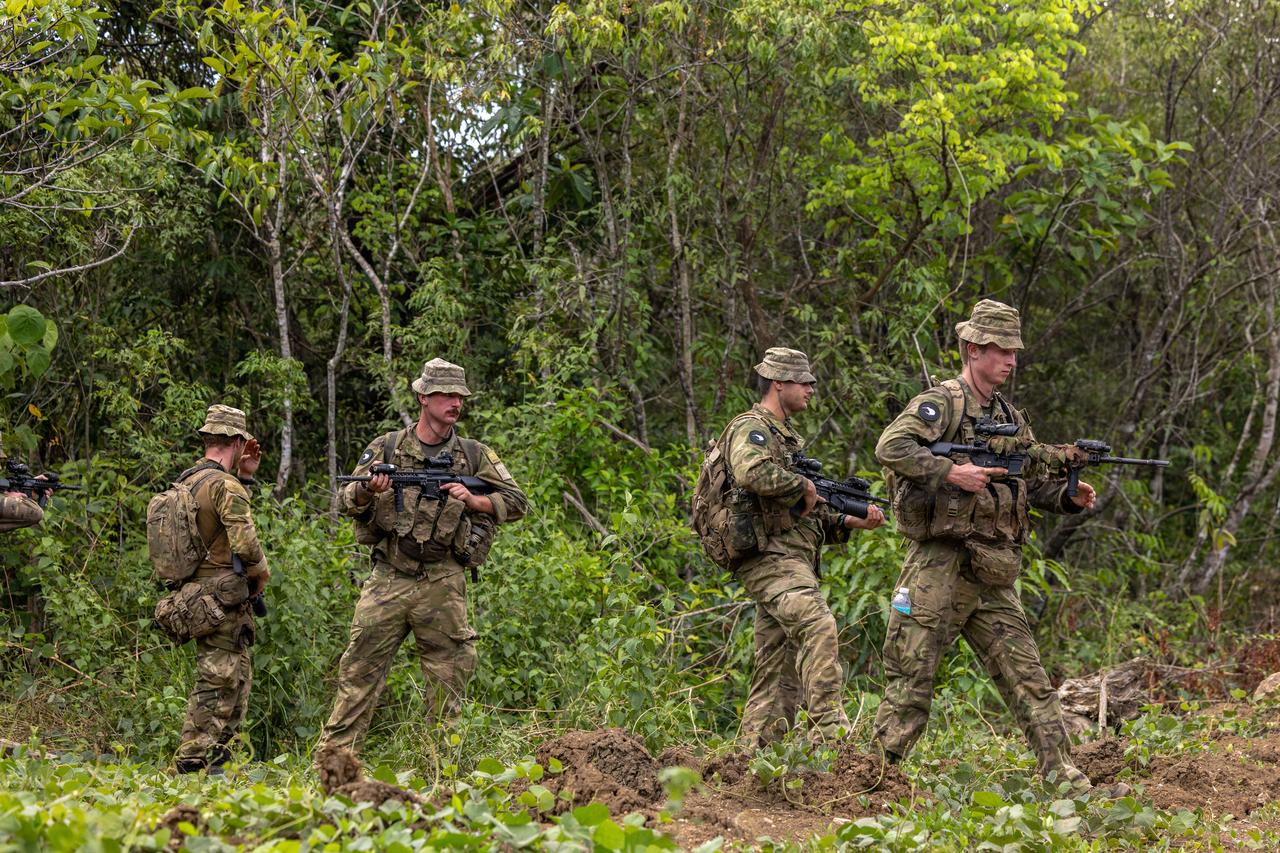
Behind the pressure, the state of NATO spending in Europe has genuinely shifted. At a landmark summit last year, all alliance members except Spain committed to spending 3.5% of GDP on hard defense, with an additional 1.5% allocated to related security expenditures, a significant step beyond the previous 2% benchmark.
Germany, among others, has moved aggressively to rebuild its military and plans to present its progress at the upcoming NATO summit in Ankara, Türkiye.
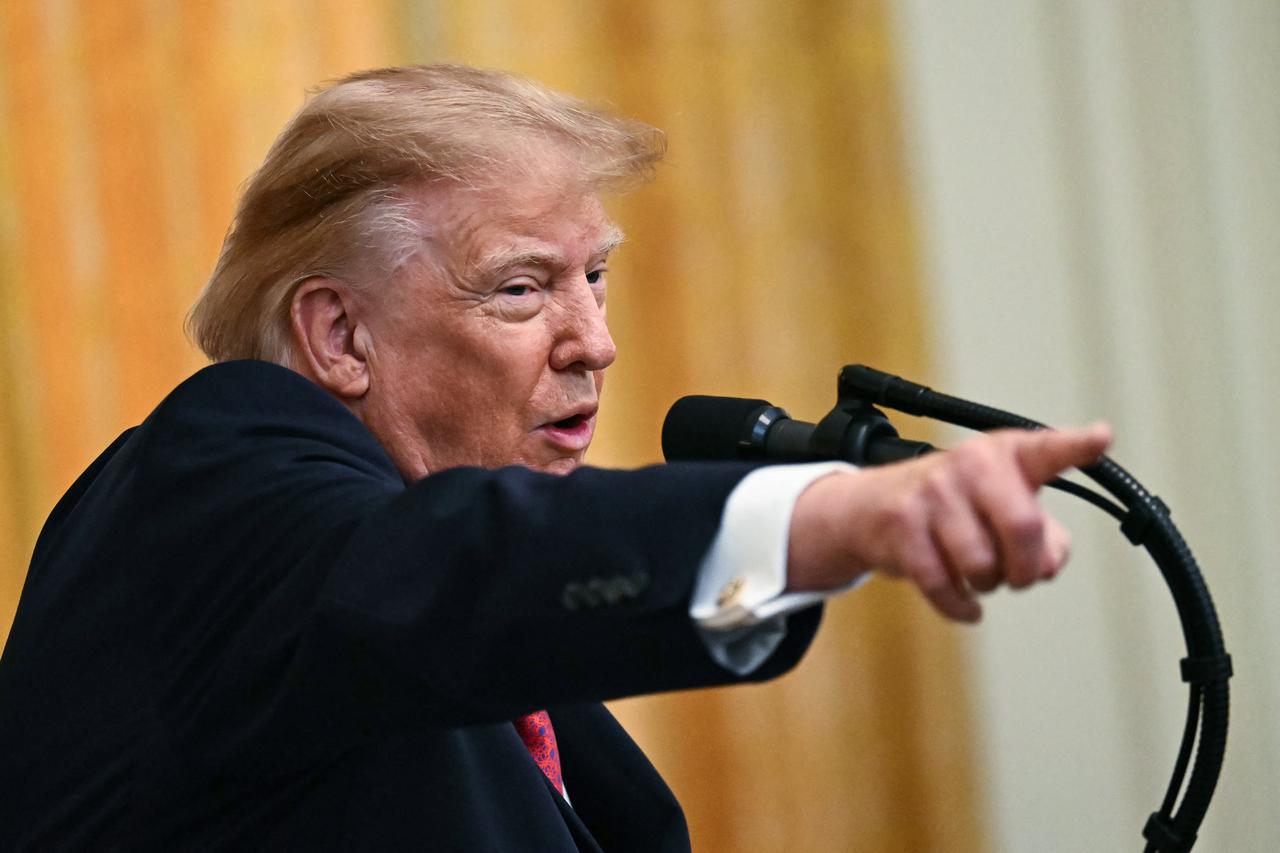
Still, multiple member states have acknowledged that they may struggle to reach a sustained 5% of GDP, and Trump's frustration with European allies has extended beyond spending.
The Trump administration expressed displeasure at Europe's reluctance to openly back the U.S.-led campaign against Iran, even though most allied governments provided practical support through base access and airspace rights.
 2 min read
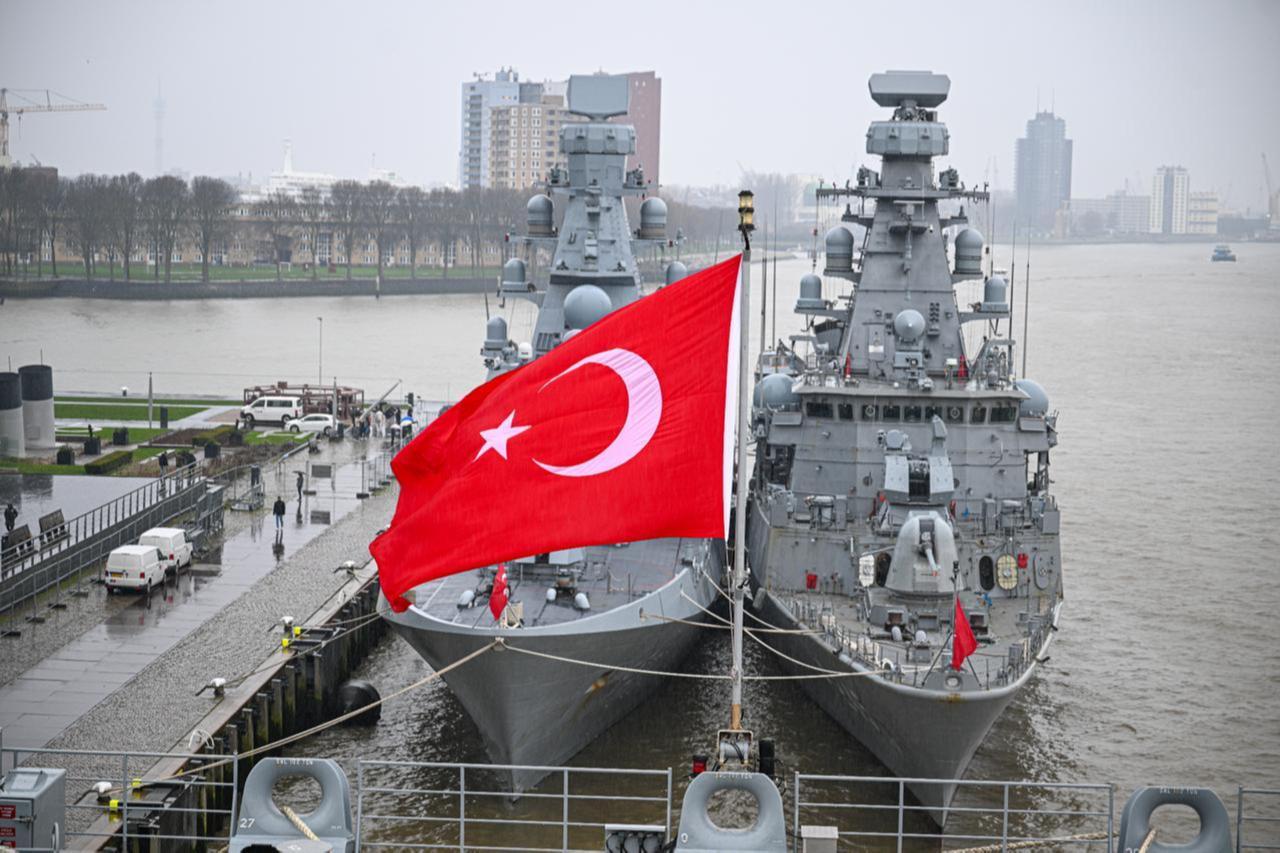
Washington has also unsettled capitals across the continent with abrupt and sometimes contradictory signals about U.S. troop levels in Europe, and informed allies that it was reducing strategic resources earmarked for European contingencies.
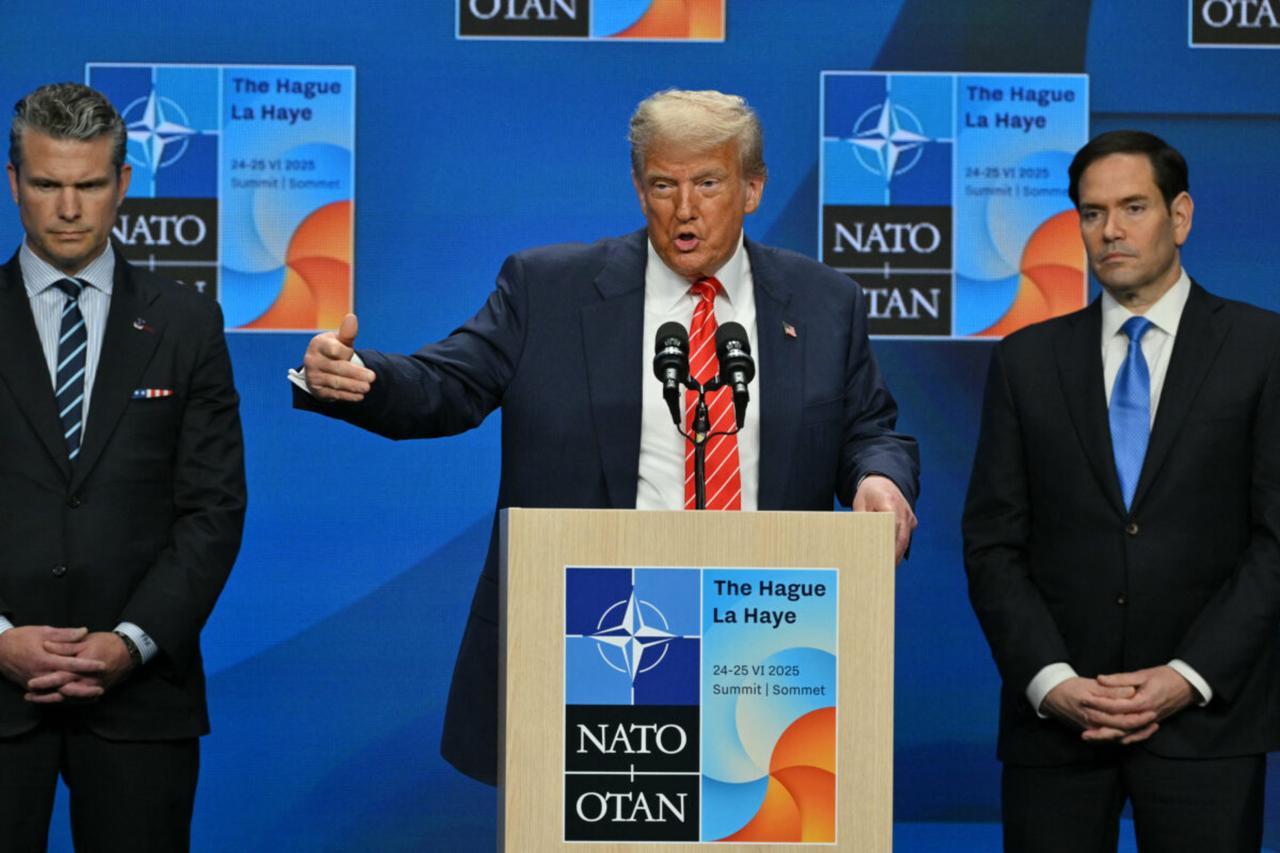
Secretary of State Marco Rubio said this month that the U.S. was moving toward troop cuts in Europe as Washington's attention shifted toward other theaters.
NATO Secretary General Mark Rutte and U.S. officials have maintained publicly that all changes were expected and agreed upon. European governments have taken a less sanguine view.
Asked separately about a wave of Russian drone incursions into allied airspace, including a strike on a Romanian apartment block on Friday, Cavo Dragone urged restraint in response. NATO, he said, should not "overreact."


 Set as preferred source
 Set as preferred source


 1 min read