Newsletters




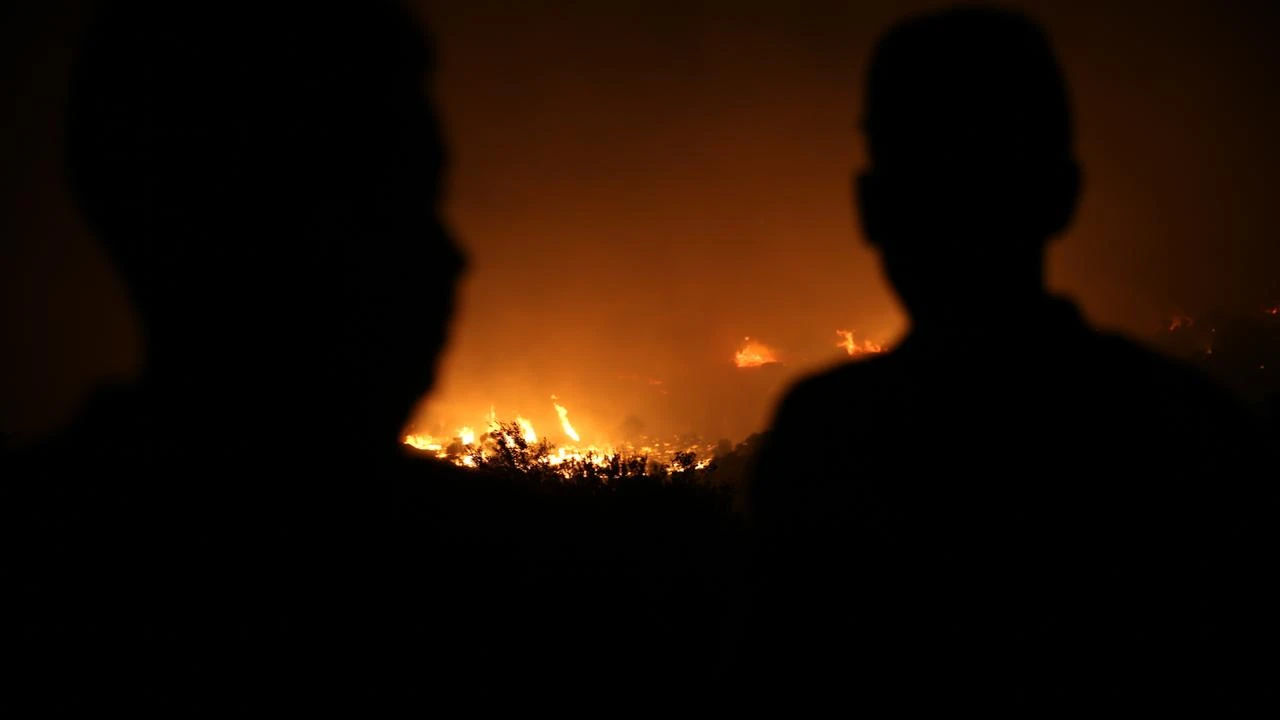
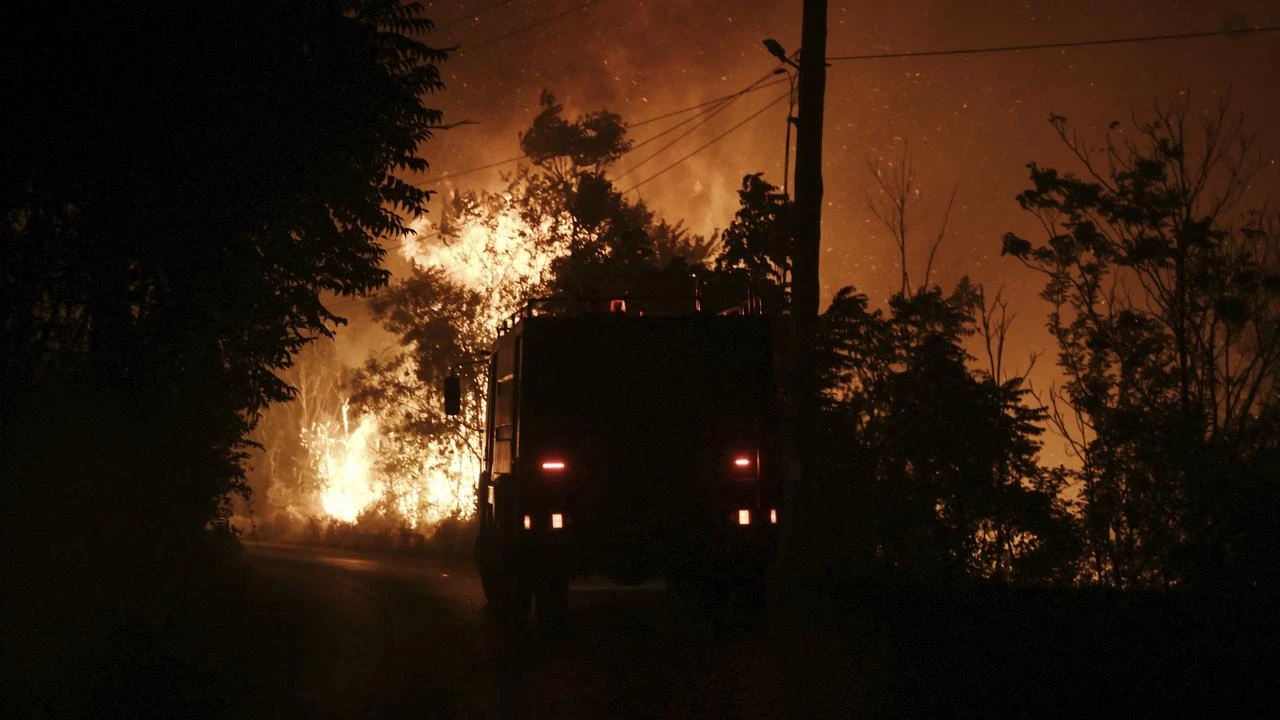
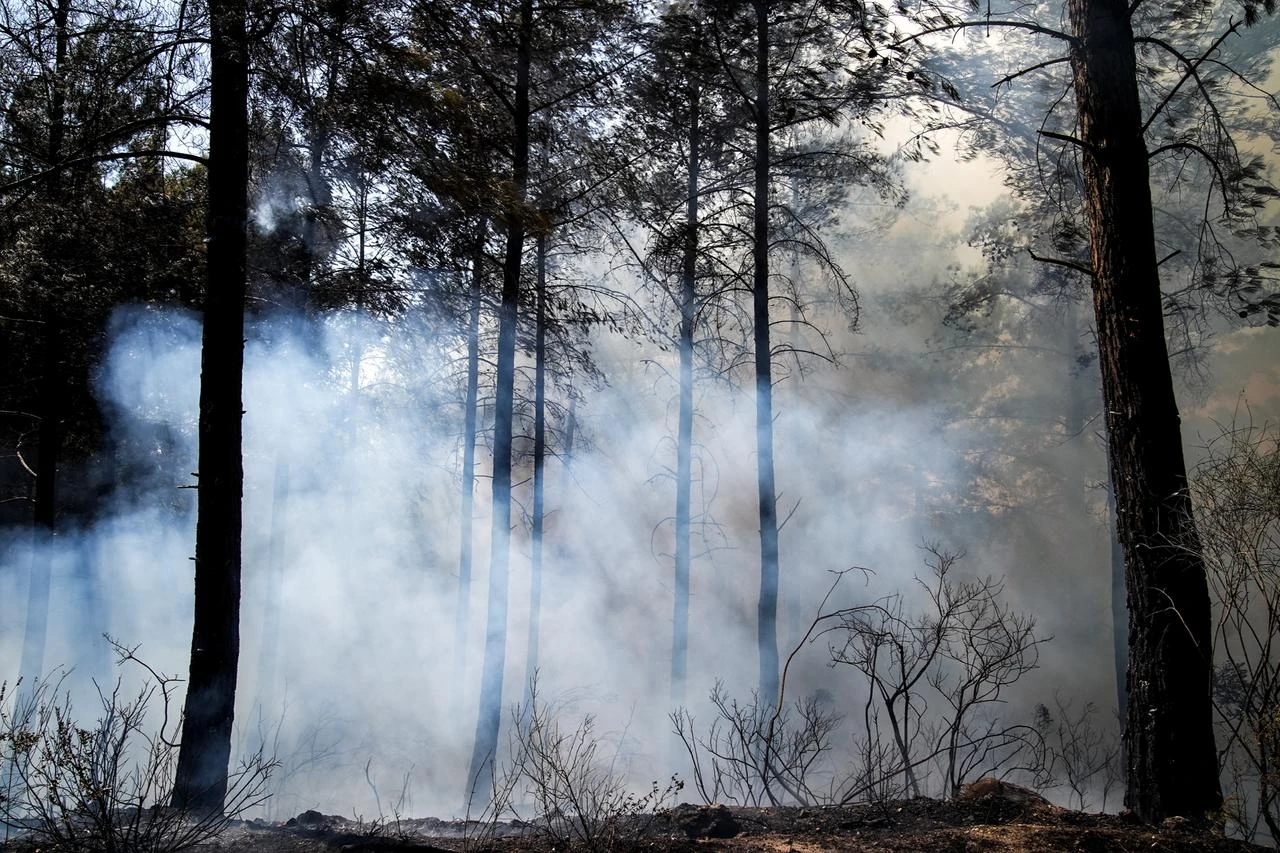
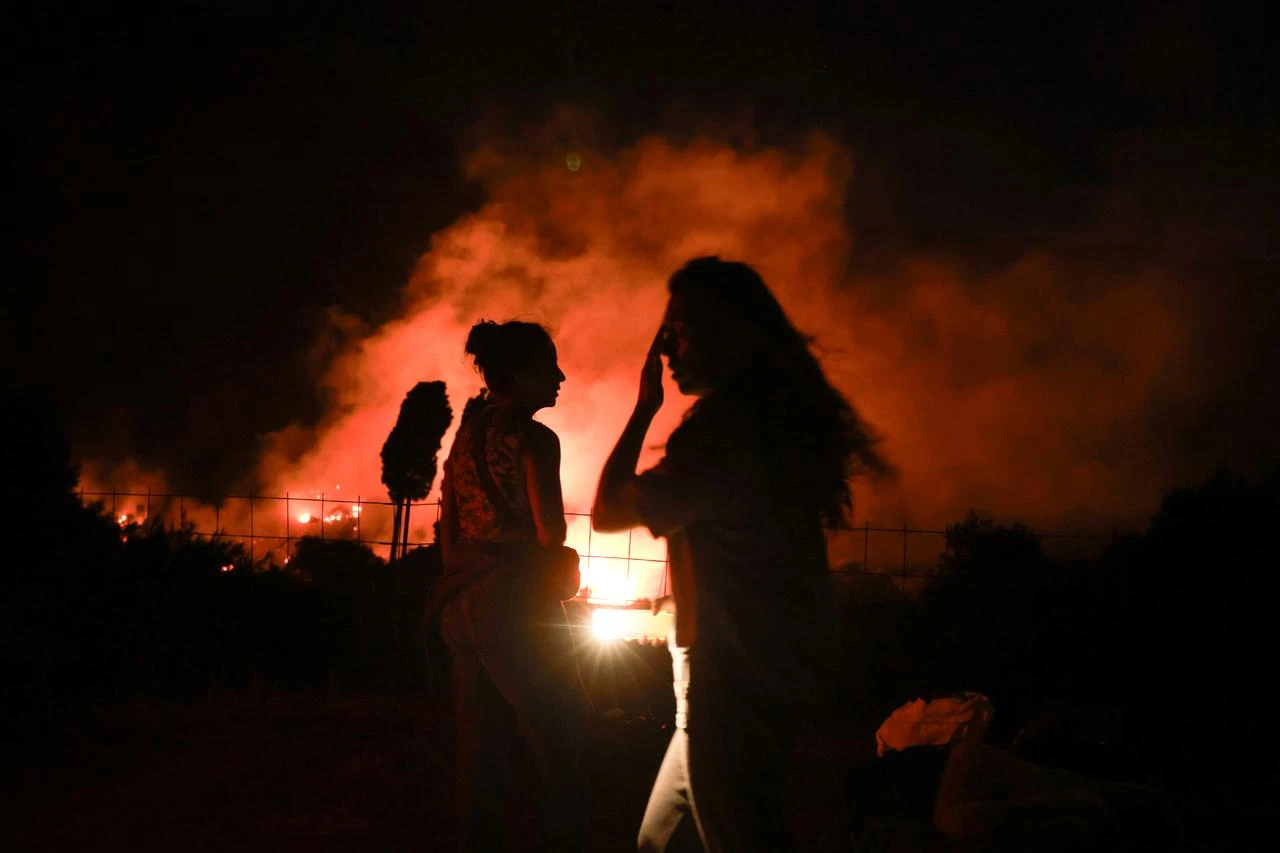
Wildfires sweeping across the Mediterranean have killed firefighters, forced large-scale evacuations and disrupted transport, health services and critical infrastructure in Greece, Spain, France, Portugal and Türkiye.
Extreme heat, dry conditions and strong winds have helped the flames spread rapidly, while emergency crews across the region continue working to bring multiple fire fronts under control.
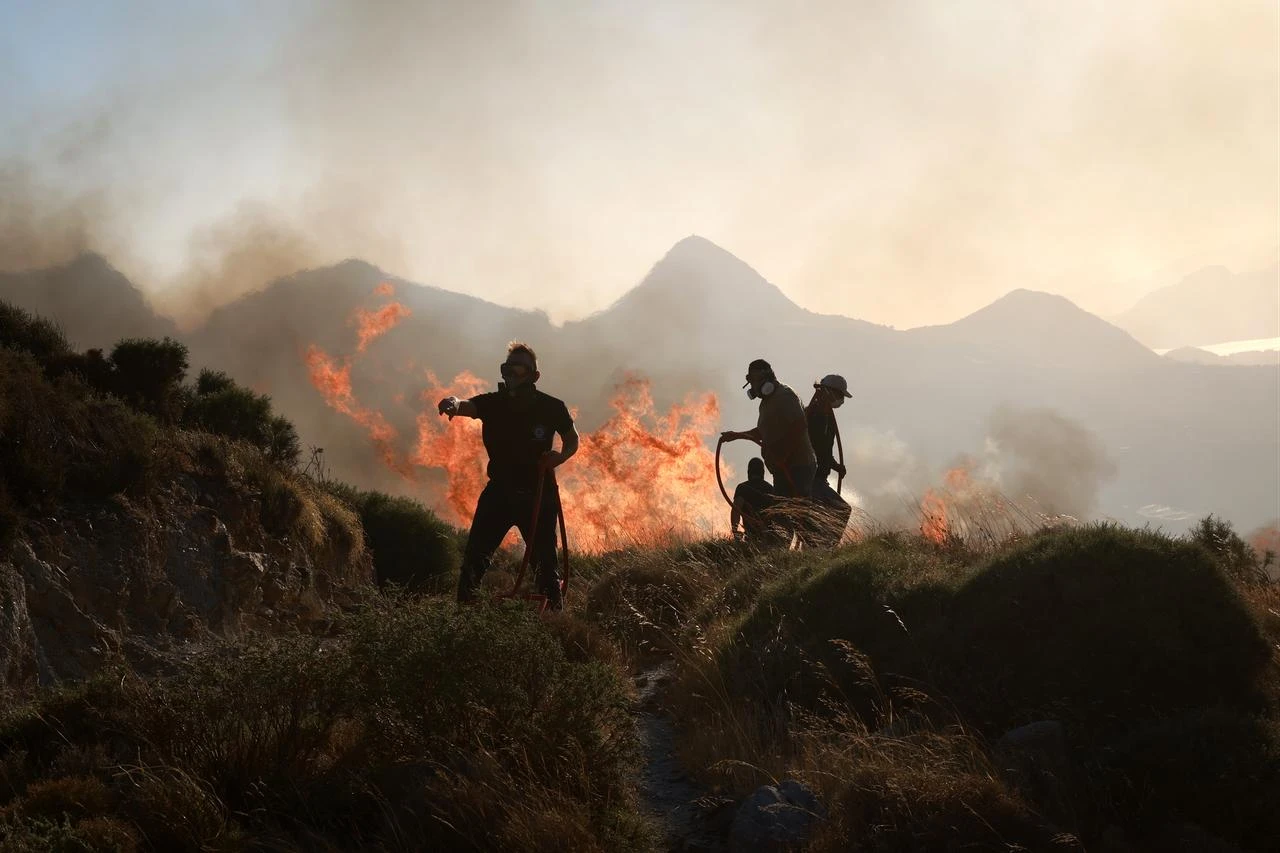

Three firefighters died while responding to wildfires in Greece.
Two were killed in the Rethymno region of Crete after they became trapped as flames moved forward rapidly. Residents and tourists were evacuated from the mountain village of Krya Vrysi, where witnesses said storm-force winds caused the fire to spread within a short period.
The fire front in the area extended for around 15 kilometers.
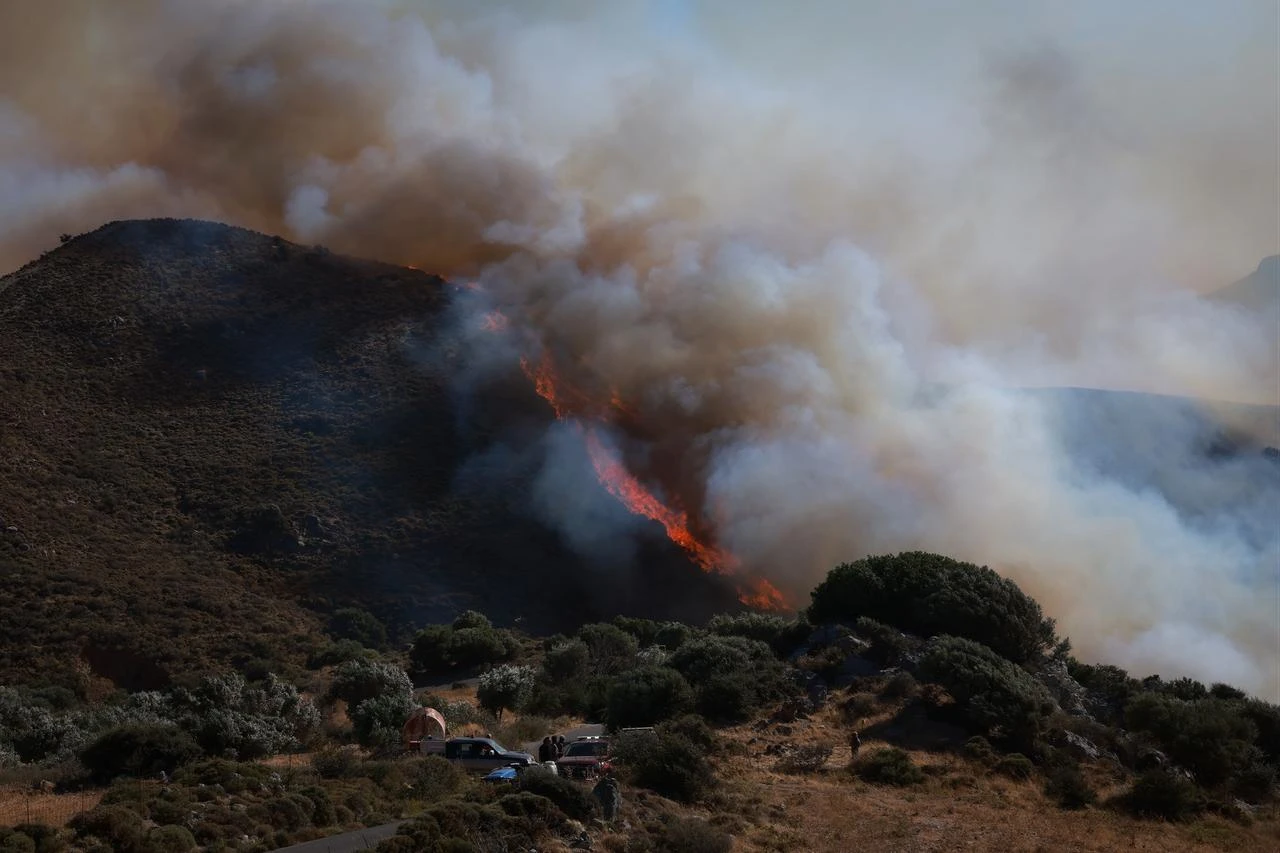
A third firefighter was found unconscious while battling a blaze near Gythio in the southern Peloponnese and was later pronounced dead.
Further wildfires were reported on the islands of Paros and Lesbos, as well as in the mainland region of Trifylia.
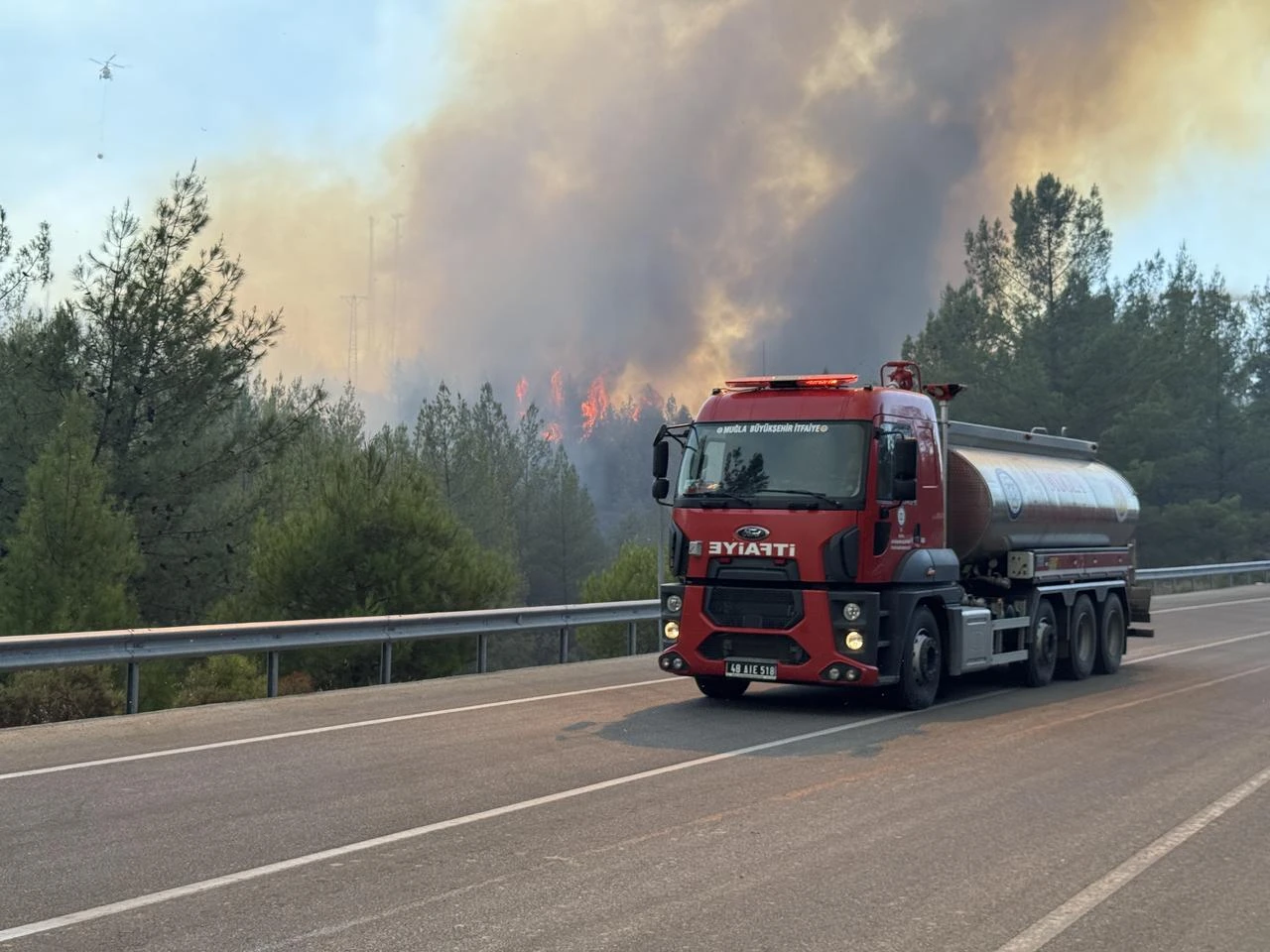
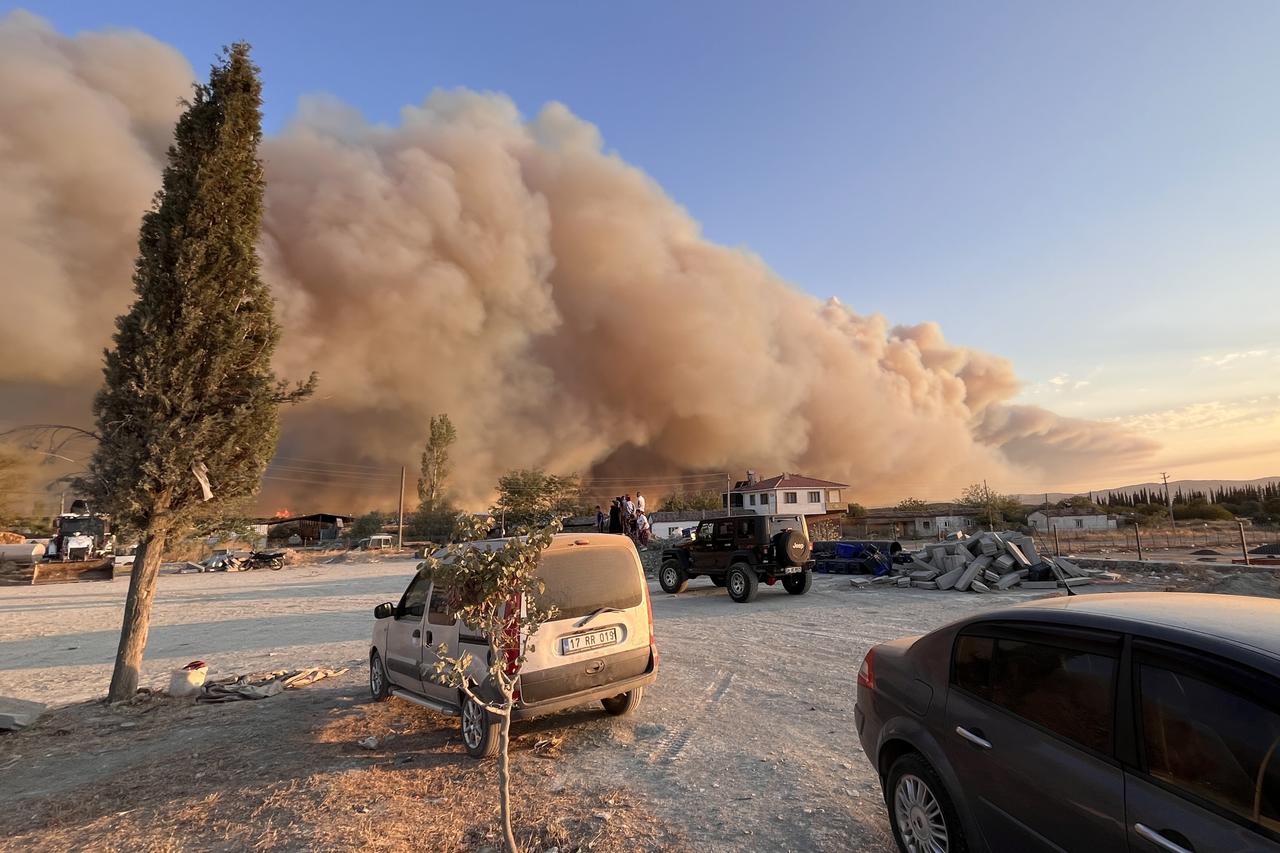
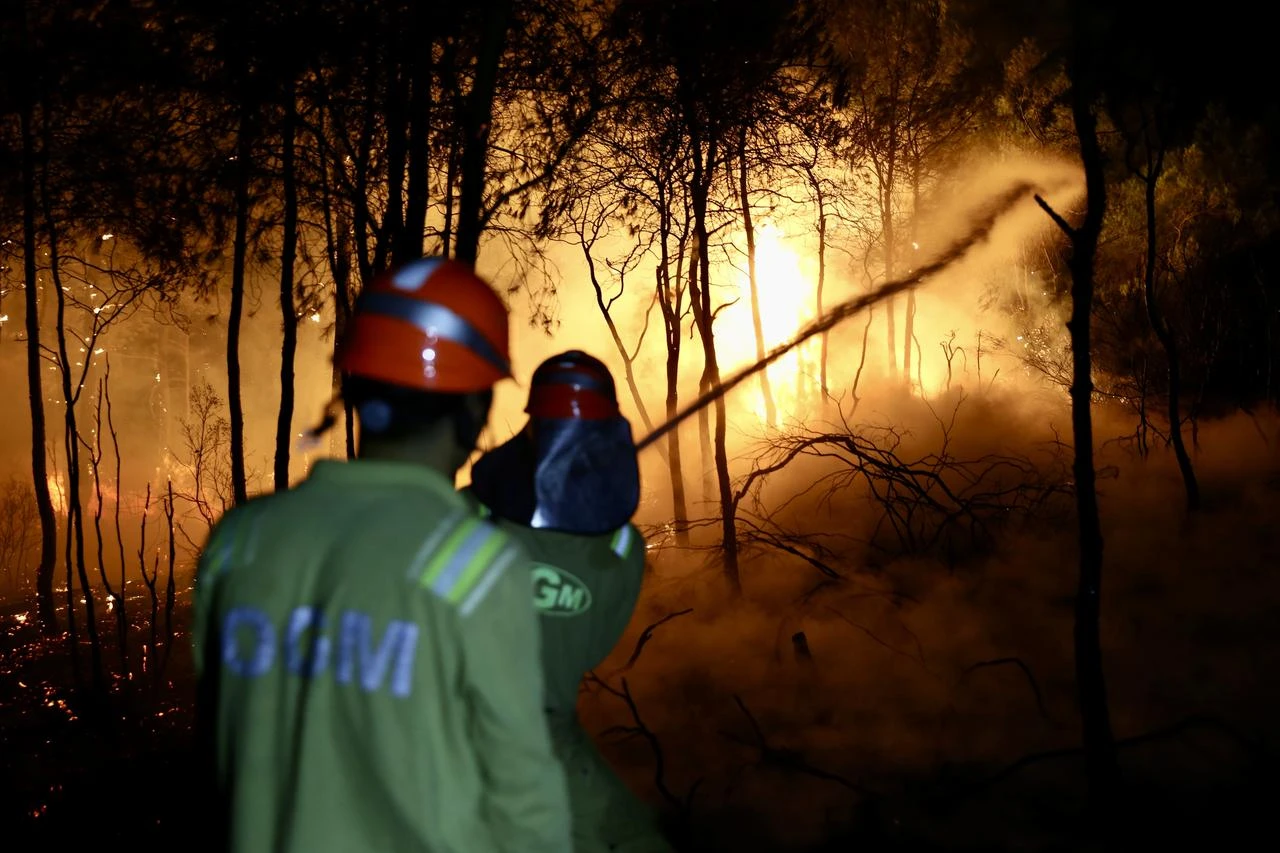
Wildfires also affected southern Türkiye, where flames in Mugla led authorities to shut down the main road connecting Fethiye and Antalya.
Parts of a hospital in the area were evacuated as a precaution while emergency teams worked to contain the fire and protect nearby communities.
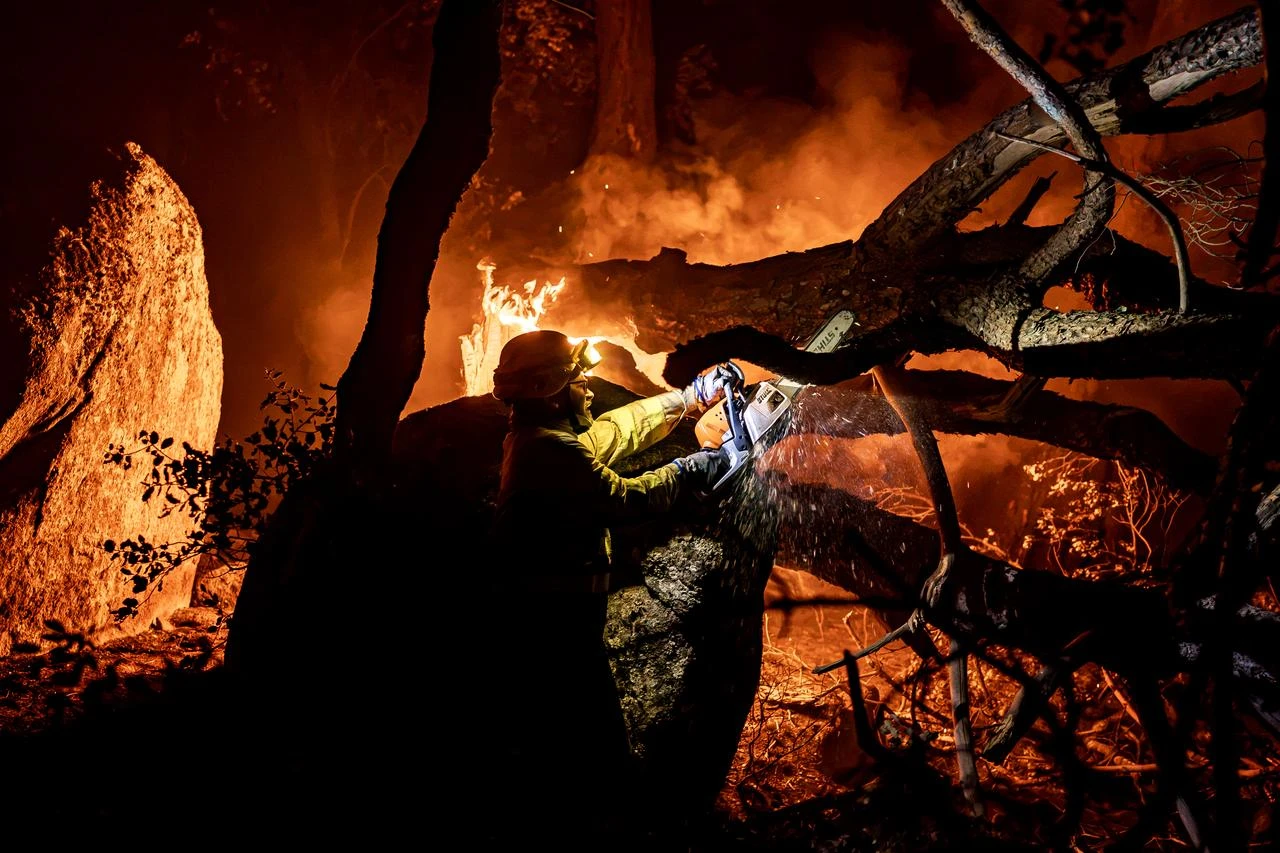
Spain continued to battle major wildfires, including a blaze near Madrid that prompted Prime Minister Pedro Sanchez to describe the following 12 hours as "decisive."
More than 43,000 hectares were burned around Burgohondo in the Avila region, in what was described as the largest wildfire recorded in Spanish history.
The total area burned across Spain since the beginning of the year has exceeded 207,000 hectares.
Officials said the fire did not move forward overnight, although rising temperatures and falling humidity raised fears that the flames could pick up again.
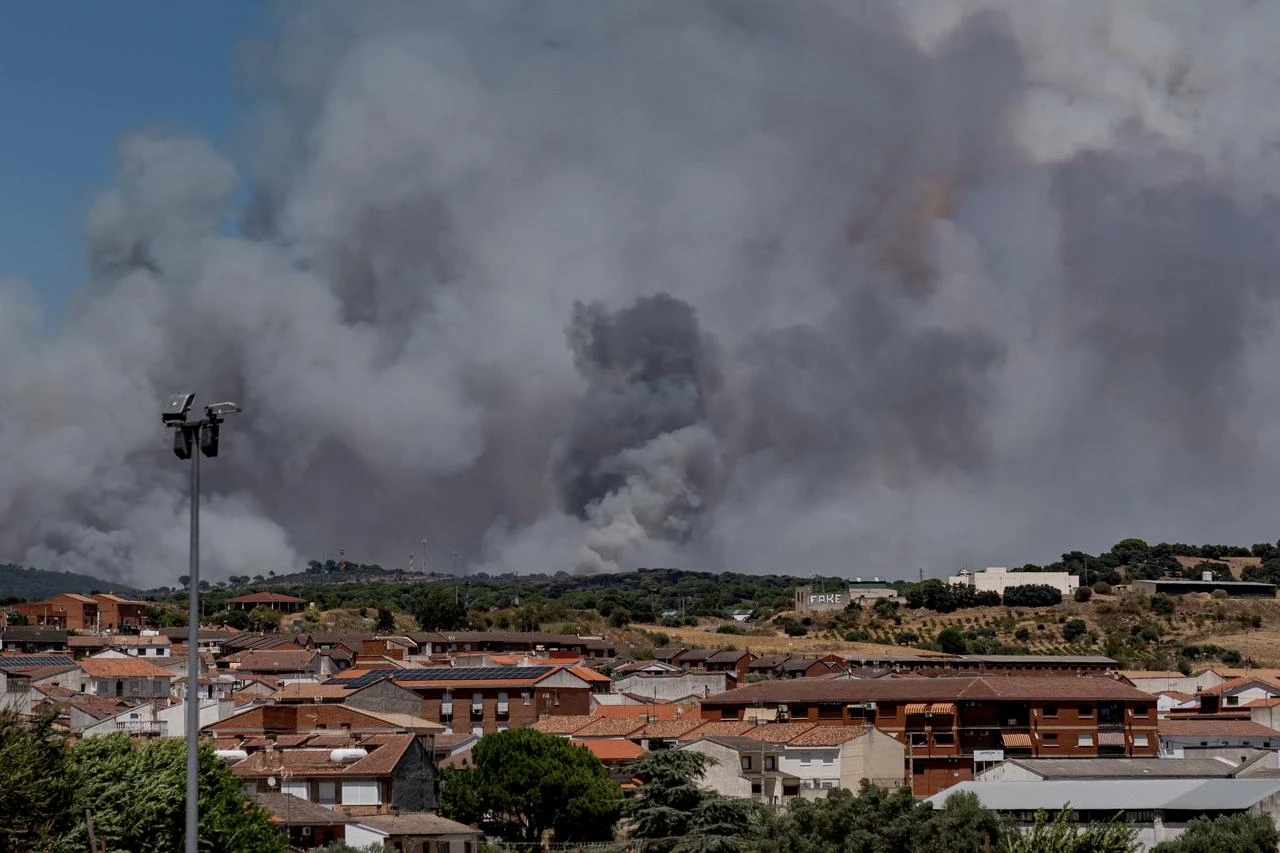
Emergency crews were working to secure a fire perimeter stretching for around 180 kilometers.
Thousands of people evacuated from Madrid, Toledo, Avila and Castellon were later allowed to return. In the Madrid region, around 24,000 people were cleared to go back home, while restrictions affecting another 20,000 were lifted.
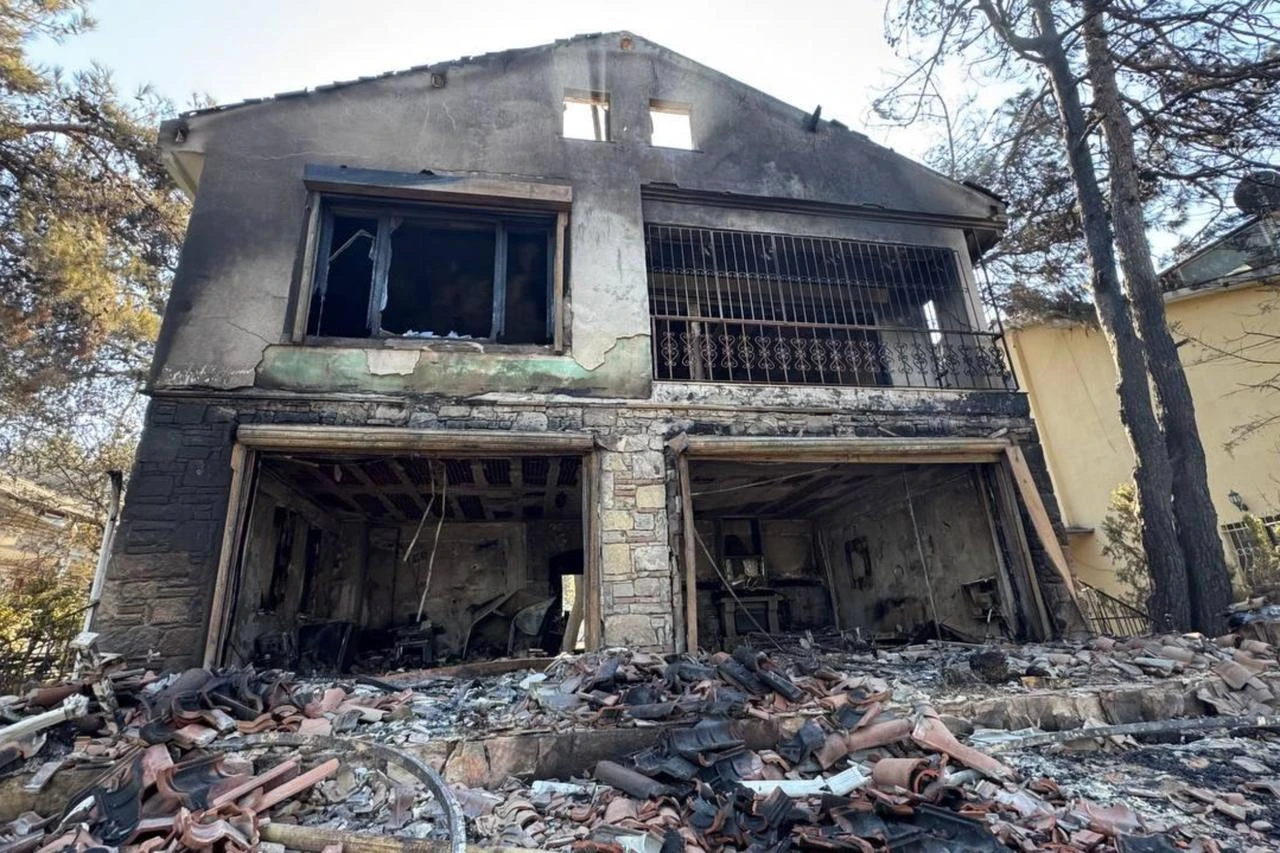
Chapineria Mayor Lucia Moya said the fires had caused severe damage and left many people without homes or businesses, adding that recovery would be long and difficult.
A separate wildfire near Vall d'Uixo, northwest of Valencia, remained out of control.
In Almeria, a woman who had been seriously injured in the Los Gallardos fire died in the hospital. Fires in the province had previously killed 14 people, including citizens of Britain, Belgium, the United States, France and Spain.
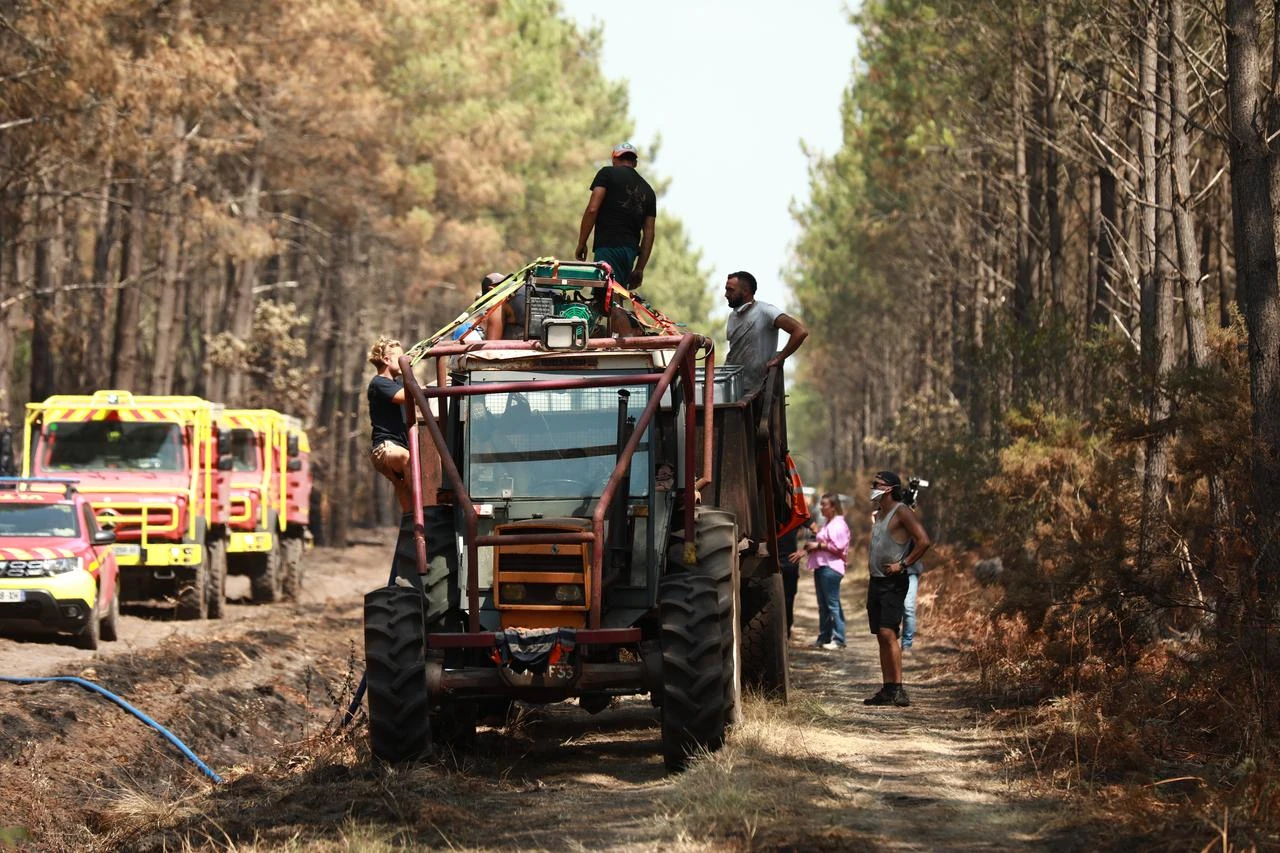
In southwestern France, major fires in Gironde were largely stabilized, although flames flared up again in some locations.
Authorities warned that dry winds and temperatures expected to reach 41 degrees Celsius could keep the wildfire threat high.
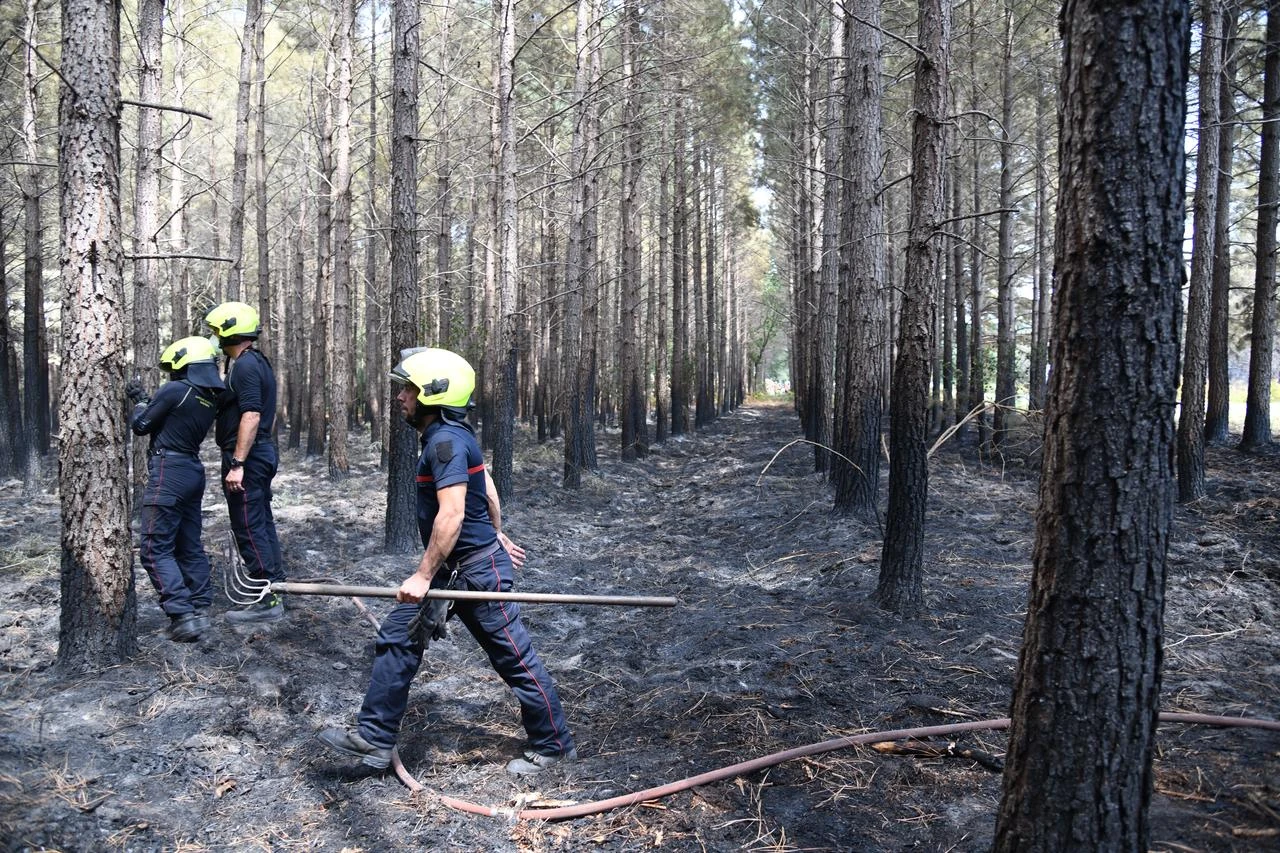
Orange heat wave alerts were issued across 16 administrative regions, including Gironde and Landes.
Firefighters also stepped up protection around defense and aerospace facilities where hazardous materials used in missiles and rockets are produced.
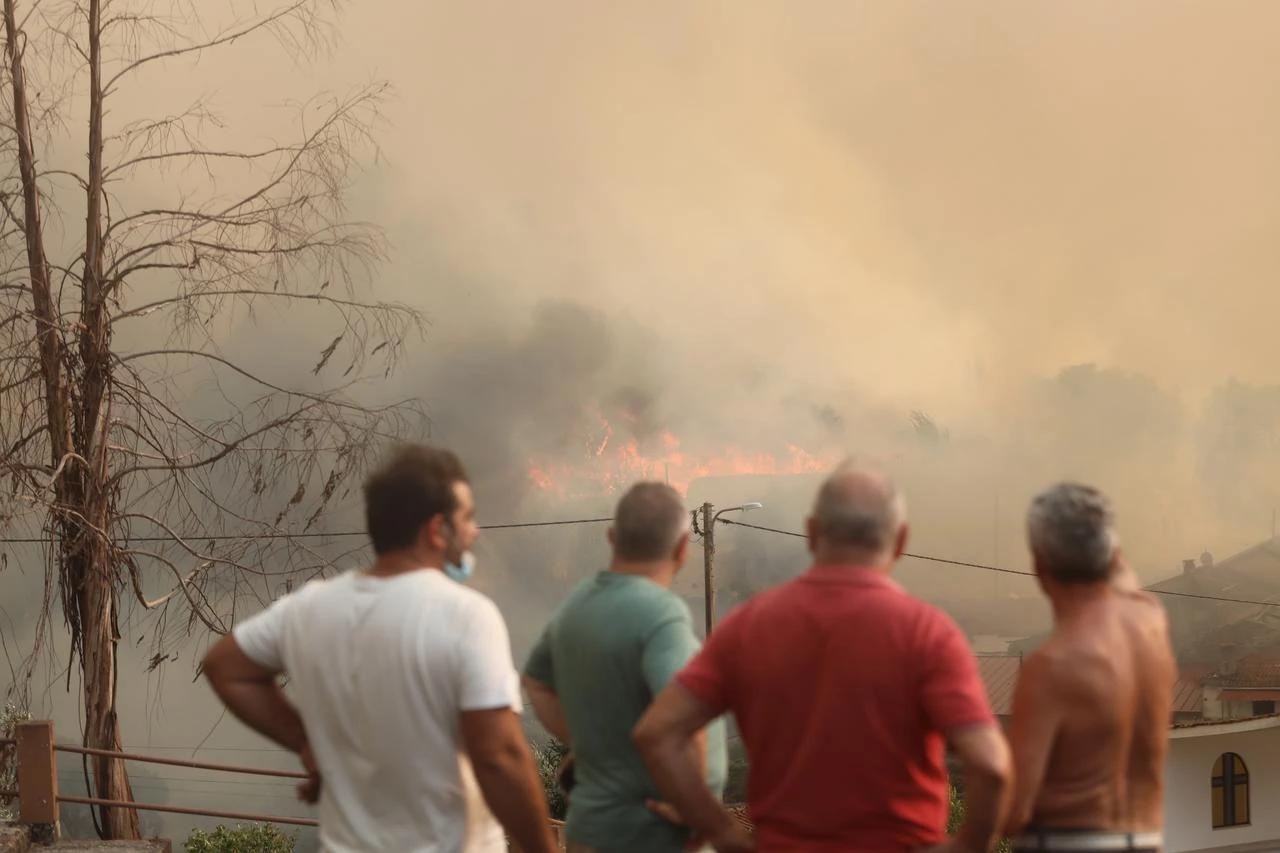
Wildfires remained active in the Vila Real region of northeastern Portugal.
Civil protection officials were closely following a fire front of around one kilometer near Valpacos, while crews took precautions to protect a water treatment plant and a gas storage facility.
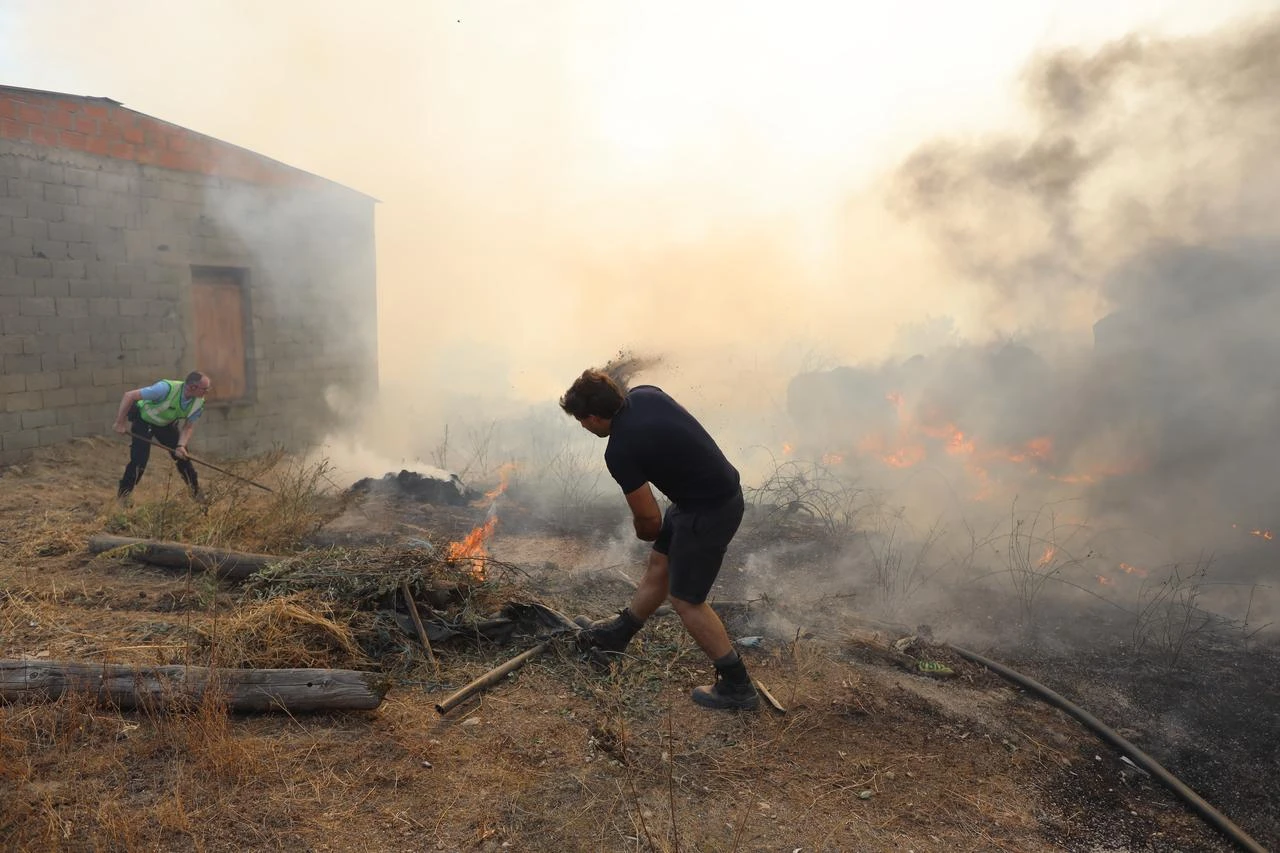
According to the Copernicus Climate Change Service, Europe is warming at twice the global average rate, making it the fastest-warming continent.
Rising temperatures are increasing the frequency of summer heat waves, adding pressure to water supplies and creating conditions in which wildfires can spread more intensely.


 Set as preferred source
 Set as preferred source


 0 min read