Newsletters


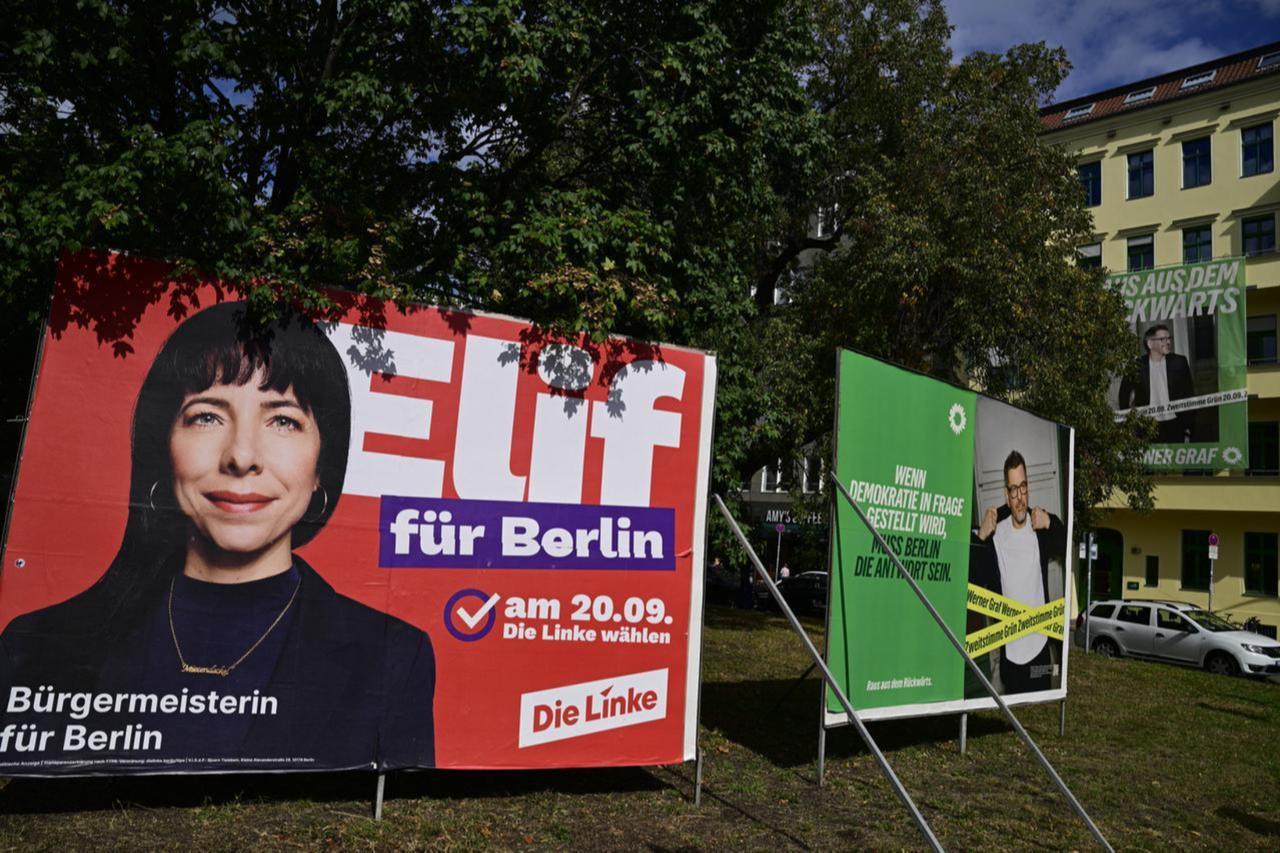


Germany's Left Party (Die Linke) overtook Chancellor Friedrich Merz's Christian Democratic Union (CDU) to finish first in Sunday's Berlin state election, while the far-right Alternative for Germany (AfD) won the largest share of the vote in the northeastern state of Mecklenburg-Western Pomerania, according to exit polls and early projections from public broadcasters ARD and ZDF.
In Berlin, Die Linke, led by top candidate Elif Eralp, took 24.5% of the vote, a gain of 12.3 percentage points over the party's previous result, projections showed. The CDU, which currently governs the German capital in coalition, fell to second place with 20%, down 8.2 points. The AfD placed third with 16%, up 6.9 points from the last election.
In Mecklenburg-Western Pomerania, the AfD topped the poll with 37%, narrowly ahead of the center-left Social Democratic Party (SPD) on 35.5%. The CDU collapsed to 5.5% in the state, just above the 5% threshold required to enter parliament, in what would mark the party's worst result in its history there.
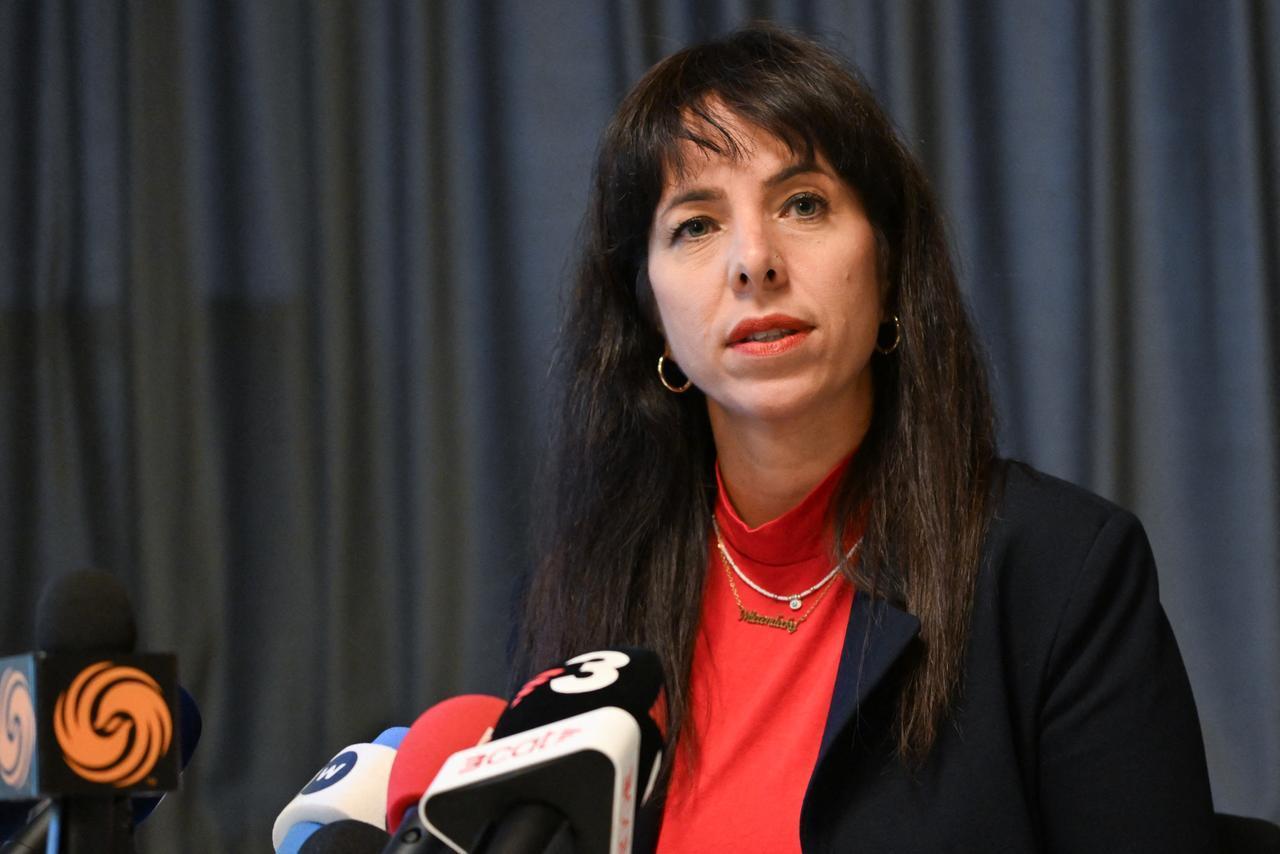

Eralp, 45, is a Turkish-German lawyer who has served in the Berlin House of Representatives since 2021 and became deputy chair of Die Linke's parliamentary group in 2024.
Born in Munich in 1981 to parents who had fled Türkiye as political asylum seekers following the 1980 military coup, she has lived in Berlin for 16 years and became deputy state chair of Die Linke in 2025. A win in the mayoral race would make her Germany's first female state leader with a migration background.
Eralp studied law in Hamburg, interned with the U.N. High Commissioner for Refugees, and spent roughly 11 years as a legal adviser for Die Linke in the Bundestag before entering Berlin's state parliament.
Her campaign has centered on housing affordability, migration and social inequality, including support for implementing the results of Berlin's 2021 housing referendum, in which 57.6% of participating voters backed beginning a legal process to bring large private housing stocks into public ownership.
She has also called for capping rents in apartments owned by Berlin's public housing companies. Media coverage has frequently compared her to New York City politician Zohran Mamdani, citing similarities in their immigrant backgrounds and focus on affordability.
Behind Die Linke and the CDU in Berlin, the Greens were projected to take 15% of the vote, while the SPD dropped to 12%, a decline of 6.4 points. The populist Sahra Wagenknecht Alliance (BSW) stood at exactly 5%, leaving its entry into the state parliament uncertain. The business-friendly Free Democratic Party (FDP) was projected at 2.5%, short of the threshold needed for representation.
Despite the AfD's gains in the capital, the party appeared set to remain excluded from power under a long-standing "firewall" arrangement in which Germany's other major parties have agreed not to form coalitions with it.
In Mecklenburg-Western Pomerania, the SPD's brief lead in the final pre-election poll did not hold, and the party's supporters, who had been counting down euphorically as projections were announced, were met with silence once the results appeared. The state's SPD premier, Manuela Schwesig, had been her party's top candidate.
The Left Party looked set to clear the threshold comfortably with 7.5%, while the Greens were projected at 5.5%. The BSW again registered exactly 5%, leaving its parliamentary status undecided as counting continued. Should the BSW secure seats, it would complicate the arithmetic for any potential coalition among the SPD, the Left and the Greens.
The AfD's result, while its strongest ever in the state, fell short of the party's own ambitions. The party had hoped to surpass 40% after its candidate Leif-Erik Holm campaigned on momentum from a recent state election in Saxony-Anhalt, where AfD figure Ulrich Siegmund helped the party win nearly 44% of the vote.
That surge did not carry over into the Mecklenburg-Western Pomerania campaign in the weeks that followed.
The CDU's showing in Mecklenburg-Western Pomerania, hovering just above the parliamentary threshold, represented a severe blow for the party nationally. Merz's Christian Democrats currently lead the federal governing coalition in Berlin, and a result below 5% in the state would have raised questions about the chancellor's own political standing, according to the reporting.
Final, certified results from both states were still being tabulated Sunday night, with the figures reported based on exit polls and early projections subject to change as counting continued.


 Set as preferred source
 Set as preferred source


 2 min read

 1 min read