Newsletters


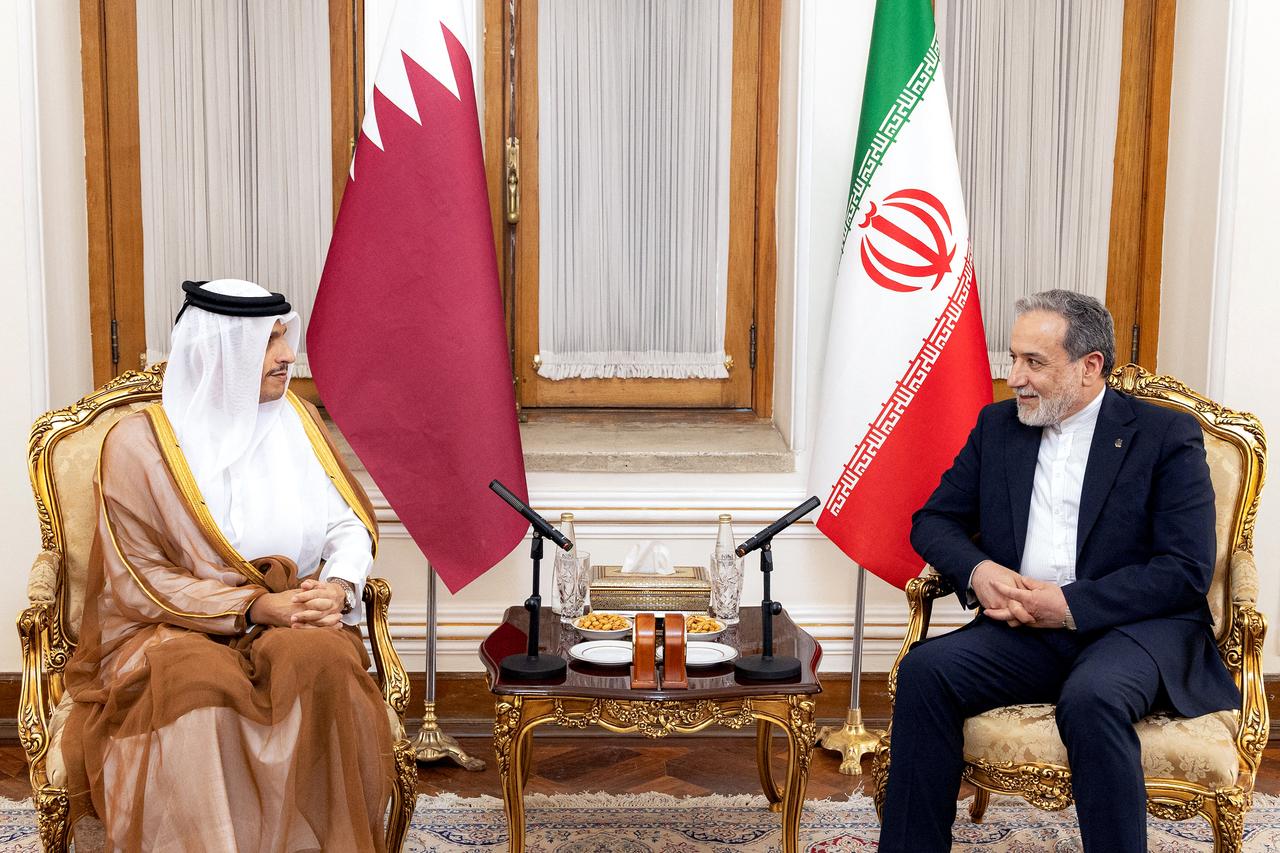


Iranian Foreign Minister Abbas Araghchi said Friday that diplomacy with the U.S. could still be restored if Washington abandons its pressure policy, recognizes Iran’s rights and fulfills its commitments, after six months of conflict between the two countries.
“Putting diplomacy back on track isn't impossible. It hinges on U.S. understanding of one simple fact: pressure doesn't work,” Araghchi wrote on the U.S.-based social media platform X.
“The U.S. should build trust, speak respectfully, acknowledge our rights, and uphold commitments,” he added.
His remarks came after what he described as “creative discussions” with Qatar’s Prime Minister and Foreign Minister Sheikh Mohammed bin Abdulrahman bin Jassim Al Thani, who visited Tehran as part of efforts to revive a diplomatic track that has been stalled for weeks.
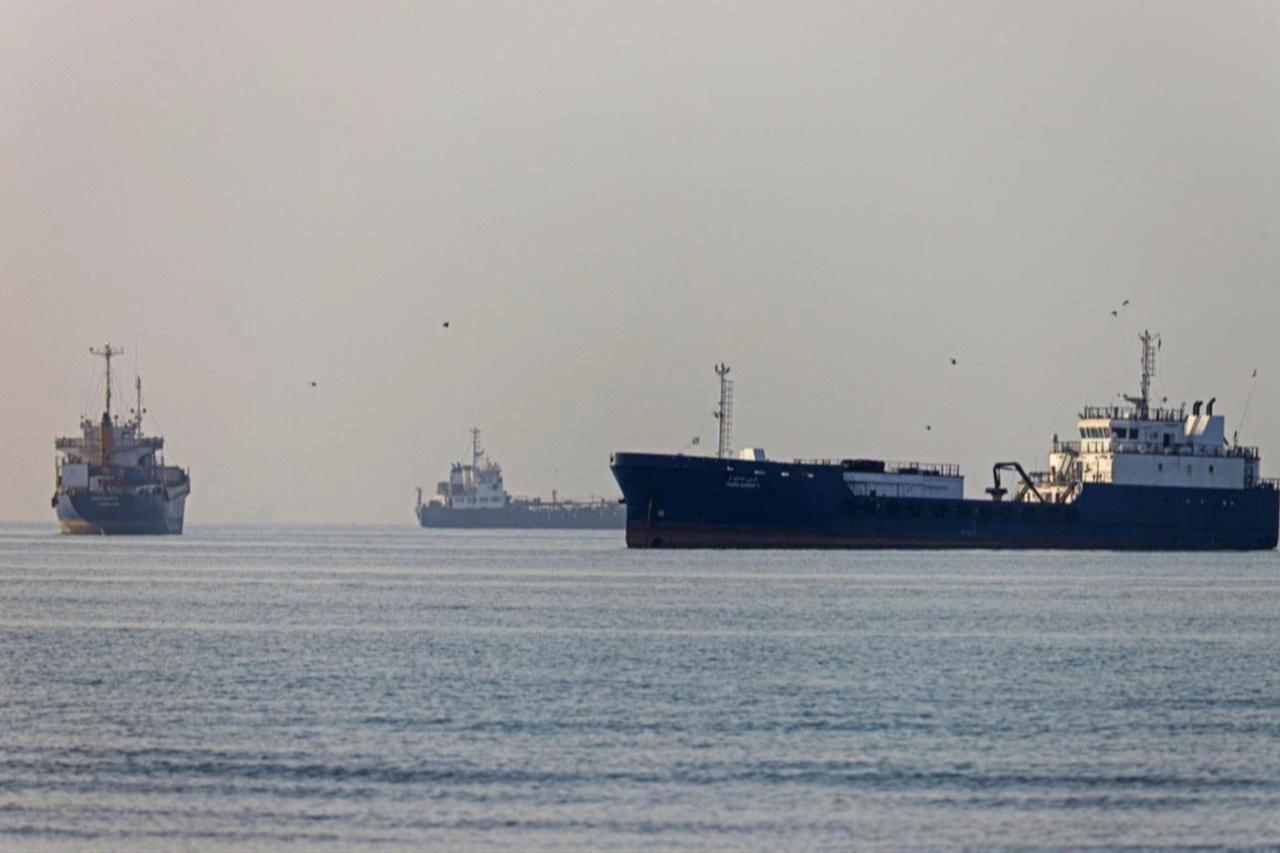
Qatar’s Foreign Ministry said Araghchi and Al Thani discussed efforts to reduce regional tensions and the clearing of mines from the Strait of Hormuz.
During his visit to Tehran, Al Thani also met Iranian President Masoud Pezeshkian and Parliament Speaker Mohammad Bagher Ghalibaf.
The Qatari visit came as the U.S. increased economic pressure on Iran, which has already faced international sanctions for decades.
Araghchi said Washington would need to change its approach if diplomacy were to resume, emphasizing confidence-building, respectful language, recognition of Iran’s rights and compliance with previous commitments.
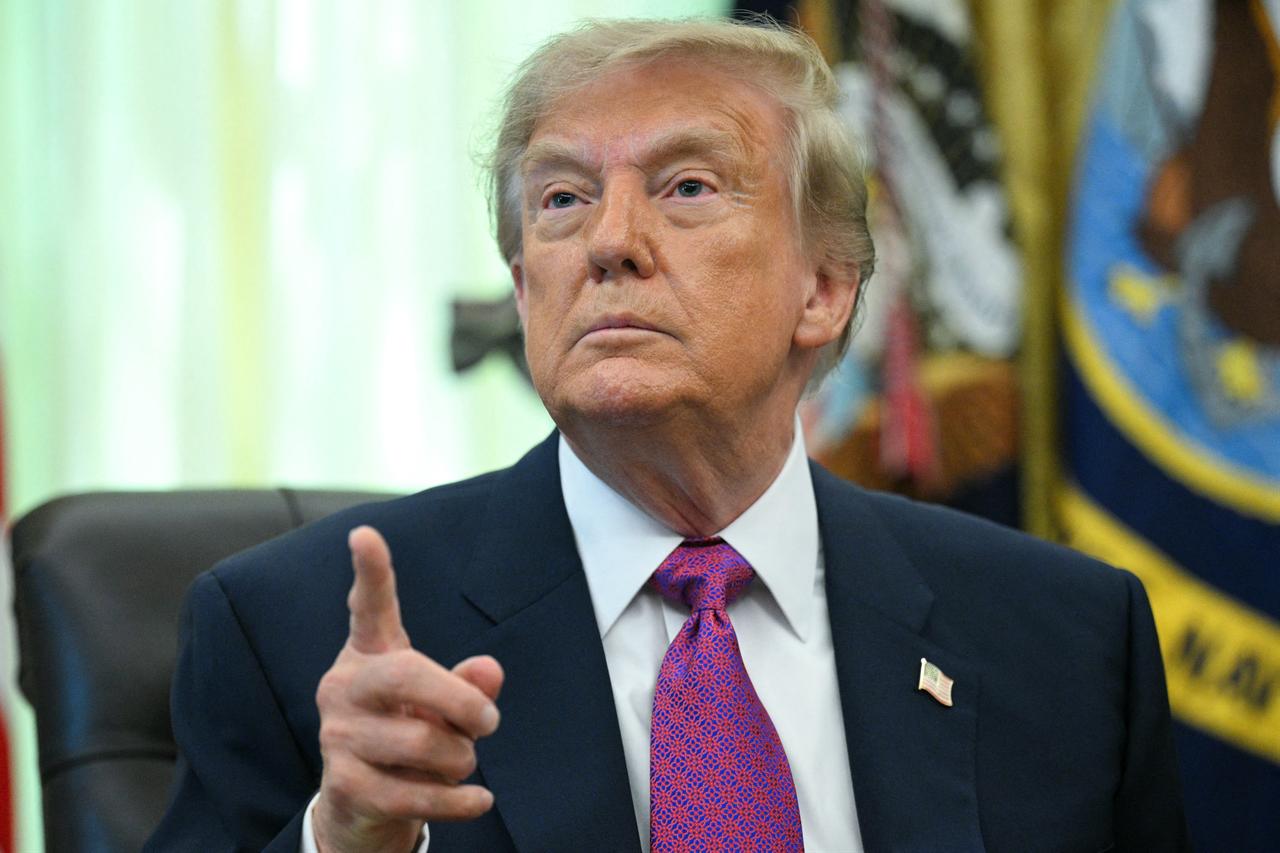

The conflict began in late February with U.S.-Israeli strikes on Iran.
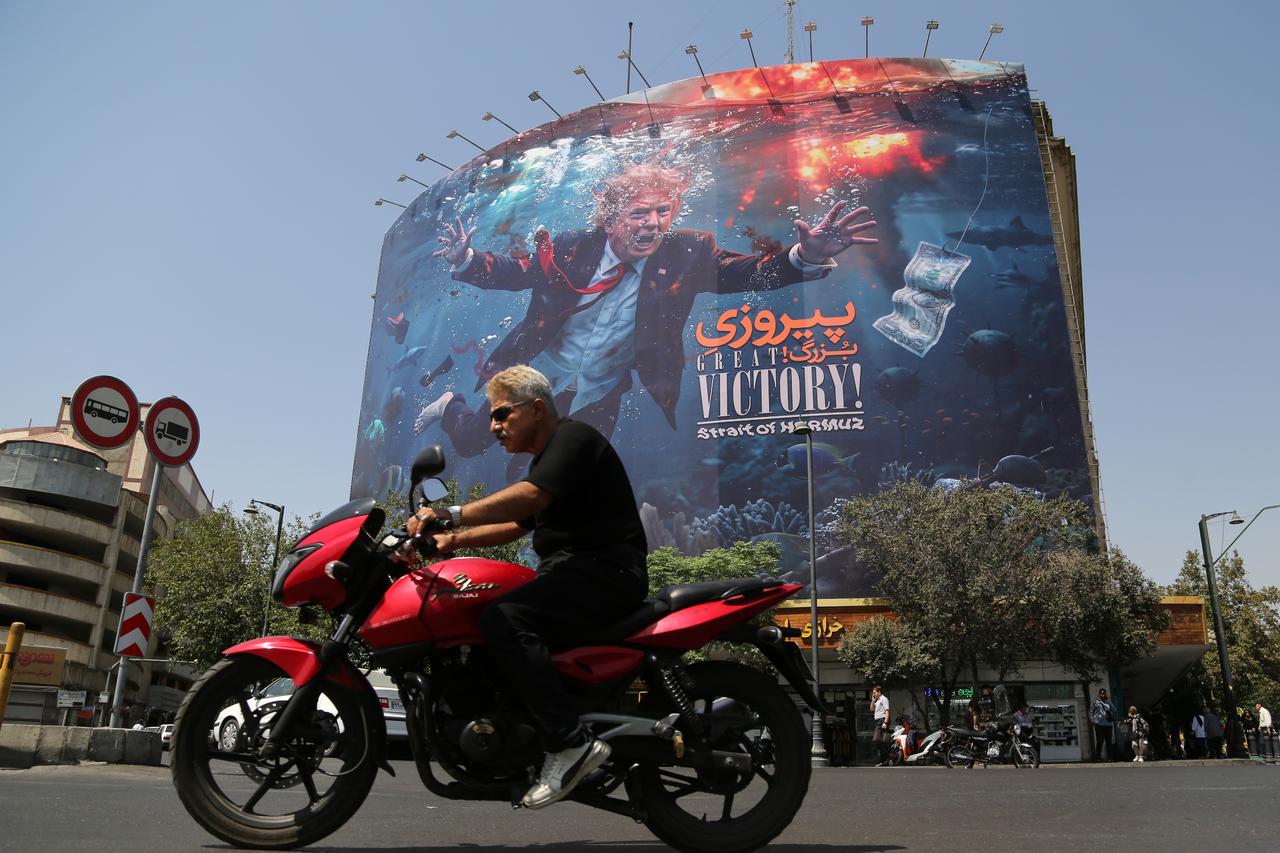
Iran retaliated with attacks directed largely at U.S. regional allies and shut the strategic Strait of Hormuz.
An April ceasefire brought nearly 40 days of intense fighting to an end, but sporadic attacks, mainly around the Strait of Hormuz, have continued and reduced prospects for a final peace agreement.
Diplomatic efforts have remained largely stalled in recent weeks.
Iran has also been holding talks with Oman for weeks over the future of navigation through the Strait of Hormuz.
Tehran has maintained that the waterway will remain closed until Washington fulfills what Iran describes as its commitments under a June memorandum of understanding.
Those demands include lifting the U.S. counter-blockade on Iranian ports and removing sanctions.
Araghchi said restoring diplomacy remained possible, but only if Washington concluded that continued pressure would not succeed.


 Set as preferred source
 Set as preferred source


 1 min read
 1 min read