Newsletters


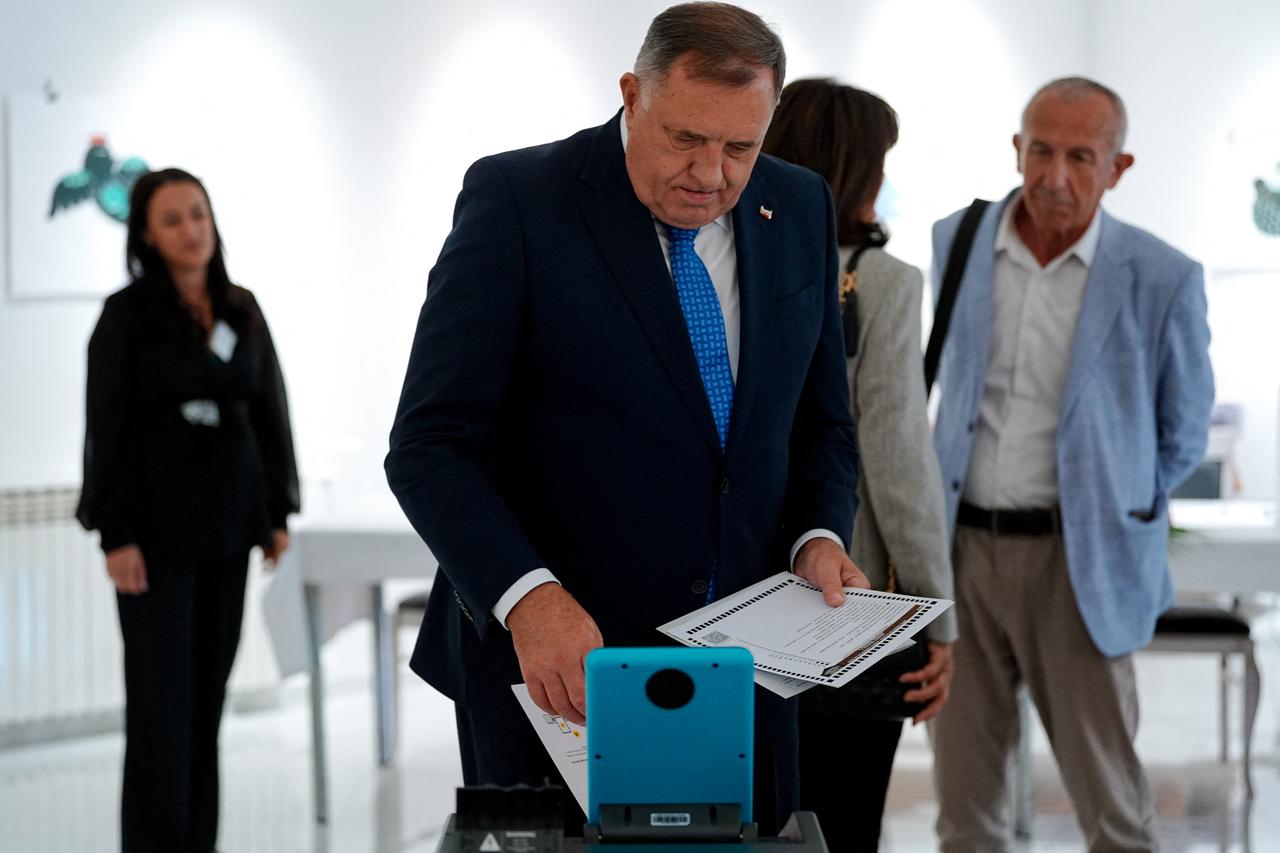


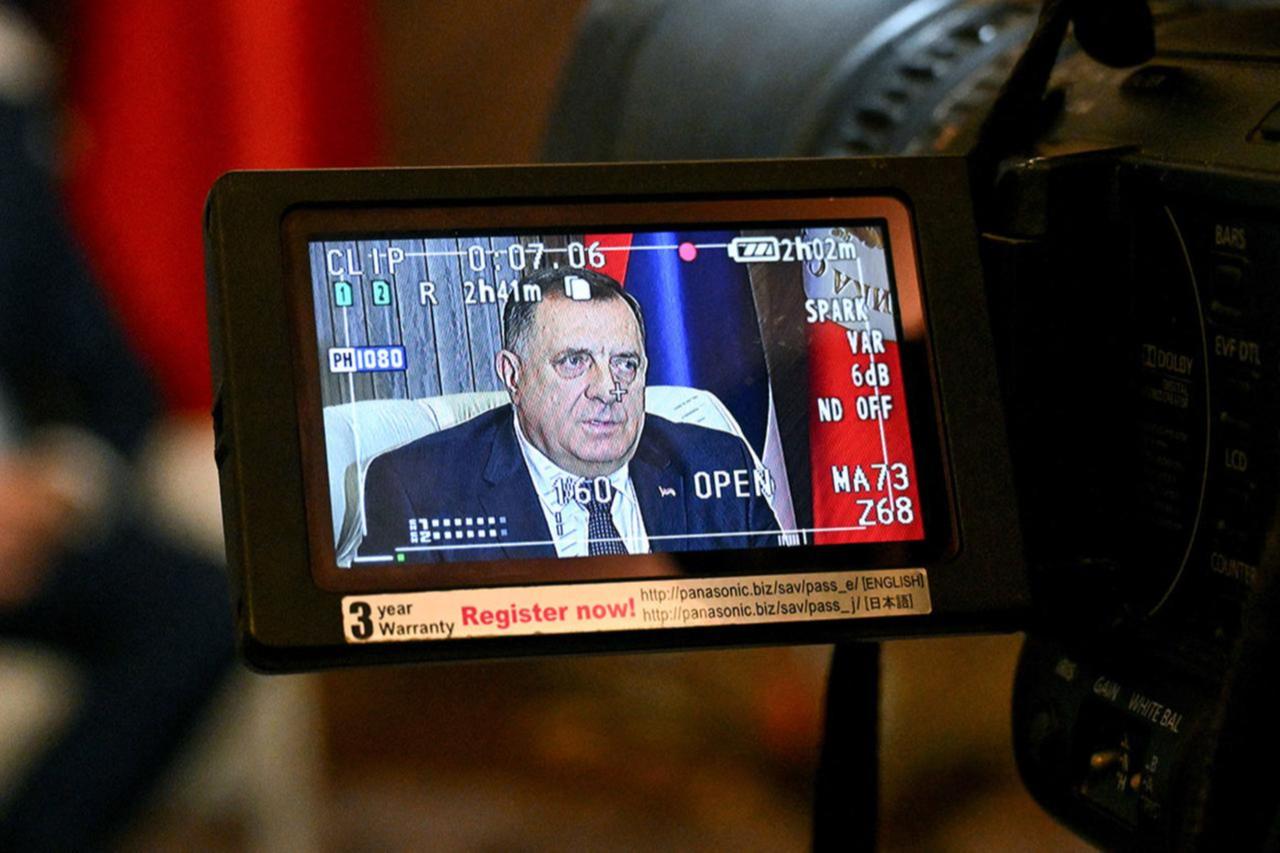
Milorad Dodik, the former president of Bosnia's Serb-run statelet, declared Sunday that his nationalist party had held onto power in the entity and retained its seat on Bosnia's tripartite presidency, as preliminary results from the country's general election showed turnout falling sharply from the previous vote.
The election was the first major test of a complex power-sharing system that has governed the divided Balkan nation since the 1995 Dayton peace agreement ended the Bosnian war.
At stake was control of the country's rotating presidency, which is split among Bosniak, Serb and Croat representatives, along with entity-level parliaments and leadership posts.
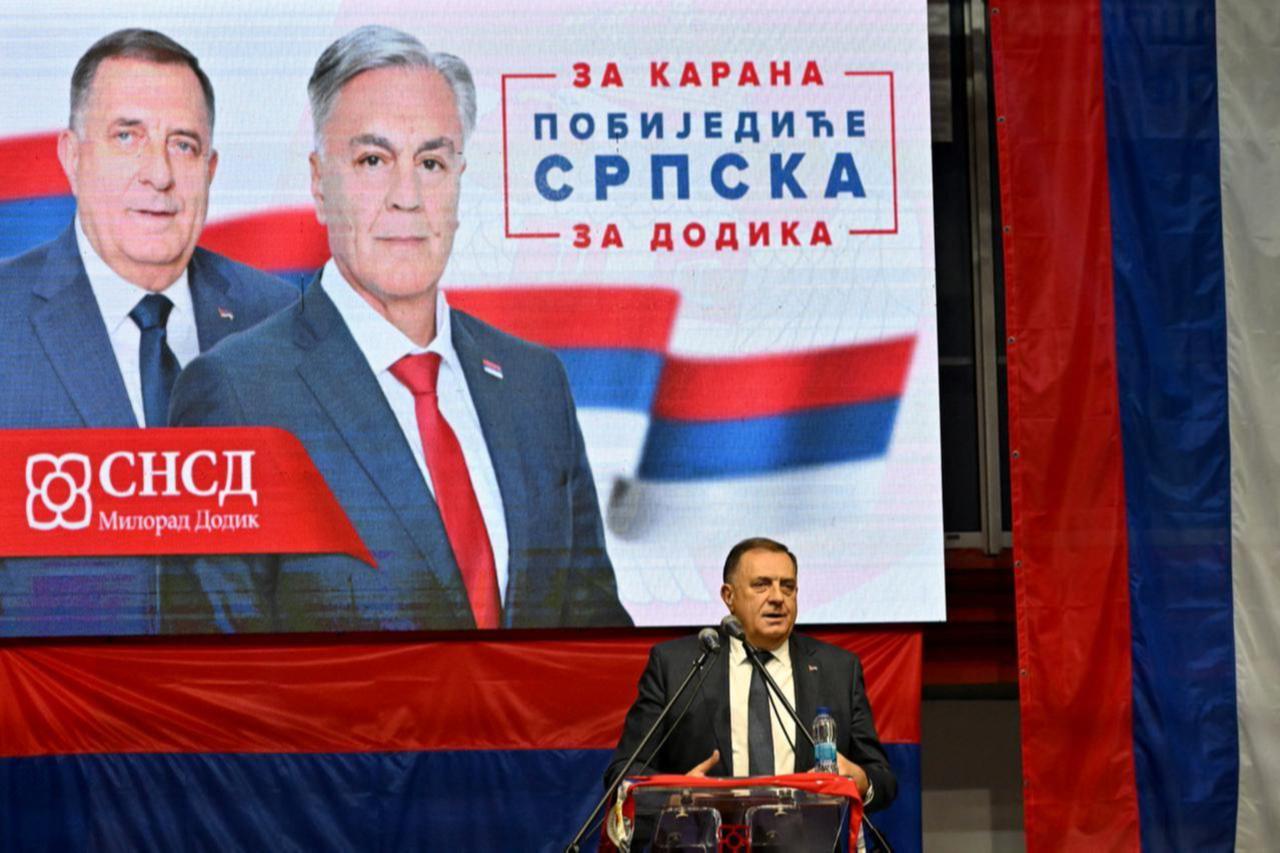

Addressing supporters in Banja Luka, the de facto capital of Republika Srpska, Dodik said his Serb nationalist movement had prevailed despite what he described as a hostile political climate.
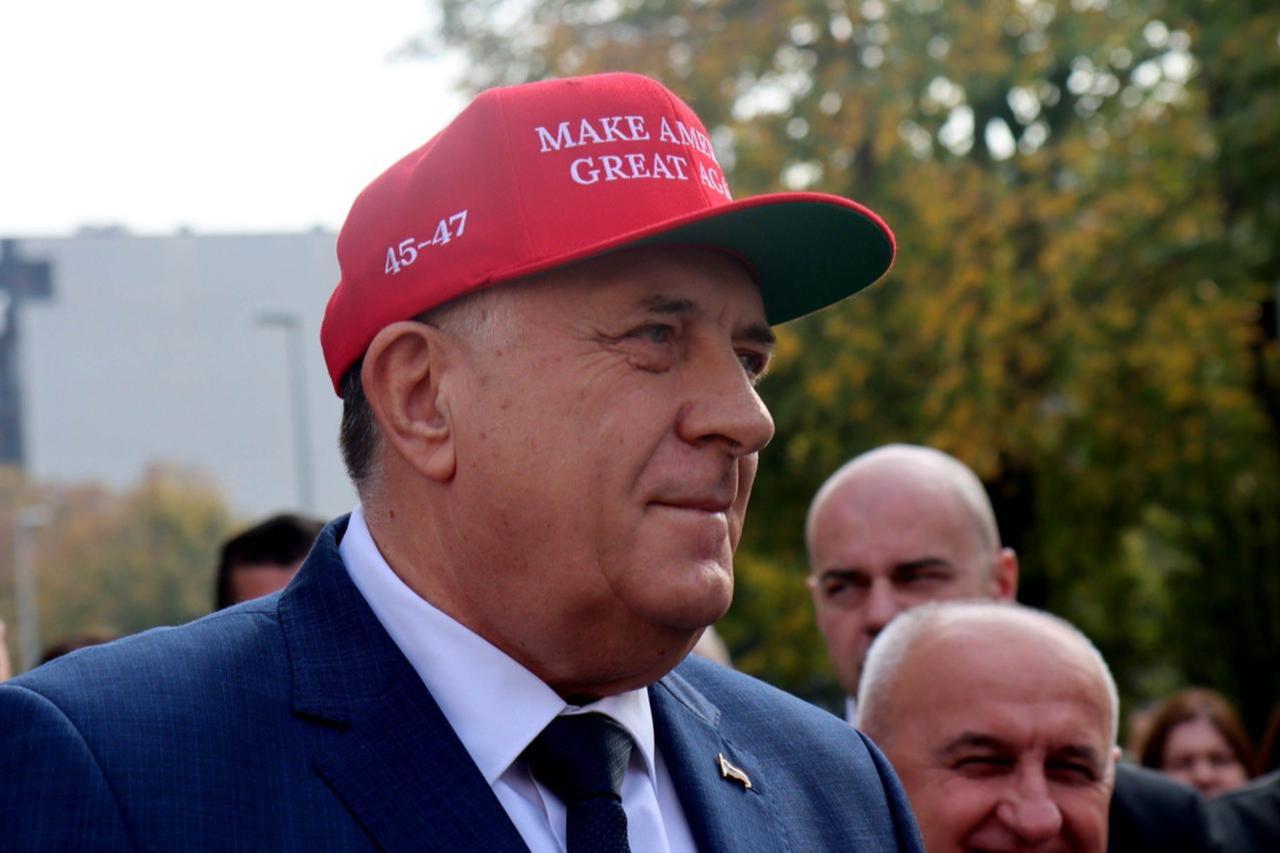
He credited the outcome in part to the American president, saying that without "Donald Trump's magnificent victory," his camp "would probably be political corpses today."
He also thanked Russian President Vladimir Putin, a longtime ally, before telling the crowd that "thanks to the new environment, we are political winners."
Dodik, 67, did not appear on the ballot himself. He was convicted of overstepping his powers and barred from holding the Bosnian Serb presidency for six years, a ruling that has not diminished his influence as the dominant figure in Republika Srpska politics. His party campaigned on a platform favoring greater autonomy for the Serb entity and secessionist rhetoric.
With 95 percent of ballots counted, electoral officials reported that Dodik's chosen candidate, Zeljka Cvijanovic, was on track to keep her seat on the national presidency.
Bosniak incumbent Denis Becirovic was also leading in his race, while Croat nationalist candidate Darijana Filipovic held a lead for the Croat seat.
Dodik's party was similarly projected to retain control of the Republika Srpska parliament and entity presidency by a wide margin.
The Dayton agreement, brokered by the United States, halted the 1992-1995 war but left Bosnia split into two semi-autonomous entities, Republika Srpska and a Muslim-Croat federation, joined by a weak central government.
The arrangement has frequently left decision-making paralyzed, a dynamic that played out again in this election as major parties leaned heavily on wartime ethnic narratives rather than policy debates.
That focus frustrated some voters in one of Europe's poorest countries, who said they had hoped candidates would address economic hardship instead. Merima Cerim Karisik, an economist who voted in a northern Sarajevo suburb, told AFP she wanted to see "that what we have seen over the past 30 years will finally come to an end."
Amela Hadzic, who voted at the same polling station, said the country felt as though it had regressed in recent years. "I hope people have seen that things cannot go on like this," she said, adding that she doubted major changes would follow but hoped "things will at least get better, however little."
 1 min read
The election marked the first use of biometric identification and scanned paper ballots at polling stations nationwide. Authorities said technical problems had forced extended voting hours at some locations but reported no major incidents.
Turnout fell to roughly 42 percent, a drop of nearly 10 percentage points from the 2022 general election, according to official figures.
In the Muslim-Croat federation, presidential frontrunner Becirovic has campaigned on pursuing membership in the European Union and NATO.
But a continued hold on power by Dodik's party makes it likely that the political deadlock blocking reforms tied to EU accession will persist. Dodik and his party, in power for two decades, have repeatedly clashed with Bosnia's central government and have openly opposed EU membership.
Croat nationalist parties, meanwhile, are pressing for electoral reform that would give them greater control over the selection of the Croat presidency member in the federation they share with the more populous Bosniak community.


 Set as preferred source
 Set as preferred source


 1 min read