Newsletters


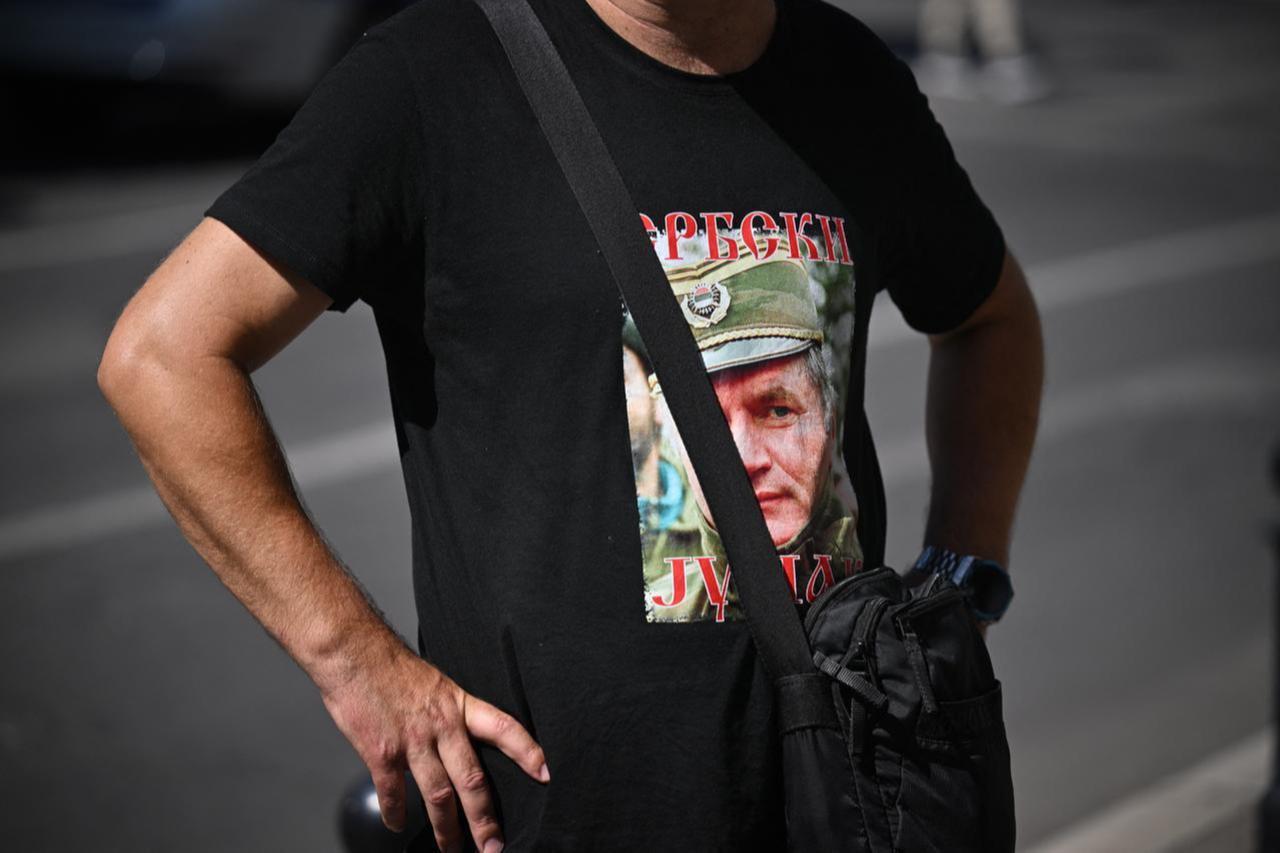


Bosnia and Herzegovina's foreign minister has called for international sanctions against those responsible for the state and military funeral held for convicted war criminal Ratko Mladic in Serbia, warning that the ceremony amounted to an institutional act by the Serbian state rather than a private gathering.
Foreign Minister Elmedin Konakovic made the appeal in a video message posted to the Foreign Ministry's account on the social media platform X, saying Serbian state institutions, political authority and military elements had all been mobilized for the funeral of Mladic, who was serving a life sentence for genocide, crimes against humanity and war crimes linked to the Srebrenica genocide.
Konakovic said members of the Serbian army had been deployed at the ceremony where Mladic's body was buried.
"This was not a spontaneous gathering organized by individuals to pay respect to a convicted war criminal," he said.
"This was an institutional act of the Serbian state. Therefore, responsibility must be addressed at the highest level, directly with Serbian President Aleksandar Vucic."
He added that every round fired during a salute at the ceremony was, in effect, "fired at the relations between Bosnia and Herzegovina and Serbia, at European values, at the principles of international justice, at the dignity of the victims and survivors of genocide and war crimes, and at the peace and stability of the entire region."
Konakovic said Bosnians still vividly recalled the events of the 1990s, which he described as having led to death, destruction and some of the gravest crimes committed in Europe since World War Two.
"We are deeply concerned, we are cautious, and we want to act now, before a similar scenario is allowed to happen again in our country," he said.
He urged the leaders of the United States, the European Union and the United Kingdom, as well as member states of the Organisation of Islamic Cooperation, to impose sanctions on those responsible for organizing Mladic's state and military funeral. "Act this time, before it is too late," he said.
Mladic was born in 1942 in the village of Bozanovici, near Kalinovik in eastern Bosnia and Herzegovina.
He received his military training in Belgrade and served on active duty in the Yugoslav People's Army.
In May 1992 he was appointed chief of the General Staff of the Army of Republika Srpska in Bosnia and Herzegovina, a position he held until 1996.
The International Criminal Tribunal for the former Yugoslavia first indicted him on July 24, 1995. After the war in Bosnia ended, Mladic fled to Serbia, where he remained in hiding for roughly 16 years.
Serbian authorities maintained at the time that they were unable to locate him, though allegations later surfaced that he had been shielded for years by figures within state institutions.
Footage aired on a local television program showed Mladic socializing and being photographed in crowded settings during the period he was a wanted man.
He was captured on May 26, 2011, in the village of Lazarevo near Zrenjanin, Serbia, and was transferred to The Hague on May 31, 2011.
His trial opened on May 16, 2012, and he denied all charges against him. Mladic was widely regarded as the chief architect of the Srebrenica genocide, in which 8,372 Bosniak civilians were killed in July 1995.
He died on August 27 after suffering serious health problems while in detention in The Hague.
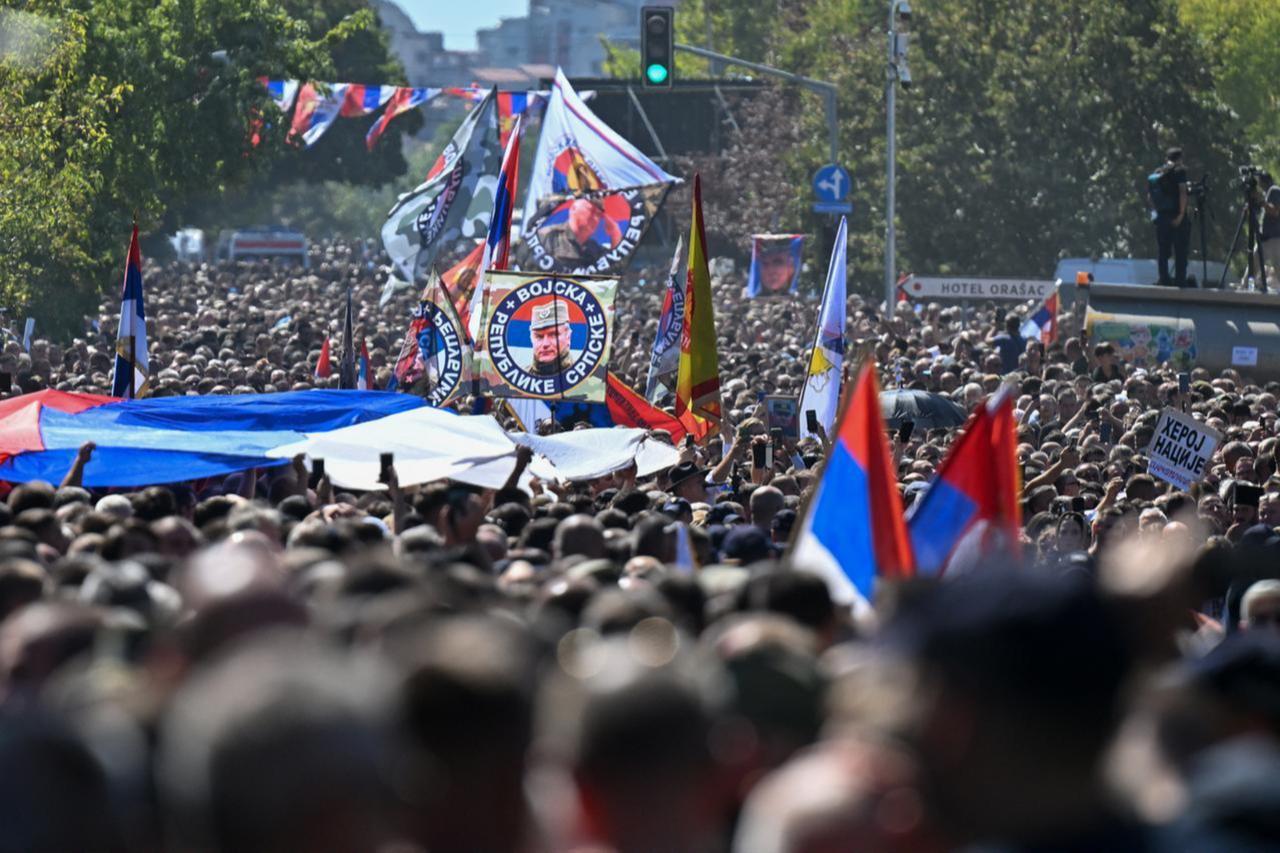
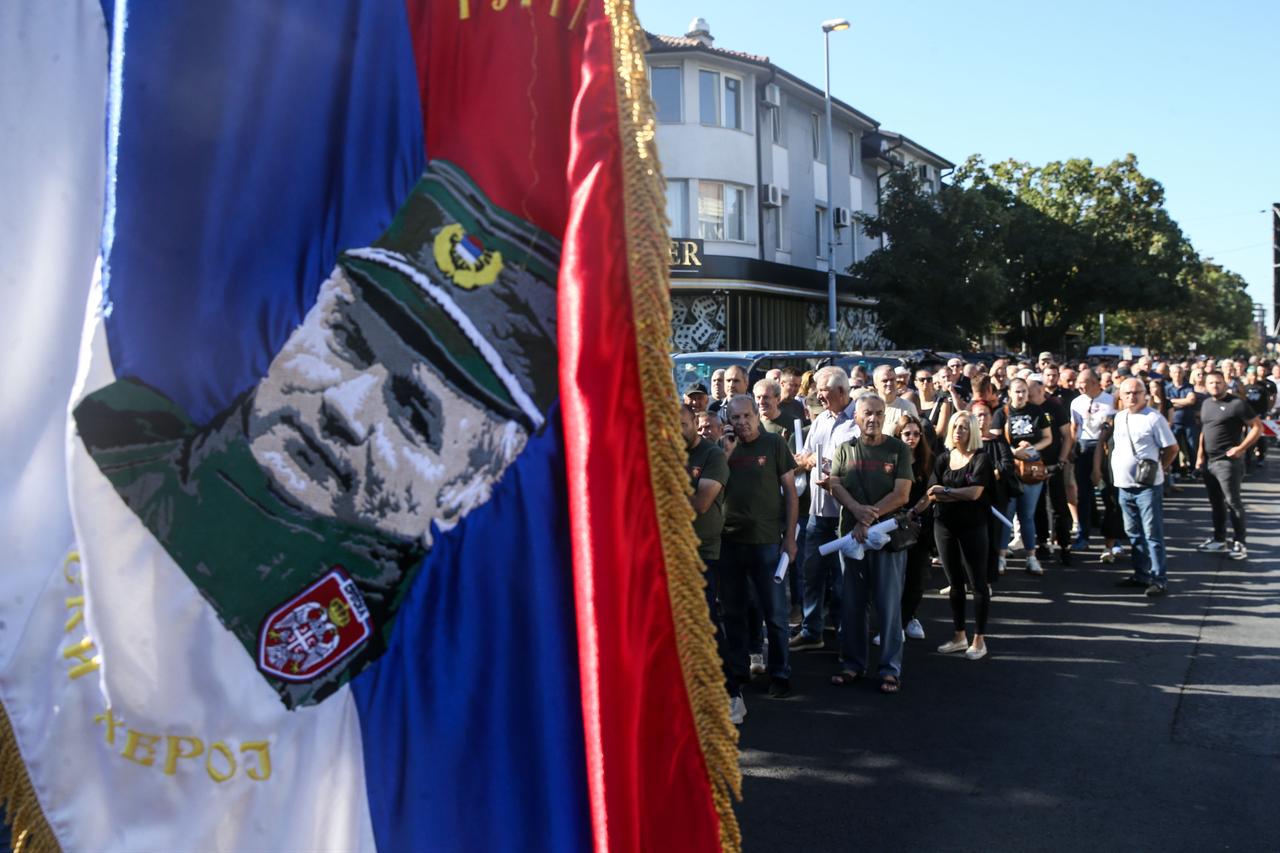
His body was buried on September 7 in an official ceremony in Belgrade attended by numerous Serbian officials, a funeral that drew criticism over Serbia's decision to hold a state ceremony for a convicted war criminal.


 Set as preferred source
 Set as preferred source


 1 min read
 1 min read