Newsletters


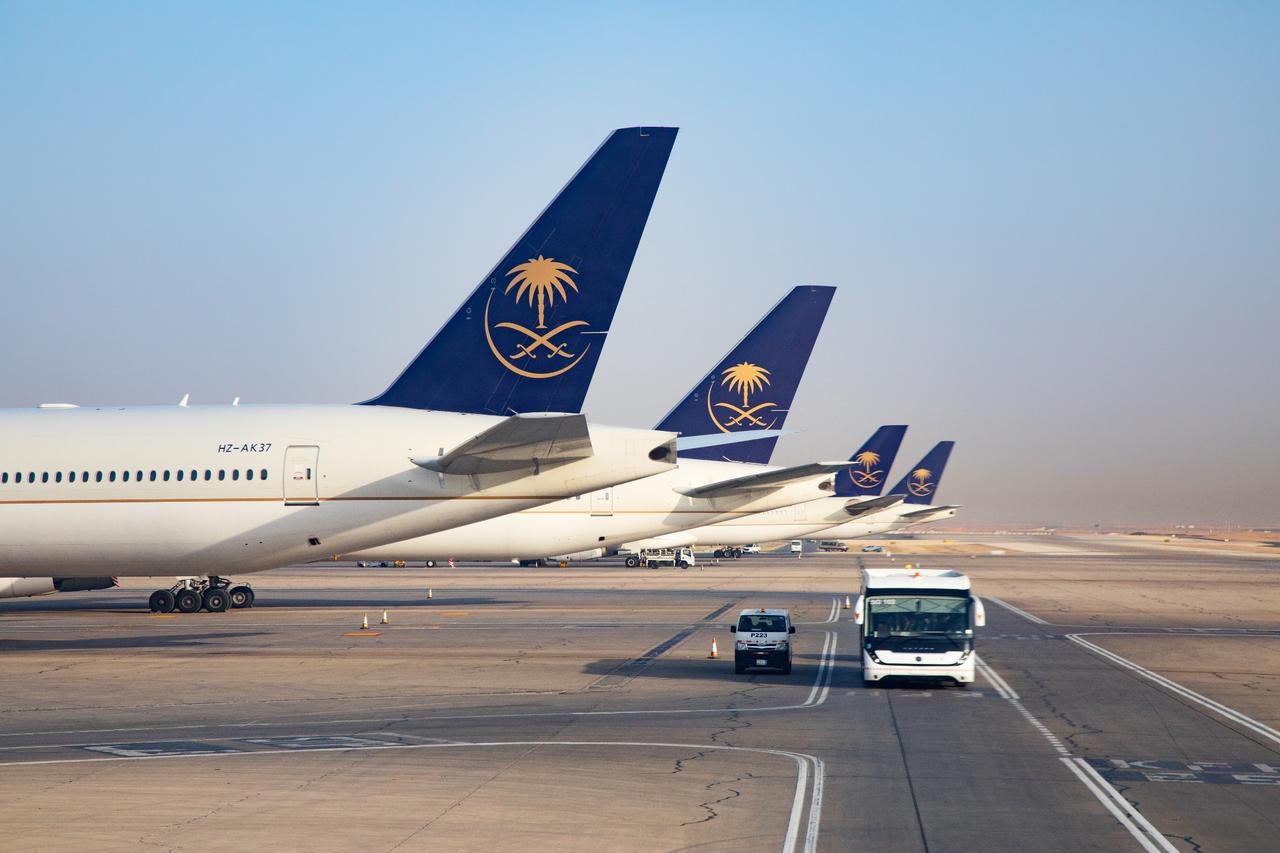


The European Union Aviation Safety Agency (EASA) has expanded its warning for Saudi Arabian airspace after Houthi missile and drone attacks hit two airports, raising concerns about the safety of civilian flights across a wider area of the kingdom.
In an updated conflict-zone advisory issued Friday, the regulator warned that the Yemen-based group has demonstrated both the ability and intent to strike targets farther inside Saudi Arabia, including around Riyadh, Tabuk, Medina and Yanbu.
The warning comes amid a broader escalation of military activity across the region, with repeated attacks targeting the Saudi capital and its airport in recent weeks.
Saudi Arabia's Civil Aviation Authority reported that Houthi attacks on Abha International Airport in the southern city of Abha and King Khalid International Airport in Riyadh killed three people and injured 36.
EASA noted that the attacks have increasingly focused on aviation infrastructure, exposing aircraft to greater danger while parked on the ground and during takeoff and landing.
Repeated missile and drone strikes, combined with the activation of air defense systems, also raise the risk of civilian aircraft being misidentified, the regulator warned. Other threats include missiles and drones crossing flight paths, interception operations and falling debris.
The escalation has extended beyond Saudi Arabia's southern and southwestern regions, which remain particularly exposed because of their proximity to Houthi-controlled areas in Yemen.
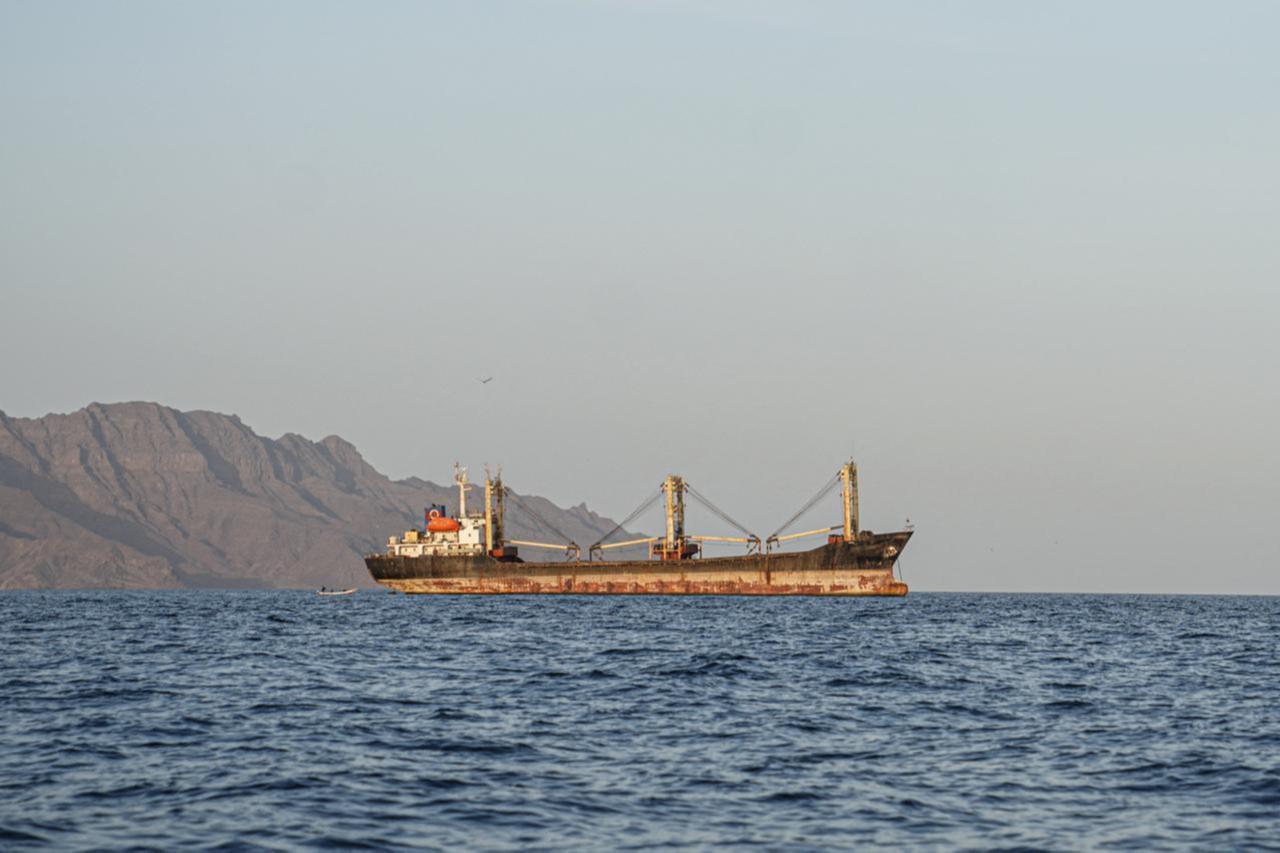
According to EASA, the Houthis significantly increased the frequency and geographic reach of attacks against Saudi maritime, energy and infrastructure targets in September 2026, including in the Red Sea and Gulf of Aden.
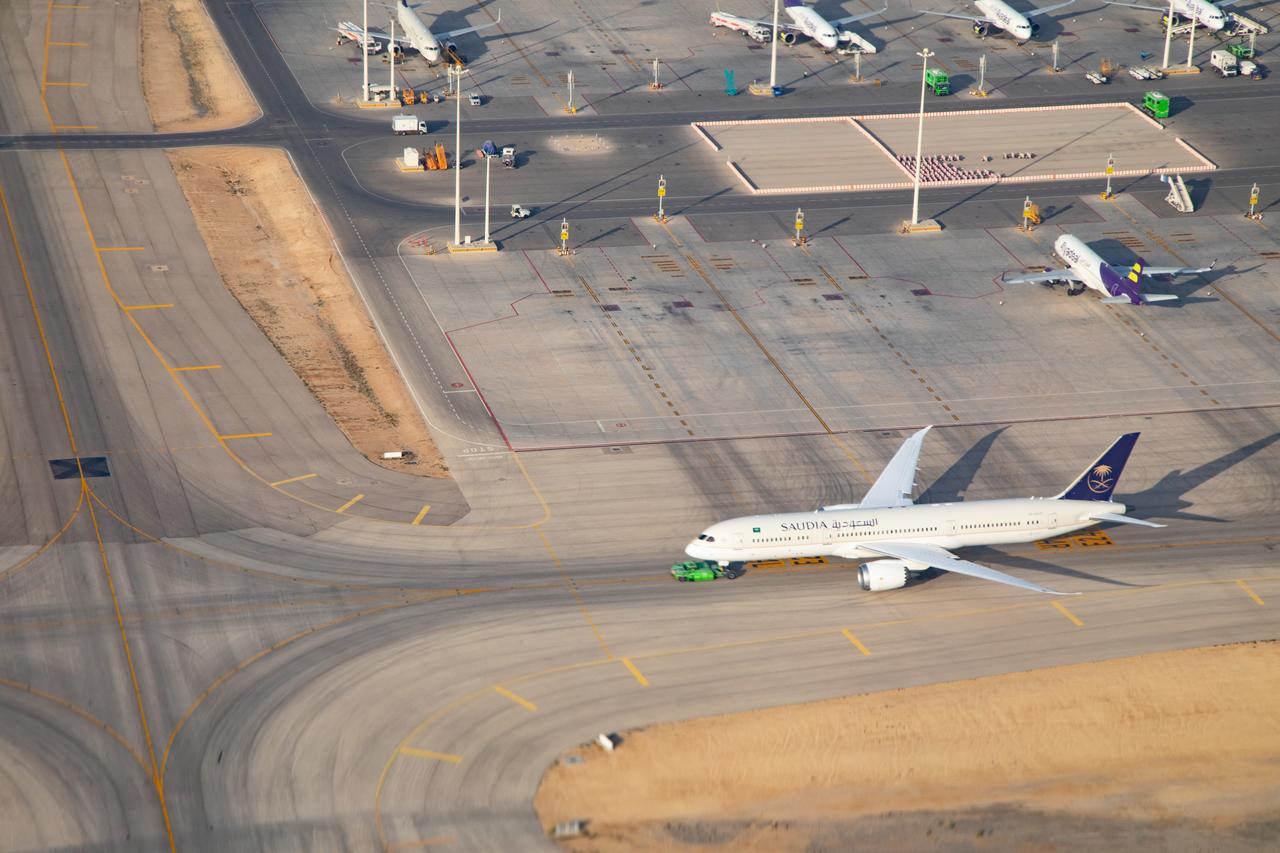

The regulator has advised airlines not to operate at any flight level or altitude within specified portions of Saudi airspace defined by the Jeddah Flight Information Region (FIR) boundary and designated navigation points.
For the remainder of the Jeddah FIR, operators should exercise caution, account for potential risks and maintain up-to-date risk assessments and contingency plans. They should also be prepared to follow instructions from Saudi authorities at short notice.
EASA further urged airlines to monitor developments closely and follow available aviation notices and guidance from national authorities, as well as information shared through the European Information Sharing and Cooperation Platform on Conflict Zones.
The agency acknowledged that Saudi Arabia has demonstrated an ability to manage its airspace through measures including tactical coordination and Emergency Security Control of Air Traffic.
However, it warned that conditions remain vulnerable to rapid deterioration because of external threats beyond the control of Saudi authorities.


 Set as preferred source
 Set as preferred source


 1 min read
 1 min read