Newsletters


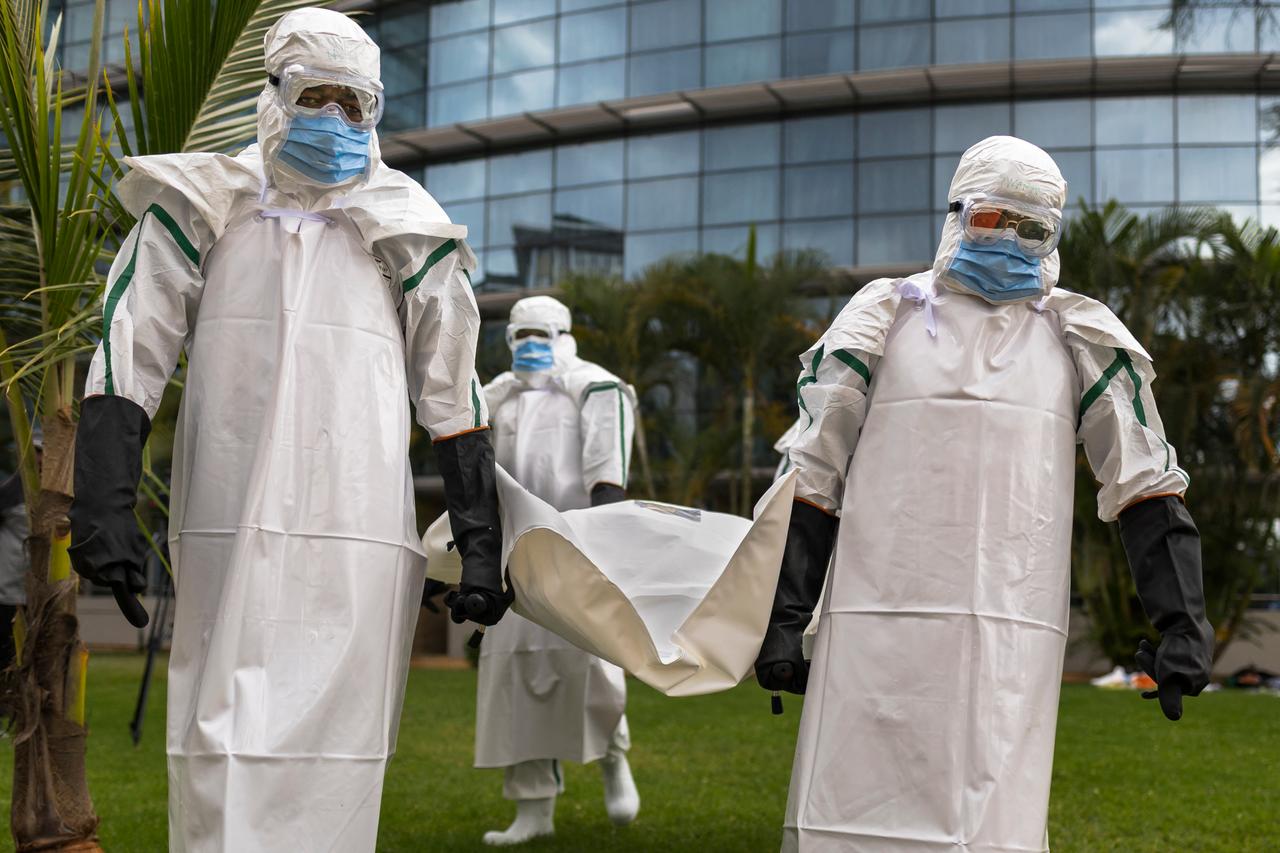


Saudi Arabia has suspended travel to Kenya for its citizens and temporarily barred arrivals from the country as part of measures to contain the risk of Ebola spreading, the state media reported.
Under the restrictions, Saudi citizens are prohibited from traveling to Kenya, while visa issuance and entry for people arriving from Kenya have been temporarily suspended. The decision follows assessments by health authorities of the outbreak's current status.
The measures build on Saudi Arabia's existing precautions targeting countries considered to pose a risk of Ebola transmission. The kingdom introduced the measures in July 2019 and expanded their scope in May 2026, according to the Saudi Press Agency (SPA).
Kenya has recorded nine confirmed Ebola cases and two deaths, with no new infections reported for 10 days as of Oct. 30, according to local media reports citing the country's Health Ministry.
All nine cases belong to a single cluster linked to an imported infection, and authorities have found no evidence of transmission beyond known contacts.
The outbreak involves the Bundibugyo virus, a type of Ebola virus. Kenya confirmed its first case on Oct. 6 after a Kenyan man who had been living in the Democratic Republic of the Congo traveled to Kenya through Uganda.
He arrived in Nairobi on Oct. 3, was hospitalized and died on Oct. 5. Eight people subsequently tested positive, including four family members or relatives and four health care workers who had treated the initial patient before Ebola was suspected.
The country's second Ebola-related death was reported on Oct. 23, when a 65-year-old woman who was a close relative of the first patient died while receiving treatment. She had developed symptoms on Oct. 13 and was already under quarantine when she became ill.
Despite the absence of new infections, Kenya has not declared the outbreak over. Health experts say the country must record 42 days without a new case before it can be declared Ebola-free, subject to acknowledgment by the World Health Organization (WHO) and the Africa Centers for Disease Control and Prevention.
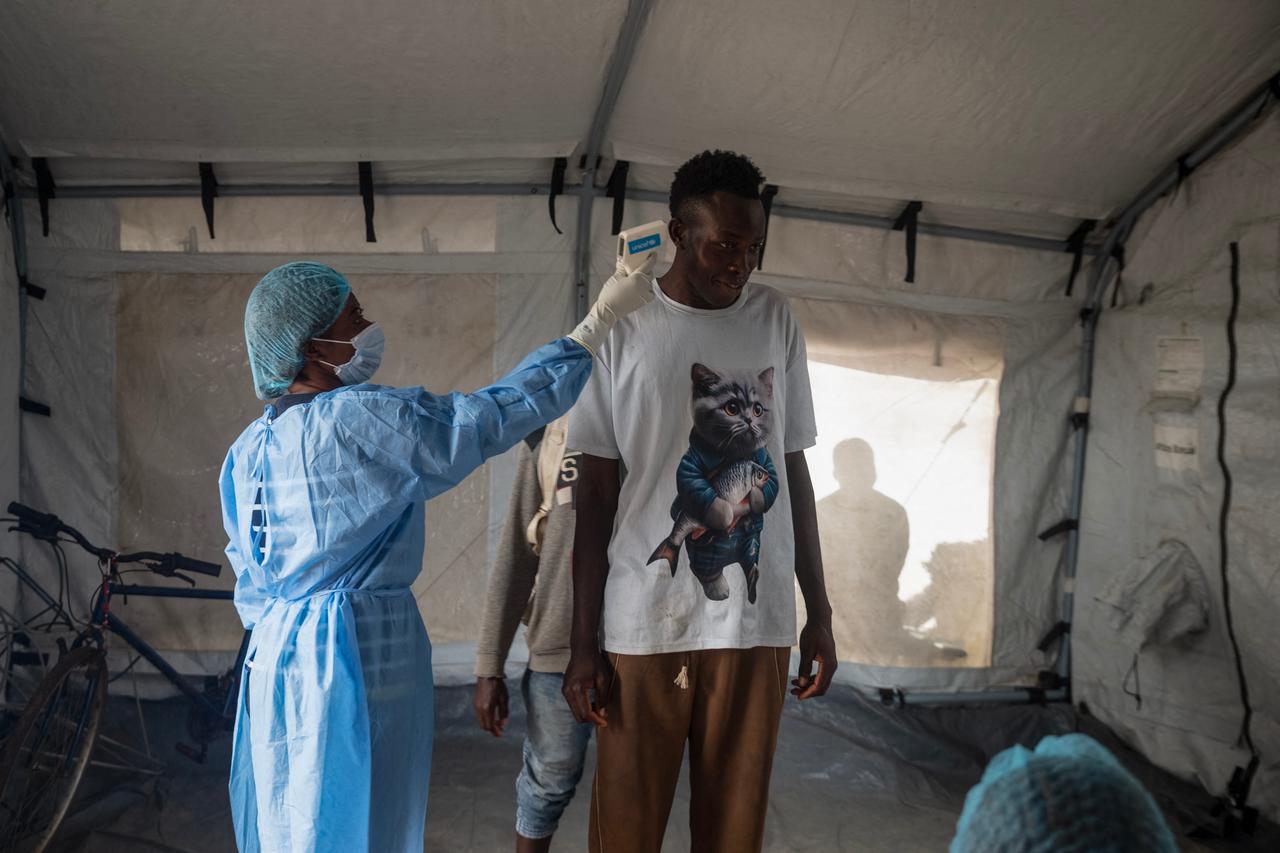

WHO declared the Ebola outbreak a public health emergency of international concern on May 17.
However, the organization determined that the outbreak did not meet the criteria for a pandemic emergency under the International Health Regulations.
Ebola is a viral disease that causes hemorrhagic fever and can have a high fatality rate.
The virus was first identified in simultaneous outbreaks in 1976 in Nzara, Sudan, and Yambuku, a village in what is now the Democratic Republic of the Congo.
It takes its name from the Ebola River, which runs near the village where the outbreak in the Democratic Republic of the Congo emerged.


 Set as preferred source
 Set as preferred source


 1 min read
 1 min read