Newsletters


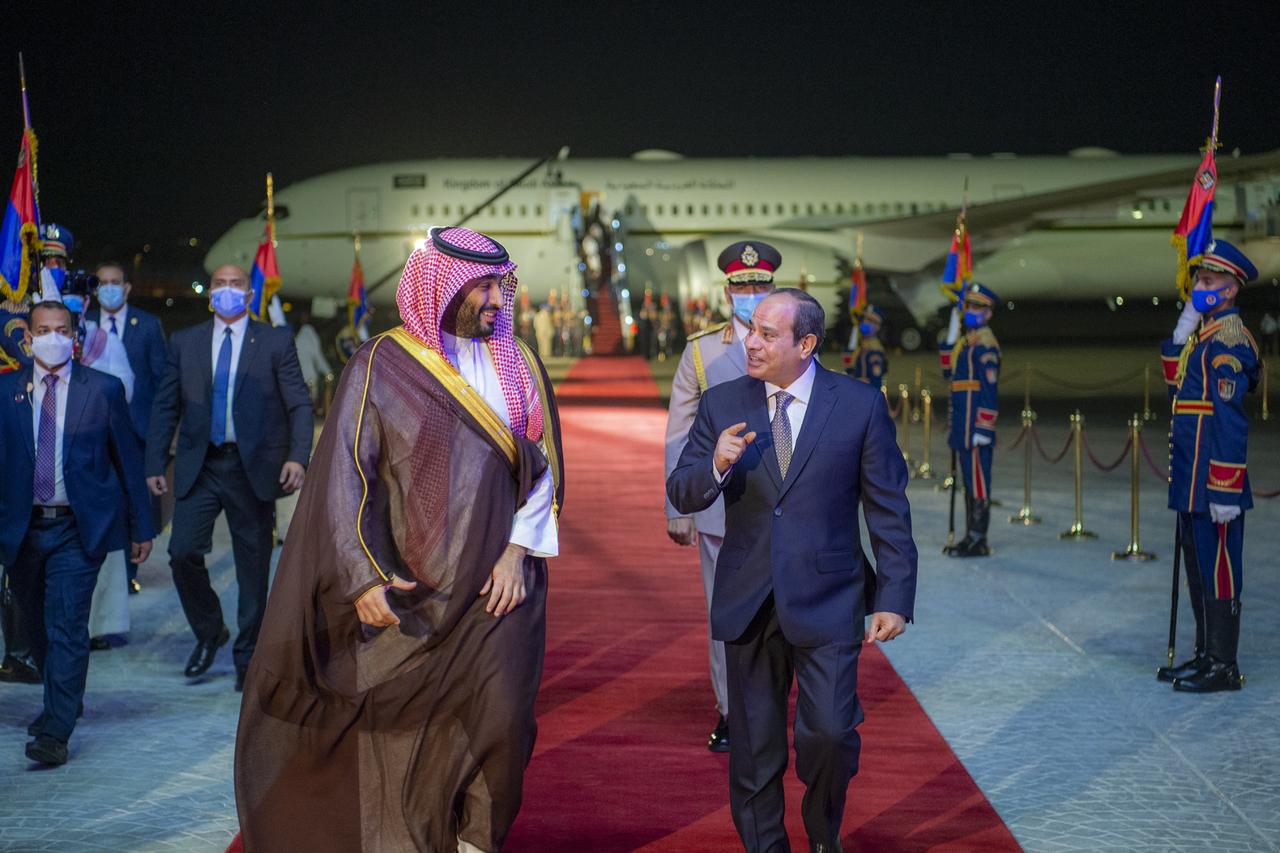


Egypt's parliament convened an emergency session Sunday to consider measures to defend Saudi Arabia, including the potential deployment of Egyptian troops, as Houthi missile and drone attacks against the kingdom intensified.
The extraordinary session, held in Egypt's New Administrative Capital, was chaired by Parliament Speaker Hisham Badawi following a request from President Abdel Fattah el-Sisi, according to the state-run Al-Ahram newspaper.
The parliamentary discussions followed Sisi's announcement Saturday that Egypt was prepared to take measures requested by Saudi Arabia to protect the kingdom's security and sovereignty.
“I call on parliament to hold an emergency session to authorize this move if we are asked to do so,” Sisi said.
Speaking at a graduation ceremony at the Egyptian military academy, Sisi stressed that Cairo would not remain passive in the face of threats to Saudi security.
He described it as "inconceivable" for Egypt to stand by while Saudi Arabia was "harmed or its security and stability threatened."
"Egypt, of course, with the directives of His Majesty King Salman and Crown Prince Mohammed bin Salman, will carry out any measure to protect you or defend you," Sisi said.
He also pledged Egypt's "full force and support to protect and defend the lands of our brothers in the Gulf" before asking attendees to stand and salute Gulf countries.
"I'm not talking about fighting anyone or attacking anyone," Sisi added. "We are speaking only about defense."
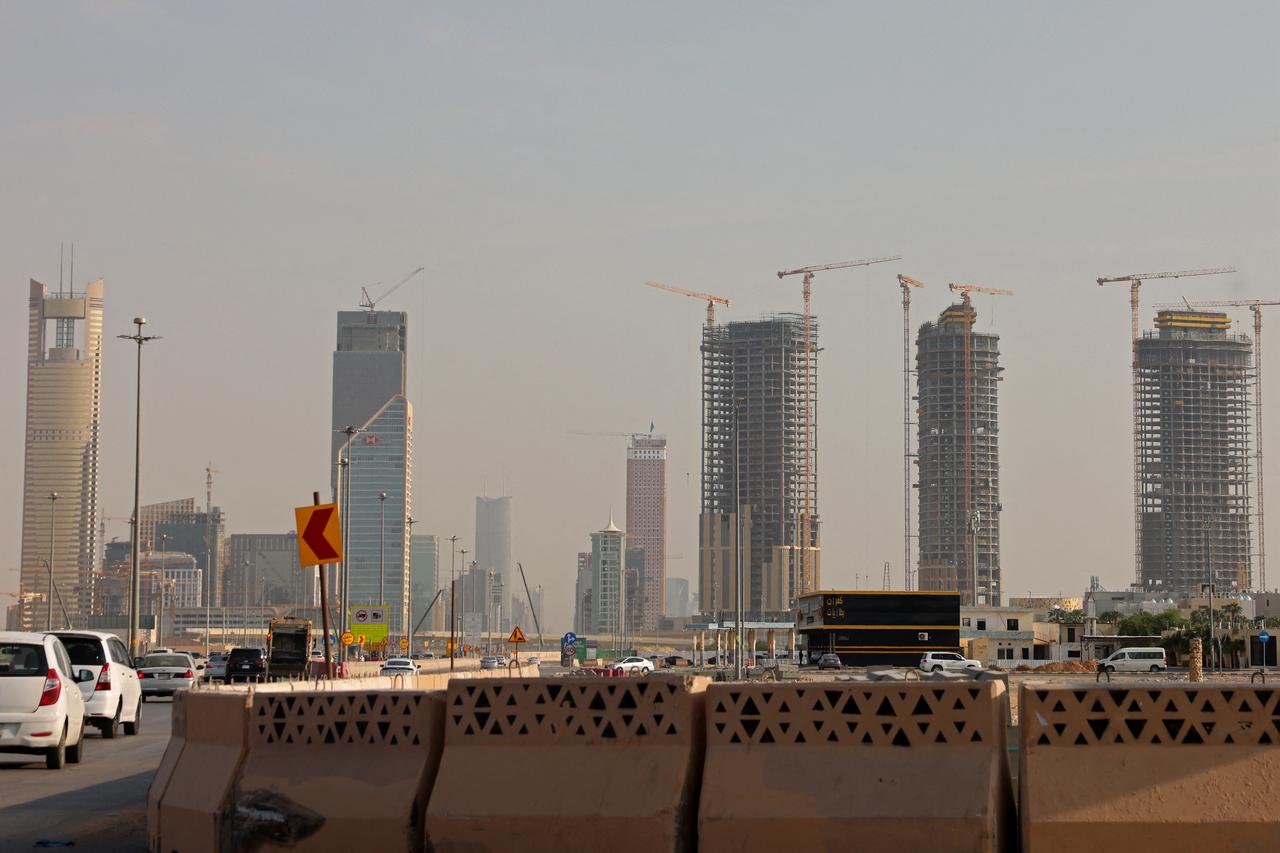

Under Article 152 of Egypt's Constitution, the president, as supreme commander of the armed forces, cannot declare war or send Egyptian troops on combat missions outside the country without consulting the National Defense Council and obtaining approval from two-thirds of parliament.
Parliamentary regulations also require such authorization to be considered during an urgent closed session convened at the president's request following consultations with the National Defense Council.
Earlier Sunday, Egypt's National Defense Council, chaired by Sisi, declared "full solidarity" with Saudi Arabia.
The council decided to provide "all necessary and possible forms of support" to protect the kingdom's security, stability, resources and territorial integrity, as well as Islamic holy sites.
It emphasized that Saudi national security was directly linked to Egyptian and broader Arab national security.
The council also agreed to intensify political and diplomatic coordination with regional and international partners to reduce tensions and pursue peaceful solutions to regional crises.
No parliamentary decision authorizing an overseas military deployment had been announced in the information available from the session.
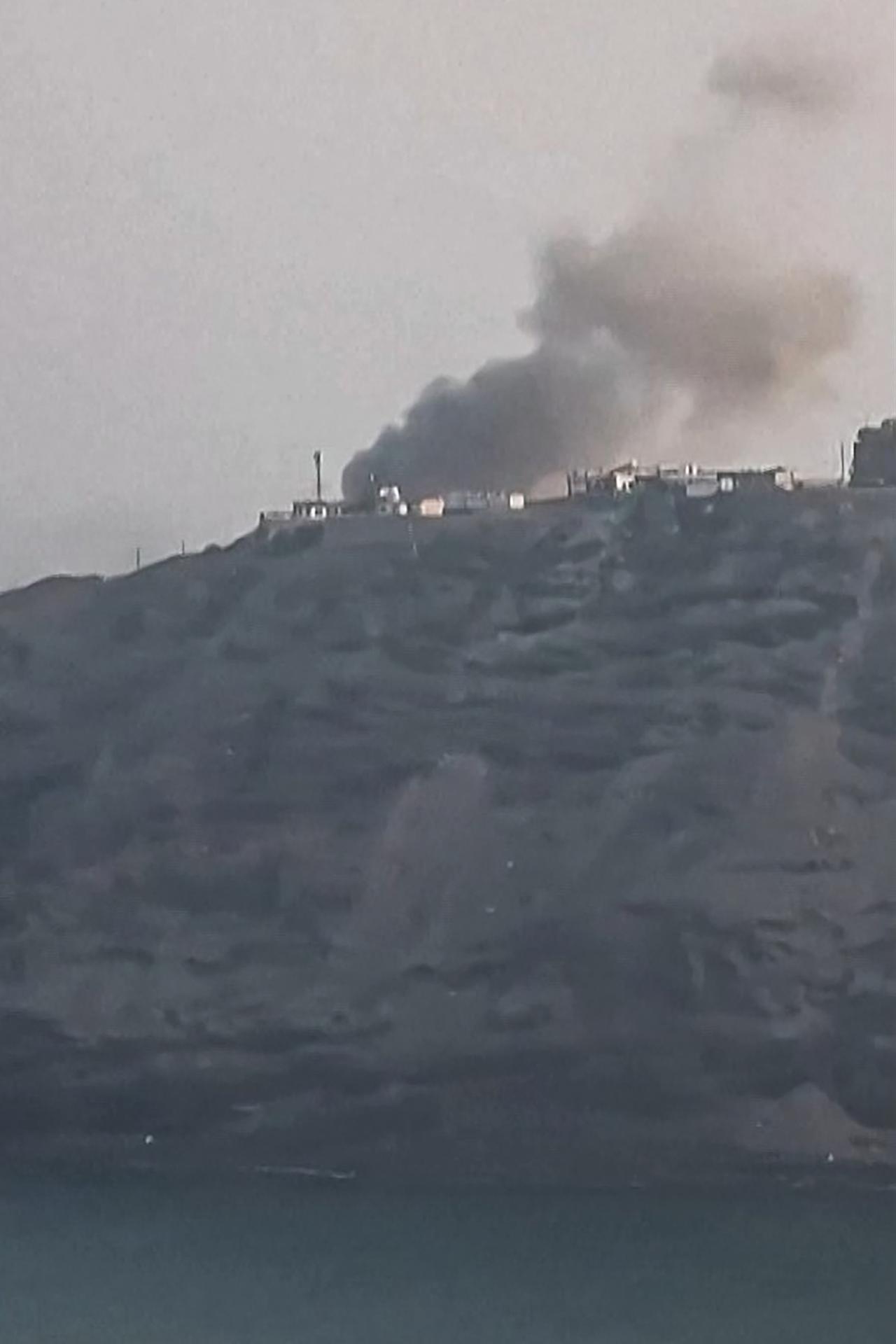
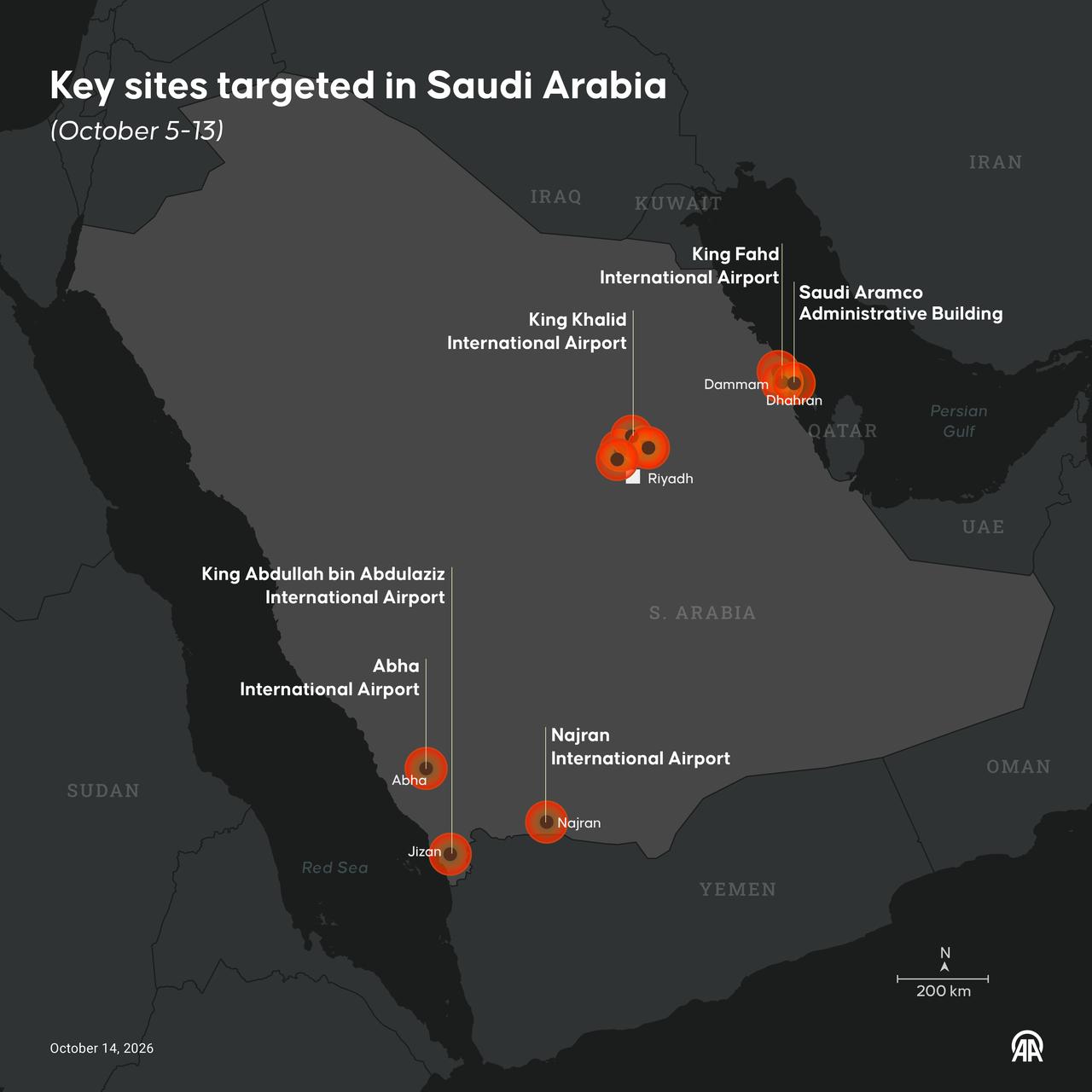
The developments come amid escalating hostilities between Saudi Arabia and Yemen's Houthi group, which has repeatedly launched missile and drone attacks against the kingdom.
The Saudi-led coalition supporting Yemen's internationally recognized government has intensified operations against Houthi forces, conducting airstrikes on Houthi-held territory, including the capital, Sanaa.
The Houthis have threatened further attacks against Saudi territory, including oil facilities and other critical infrastructure.
Since Yemen's conflict reignited in July, the group has targeted Saudi energy facilities and civilian aviation infrastructure.
A Houthi attack on Riyadh's King Khalid International Airport last week killed 13 people.
The Houthis have also declared a maritime blockade on Saudi Arabia and seized territory around the Bab al-Mandeb Strait, a strategic waterway connecting the Red Sea with the Gulf of Aden.
The strait has become increasingly important for Saudi oil exports amid restrictions on shipping through the Strait of Hormuz linked to the U.S.-Iran conflict.
Egypt has longstanding security ties with Saudi Arabia and other Gulf countries.
Cairo participated in the Saudi-led intervention in Yemen in 2015, although its involvement largely focused on securing Red Sea shipping routes rather than frontline combat operations.
The renewed Houthi campaign poses additional risks for Egypt because disruptions to Red Sea shipping directly affect traffic through the Suez Canal, one of the country's main sources of foreign currency.
Egyptian Foreign Minister Badr Abdelatty said last month that the canal had lost approximately $11 billion in revenue since the Houthis began attacking commercial vessels in 2023, in what the group described as solidarity with Palestinians during the war in Gaza.
Saudi Crown Prince Mohammed bin Salman visited Cairo last month, when Egypt reiterated its support for measures taken by Saudi Arabia to safeguard its security.
The two leaders also called for free and secure navigation through the Red Sea, a vital international trade route connecting Asia and Europe through the Suez Canal.
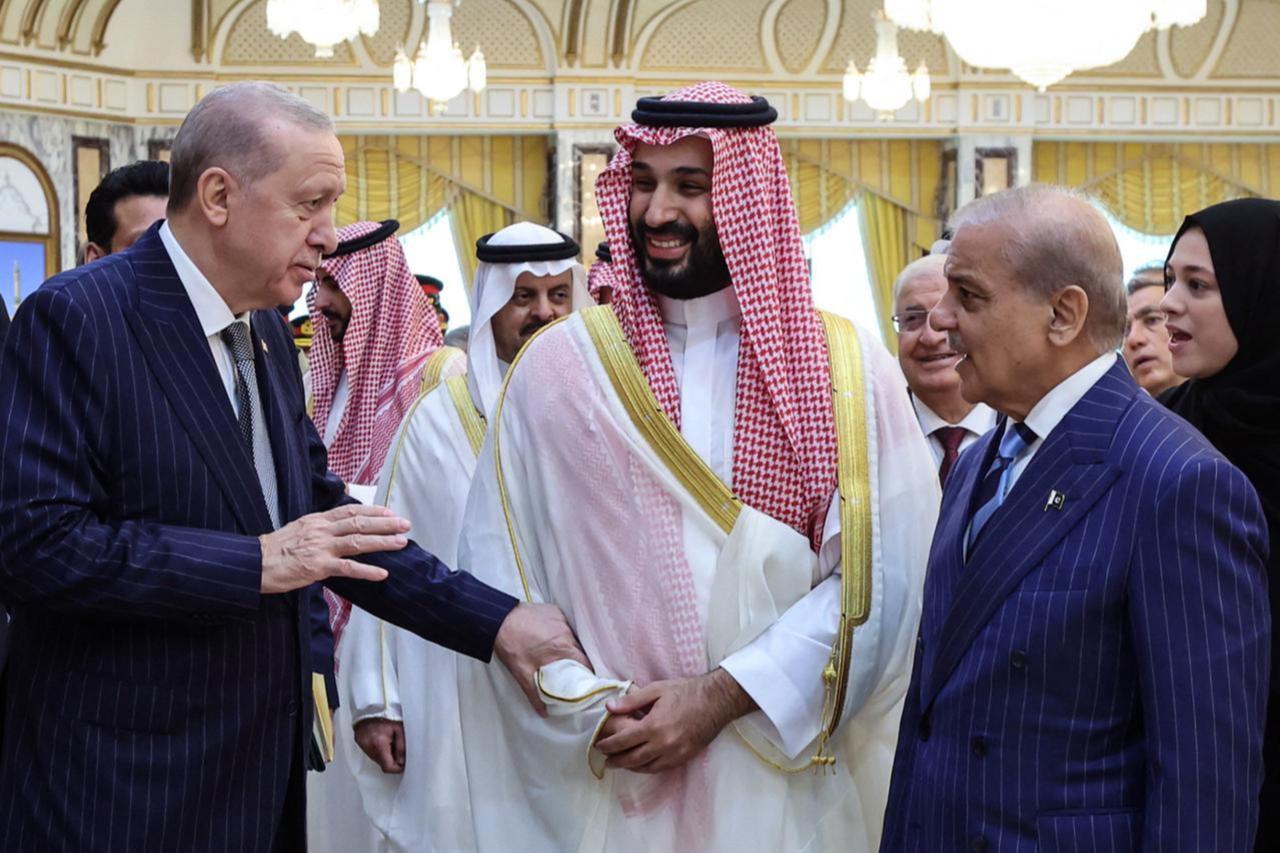
Despite its military ties with Saudi Arabia, Egypt has not joined the Mecca defense agreement signed by Saudi Arabia, Türkiye and Pakistan in August.
The agreement establishes a framework for mutual defense cooperation among the three countries.
Türkiye said in August that the pact remained open to additional members, including Egypt.
Cairo subsequently said it was studying the agreement "in depth" but has not announced a decision on whether to join.
Egypt has generally favored diplomatic engagement over participation in new regional military alliances.
Saudi Arabia has also been a major financial supporter of Egypt, providing assistance following the 2013 ouster of President Mohammed Morsi and during subsequent economic crises.
The emergency parliamentary session marks a potentially significant development in Cairo's response to regional tensions, although any deployment of Egyptian combat forces would require formal authorization under the country's constitution.


 Set as preferred source
 Set as preferred source


 1 min read
 1 min read