Newsletters




At dusk in Gwadar, the port’s lights come on courtesy of a power line from Iran. The harbor is Chinese-built and the city sits in Balochistan, Pakistan’s poorest and most restive province. Some of the electricity that runs it comes across the border from Pakistan’s neighbor, which would like a word about Yemen.
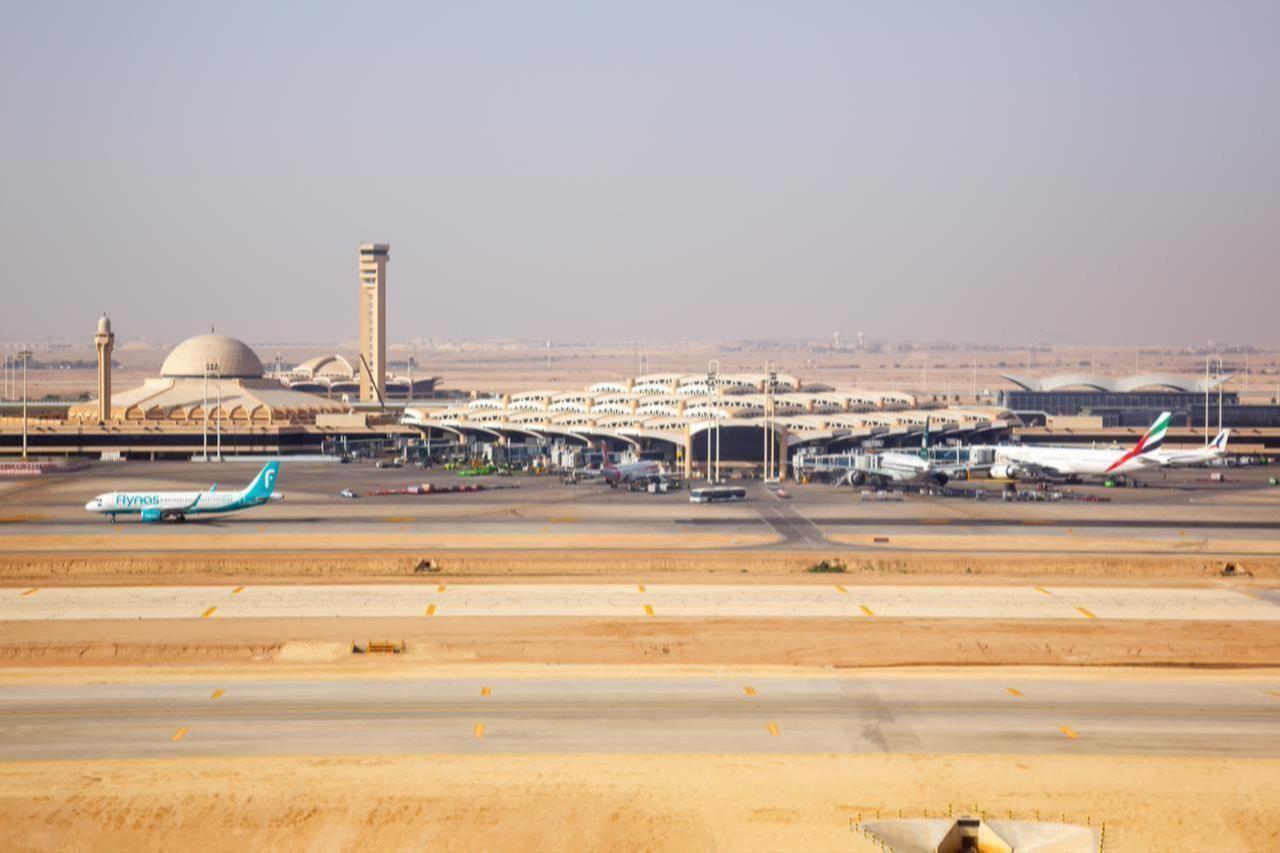
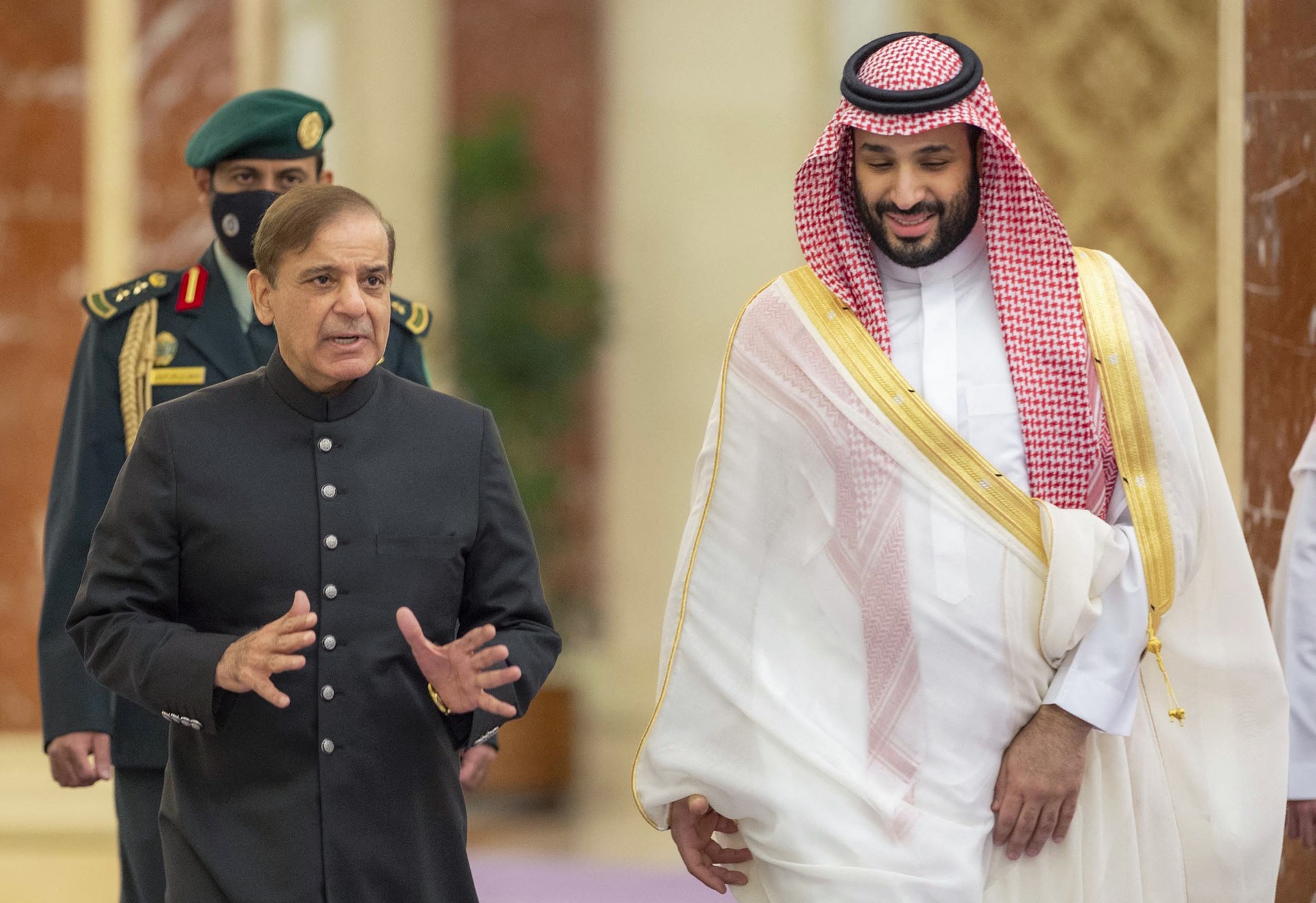
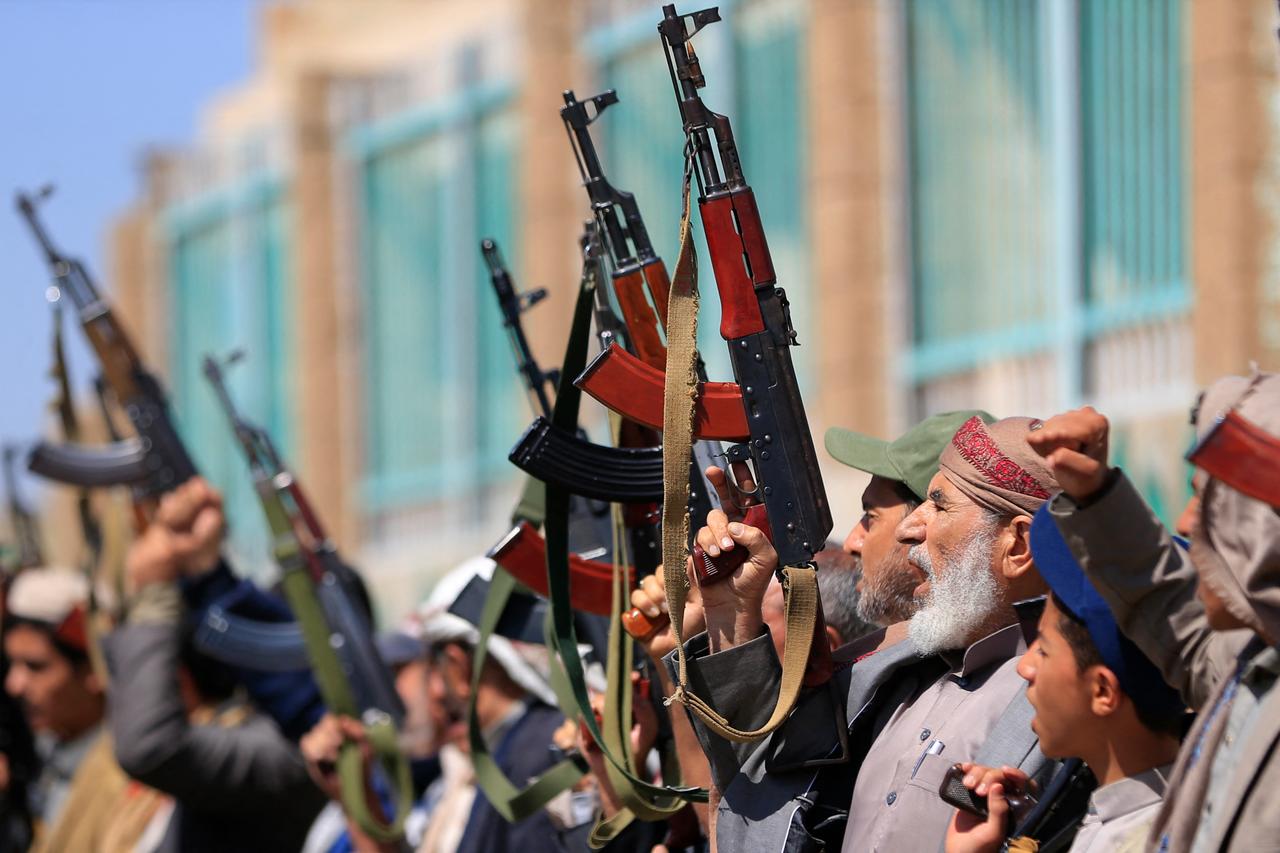
Eleven hundred miles of rock and politics away, a Houthi missile hit King Khalid International Airport in Riyadh on Saturday. It killed 13 people and wounded hundreds. A second strike on Sunday killed a Pakistani national. Prime Minister Shehbaz Sharif responded by reaffirming Islamabad’s “steadfast commitment to Saudi Arabia’s sovereignty, territorial integrity and security.”
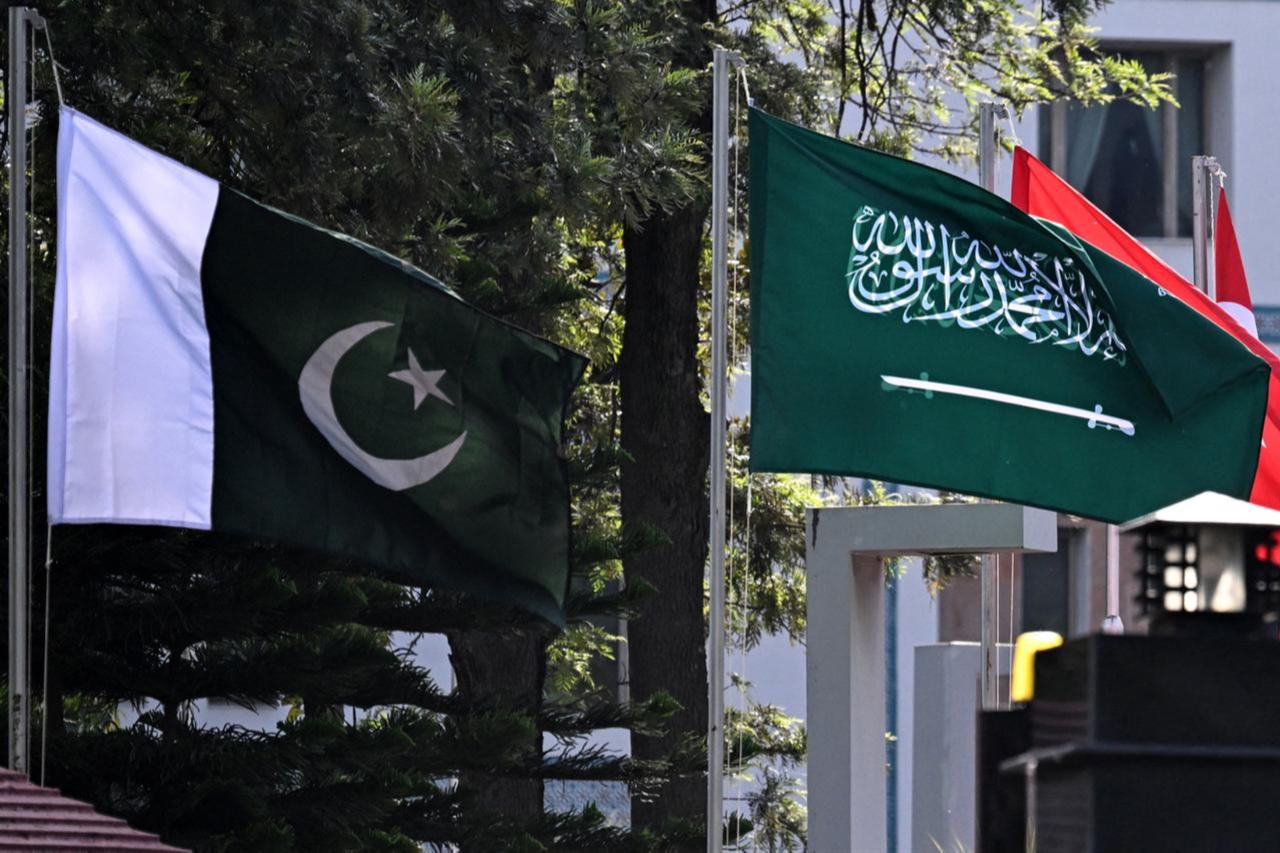
The commitment is real. In August, Pakistan, Saudi Arabia and Türkiye inked the Mecca Joint Defense Agreement, which followed a bilateral Saudi-Pakistani pact signed last year. Last week the signatories announced that Islamabad and Ankara would supply “the agreed military forces and capabilities” after the Houthis resumed attacks on Saudi oil installations and tankers.
But two can play at that game. If Islamabad deepens its support for Riyadh over the war in Yemen, Iran has plenty of tools of its own to squeeze Pakistan.

Pakistan’s reasons for saying yes are on its balance sheet. In April, Saudi Arabia covered a $3 billion hole with an emergency loan. Riyadh also extended a $5 billion deposit at the State Bank of Pakistan by three years. Together they equal about 38% of Pakistan’s reserves. Pakistani workers in the kingdom sent home almost $10 billion in remittances last year.
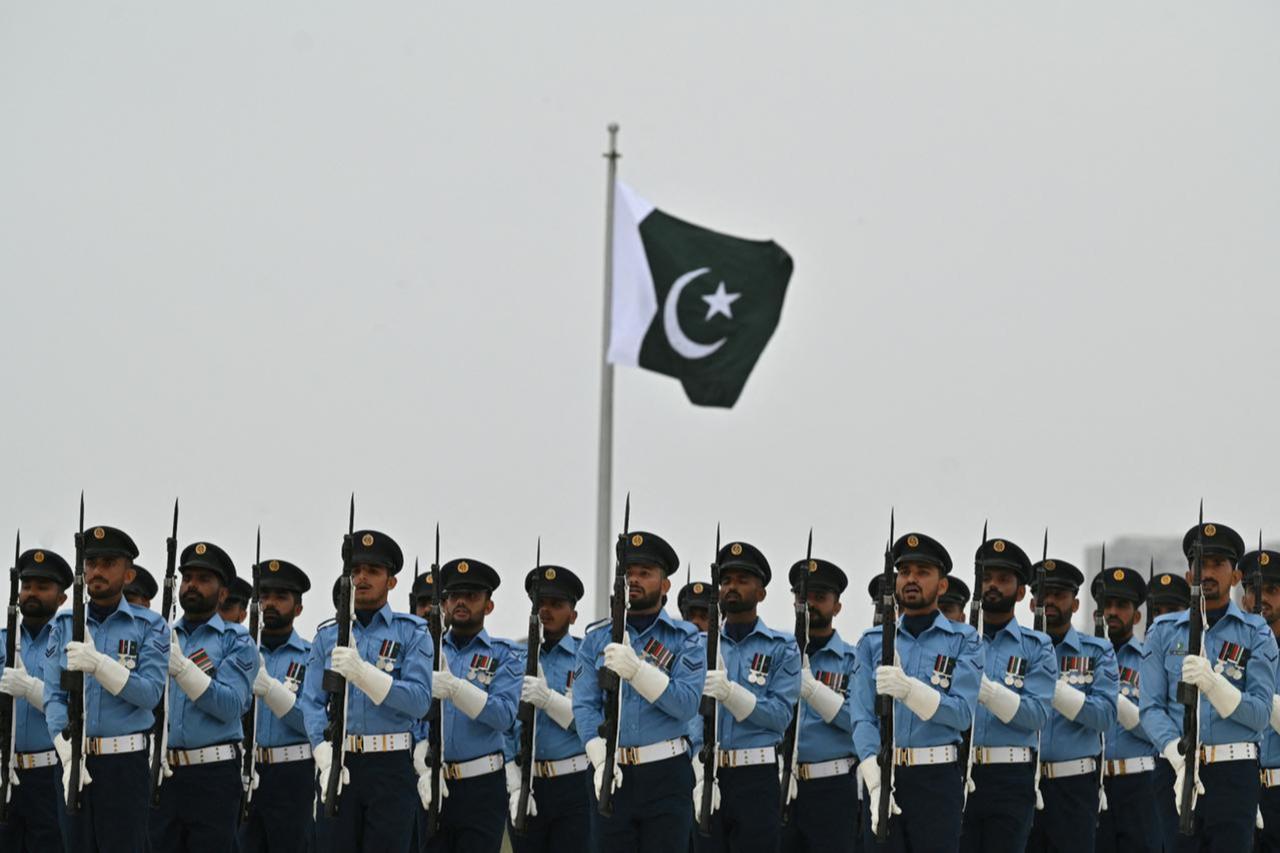
Pakistan is by no means only a debtor. It has already sent a squadron of fighter jets and pilots, along with thousands of troops, to help defend Saudi airspace. The Saudi-led coalition says 100 fighter jets took part in the latest air campaign against the Houthis, though it has not said whether any were Pakistani. Islamabad has strongly rejected a New York Times report that its jets were used against the Houthis, calling the claim “fake and fabricated.” The relationship between the two countries goes beyond that of creditor and debtor, or of security partner.
Pakistan, unfortunately, has its own conflicts as well. The South Asia Terrorism Portal counts more than 1,200 Pakistani security personnel last year that were killed by insurgents in the last year, the highest toll in over two decades. Violence along the Afghan frontier has worsened despite recent air strikes.
Pakistan spent decades treating Afghanistan as a rear area, a friendly buffer behind it in any fight with India. After the Taliban returned to Kabul in 2021, the buffer turned into a second front. Cross-border raids, air strikes and the deportation of Afghan refugees have defined the relationship since.
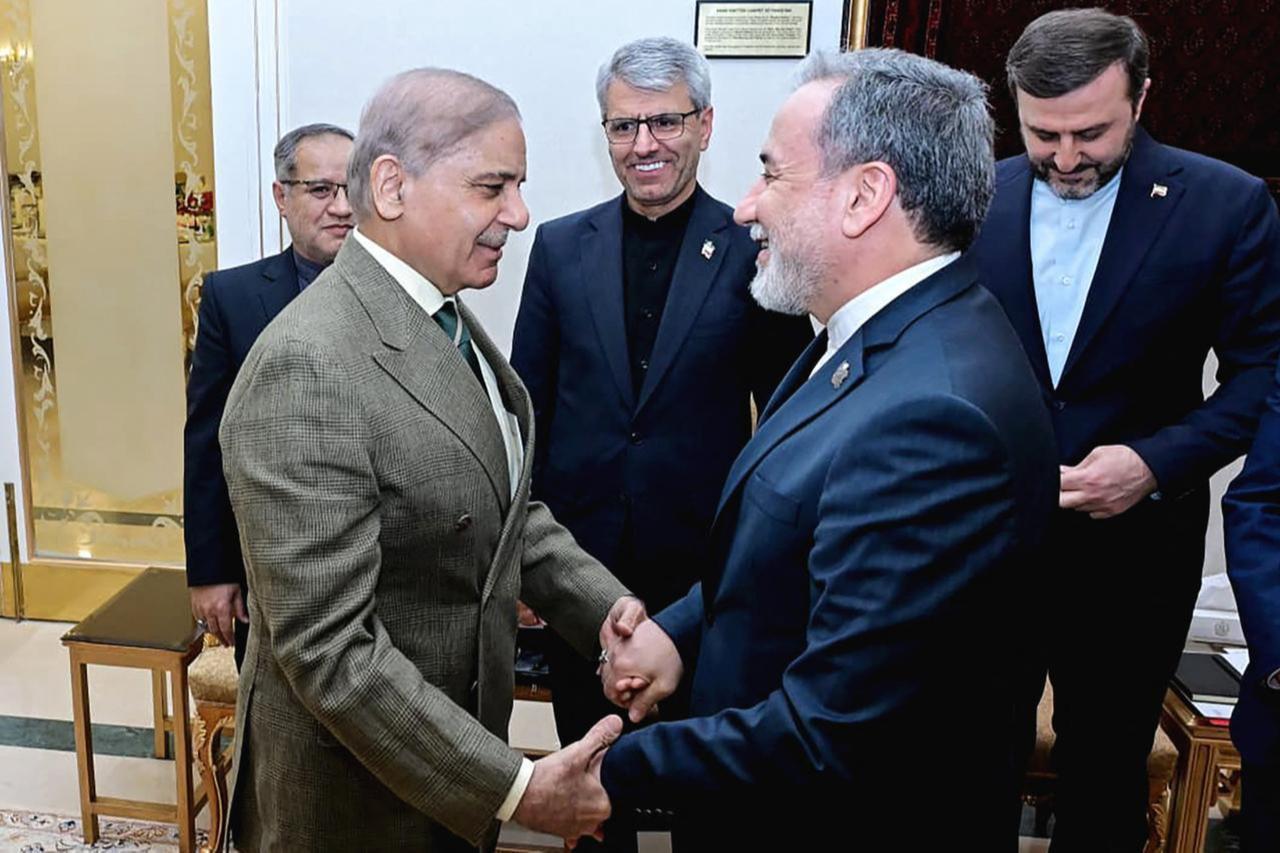
Iran noticed. Tehran has expanded its diplomatic and trade contacts with Kabul while Islamabad and the Taliban feud. For Pakistan’s generals, the arithmetic is uncomfortable: the country that Riyadh wants Pakistan to fight by proxy in Yemen is also talking warmly to the government that Pakistan can’t control on its western border.
Iran does not need Kabul to make its point. Shuja Nawaz, a former distinguished fellow at the Atlantic Council, told Türkiye Today that Tehran’s reach inside Pakistan is wider than its diplomacy suggests.
“Iran has enormous political and economic influence because they provide teachers, they provide transportation, they provide work inside Pakistan,” Nawaz said. Tehran lost goodwill recently by sending Afghan refugees back, he noted, but the toolbox is intact: “They have the diplomatic tools, they have cultural tools. They have a presence.”
Then there is the electricity. Nawaz points to Pakistan’s reliance on Iranian power in some parts of Balochistan, Gwadar included, which would be at risk if Tehran turned sour. He also warns of a second exposure. If relations deteriorate, Baloch militant groups could find their own “strategic depth” in Iranian Balochistan, the same cushion Pakistan once sought in Afghanistan, now available to the people Pakistan is fighting.
Pakistan has already tried the soft approach. Field Marshal Asim Munir, the country’s de facto leader, has leaned on Iranian leaders in recent months to rein in the Houthis and the Shia militias in Iraq that have targeted Saudi Arabia. Islamabad has also spent diplomatic capital mediating a ceasefire between Iran and the United States. Neither effort has stopped the missiles.
When Riyadh asked for warships, aircraft and ground troops in Yemen in 2015, Prime Minister Nawaz Sharif sent the question to parliament, which unanimously passed a resolution to maintain neutrality.
Nothing comparable is happening in 2026. Shehbaz Sharif, Nawaz’s brother, leads a government with a thin base that depends on military backing. The full texts of the two defense pacts with Saudi Arabia have not been made public, and neither has been presented to parliament for approval.
The public mood has not changed. Pakistan has a large Shia minority, and much of the country sympathizes with an Iranian government it sees as standing up to Washington and Israel. Thousands mourned when Iran's slain Supreme Leader Ali Khamenei was killed in late February. A Pakistan that fights Iran-backed forces in Yemen is a Pakistan that appears to be fighting on the American side, and Pakistani voters have not been asked about that.
Nothing in the public record says what Pakistan will do next. The military’s refusal to detail its role in the air campaign is itself information.
The likeliest shape of that support is air defense and intelligence help inside Saudi Arabia, the kind of contribution that protects the bailout without putting Pakistani soldiers on a Yemeni front line. Tehran’s levers all push in that direction: border friction, a dark Gwadar, a friendlier Kabul. None requires a shot fired.
Islamabad needs Saudi money to keep its central bank solvent. It needs peace with Tehran and Kabul to keep its borders intact. Those two needs point in different directions.
Of course, Tehran cannot pull every lever it pleases. Pakistan remains a backchannel to Tehran: it helped mediate the Iran-U.S. ceasefire and regularly presses Tehran over the Houthis, and Iran has no desire to lose that cushion or open a hostile eastern flank. It can make the lights flicker every once in a while in Gwadar as a subtle nudge to keep Islamabad from going too far.


 Set as preferred source
 Set as preferred source


 2 min read
 1 min read