Newsletters


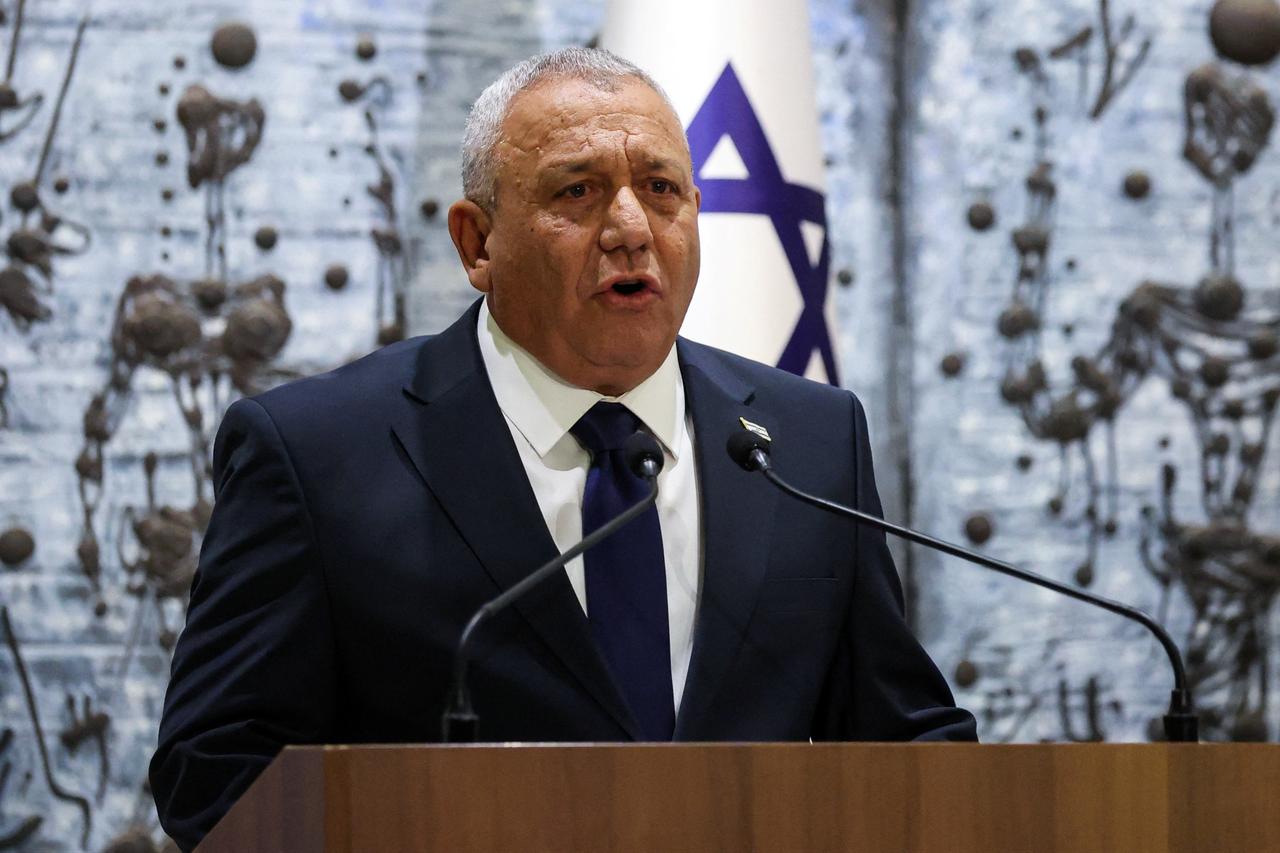


Israeli prime minister-designate Gadi Eisenkot on Saturday dismissed caretaker Prime Minister Benjamin Netanyahu's call for a national unity government as a "media stunt," accusing him of fueling political divisions while negotiations to form a new government were already underway.
Eisenkot, leader of the Yashar party, said negotiating teams from his party and Netanyahu's Likud were scheduled to meet Sunday, rejecting Netanyahu's public appeal for talks without preconditions.
In a statement on U.S. social media platform X, Eisenkot accused Netanyahu of calling for unity while inciting against political opponents, pointing to his recent speech in the Knesset, Israel's parliament.
"These tricks don't work on me," Eisenkot said, accusing Netanyahu of attempting to obstruct the formation of a new government.
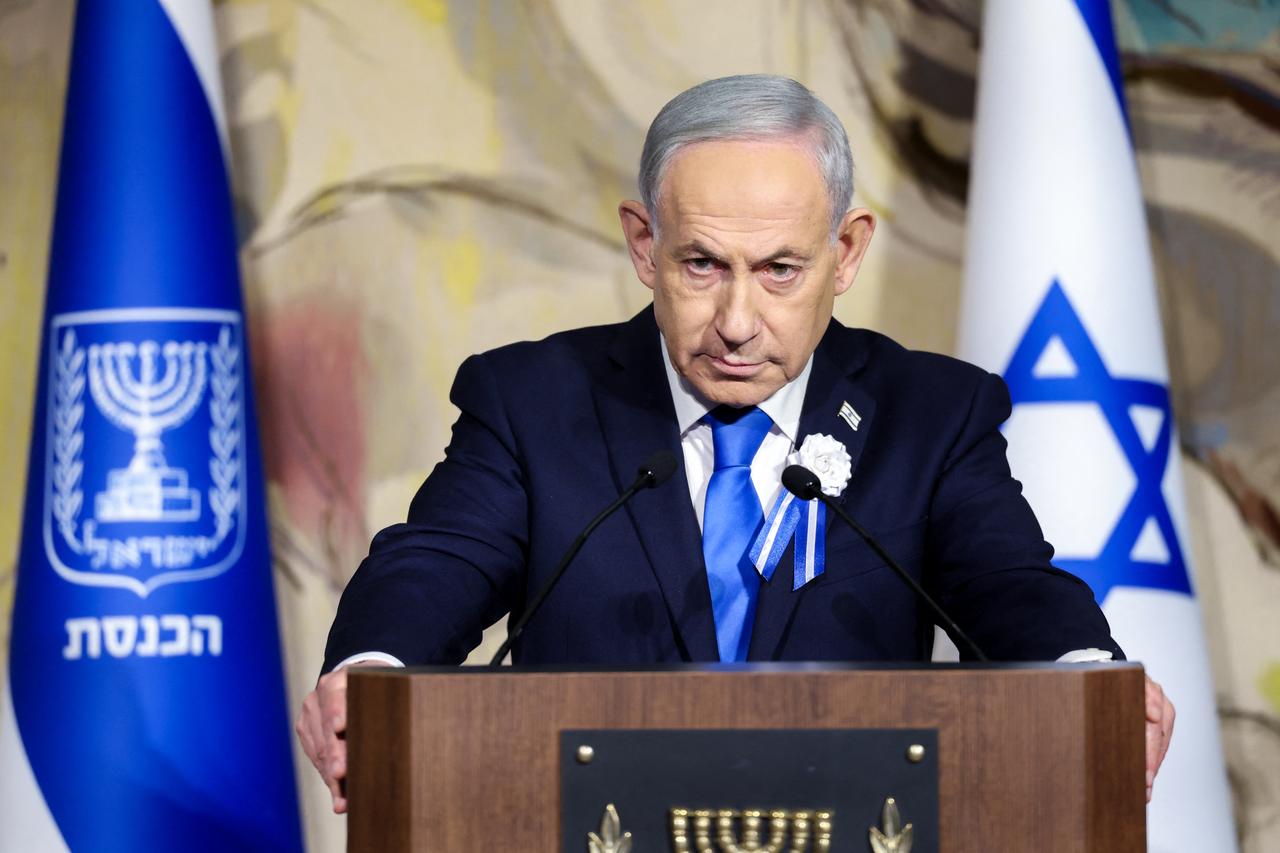
Netanyahu issued a video statement Saturday urging Eisenkot to begin coalition talks "without preconditions," following a meeting Thursday that he said reinforced the need for a broad government to address Israel's security challenges.
He called for a coalition of parties that recognize Israel as a state for the Jewish people, arguing that such a government could confront Iran, which he claimed was seeking to revive its nuclear program and could use nuclear weapons against Israel.
Netanyahu also urged political leaders to set aside their differences and reach agreements on security and military conscription.
His appeal came four days after he accused Eisenkot's bloc of seeking a fragile government dependent on Arab parties, which he described as "supporters of terrorism" and "haters of Israel."
Eisenkot condemned those remarks as hateful and accused Netanyahu of promoting division despite publicly advocating national unity.

Eisenkot said he would consider including Likud and the Religious Zionism party, led by outgoing Finance Minister Bezalel Smotrich, in a national emergency government under his leadership if they accepted his principles and demonstrated a genuine commitment to unity.
He also demanded a break with extremist political forces, particularly supporters of far-right minister Itamar Ben Gvir.
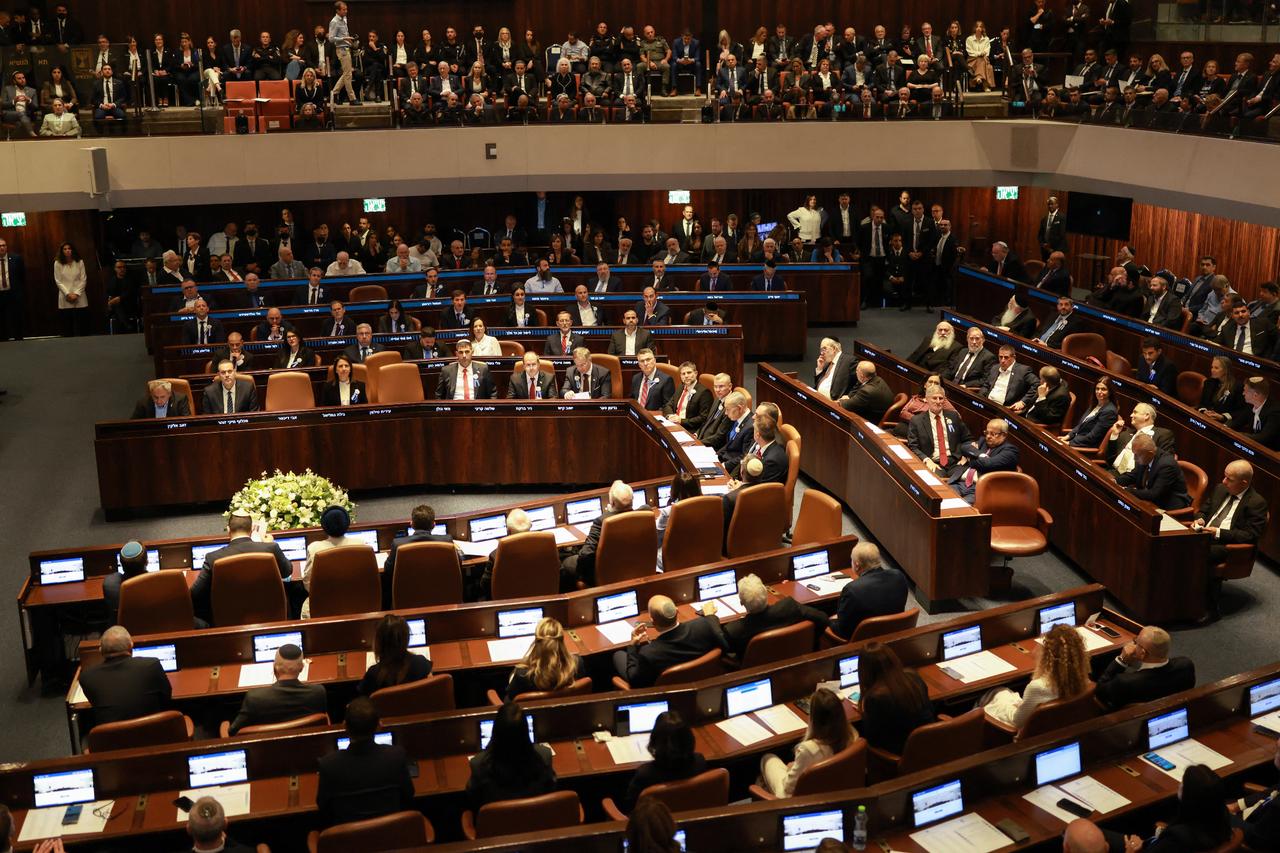
Another key dispute concerns Tuesday's election of the Knesset speaker, a position currently held by Netanyahu ally Amir Ohana.
Eisenkot has nominated Matan Kahana, a former Israeli military officer and member of his electoral list, to replace Ohana.
He said the vote would test whether Likud and Religious Zionism were serious about political cooperation, urging their lawmakers to support Kahana's appointment and allow the parliamentary process to proceed.
 1 min read
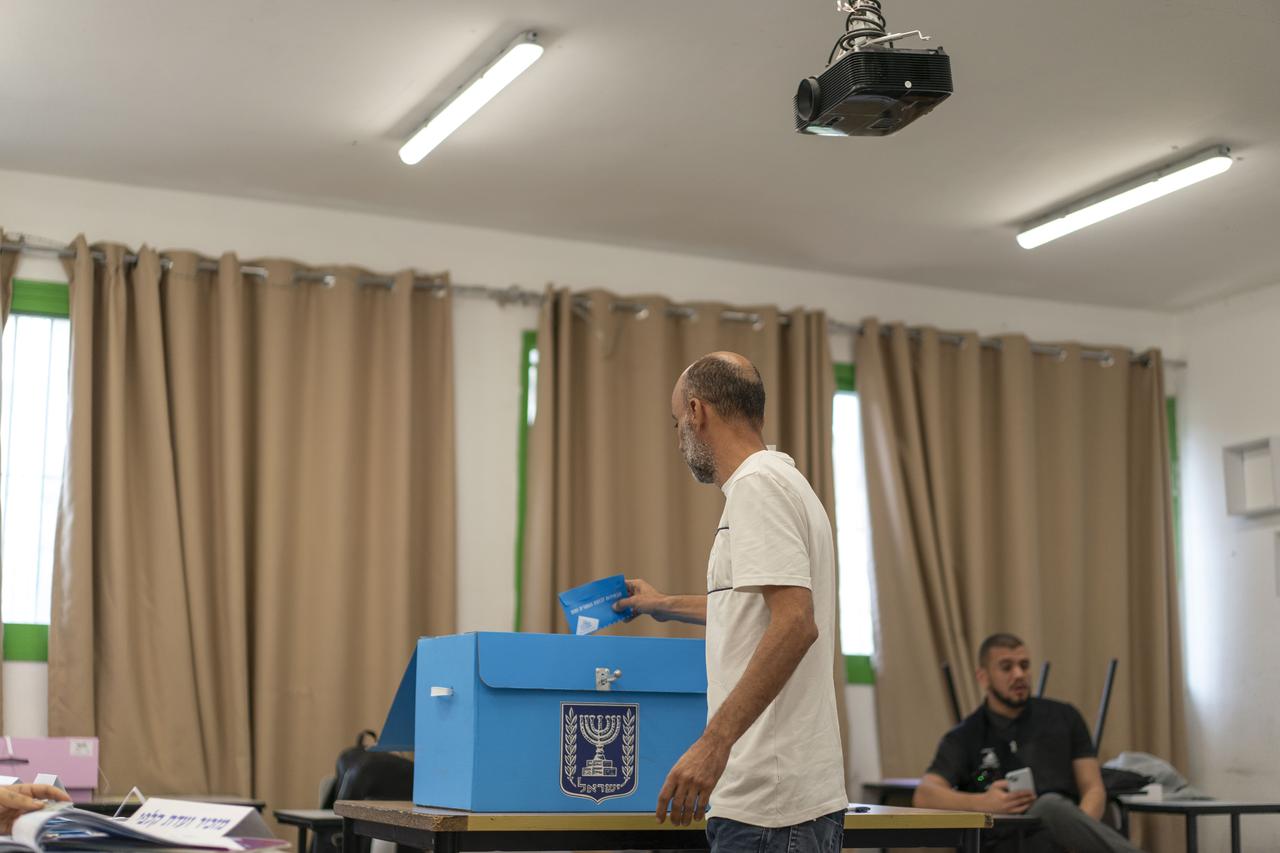
Israeli President Isaac Herzog tasked Eisenkot with forming a government on Nov. 8 after he secured the backing of 67 lawmakers in the 120-seat Knesset, compared with 46 recommendations for Netanyahu.
Eisenkot has 28 days to form a coalition, with a possible 14-day extension.
One option under consideration is a minority government supported by Eisenkot's 48-member bloc, with Netanyahu's 46 lawmakers voting against it and the remaining 26 Arab and ultra-Orthodox lawmakers abstaining.
Such an arrangement could allow Eisenkot's government to secure parliamentary approval without an absolute majority.
However, negotiations remain complicated by disagreements over the participation of Arab parties, which gained a record number of seats in the election, and Eisenkot's demand that potential coalition partners distance themselves from extremist political groups.


 Set as preferred source
 Set as preferred source


 1 min read