Newsletters


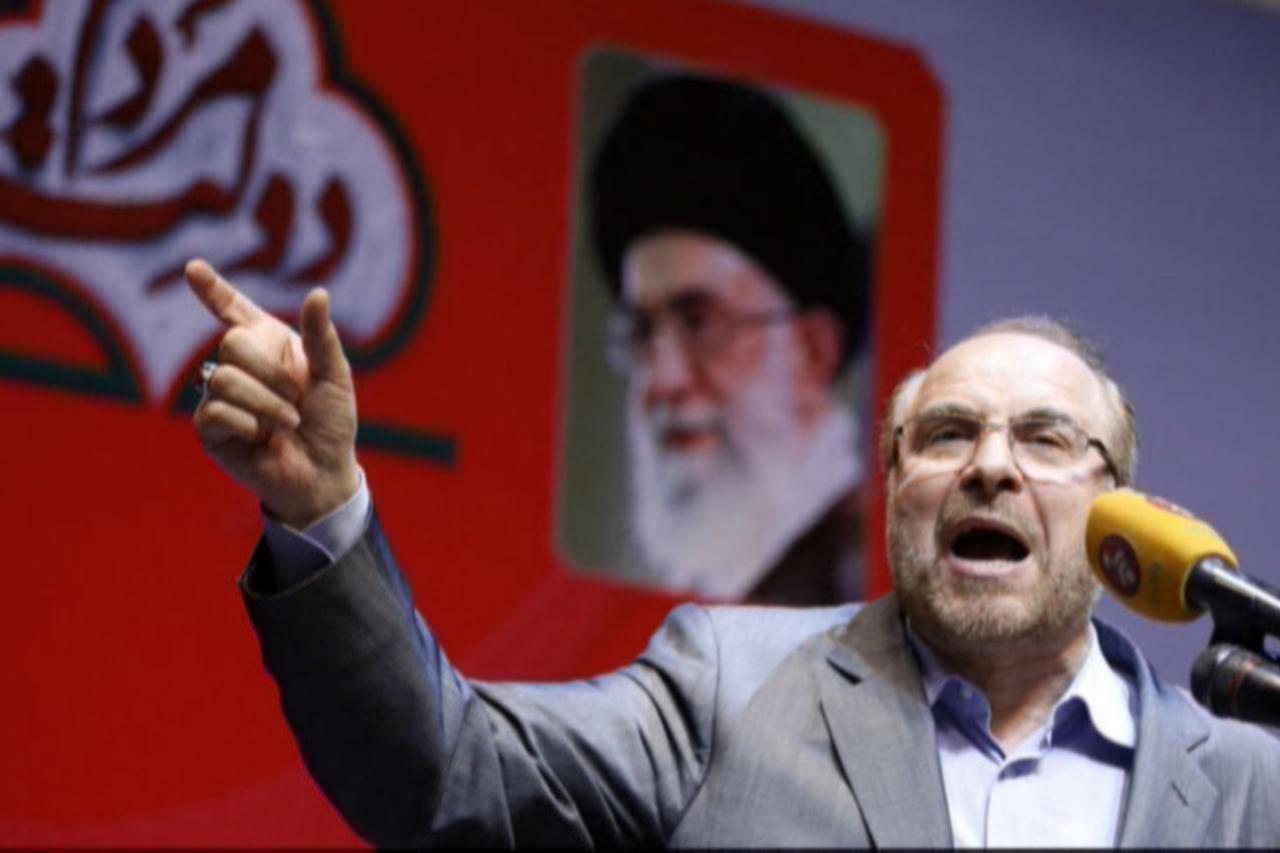


Iranian Parliament Speaker Mohammad Bagher Ghalibaf said Tehran would not remain in a state of neither war nor peace with the United States, warning of a broader military confrontation if Washington rejected Iran's conditions for an agreement, as the country's Revolutionary Guards claimed Sunday to have attacked a U.S. radar facility in Bahrain.
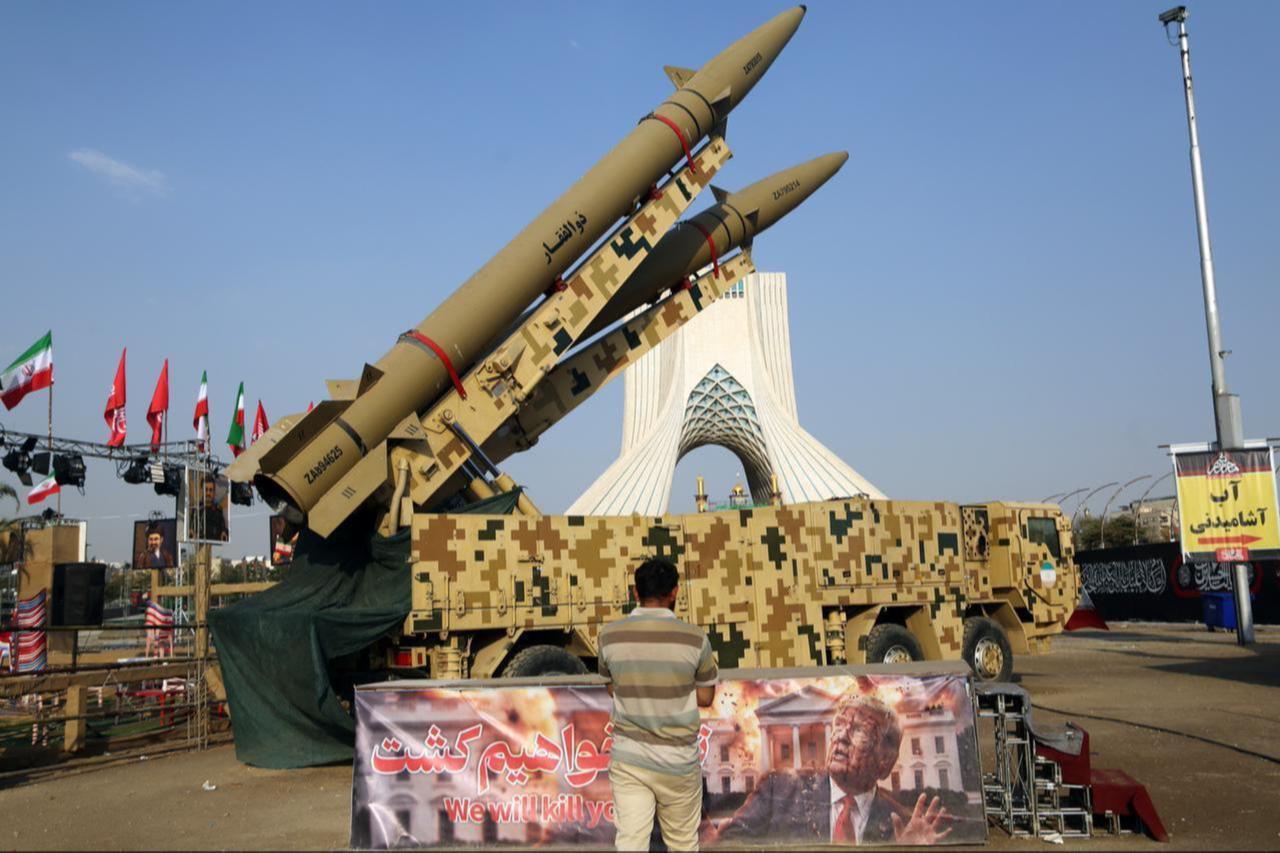
Speaking during a parliamentary session, Ghalibaf said Iran had continued producing missiles despite wartime conditions, according to the official Iranian news agency IRNA.
Referring to the inauguration of a new underground missile facility, he described the development as more than a military achievement.
"This is more than a technical and defense achievement; it is also a symbol of strategic change in the region. We will not remain in a state of neither war nor peace," Ghalibaf said.
He maintained that an agreement with Washington remained possible if the United States accepted the seven conditions previously presented by Tehran.
"But if the United States makes another mistake this time, the power and will of Iran's armed forces will determine the geographical scope of the war," he warned.
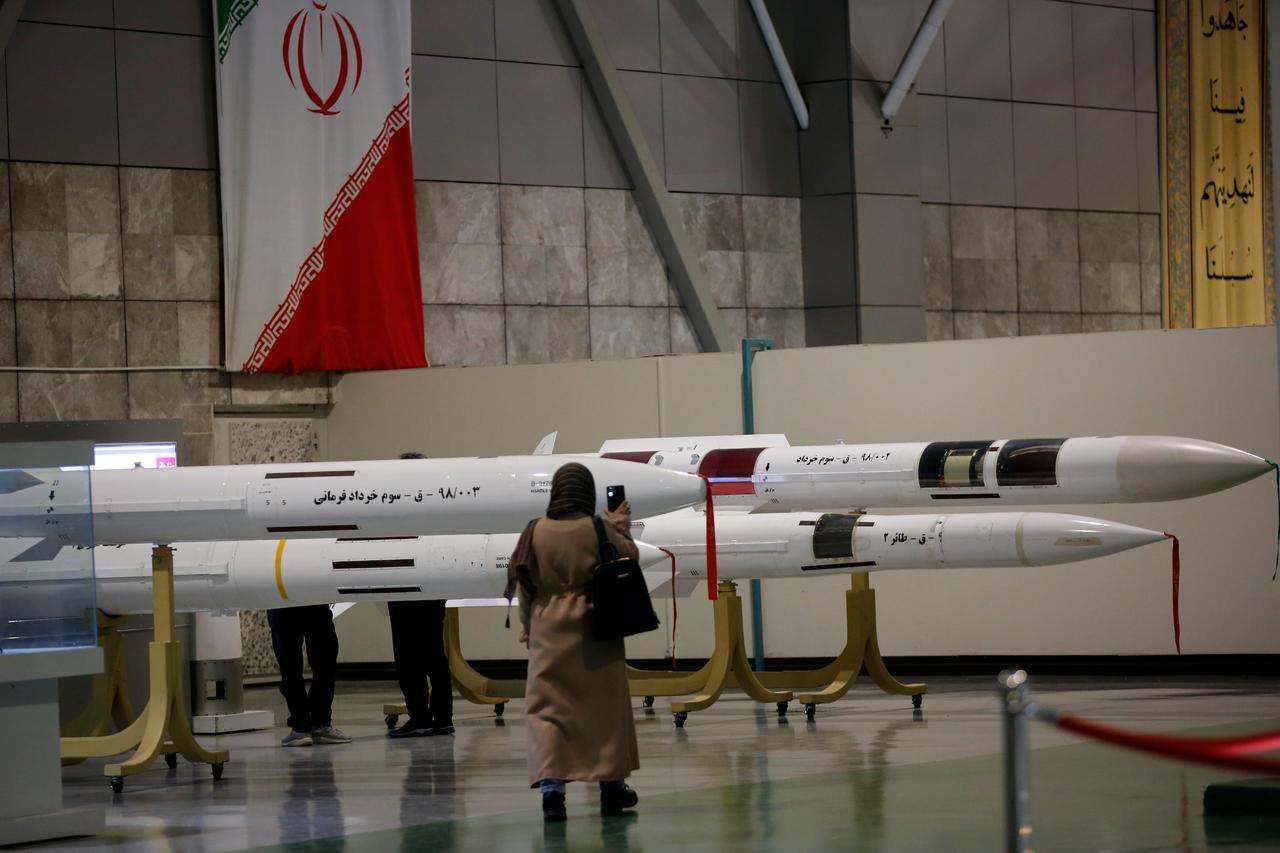

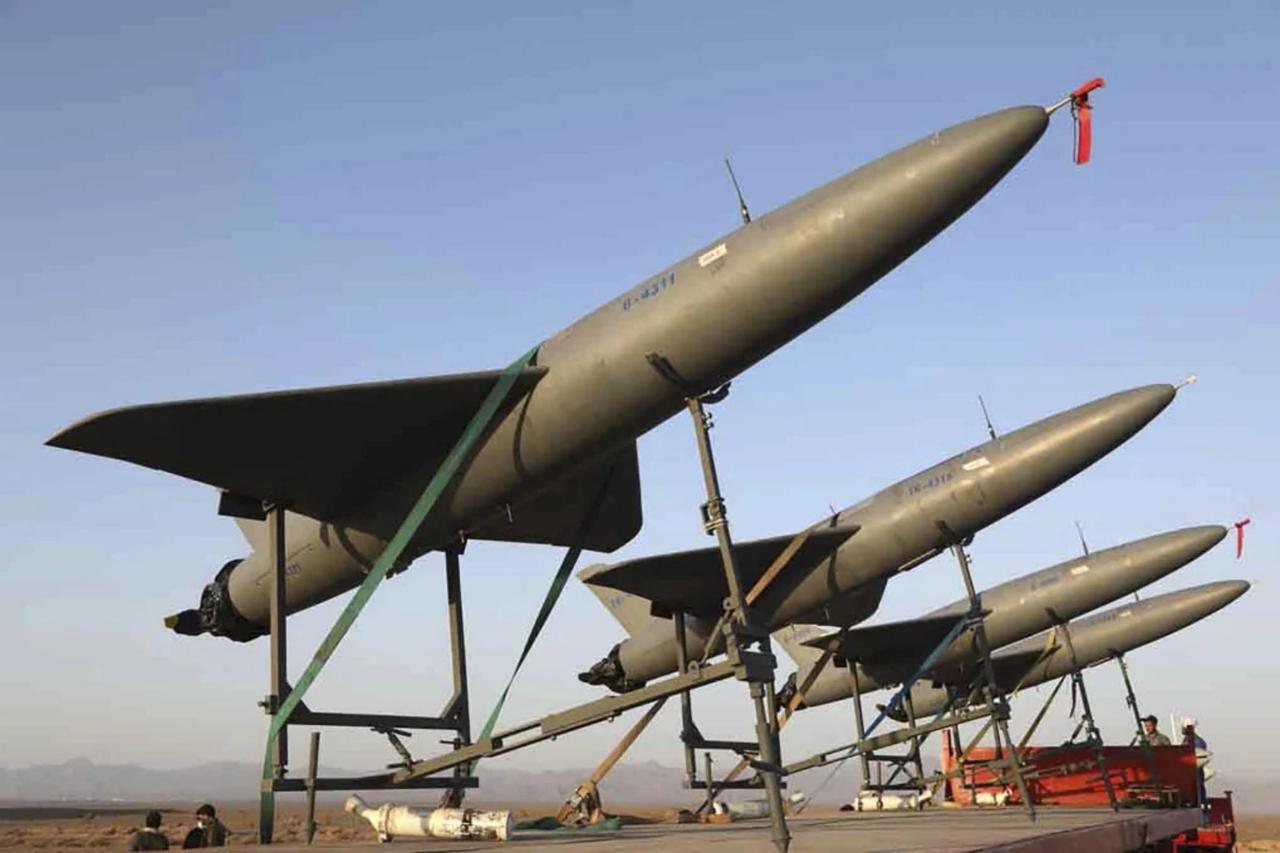
Meanwhile, Iran's Islamic Revolutionary Guard Corps (IRGC) claimed Sunday that it had targeted a U.S. radar defense site at al-Riffa Air Base in Bahrain with six drones, according to Iranian state media.
The IRGC did not provide details about whether the drones had reached their targets or caused damage.
The claim came hours after Bahrain's Interior Ministry issued repeated warnings about an unspecified potential threat and urged residents to seek shelter.
The ministry did not identify the nature of the threat in its warnings.
In a separate statement carried by state broadcaster IRIB, the IRGC said the Strait of Hormuz remained closed, citing what it described as Washington's "failure" to escort ships through the strategic waterway.
The force also warned that "any US aggression would be met with an even harsher and more devastating response.”
The latest statements come amid continuing tensions between Washington and Tehran over maritime navigation through the Strait of Hormuz, a critical passage for global energy and commodity shipments.
Shipping restrictions in the waterway have remained a major obstacle in negotiations between the United States and Iran.
The war began with U.S. and Israeli attacks on Iran on Feb. 28, before a ceasefire was reached in April.
Fighting between Washington and Tehran subsequently resumed as diplomatic negotiations stalled, despite the two sides signing a memorandum of understanding in June.
Tehran has maintained that any agreement must address its conditions, while the continuing military confrontation has complicated efforts to secure a lasting settlement.


 Set as preferred source
 Set as preferred source


 1 min read
 1 min read