Newsletters


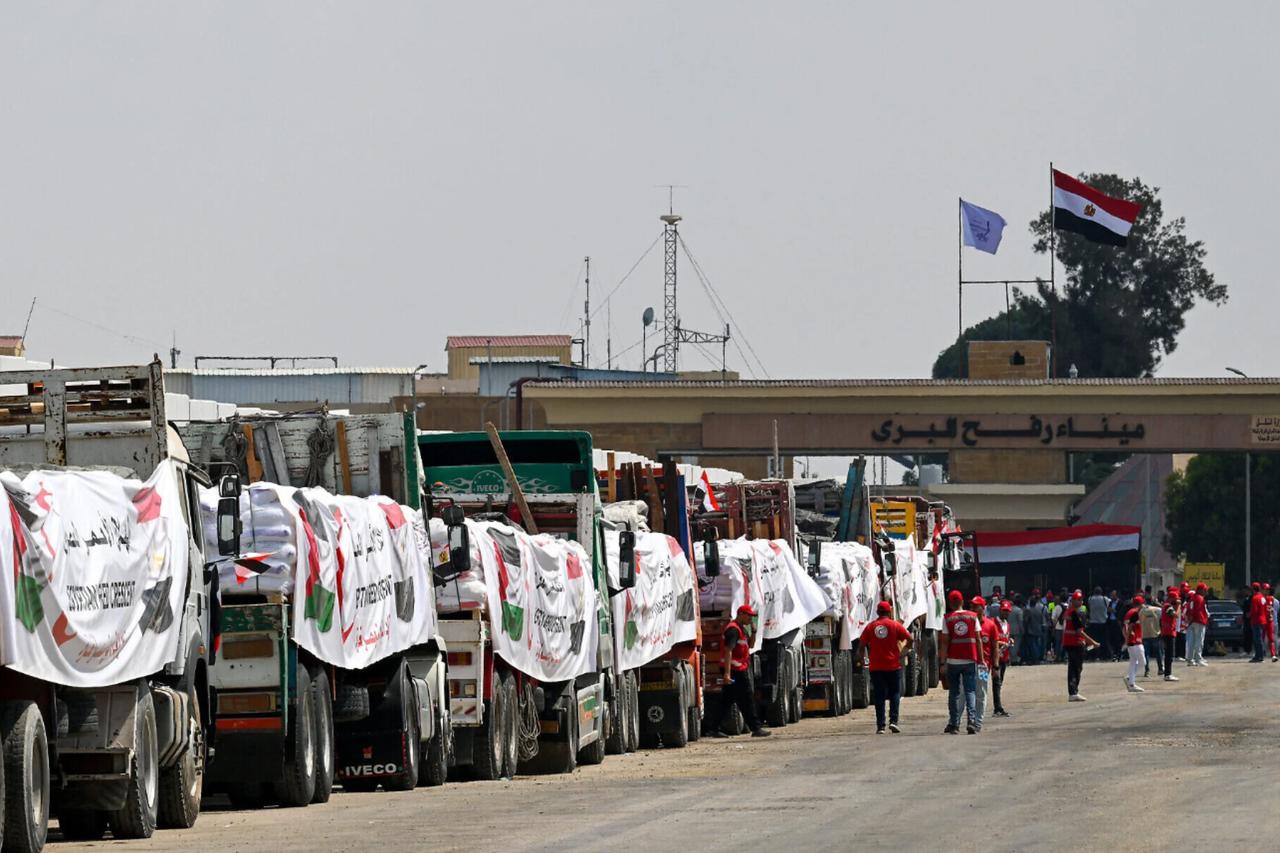


An electronic mechanism is being discussed as a potential operating formula for the Rafah crossing that would allow Israel to monitor operations remotely.
An “electronic mechanism” has emerged as a proposed operating formula for the Rafah crossing that would allow Israel to monitor the terminal remotely, without any physical presence of Israeli personnel inside or around the crossing.
According to the New Arab, the latest point of agreement was reached during the most recent visit by an Israeli delegation to Cairo on Dec. 24, 2025, and centers on reopening the Rafah crossing soon under an arrangement designed to replace an Israeli presence on the ground.
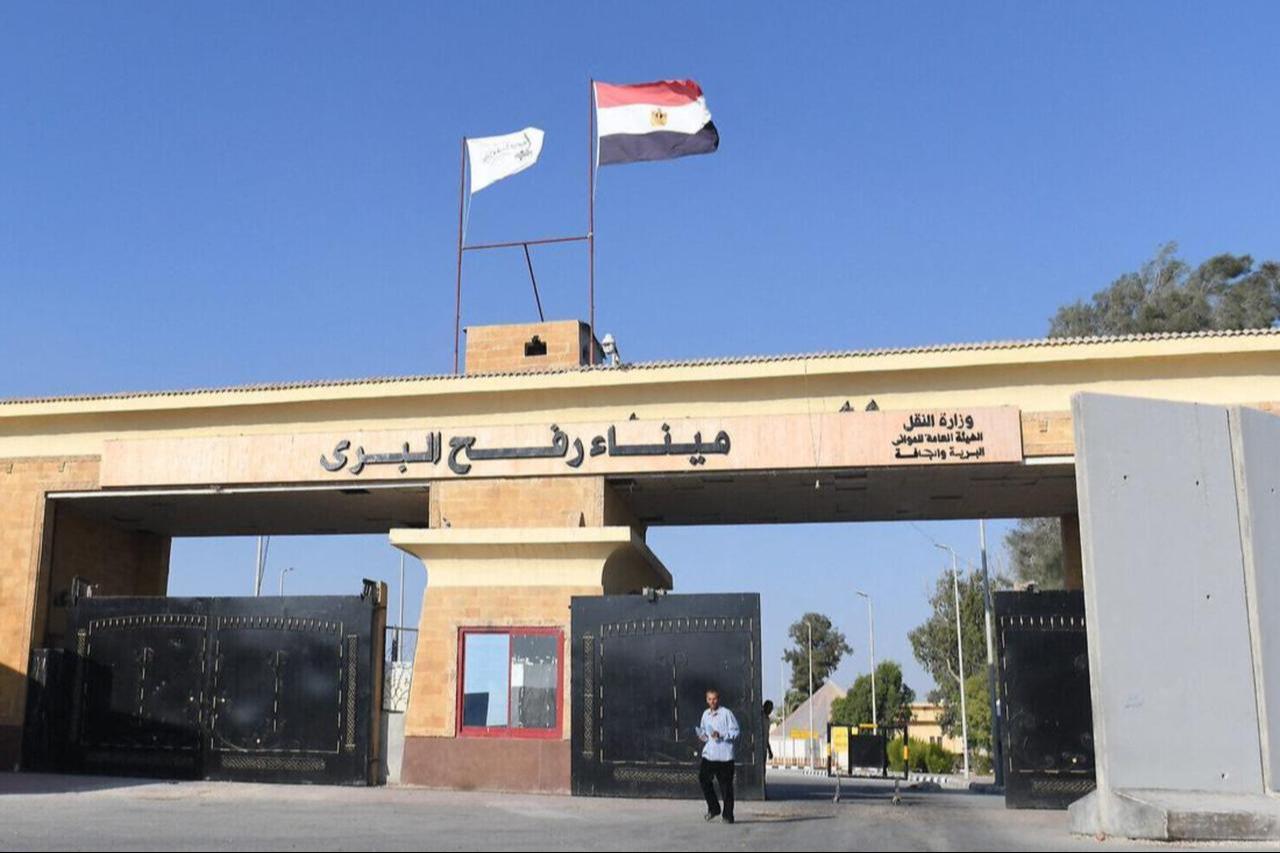

Under the proposed formula, the crossing would operate through an electronic monitoring setup that enables Israel to follow operational procedures from a distance, while E.U. teams, through specialized technical and administrative units, would take responsibility for examining, auditing, and reviewing travelers’ files.
The source said this aligns with the original provisions of the 2005 agreement governing arrangements at Rafah.
The Egyptian source stressed that Cairo has tied any full and stable reopening of Rafah to a core condition: The crossing must operate in both directions in a balanced manner, allowing Palestinians to exit and enter and enabling the return of those stranded, without political or security restrictions that could, in practice, lead to the emptying of Gaza of its residents.
In the source’s account, Egypt views the issue as more than a technical disagreement over management and procedures. Cairo, the source said, considers the battle over Rafah to be a political and legal one aimed at preventing displacement, rather than a mere administrative dispute over the mechanics of operation.
The source added that Egypt’s position is firm and nonnegotiable, warning that any formula that does not adhere, in letter and spirit, to the 2005 agreement, and that does not guarantee the absence of a direct Israeli presence, will remain rejected regardless of the pressure.
In the proposed setup, E.U. teams would be central to ensuring that screening and file review are carried out without direct Israeli deployment at the crossing. The model, as described by the source, is meant to preserve an operating framework that satisfies security and oversight demands while avoiding the optics and political consequences of Israeli personnel being stationed inside or around the terminal.
Supporters of the mechanism present it as a practical compromise: An arrangement that can sustain monitoring and scrutiny while minimizing direct friction at the crossing, particularly at a moment when Rafah is highly sensitive as a gateway for travel, humanitarian movement and the broader question of displacement.
The proposal has also appeared in media reporting. Al-Araby Al-Jadeed described a key political condition attached to the mechanism: Egypt’s insistence that any full and stable reopening must ensure two-way operation and avoid turning Rafah into an instrument of pressure or displacement.
In the same context, Haaretz reported on Sunday that a calculated mechanism was being discussed in which Palestinians departing would not undergo a physical inspection by Israeli forces, while those entering would be physically inspected, a concept framed as part of efforts to avoid direct Israeli presence at Rafah while maintaining oversight and screening.
While the electronic mechanism is presented as a workable alternative to an on-the-ground Israeli presence, it ultimately hinges on political guarantees and operational details that remain contested. At the heart of Egypt’s stance, as relayed by the source, is that Rafah must not become a conduit for demographic change in Gaza, or a bargaining tool that restricts movement in a one-sided way.
For Cairo, the source said, the test is clear: Any reopening must be full and stable, anchored in the 2005 framework, and structured to ensure that Israeli oversight does not translate into a physical footprint at the crossing or a political lever that alters realities on the ground.


 Set as preferred source
 Set as preferred source


 1 min read
 1 min read