Newsletters


Iran and Oman are closing in on an agreement to reopen the Strait of Hormuz that could come at a steep strategic price, ratifying Tehran's control over what was, before the war, an open international waterway, the New York Times (NYT) reported, citing Iranian and American officials.
The deal would solve U.S. President Donald Trump's most urgent political problem by letting ships move again. But it would hand Iran leverage it never held before the war.
Under the emerging arrangement, inbound vessels would transit a channel controlled by Iran close to its coast, while a senior Iranian source told Reuters that Tehran wants full authority over inbound traffic and visibility, with the option to intervene, over outbound ships cleared through Oman.
As described to the NYT by officials familiar with the accord, ships entering the Gulf would use the Iranian-controlled channel, while departing vessels would travel a lane near Oman.
Iranian officials said there would be no tolls but a "service fee" covering environmental impact, cargo security and staffing, with revenues divided equally between Iran and Oman.
A U.S. official familiar with the negotiations disputed that account as "not accurate," saying any "temporary" routes would involve no Iranian approvals or permissions and no tolls.
The senior Iranian source told Reuters the "general idea currently being discussed" is Iranian control of the inbound route, with outbound clearance granted through Oman only after notifying Iran, and that "Tehran is unlikely to change its position."
Deputy Foreign Minister Kazem Gharibabadi said in late July that Iran had rejected an Omani proposal for an equal division of routes, saying it failed to address Tehran's security concerns.
Iranian officials told the NYT the strait will remain closed regardless of any accord until the U.S. lifts its naval blockade of Iranian ports and both countries return to the 14-point Islamabad memorandum.
Mahdi Mohammadi, a senior adviser to Iran's lead negotiator, said the Iran-Oman talks on managing the strait are separate from the war with the U.S.

The arrangement would directly collide with the standard set by Secretary of State Marco Rubio, who has insisted the strait return to its prewar openness.
"If we create a precedent in the Middle East where a nation state can decide that they are going to control an international waterway, charge a toll and if you don't pay them blow up your ships, we have created a very dangerous precedent, which will repeat itself in other parts of the world," Rubio said, warning that "the rules which have underpinned 150 years of international trade and commerce are also threatened."
Yet the administration appears to be preparing for a reopening under daily Iranian control, the NYT reported, because reopening is politically vital for Trump, who called off a broad new attack on Iran over the weekend amid the return to negotiations and has twice in two weeks shelved U.S. Central Command (CENTCOM) chief Adm. Brad Cooper's plan for a short, intense bombardment.
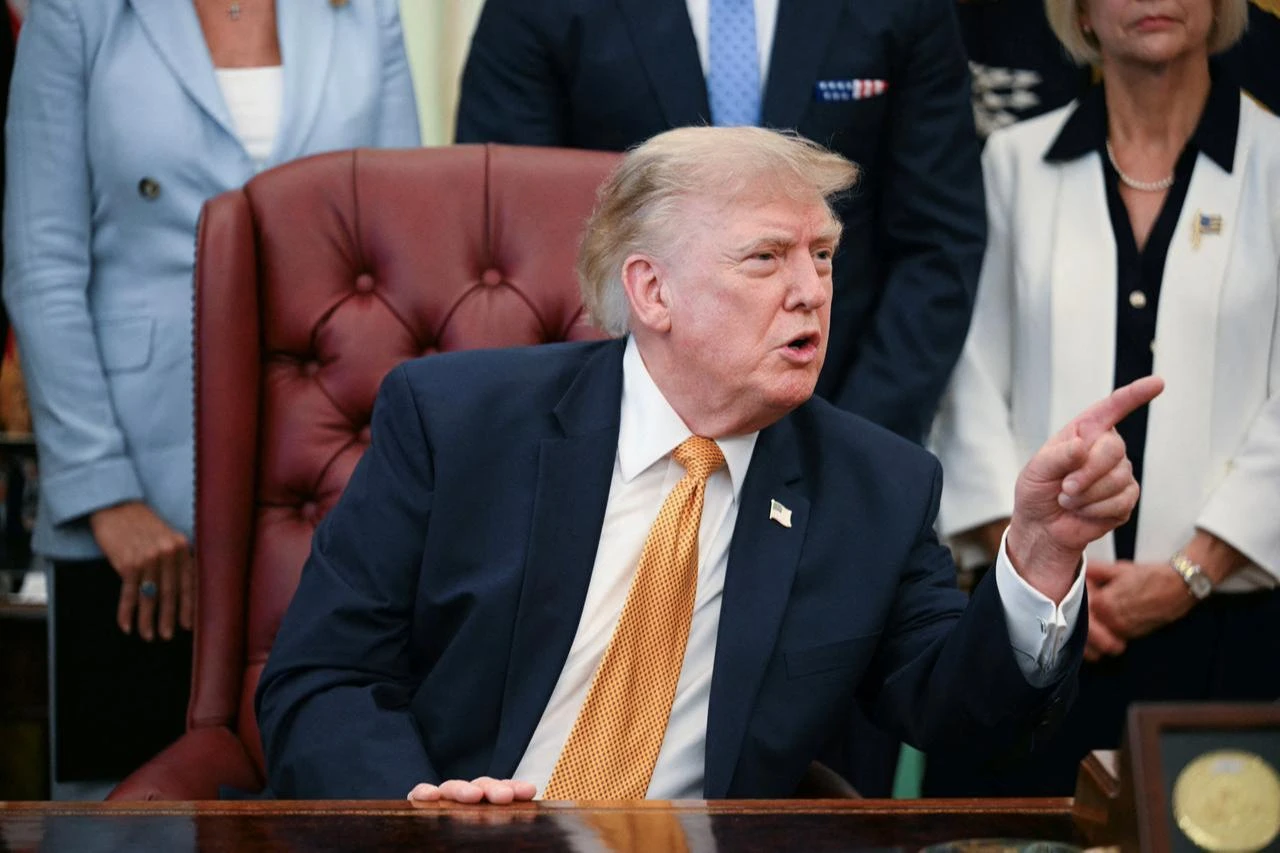
"You'll find out today or tomorrow," Trump said at the White House Monday, predicting the strait could open "literally by tomorrow."
"The first phase is the opening of the straits. The second phase will be the denuclearization," he added.
The agreement gives Iran and Oman 60 days to negotiate the opening, during which Washington and Tehran would resume talks on Iran's 11 tons of enriched uranium, including about half a ton near bomb-grade, which the U.S. wants diluted and shipped abroad.
Officials concede any nuclear negotiations would stretch deep into the fall, with some privately doubting an accord will come at all.
Some senior Pentagon officials view the emerging arrangement as capitulation, noting the Omani-side route remains so heavily mined that ships would still need to coordinate with Iran to transit safely, current and former officials told the NYT.
CENTCOM has been guiding ships through that route under Iranian missile threat, and said Monday it has redirected 44 commercial vessels, disabled two and boarded two others under the blockade.
Iran, meanwhile, raised the stakes: "If the United States brings warships into the illegal route in the Strait of Hormuz, we will target them," Mohsen Rezaei, military adviser to Supreme Leader Mojtaba Khamenei, said on state television, demanding the U.S. return Iranian funds, declare it is not at war with Iran and cease "creating insecurity" in the strait.
Iran "will under no circumstances allow any route through the Strait of Hormuz other than Iran's route to be opened," he said.
Speaking to NYT, Ali Vaez of the International Crisis Group said Iran is adamant about keeping the strait, its "only achievement from the war", leaving the deal to put Tehran in a better position than before the fighting.
"Whatever solution leaves Iran in control of the strait will be a very tough sell for Trump but there is also no military solution to remove Iran's control of the strait," Vaez said, adding, "Trump's options are between an unwinnable war and an unpalatable peace."
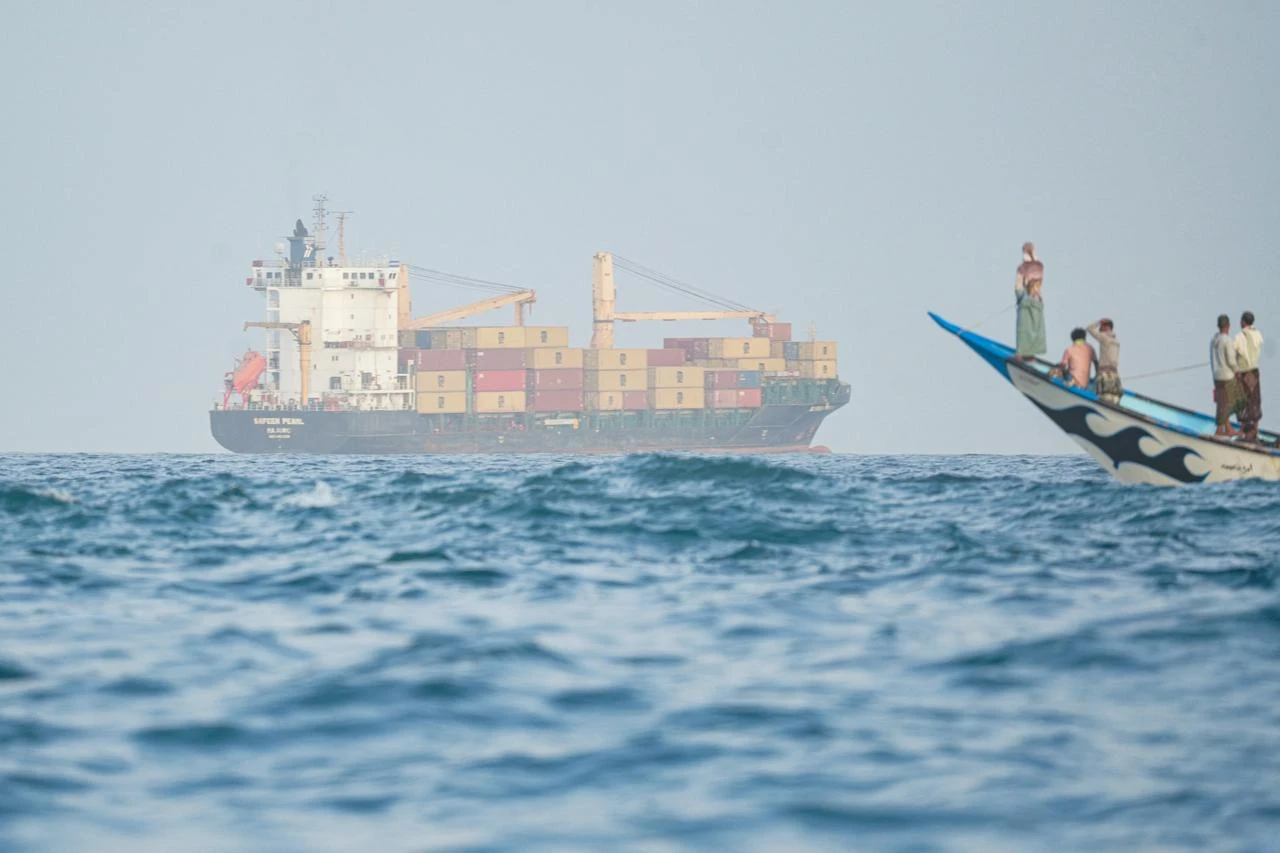
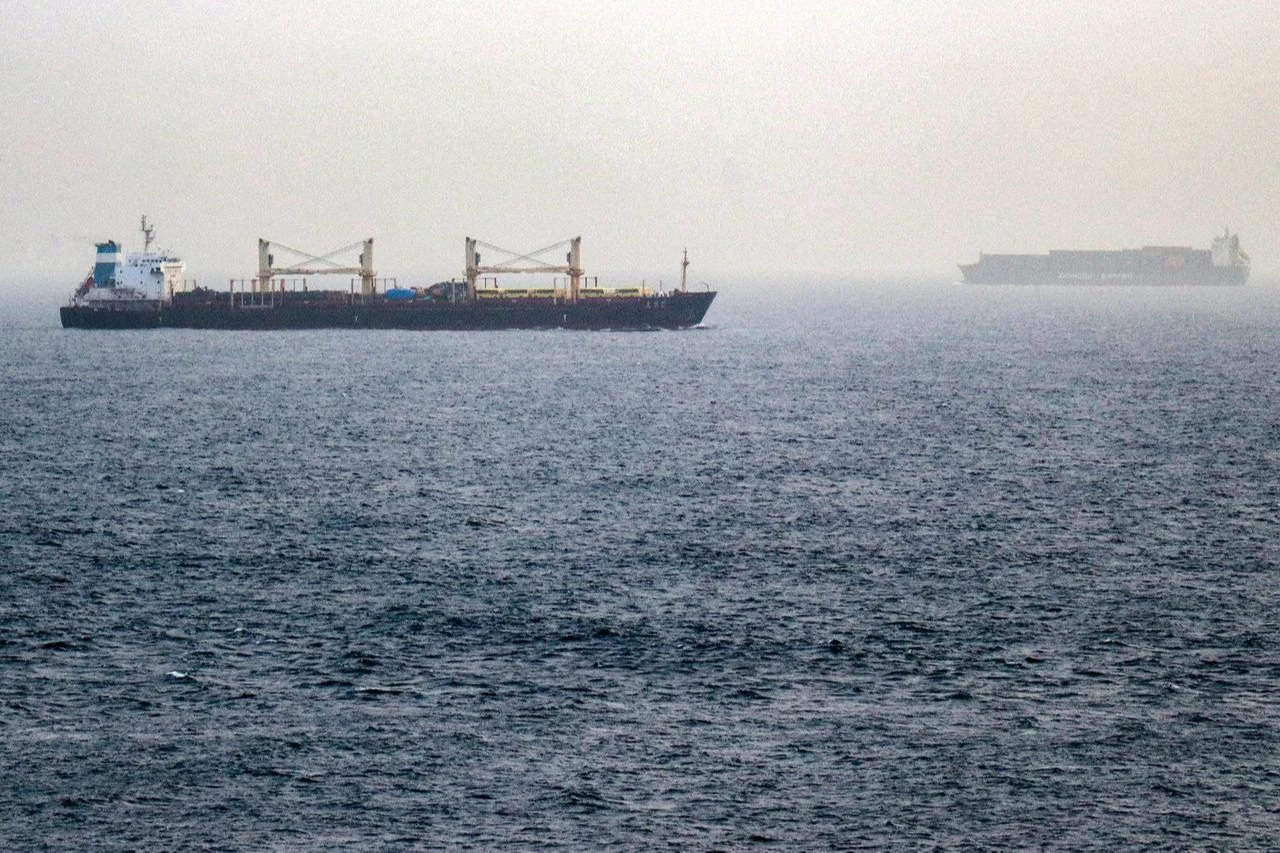
The strait, conduit for about a fifth of world oil supplies, has been largely blocked since the war began in late February.


 Set as preferred source
 Set as preferred source



 6 min read