Newsletters


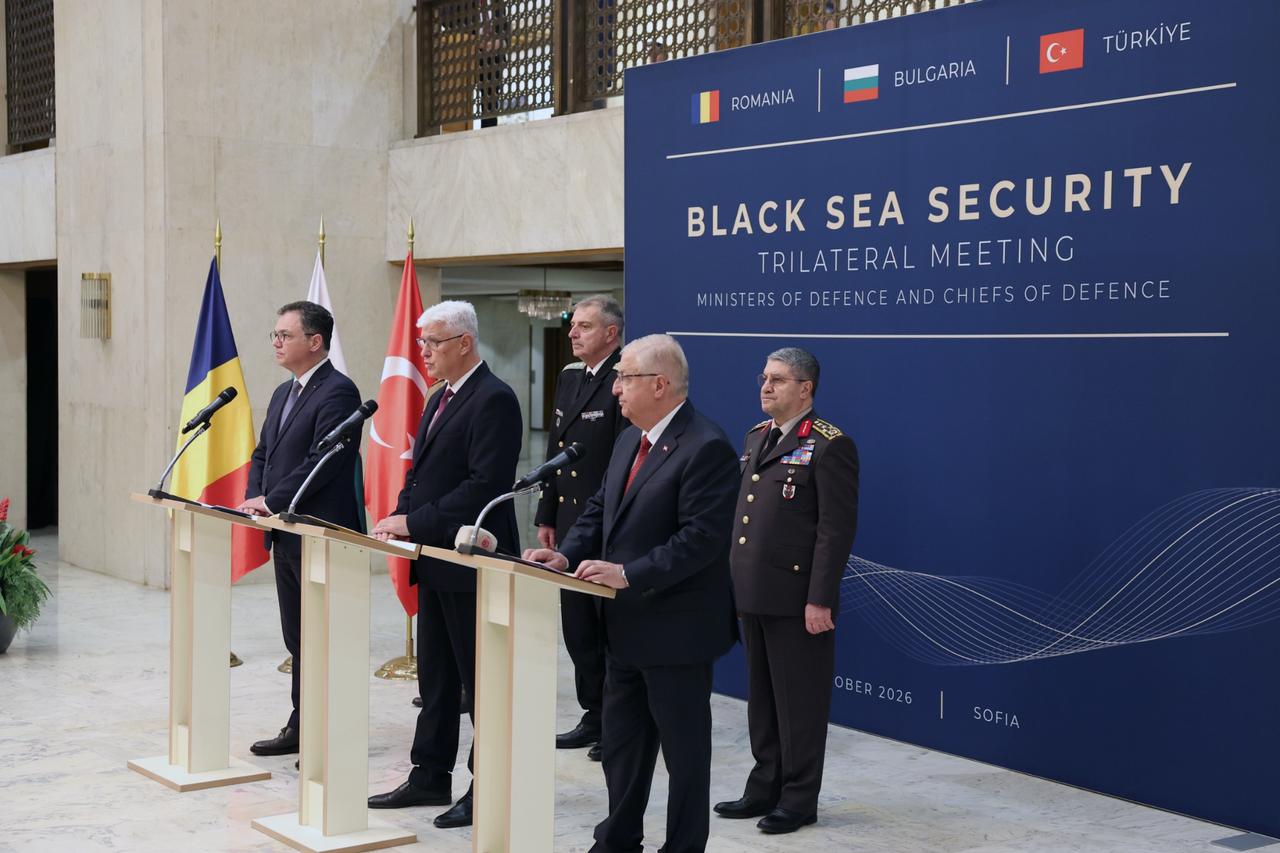


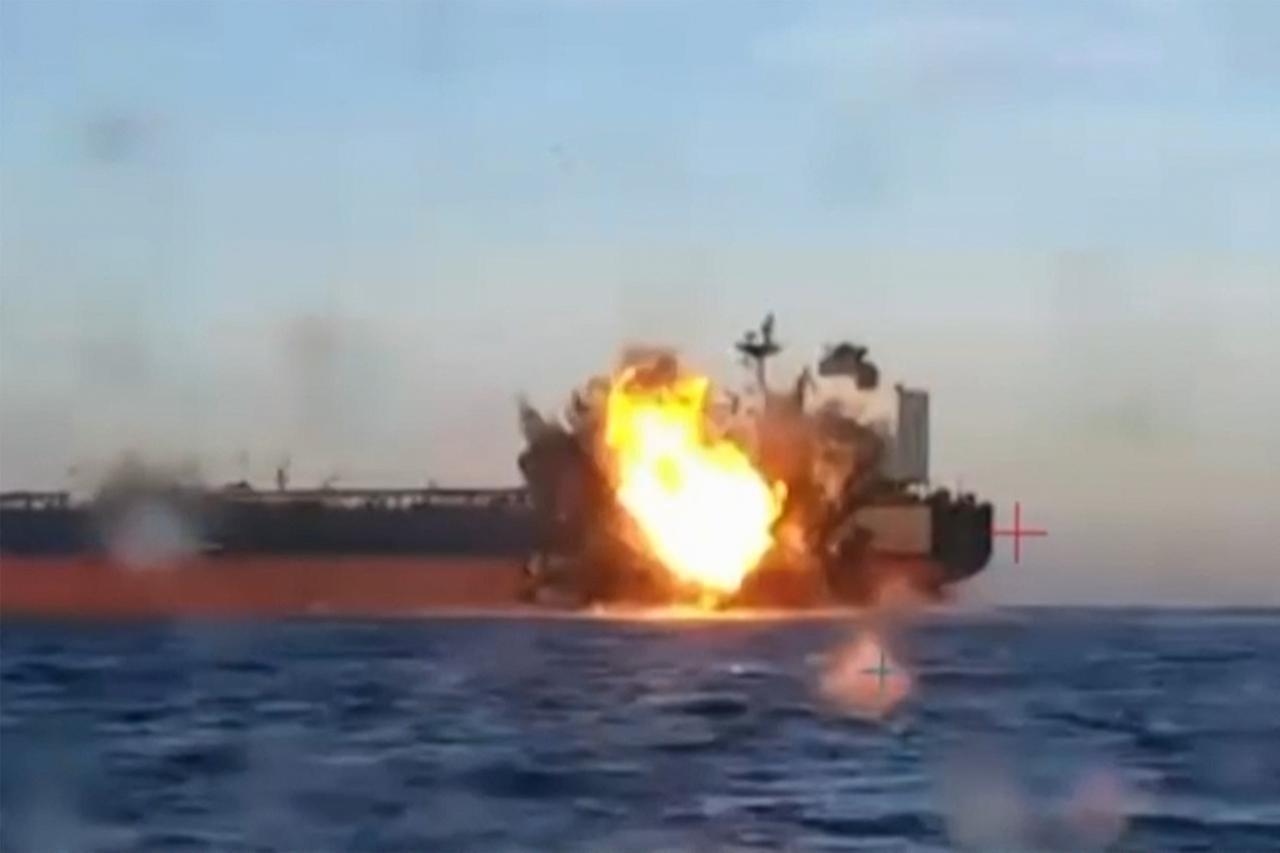
Türkiye, Bulgaria and Romania jointly condemned drone attacks on commercial vessels in the Black Sea on Wednesday and agreed to establish a trilateral coordination mechanism to strengthen maritime security, as Turkish Defense Minister Yasar Guler revealed that another ship had been struck by three drones in Bulgaria's maritime jurisdiction.
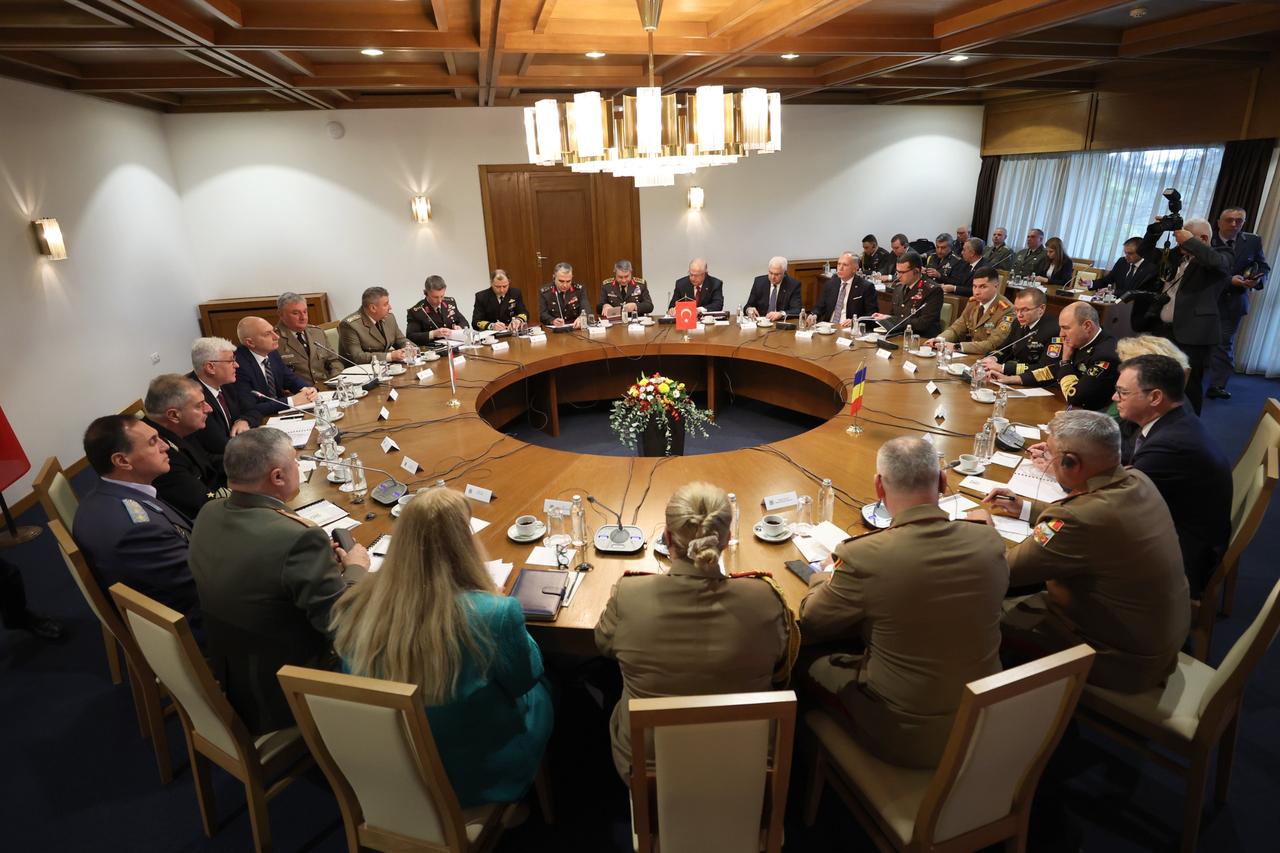
The agreement was reached during a meeting of the three countries' defense ministers and military chiefs in Sofia, where officials discussed growing security threats linked to the Russia-Ukraine war and measures to protect commercial shipping routes.
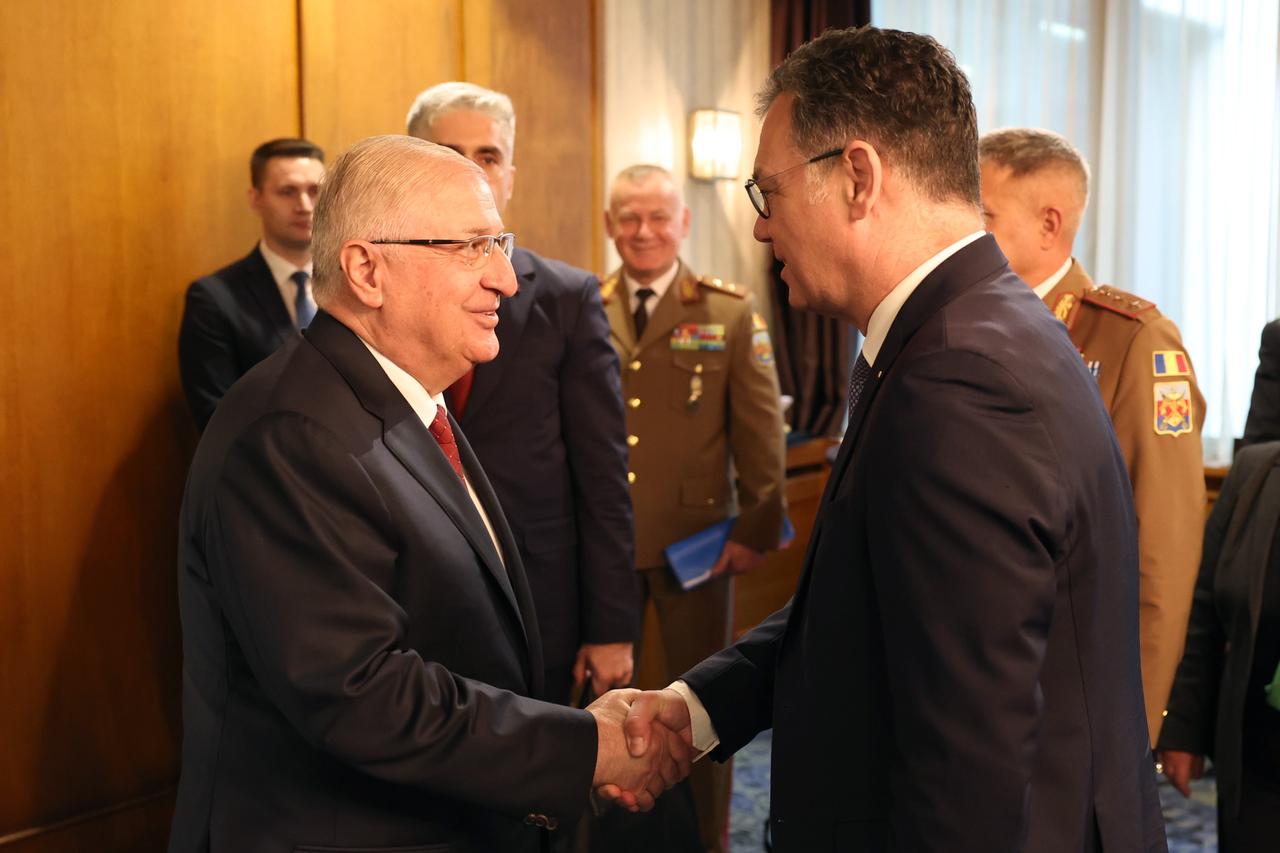
The meeting brought together Turkish National Defense Minister Yasar Guler, Bulgarian Defense Minister Dimitar Stoyanov and Romanian Defense Minister Stefan-Radu Oprea, alongside their respective military chiefs.
Speaking at a joint news conference, Stoyanov announced that the three countries had adopted a joint statement condemning attacks on civilian maritime transportation.
"Bulgaria, Romania and Türkiye share a common position in strongly condemning drone attacks on commercial vessels in the Black Sea. These tragic incidents are leading to a dangerous escalation of tensions and pose serious risks to maritime security," he said.
"We demand an immediate end to attacks that endanger the safety of commercial vessels, maritime infrastructure and maritime activities."

Guler expressed deep concern over the intensifying attacks on commercial shipping in the Black Sea, urging Russia and Ukraine to exercise restraint and respect freedom of navigation in international waters.
"Indeed, today we learned that another commercial vessel was struck by three drones in Bulgaria's maritime jurisdiction area. I believe it would be useful to warn both sides to be more careful," he said.
The Turkish minister stressed that Ankara reserves all its legal rights concerning attacks on Turkish-flagged and Turkish-operated vessels and continues to closely monitor developments.
He warned that nearly five years of fighting between Russia and Ukraine had created growing maritime security risks, including attacks on commercial ships, drifting mines, unmanned surface vessels (USVs), unmanned aerial vehicles (UAVs), and missile debris.
"To date, numerous commercial vessels have been attacked by the parties in the Black Sea, while drifting mines, unmanned surface vessels (USVs) and unmanned aerial vehicles (UAVs) that went out of control or were struck, as well as missile debris, have been destroyed."
Guler emphasized that Türkiye has maintained communication with both Russia and Ukraine to prevent further escalation and safeguard international maritime trade.
"Both sides are repeatedly warned that commercial navigation must be kept outside the conflict zone and that attacks on civilian vessels must cease immediately," he said.
Bulgarian authorities have also characterized attacks on commercial shipping as violations of international maritime law.
Stoyanov previously called for closer coordination among Black Sea allies and NATO, particularly in maritime surveillance and intelligence sharing, Bulgarian news agency BTA reported Oct. 13.
Stoyanov announced that Türkiye, Bulgaria and Romania had agreed to create a trilateral mechanism focused on responding to emerging maritime security threats.
"Through this mechanism, Bulgaria, Romania and Türkiye will hold regular consultations, exchange information and identify concrete steps to strengthen regional security and stability," he said.
He said the Sofia meeting had been organized at short notice in response to the deteriorating security environment and thanked his Turkish and Romanian counterparts for their swift participation.
The Bulgarian minister also said further trilateral meetings were being discussed for Bucharest and Ankara.
Romanian Defense Minister Oprea joined the condemnation, specifically addressing the drone attack reported off the Bulgarian coast earlier Wednesday.
He said Romania, as another Black Sea coastal state, had also been affected by drone attacks targeting commercial vessels.
"With today's meeting, Türkiye, Bulgaria and Romania have further strengthened their cooperation on Black Sea security," Oprea said.
Guler, meanwhile, emphasized that the three countries possessed the military capabilities necessary to take additional security measures but warned against actions that could further escalate regional tensions.
"As regional countries, we have no capability deficiencies when it comes to measures that can be taken. The Turkish Armed Forces and the armed forces of Romania and Bulgaria possess the necessary capabilities to implement all kinds of measures.
"However, it is important to take into account the timing and the circumstances we are in. Therefore, it is essential to make rational decisions at the tactical and strategic levels through careful diplomacy, avoiding approaches that could increase tensions and dangers in the region," he said.
Guler also highlighted Türkiye's implementation of the Montreux Convention, arguing that Ankara's adherence to the treaty had helped prevent the Russia-Ukraine war from spreading more widely across the region.
"As Türkiye, we have meticulously fulfilled the requirements of the Montreux Convention regarding Black Sea security since the beginning of the war. In this way, we prevented the war from spreading to a wider region and managed to keep its impact on the Black Sea to a minimum.
"Meanwhile, to address the mine threat arising from the Russia-Ukraine war and contribute to maintaining navigational safety, we are also conducting national mine countermeasures operations using our naval forces and naval aviation assets," he said.
The Turkish minister reaffirmed Ankara's support for Ukraine's sovereignty and territorial integrity while emphasizing its efforts to maintain dialogue with Moscow to prevent regional crises from escalating.
He also highlighted the Black Sea Mine Countermeasures Task Group (MCM Black Sea), established by Türkiye, Bulgaria and Romania under the principle of regional ownership to address the threat of drifting naval mines.
Guler said other countries could contribute to the initiative without deploying naval vessels, provided the task group's member states agreed.
Beyond mine clearance, he identified the protection of critical underwater infrastructure as another major security priority.
"In this context, on July 7, on the sidelines of the NATO summit, we signed amendments to the Memorandum of Understanding," he said.
Guler also noted that Türkiye had assumed leadership of the Maritime Component Command under the Coalition of the Willing for Ukraine, describing the move as another demonstration of Ankara's commitment to regional security cooperation.
 1 min read
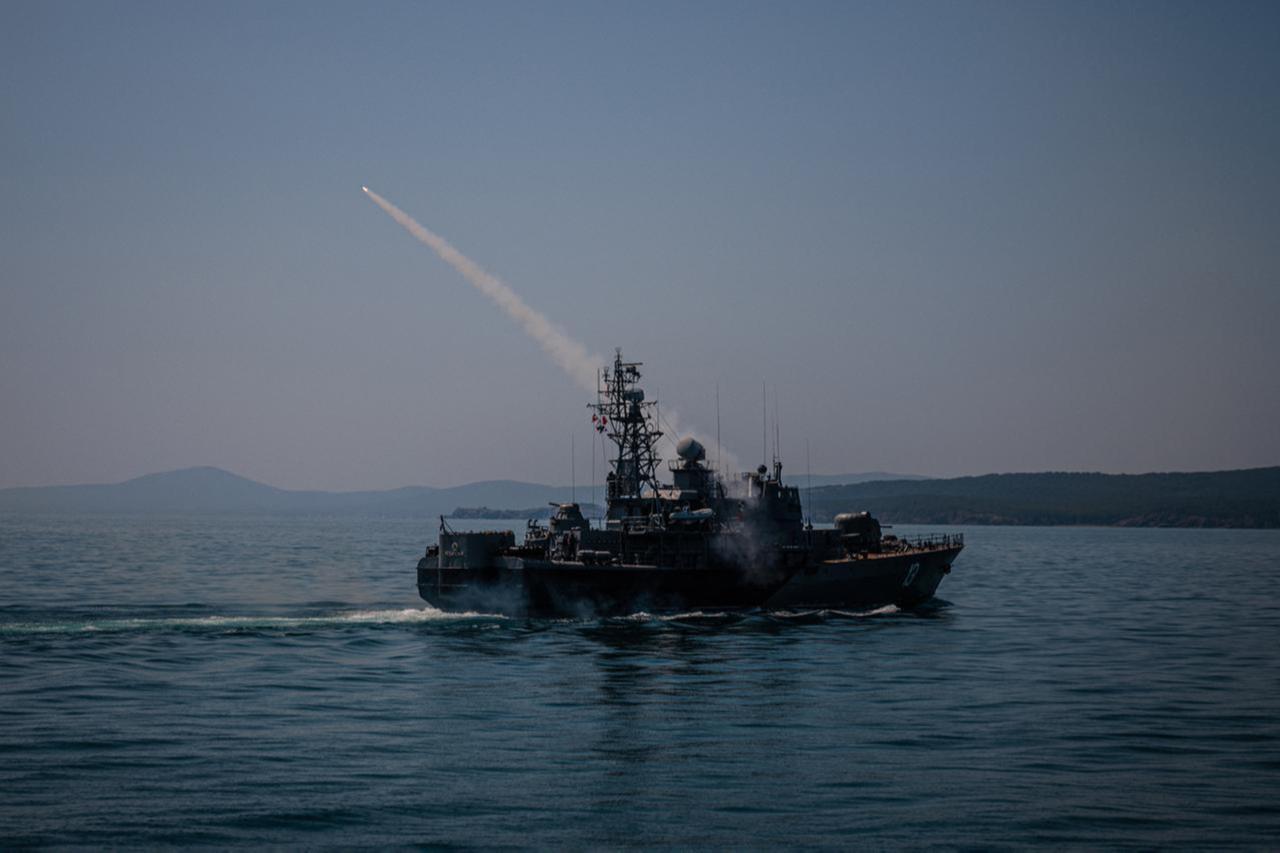
Guler said the joint position adopted in Sofia sent a clear message to Russia and Ukraine that the safety of commercial shipping routes and Black Sea coastal countries must be protected.
He emphasized that the three NATO allies had already taken measures to limit the war's impact on their national security and citizens while stressing that further steps could be introduced if necessary.
"I would like to state that, going forward, we will take all additional measures necessary to contribute to navigational safety in the Black Sea, within the framework of the principle of regional ownership and using the capabilities at our disposal.
"In fact, through the joint statement we agreed upon as a result of our consultations here today, we have once again clearly demonstrated our determined stance on Black Sea security."
According to the Turkish National Defense Ministry, Guler and Chief of General Staff Gen. Selcuk Bayraktaroglu were received at Sofia's Boyana Government Residence by Stoyanov and Bulgarian Chief of Defense Adm. Emil Eftimov.
Romanian Chief of Defense Gen. Gheorghita Vlad also participated in the trilateral meeting.


 Set as preferred source
 Set as preferred source



 1 min read