Newsletters


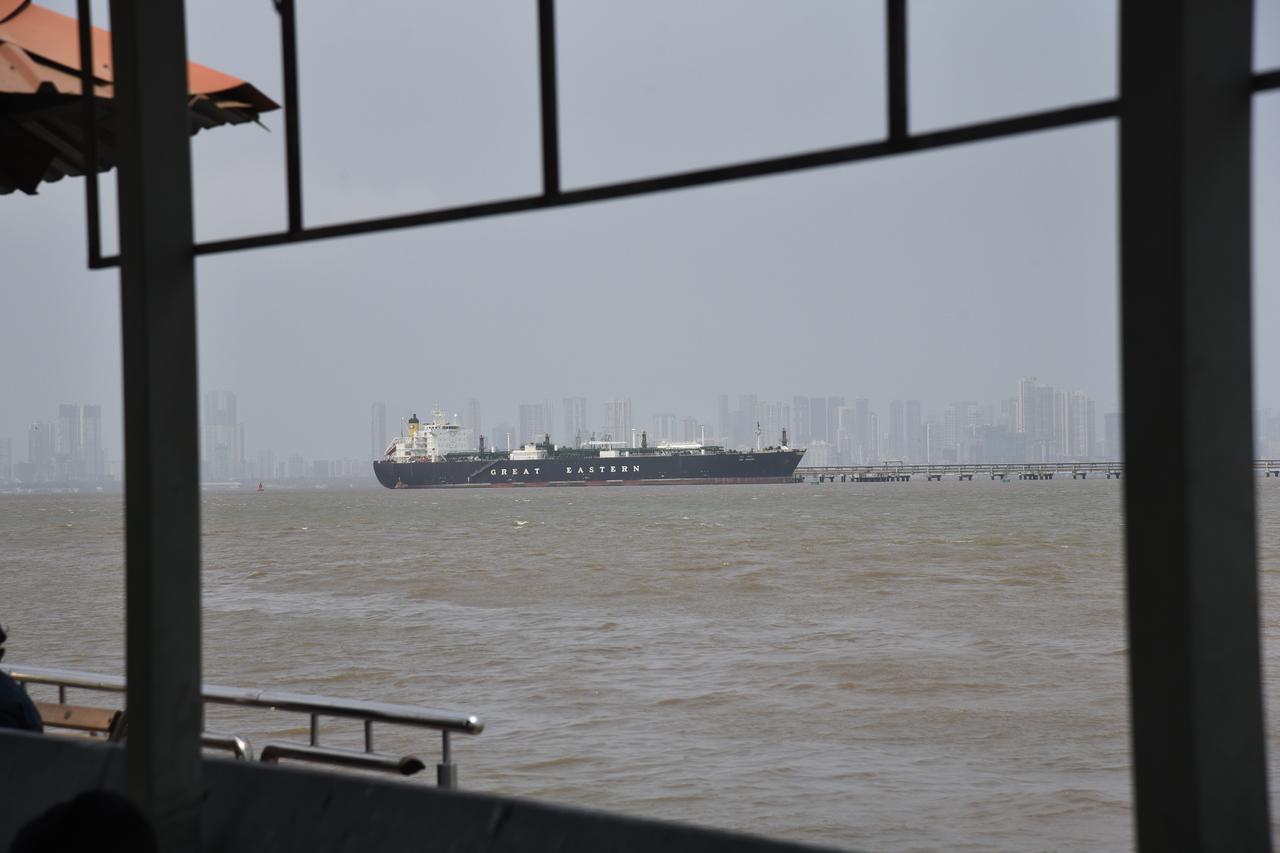


Gulf countries are reconsidering plans to develop new oil and gas pipelines that bypass the Strait of Hormuz, as ongoing regional conflict and disruptions in the waterway raise concerns over energy security, according to a Financial Times report.
The renewed discussions come as officials and industry executives warn that prolonged Iranian control or disruption of the Strait of Hormuz could leave Gulf exporters vulnerable, prompting a reassessment of projects previously deemed too costly or complex.
About 20% of global oil supply passes through the strait each day, and recent tensions, including restrictions announced by Iran on March 2, have disrupted flows, increased shipping and insurance costs, and pushed up global energy prices.
The Financial Times reported that the crisis has highlighted the strategic importance of Saudi Arabia’s 1,200-kilometer (174.6 miles) East-West pipeline, which carries crude oil to the Red Sea port of Yanbu, allowing exports to bypass Hormuz entirely.
A senior Gulf energy executive described the pipeline as “a genius masterstroke,” while Saudi Aramco CEO Amin Nasser said it is the “main route that we are capitalizing on right now.”
Saudi Arabia is now considering expanding the capacity of the pipeline or developing additional export routes and terminals along the Red Sea coast to reduce reliance on the strait.
 1 min read
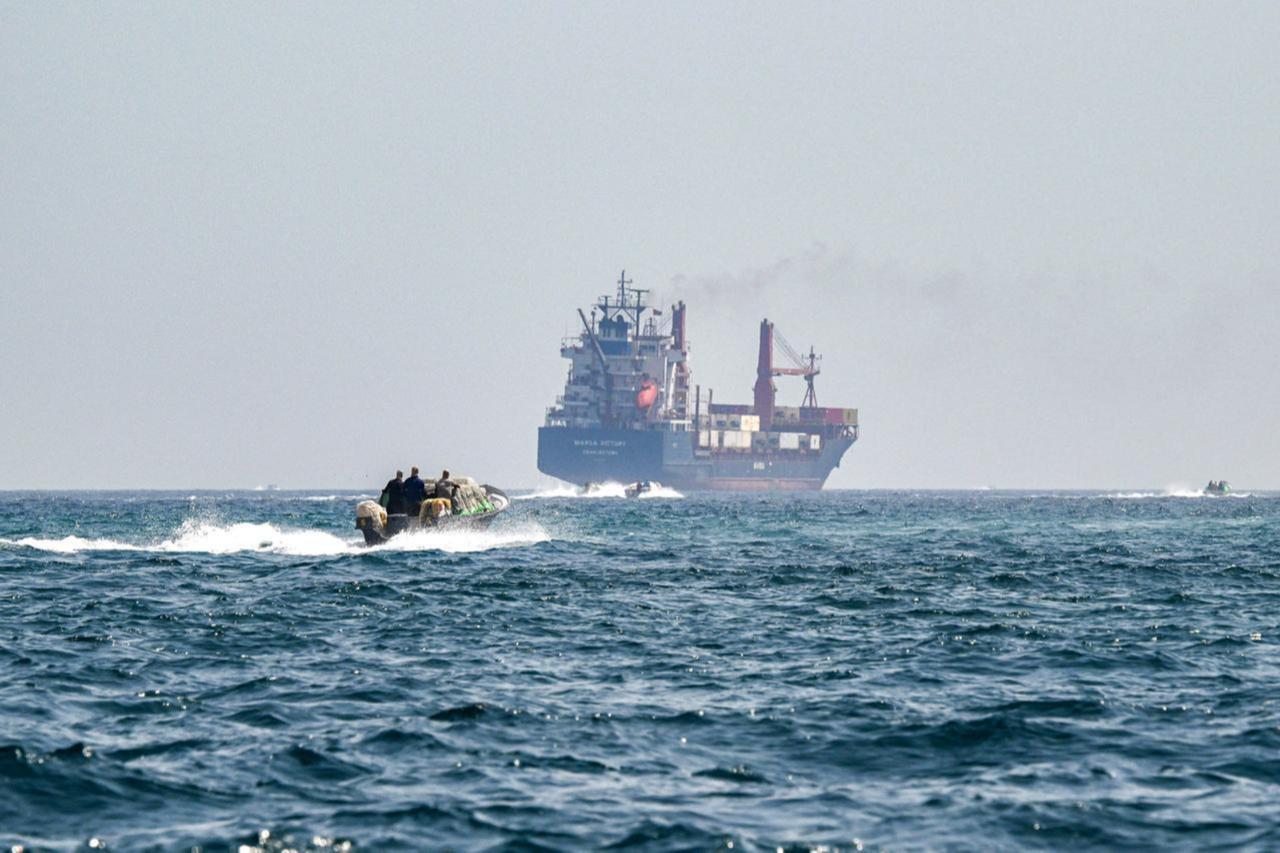
Despite renewed interest, officials and experts say building new cross-border pipelines remains challenging due to high costs, security risks, and political complexities.
Christopher Bush, CEO of Lebanon-based Cat Group, told the Financial Times that replicating the East-West pipeline today would cost at least $5 billion, while more complex routes from Iraq through Jordan, Syria or Türkiye could require between $15 billion and $20 billion.
He cited ongoing security risks in Iraq, including unexploded ordnance and militant presence, as well as engineering challenges for routes crossing desert and mountainous terrain toward Oman.
Political disagreements over ownership, operation and control of pipeline networks also pose significant obstacles.
Industry experts said that, in the near term, expanding existing infrastructure—including Saudi Arabia’s East-West pipeline and Abu Dhabi’s pipeline to Fujairah—is seen as the most practical option.
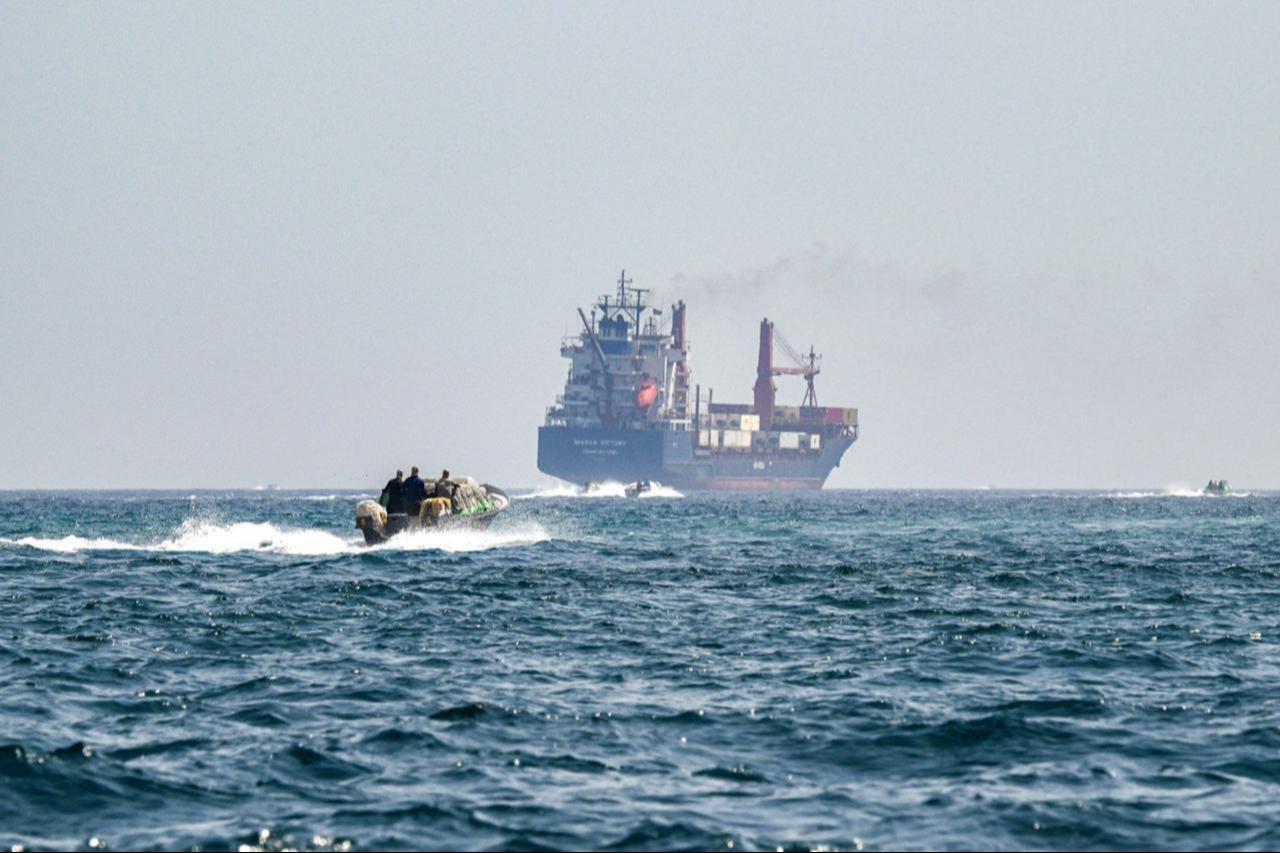

The report also noted that longer-term options could involve broader trade corridors connecting India, the Gulf and Europe, potentially incorporating pipelines alongside other infrastructure.
Some executives suggested that pipelines to Mediterranean outlets may eventually be developed. Yossi Abu, CEO of Israel’s NewMed Energy, said countries need to “control their own destinies” through regional connectivity.
However, experts warned that creating a network of pipelines would require greater cooperation among Gulf states, which have traditionally relied on shipping routes through Hormuz.
Maisoon Kafafy of the Atlantic Council said the current crisis has shifted thinking from theoretical discussions to practical planning, noting that “everyone is looking at the same map and they are drawing the same conclusions.”
According to the Financial Times, policymakers are increasingly treating the issue as urgent, though decisions on major new projects may depend on the long-term status of the Strait of Hormuz.
Meanwhile, diplomatic efforts continue, with the U.S. and other countries involved in discussions aimed at reopening the strategic waterway, as energy markets remain sensitive to developments in the region.


 Set as preferred source
 Set as preferred source


 1 min read