Newsletters


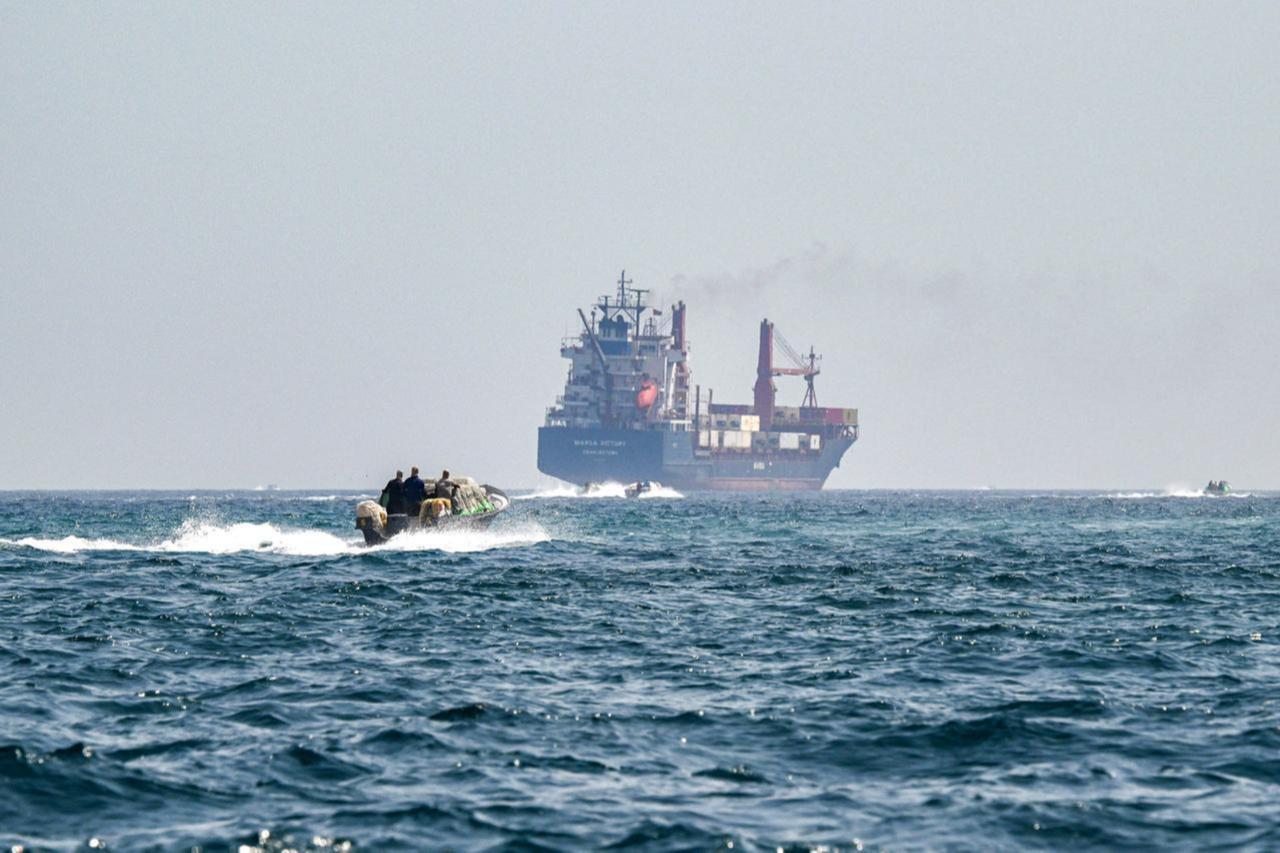


Iran's parliament has passed legislation to formally impose transit fees on commercial vessels passing through the Strait of Hormuz, codifying into law a toll system that Iranian authorities had already been operating on an ad hoc basis since early March, according to the Revolutionary Guard-aligned Tasnim and Fars news agencies.
The bill, prepared by the Majlis Civil Affairs Committee, legally enshrines Tehran's "sovereignty, control and oversight" over the strait while creating a new stream of state revenue. Lawmaker Mohammadreza Rezaei Kouchi, the committee's chairman, framed the move in straightforward commercial terms.
"Parliament is pursuing a plan to formally codify Iran's sovereignty, control and oversight over the Strait of Hormuz, while also creating a source of revenue through the collection of fees," he was quoted as saying, adding that the corridor was no different from any other transit route: "The Strait of Hormuz is also a corridor. We ensure its security, and it is natural for ships and tankers to pay us duties."
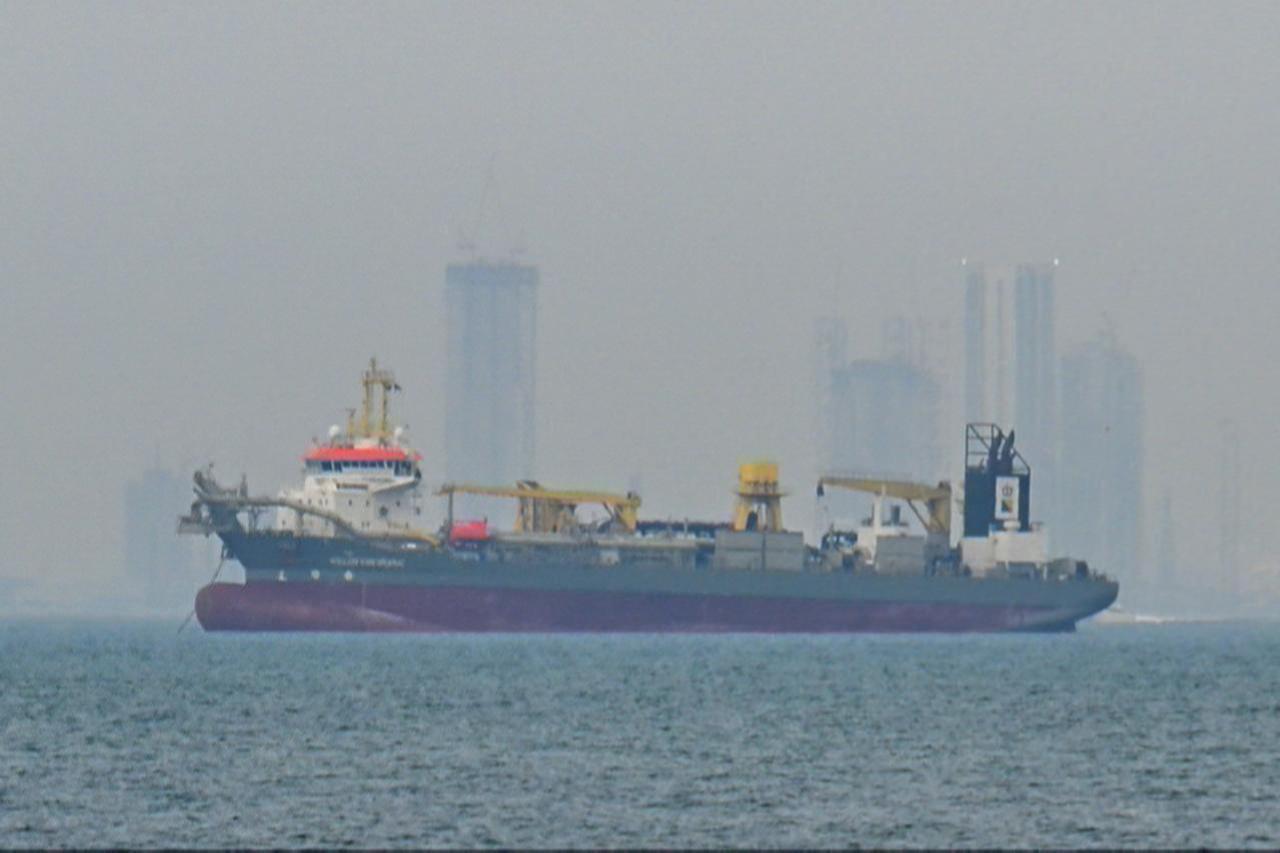

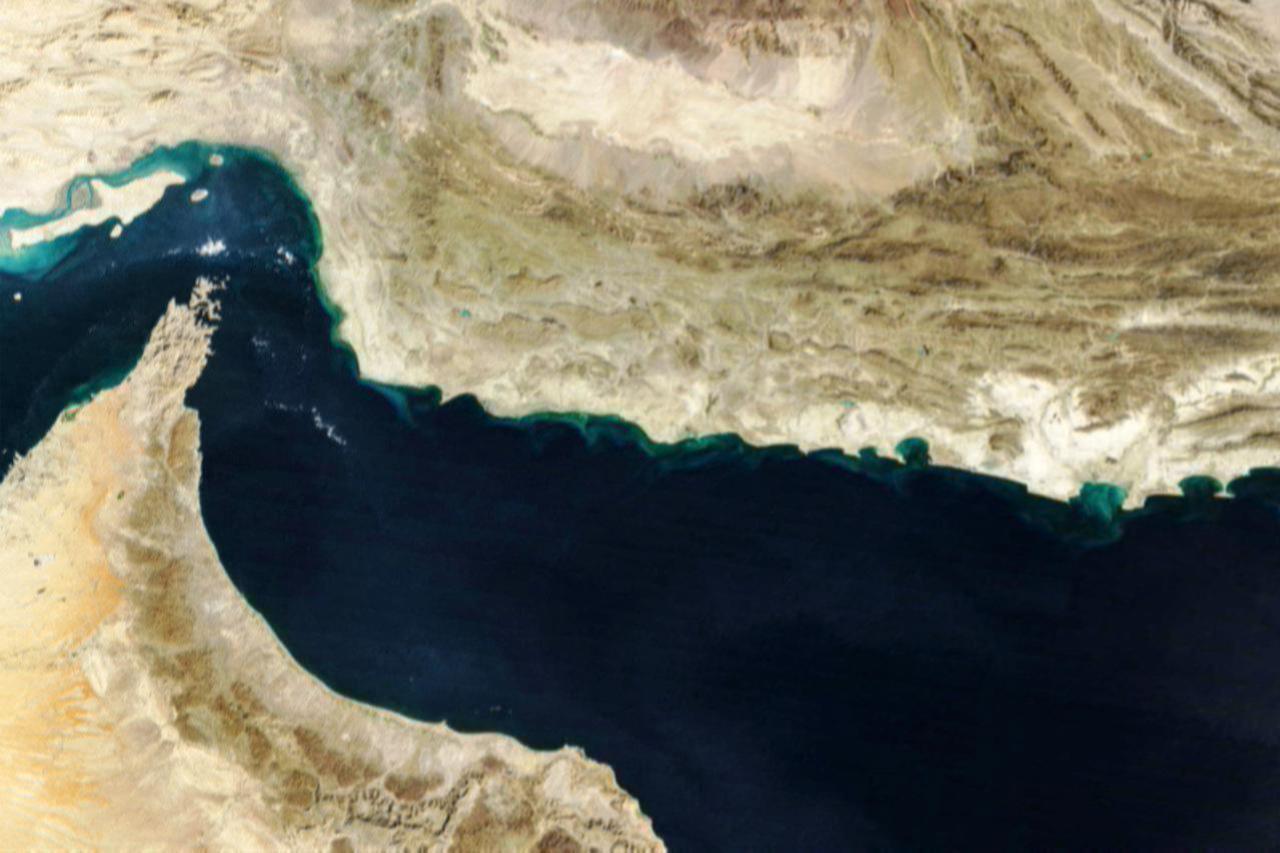
The legislation gives formal legal grounding to an arrangement already under way on the water. Since mid-March, the Revolutionary Guard Corps enforced a de facto vetting and fee system through a controlled corridor near Iran's coast, between Qeshm and Larak islands. Ships seeking clearance had to provide their IMO number, cargo manifest, crew names, ownership details and destination to IRGC-connected intermediaries before receiving a route code and escort.
Bloomberg reported that some vessels were already paying as much as $2 million per voyage for passage, a figure confirmed on Iranian state television by lawmaker Alaeddin Boroujerdi, who said plainly: "Now, because war has costs, naturally, we must do this and take transit fees from ships passing through the Strait of Hormuz." No country, importer or ship operator has publicly acknowledged making such a payment, and details of individual arrangements remain undisclosed.
The broader context is stark: the strait has been effectively closed to most commercial traffic since U.S. and Israeli strikes on Iran began in late February. Tasnim estimated that if fees of around $2 million per vessel were applied to the roughly 140 ships that transited the waterway daily before the war, annual toll revenues could exceed $100 billion, equivalent to 20 to 25 percent of Iran's nominal gross domestic product.
A second, more conservative scenario modeled on existing Suez and Panama Canal fee structures would set charges at around $400,000 per vessel, the outlet noted. The maritime intelligence firm Windward reported that nearly 2,000 vessels remain stranded on both sides of the strait, with many operators choosing to hold position rather than commit to lengthy alternative routes.
The proposition of the bill had drawn immediate condemnation from Iran's neighbors and legal experts alike. Gulf Cooperation Council Secretary-General Jasem Mohamed Al-Budaiwi stated plainly that the fees constituted a violation of the United Nations Convention on the Law of the Sea (UNCLOS).
Unlike the Suez or Panama canals, which are manmade waterways through which Egypt and Panama legally charge transit fees, the Strait of Hormuz is a natural international strait, a distinction that carries decisive legal consequences under UNCLOS. The convention, which 168 states have ratified, guarantees the right of transit passage and explicitly bars strait states from hampering, discriminating against, or charging fees from vessels passing through.
Iran's position is that these provisions do not bind it: Tehran signed UNCLOS in 1982 but never ratified it, and Iranian officials contend they are therefore not subject to its transit passage regime. James Kraska, a professor of international maritime law at the U.S. Naval War College, rejected that reasoning, saying there is "no legal basis under international law for a coastal state to charge fees in an international strait."
Karen Young, a senior research scholar at Columbia University's Center on Global Energy Policy, was equally blunt, calling the toll booth idea "practically impossible" and warning that GCC member states, including the UAE, Saudi Arabia and Oman, would "not accept and not tolerate" any bilateral bargaining arrangement over Hormuz access.


 Set as preferred source
 Set as preferred source


 1 min read


 1 min read