Newsletters


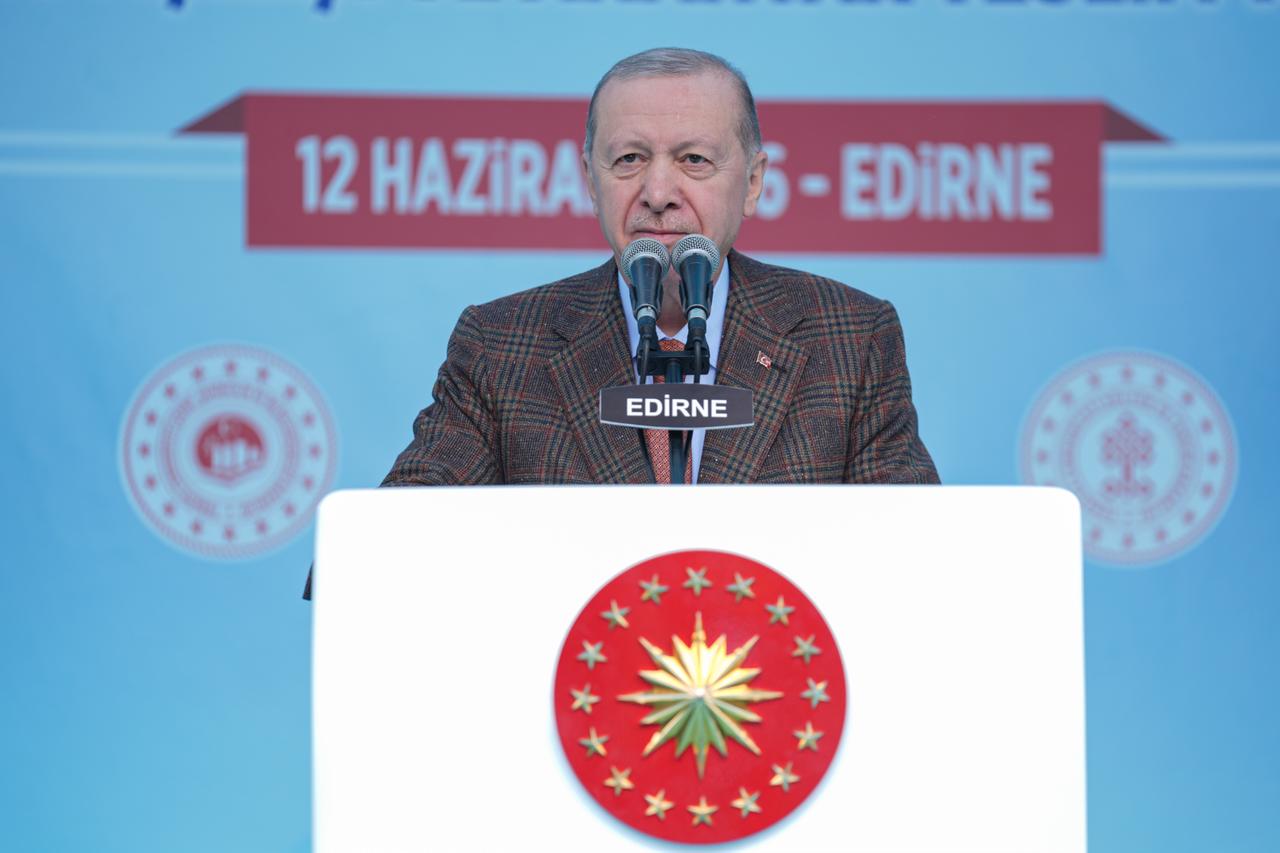


Turkish President Recep Tayyip Erdogan said Friday that the region is already paying a “heavy economic price” for attacks targeting Iran, even as the war between Russia and Ukraine remains unresolved.
“Before the Russia-Ukraine war has ended, our region is now paying the heavy economic price of attacks on Iran,” Erdogan said during an opening ceremony in the northwestern Turkish city of Edirne.
He also accused Israel of continuing violence in the region.
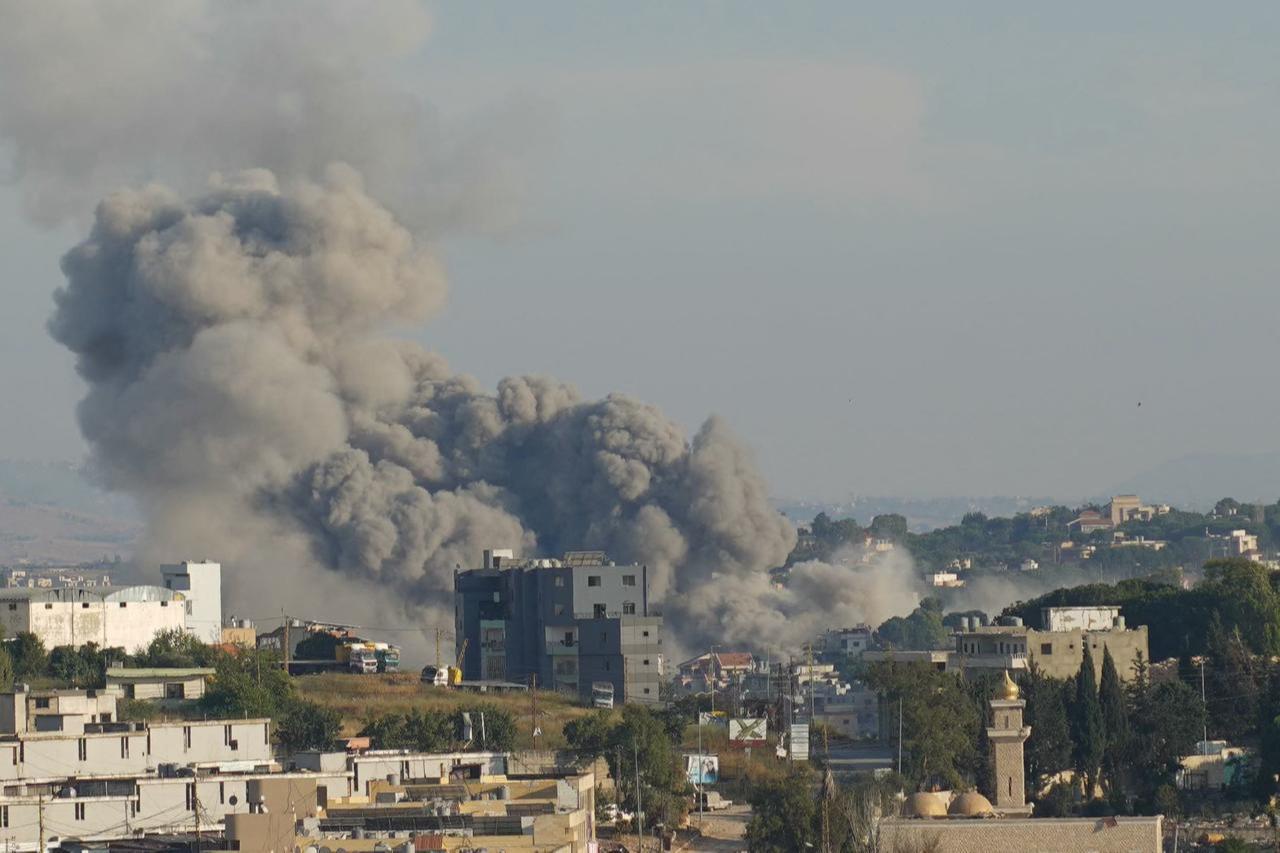
“In Gaza and Lebanon, Zionist killers continue to shed blood by trampling on every law, rule and principle,” Erdogan said.

Meanwhile, Iran's official news agency IRNA published what it described as the current outlines of a draft memorandum of understanding with the United States. It provided a more detailed picture of Tehran's position, highlighting both similarities and differences with details of a proposed agreement previously reported by Axios.
According to IRNA, the draft includes a 60-day negotiating period following its signing, during which discussions would focus on Iran's peaceful nuclear program, the lifting of U.S. sanctions and compensation for war-related damages.
Axios previously reported that the agreement would include a 60-day extension of the ceasefire while nuclear negotiations continue. IRNA, however, said the draft instead calls for a “decisive end” to the war on all fronts, including Lebanon, and does not refer to a ceasefire extension.
The report also said the United States would undertake to compel Israel to end military operations in Lebanon if the MoU is signed.
The two accounts also diverge on Iran's nuclear obligations.
Axios reported that the proposed deal would establish a framework for addressing Iran's stockpile of enriched uranium. IRNA, by contrast, said Iran would assume no new nuclear commitments under the memorandum and that its peaceful nuclear program would remain unchanged pending future negotiations.
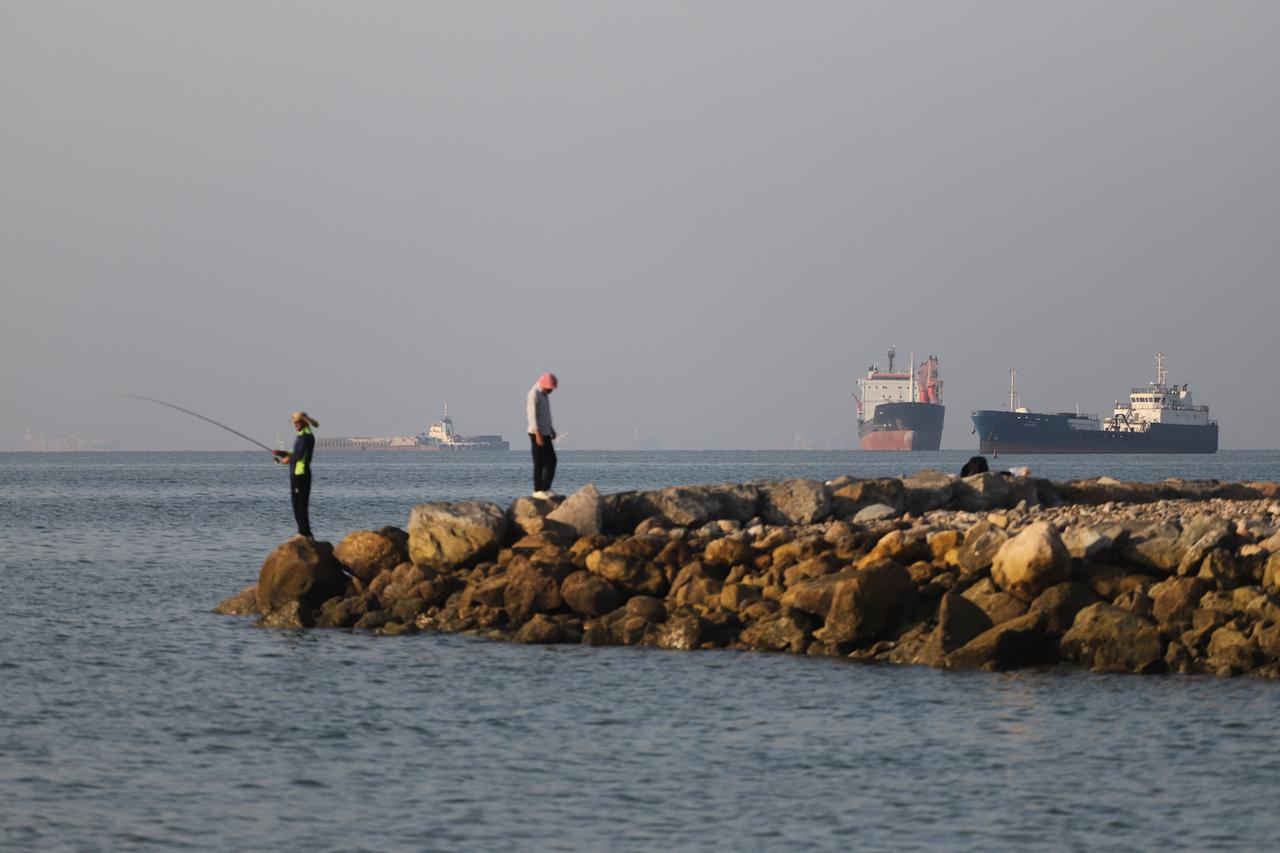
On the Strait of Hormuz, Axios reported that the agreement would provide for its immediate reopening and the restoration of normal shipping without tolls.
IRNA said Iran would retain full authority over the strategic waterway and would not grant the United States any role in its future management. Instead, maritime security arrangements would be handled by regional coastal states, with future discussions taking place between Iran and Oman.
Iran's semi-official Mehr news agency separately reported that the draft calls for reopening the strait within 30 days and in coordination with Tehran.
According to Axios, Iran would gain access to some frozen funds through a humanitarian mechanism discussed with Qatar.
IRNA reported that part of Iran's frozen assets would be released immediately upon signing an agreement to end the war, with the remainder to be released gradually during subsequent negotiations.
Mehr went further, claiming that $24 billion in frozen Iranian assets would be made available during the 60-day negotiating period, with half released before final talks begin.
The sanctions issue also differs between the reports.
Axios said sanctions relief would depend on Iran's compliance with the agreement. IRNA said no final commitments on sanctions are included in the memorandum itself and that negotiations on lifting U.S. sanctions would take place only after the initial 60-day talks.
Mehr reported that the draft envisages suspending sanctions on Iranian oil and petrochemical exports, restoring access to Iran's financial resources and ultimately lifting primary and secondary U.S. sanctions.
IRNA also said the draft includes provisions for compensation related to damage caused by what it described as U.S.-Israeli aggression against Iran, with implementation mechanisms to be negotiated after the memorandum is signed.
Mehr reported that the draft calls for reconstruction plans worth at least $300 billion.
According to IRNA, only three issues would be included in the 60-day negotiations: Iran's peaceful nuclear program, the lifting of unilateral U.S. sanctions and compensation mechanisms. The report said matters such as Iran's missile capabilities would remain outside the scope of talks.
 1 min read
Mehr also reported that the draft includes U.S. commitments not to interfere in Iran's internal affairs, respect Iranian sovereignty, refrain from increasing military deployments in the region and avoid imposing new sanctions during negotiations.
According to the agency, any final agreement would be endorsed through a U.N. Security Council resolution and monitored through a dedicated implementation mechanism, although it noted that the text still requires approval by Iranian authorities.
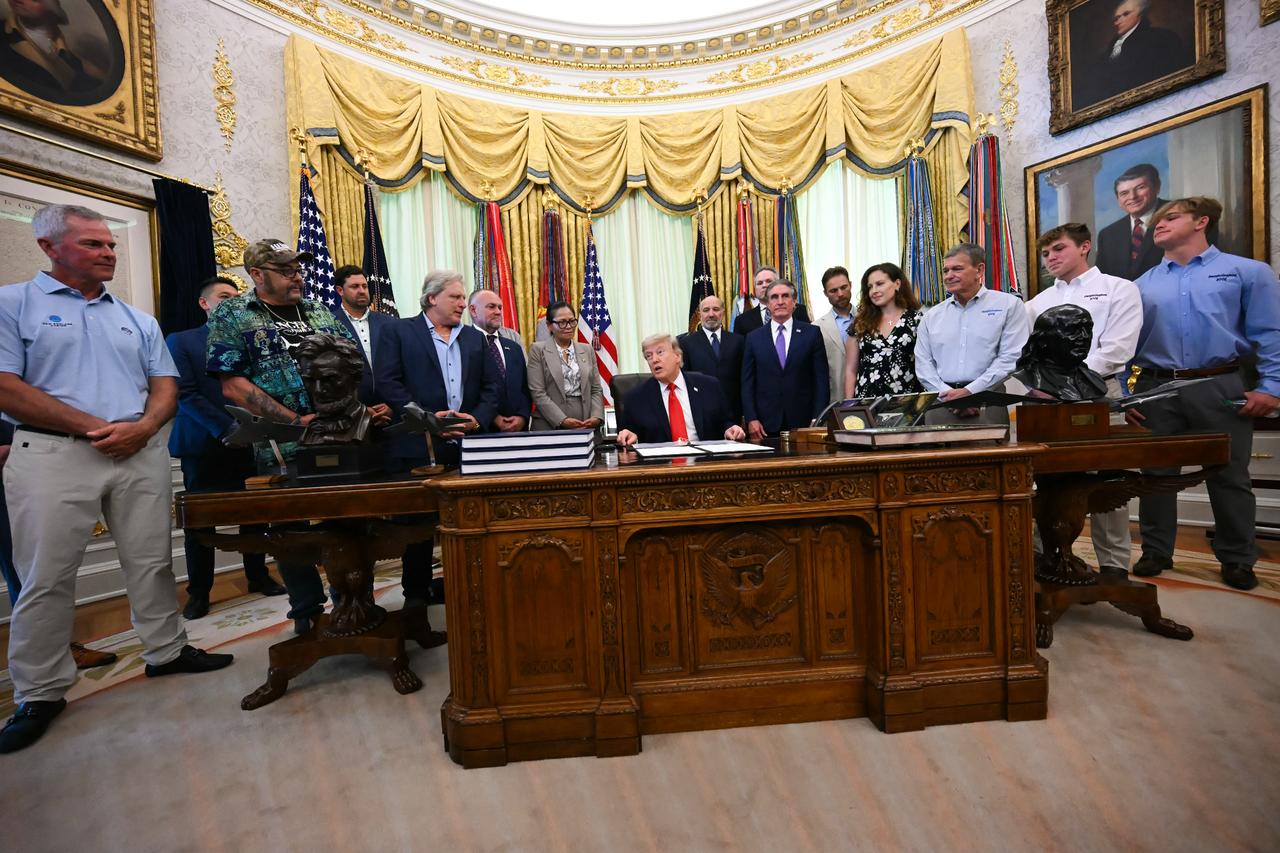
President Donald Trump said Thursday that an agreement to permanently end the U.S.-Israeli war on Iran could be signed as soon as this weekend.
Iran said the same day that the “main part” of the text had been finalized while accusing Washington of undermining progress through shifting positions.
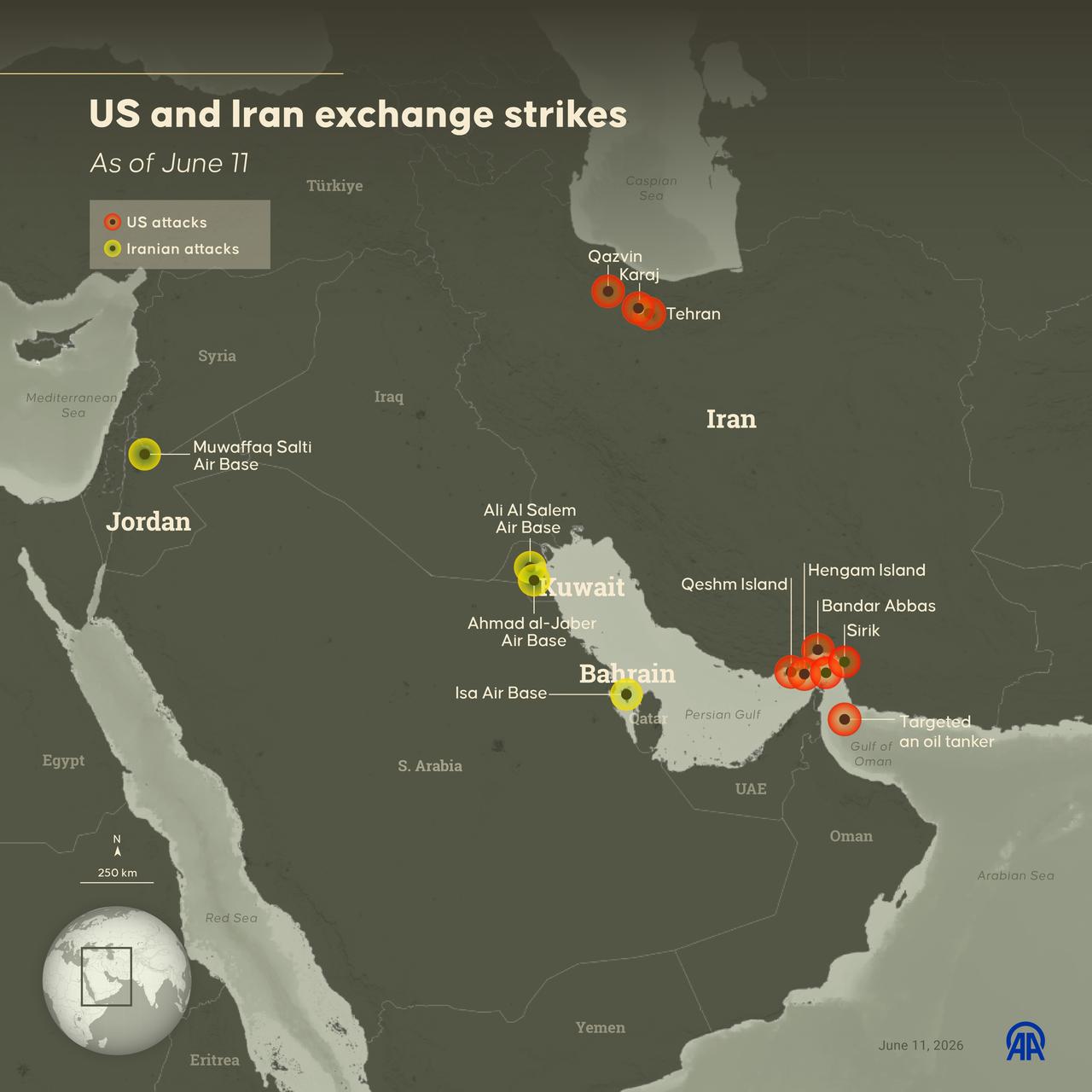
The latest diplomatic efforts come after a second consecutive day of U.S. strikes on targets in Iran and retaliatory attacks by Iran's Islamic Revolutionary Guard Corps against U.S. military facilities in the region, further escalating tensions following Tehran's announcement that it was closing the Strait of Hormuz to maritime traffic.


 Set as preferred source
 Set as preferred source


 1 min read