Newsletters


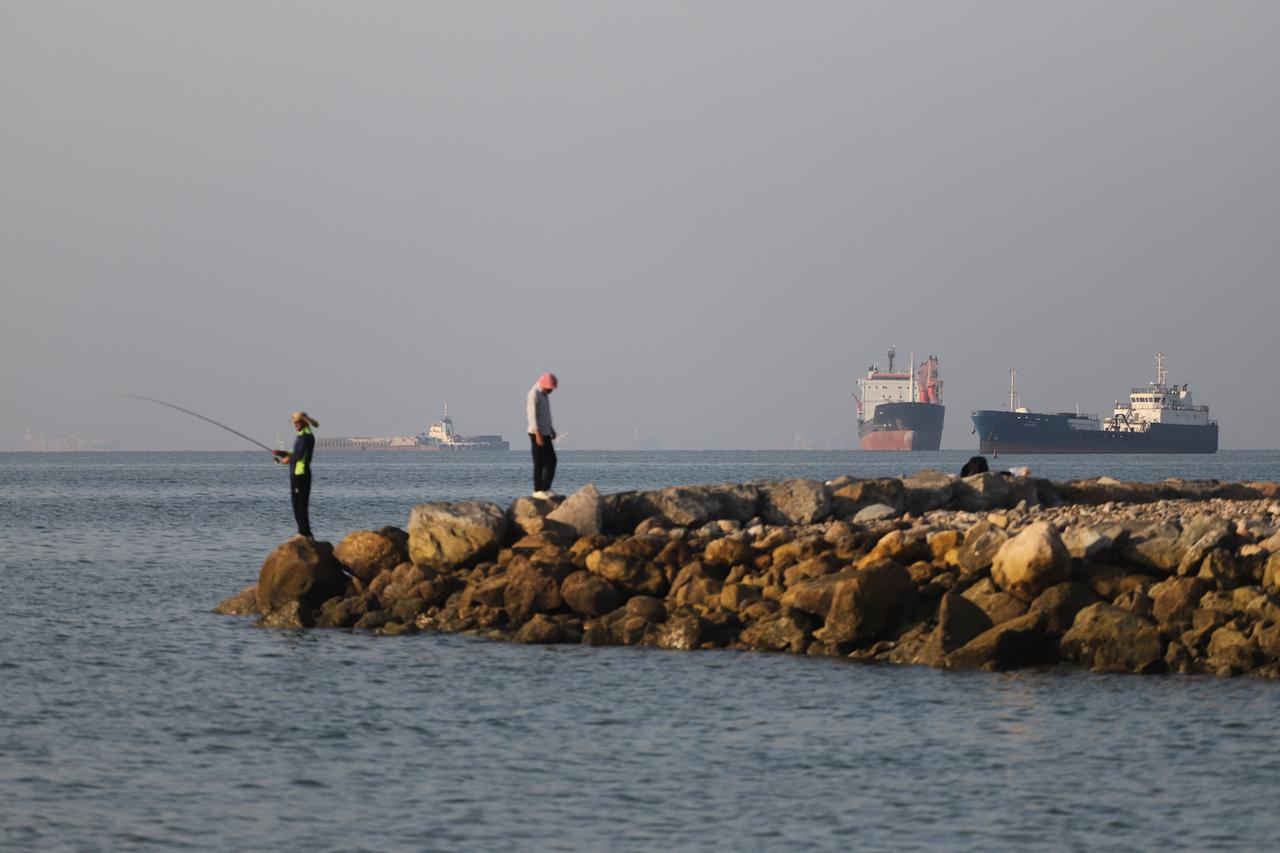


Iran's Persian Gulf Strait Authority (PGSA) declared the Strait of Hormuz "closed until further notice" on Thursday, as the Khatam al-Anbiya military headquarters issued a parallel warning that "any movement" through the strategic waterway would be targeted.
U.S. Central Command (CENTCOM) earlier rejected the closure claim, saying commercial ships were still transiting, as Türkiye called on both sides to halt attacks and return to the negotiating table.
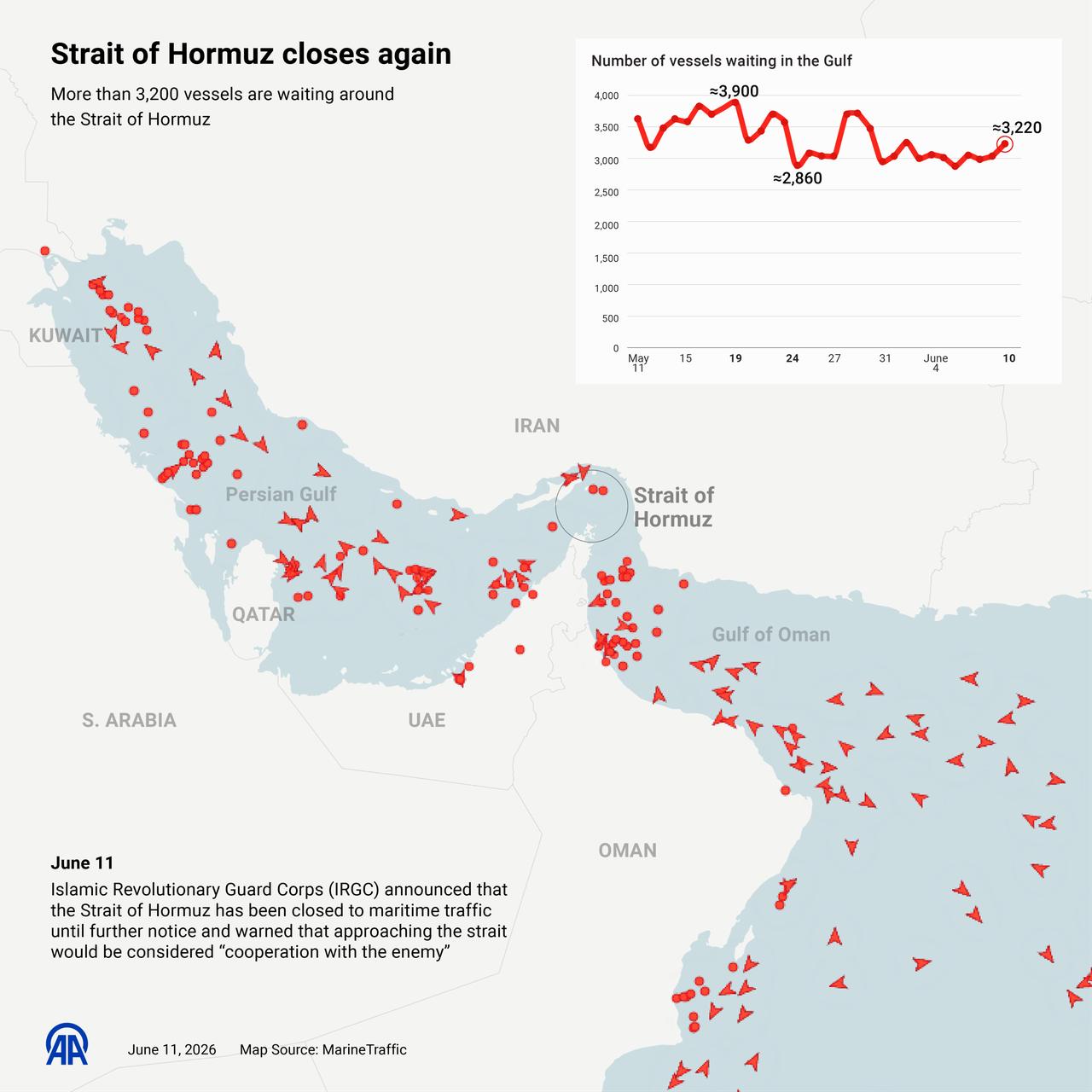

The Persian Gulf Strait Authority posted on X: "Due to the tensions created by the U.S. aggression forces in the region and the announcement by the Iranian armed forces last night, the Strait of Hormuz will be closed until further notice. Applicants who have received a transit permit are asked to be patient and await further guidance from the PGSA."
The statement attributed the closure entirely to what it called U.S. aggression, and did not acknowledge Iran's own overnight strikes targeting countries across the Gulf region with ballistic missiles.
Iran's Khatam al-Anbiya military headquarters issued a complementary statement saying the strait had been closed to all traffic, including oil tankers and commercial ships, due to regional insecurity, and that any movement through it would be targeted.
The Strait of Hormuz was the transit point for roughly one-fifth of all oil and natural gas traded globally before the war began in late February.
According to JPMorgan, visible traffic through the strait had already fallen to approximately 15% of pre-war levels even before Thursday's formal closure announcement.
Various U.S. efforts to restore transit, including Trump's "Project Freedom" and the naval blockade, had achieved only partial results, with some oil shipments moving under American military escort.
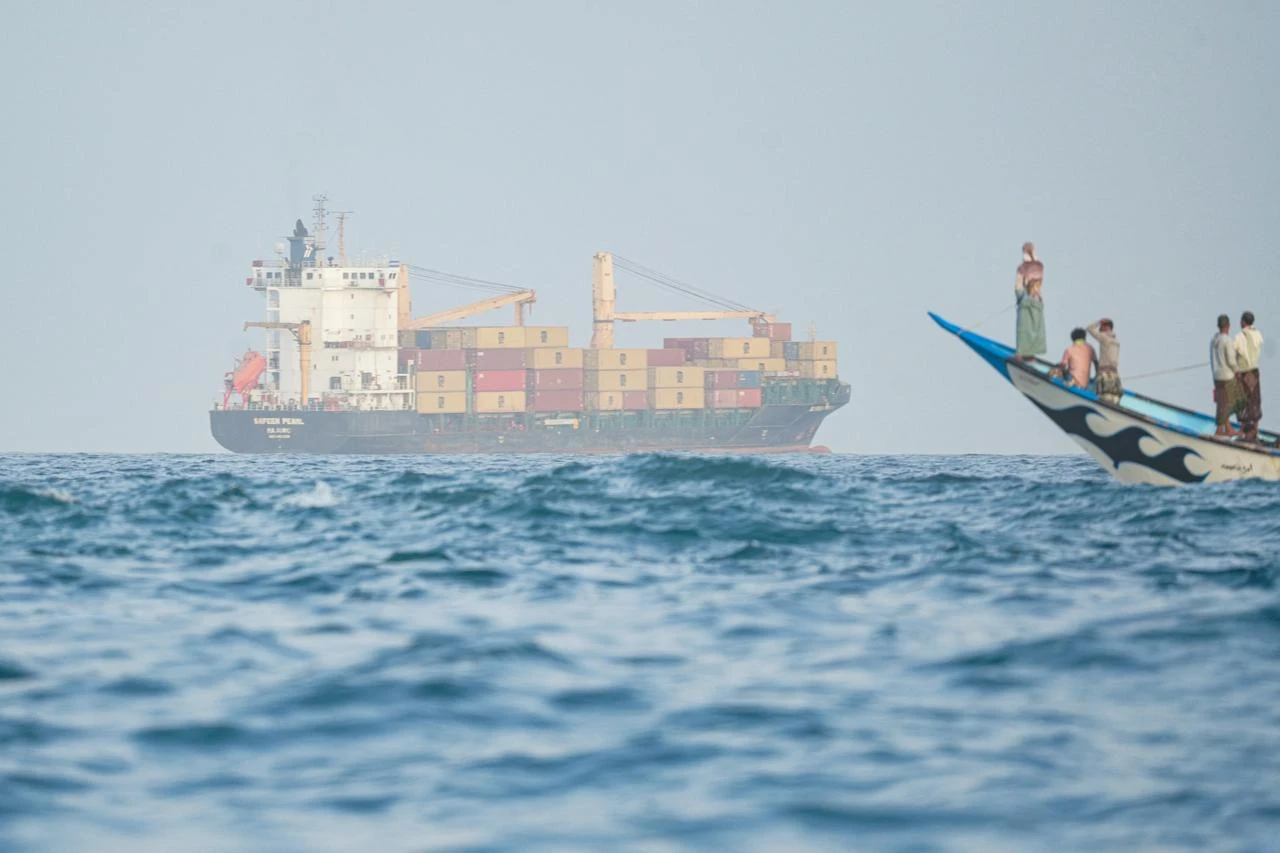
Sandwiched between Iran, Oman, and the United Arab Emirates, the Strait of Hormuz is one of the most vital shipping lanes in the world.
Around 20% of the world's oil and liquefied natural gas usually passes through the tight waterway, but it was effectively cut off by Iran after the U.S. and Israel launched wide-ranging strikes on 28 February.
The closing of the strait has sent oil prices soaring globally.
The U.S. established a blockade of Iranian ports in early April after a ceasefire was agreed upon.
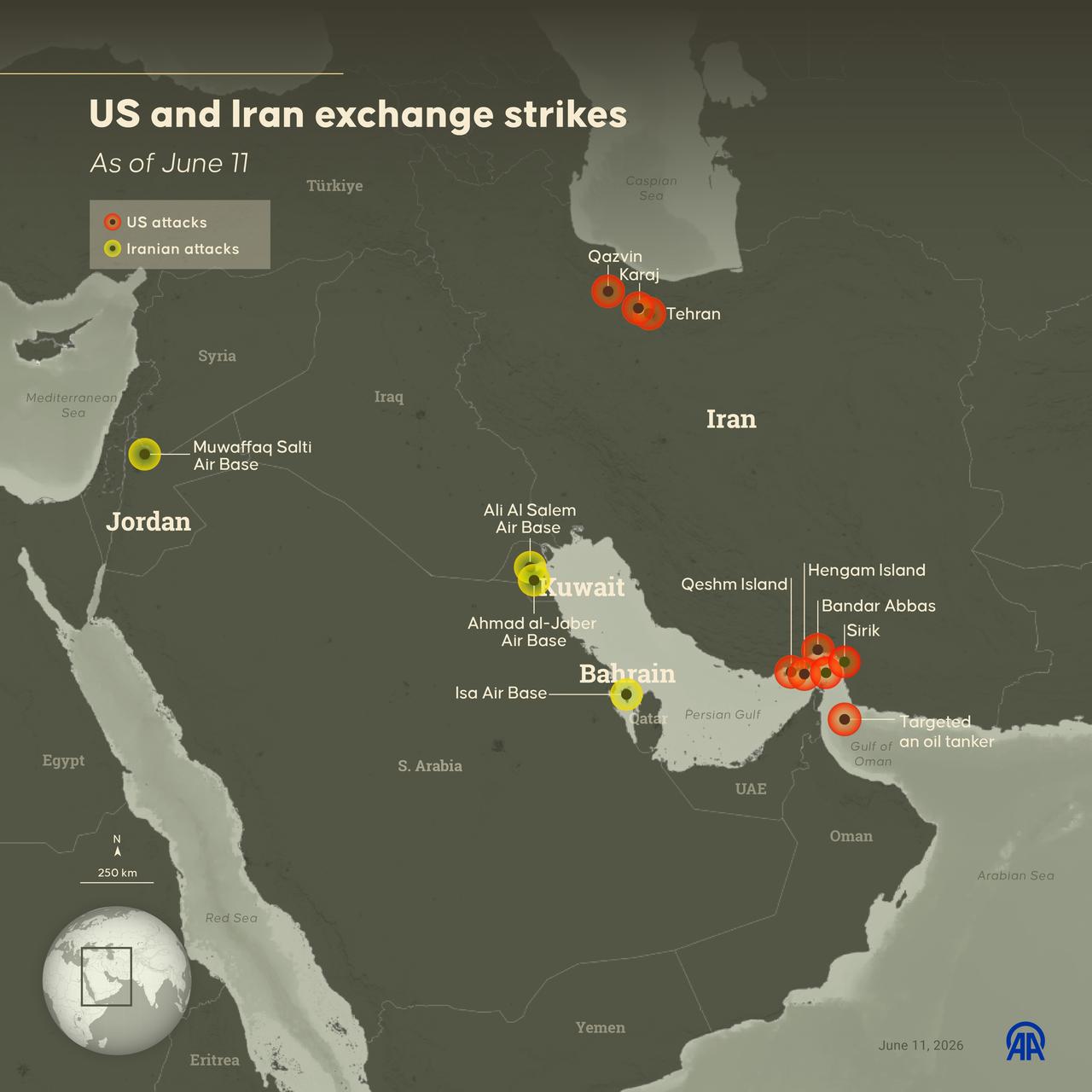
Speaking at a press conference in Sofia alongside Bulgarian Foreign Minister Velislava Petrova-Chamova, Turkish Foreign Minister Hakan Fidan said the escalation was deeply alarming and that the two sides had been close to a deal.
"Negotiations had stalled on certain phrases and sentences. We believed that with the completion of the wording, an agreement would be reached. But we now see that the mutual attacks that began two days ago are on an escalatory trajectory. This concerns us," Fidan said.
"We recommend that the parties halt their mutual attacks and return to the negotiating table and finish the text they were close to completing. Our efforts and advice are in this direction. It has become clear that an escalation of the war, an increase in tension, a return to an all-out war environment, benefits no one," he noted.


 Set as preferred source
 Set as preferred source



 6 min read