Newsletters


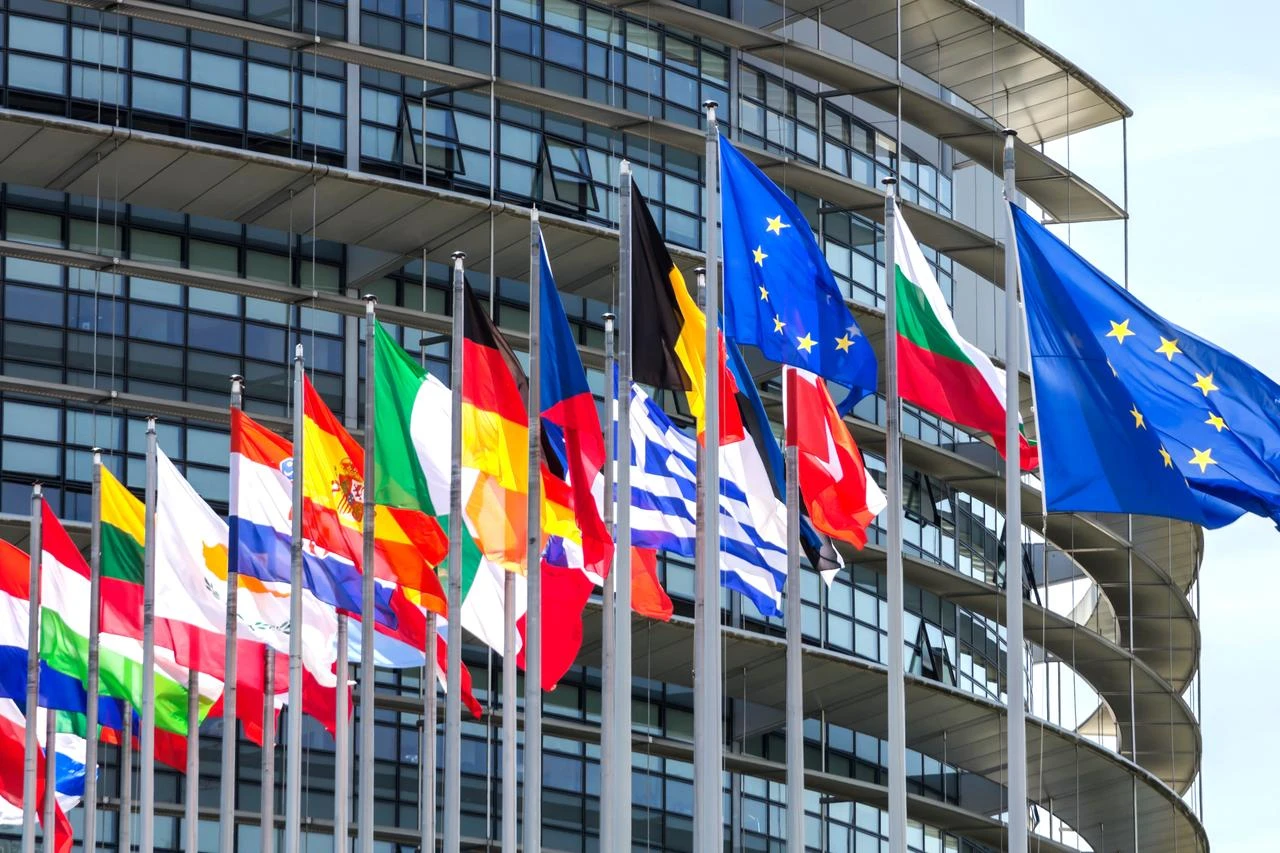


European Union countries agreed Thursday on a new, watered-down round of sanctions against Russia over the war in Ukraine after weeks of negotiations, including a freeze on the level of an oil price cap.
The package, the EU's 21st since Russia's 2022 invasion, had been held up by objections from member states to several proposed measures.
"Our 21st sanctions package targets the sectors with the highest impact: energy, financial services, crypto, and trade," European Council President Antonio Costa wrote on social media.
"Our support for Ukraine and for a just and sustainable peace remains unwavering," he added.
Diplomats said the final hurdle was cleared after Greece was granted an exemption allowing shipping firms to continue transporting Russian liquefied natural gas from the Arctic.
Ambassadors from the EU's 27 member states had been racing to seal an agreement to lock in a price cap on Russian global crude exports at $44 before a deadline that could have seen it rise.
Under the deal, the current level will remain in place for the next 12 months as the EU seeks to prevent Moscow from benefiting from a surge in oil prices linked to the Middle East war.
The new package also targets Moscow's financial sector and crypto firms and blacklists scores more Russian officials over the war.

A sweeping visa ban proposed to prevent Russians who fought in Ukraine from entering the bloc was postponed.
Diplomats said the package includes only a commitment to work toward such a ban in the future.
Several other proposed measures were also stripped out.
Bulgaria said it blocked the inclusion of Russian Orthodox Patriarch Kirill on an asset freeze and visa ban blacklist.
Portugal and France objected to a ban on imports of cod and Alaskan pollock from Russia, diplomats said.
The latest sanctions come as Kyiv appears to be gaining momentum against Moscow after more than four years of fighting.
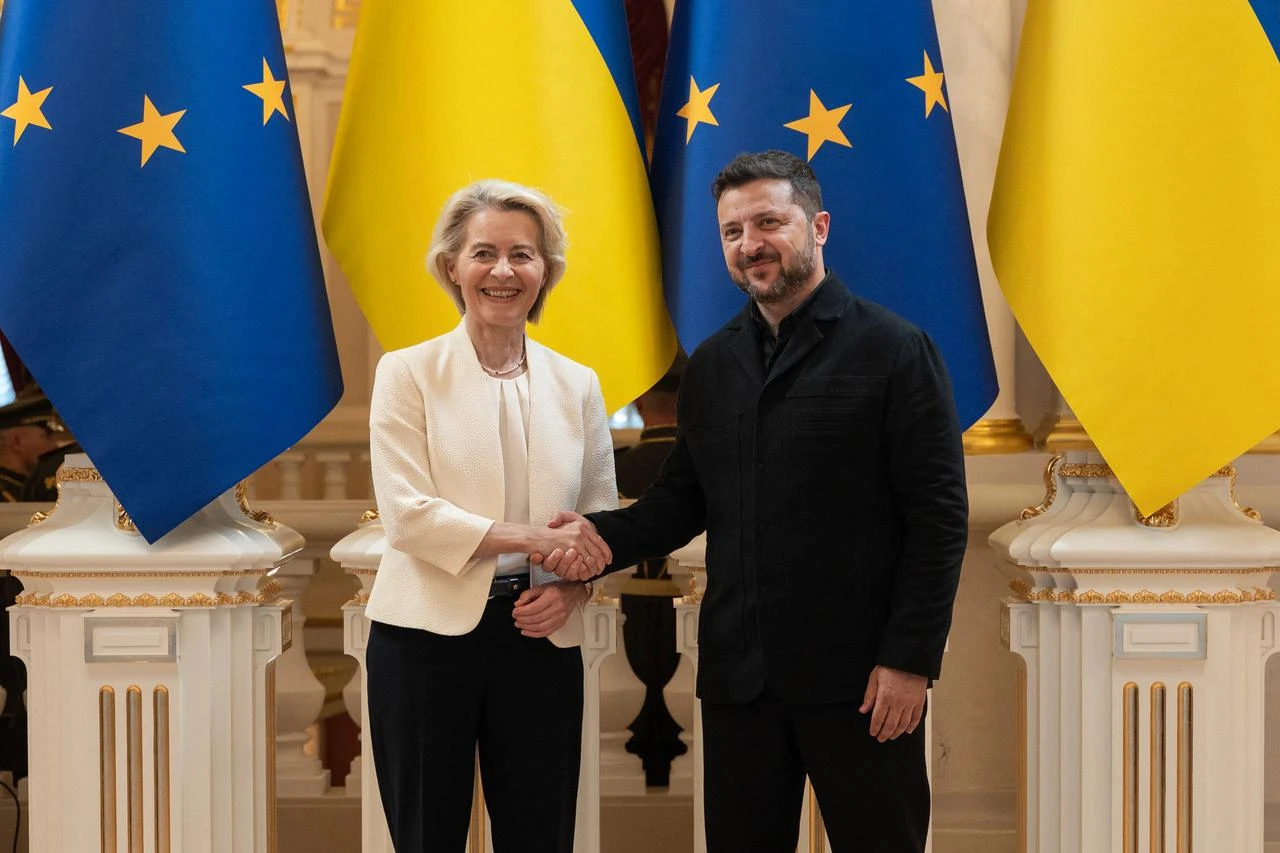
"At a time when Ukraine has built military momentum, our sanctions continue to weaken the economic foundations of Russia's war effort," European Commission President Ursula von der Leyen wrote online.
While Moscow has weathered years of Western economic sanctions and continued its offensive, EU officials insist the measures are taking a growing toll.
Diplomats warn, however, that after more than 20 rounds of sanctions, it is becoming increasingly difficult to find new areas to target that all 27 EU countries can agree on.


 Set as preferred source
 Set as preferred source


 1 min read
 1 min read