Newsletters


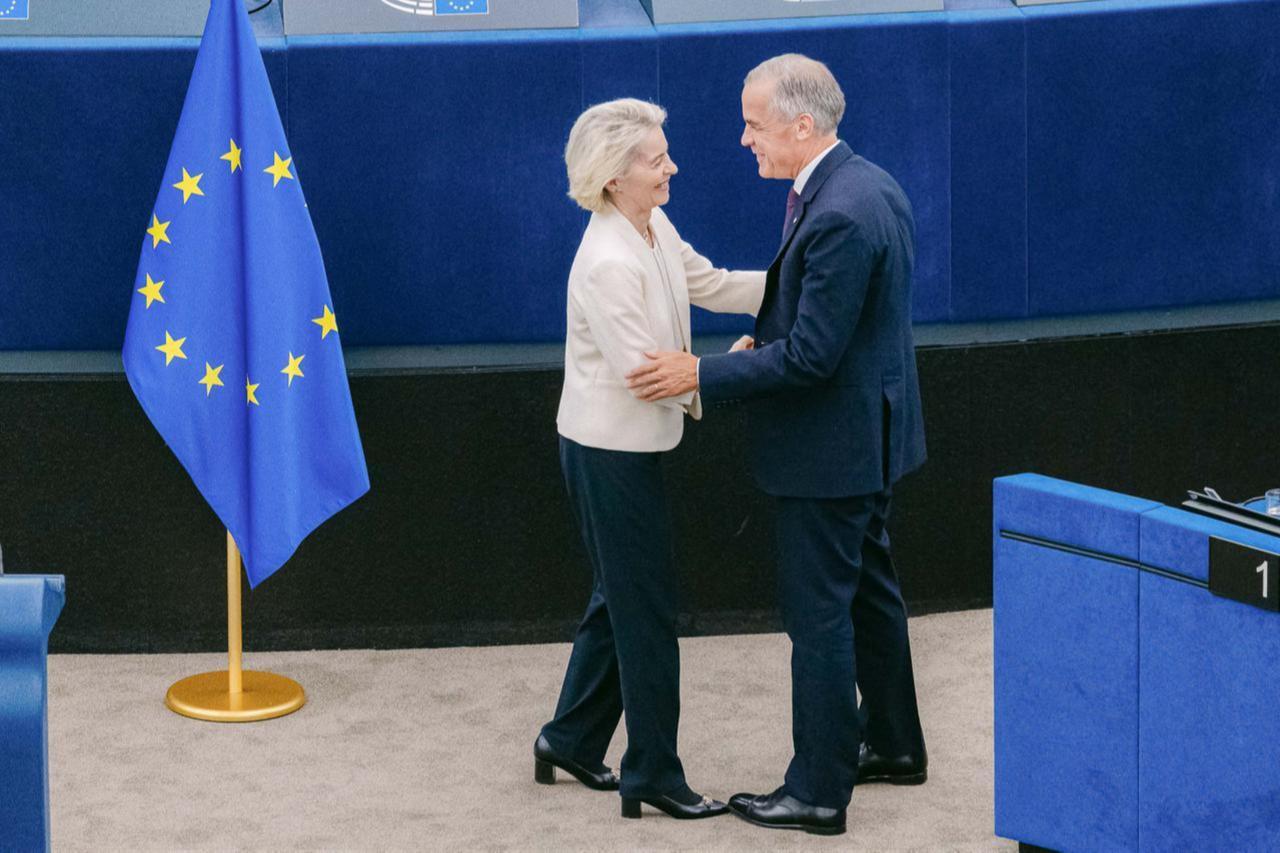


Brussels and Ottawa are preparing to announce a series of new agreements on digital trade, critical minerals and wildfire-fighting aircraft at a summit in Montreal next month, according to a draft joint statement seen by AFP on Wednesday.
The document, circulated among European Union member states for input, outlines deeper cooperation between the EU and Canada across a wide range of areas, from energy to artificial intelligence, as the two partners look to strengthen ties amid pressure and competition from the United States and China.
The talks are expected to build on a suggestion from European Commission President Ursula von der Leyen that Canada could become the 27-nation bloc's first "associate member."
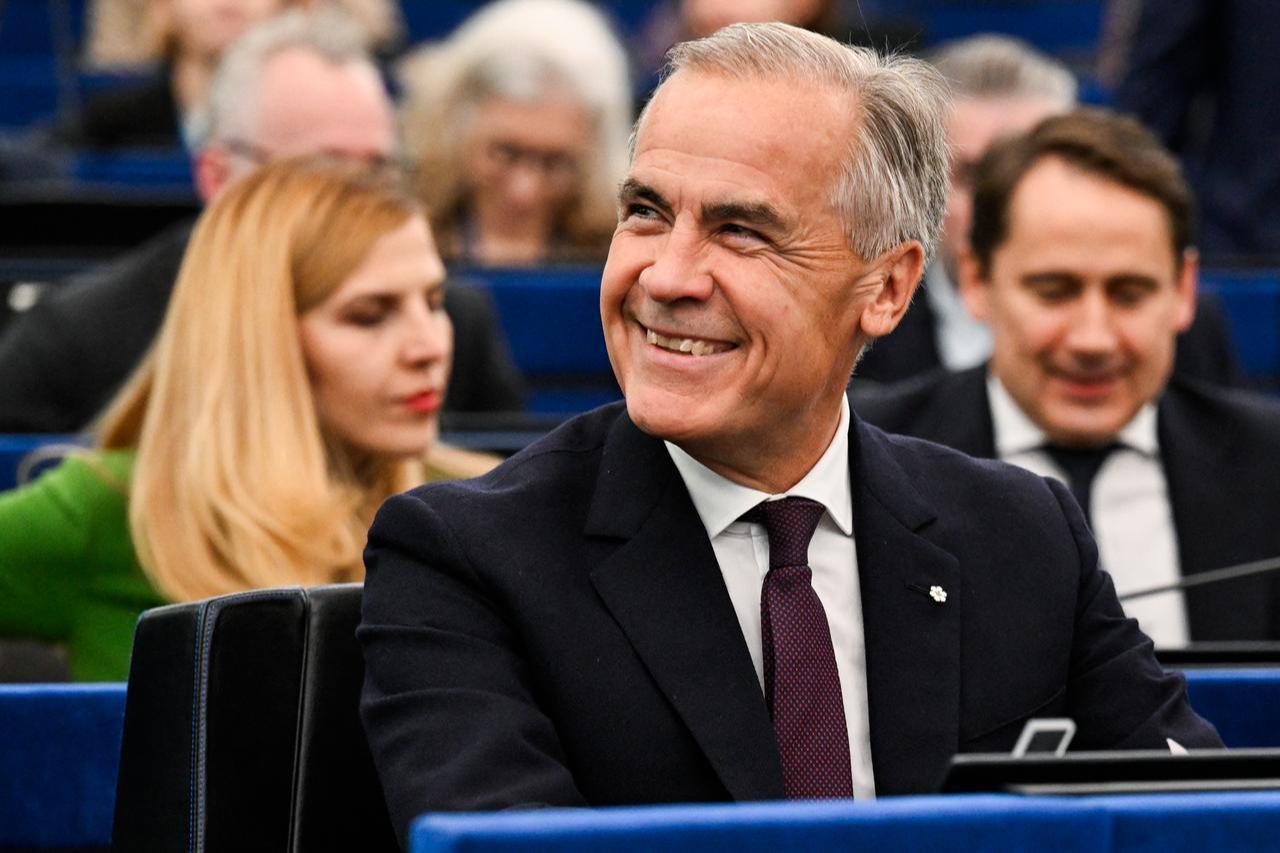

According to the draft statement, the summit will produce a digital trade deal intended to enable faster, lower-cost and more secure digital transactions between the two partners. The two sides also plan to announce an agreement to strengthen cooperation between their competition authorities.
A separate pact would allow the European Investment Bank to finance Canadian critical minerals projects, according to the document.
The EU and Canada also intend to jointly purchase 50 water bombers built by Canadian manufacturer De Havilland, to be deployed against wildfires by 2030, the draft statement says.
The document says Ottawa and Brussels will work to "expand opportunities for Canadians and Europeans to study, work, conduct research and build lasting connections across the Atlantic."
As part of that effort, Canada will open negotiations to join the EU's Erasmus student exchange programme, a long-running scheme that funds study and training placements across Europe.
The two sides also pledge to deepen cooperation on research, innovation and emerging technologies, and to "jointly assess opportunities to expand energy connectivity and strengthen long-term energy cooperation."
The draft statement references a feasibility study examining potential liquefied natural gas exports from Canada to Europe.
The draft statement frames the expanded relationship as a response to global instability.
"The world is rapidly changing with unprecedented geopolitical challenges as well as challenges across trade, energy, technology, climate, and resources," it reads, adding that "our partnership may become a model for other countries seeking friendship in a challenging world."
The statement also describes Canada and the EU as sharing "unparalleled trade access, shared values, and complementary economic strengths" that could allow them to "build a deeper and more integrated relationship."
The summit is set to take place in Montreal in late October.


 Set as preferred source
 Set as preferred source


 1 min read
 1 min read