Newsletters


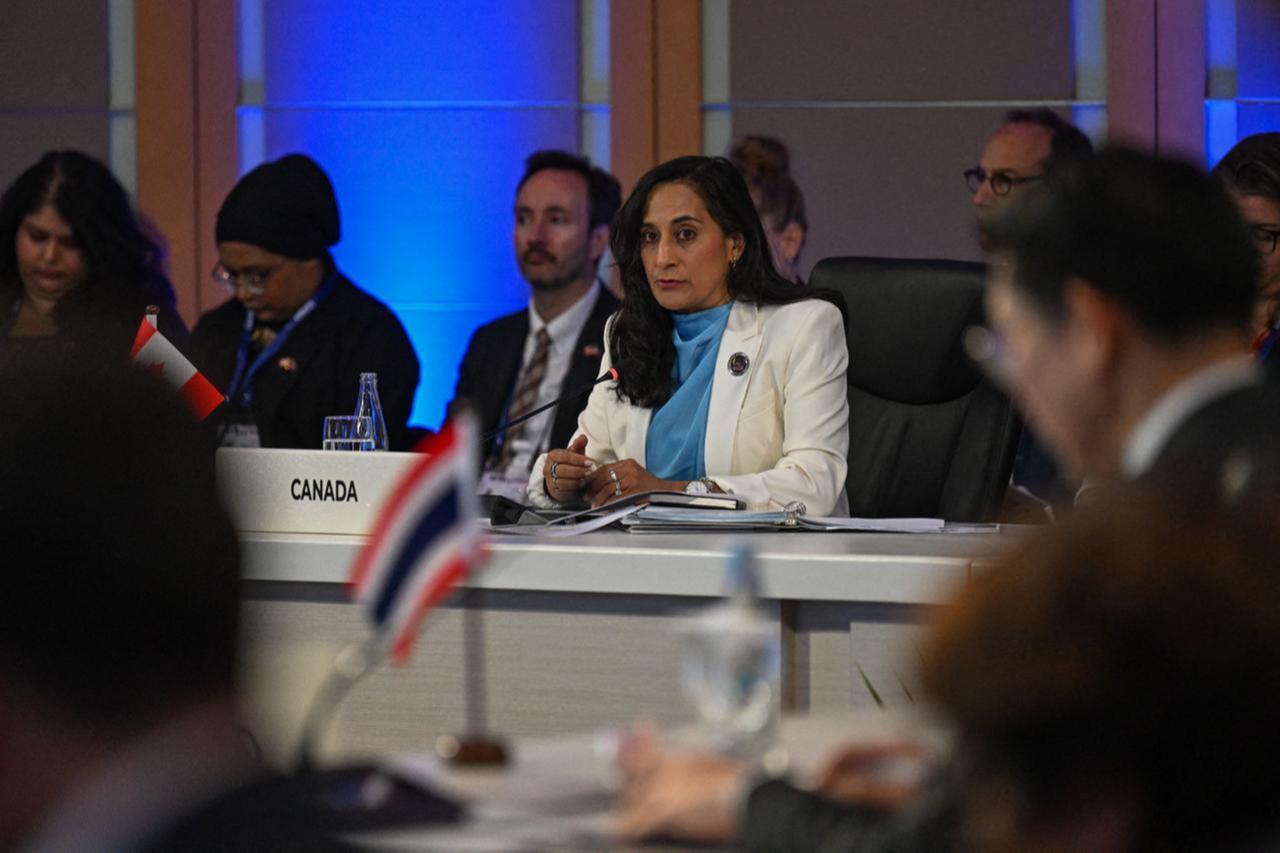


Canadian Foreign Minister Anita Anand warned Saturday that the international order is undergoing "a rupture, not a transition," saying economic cooperation is weakening and national sovereignty is increasingly being challenged.
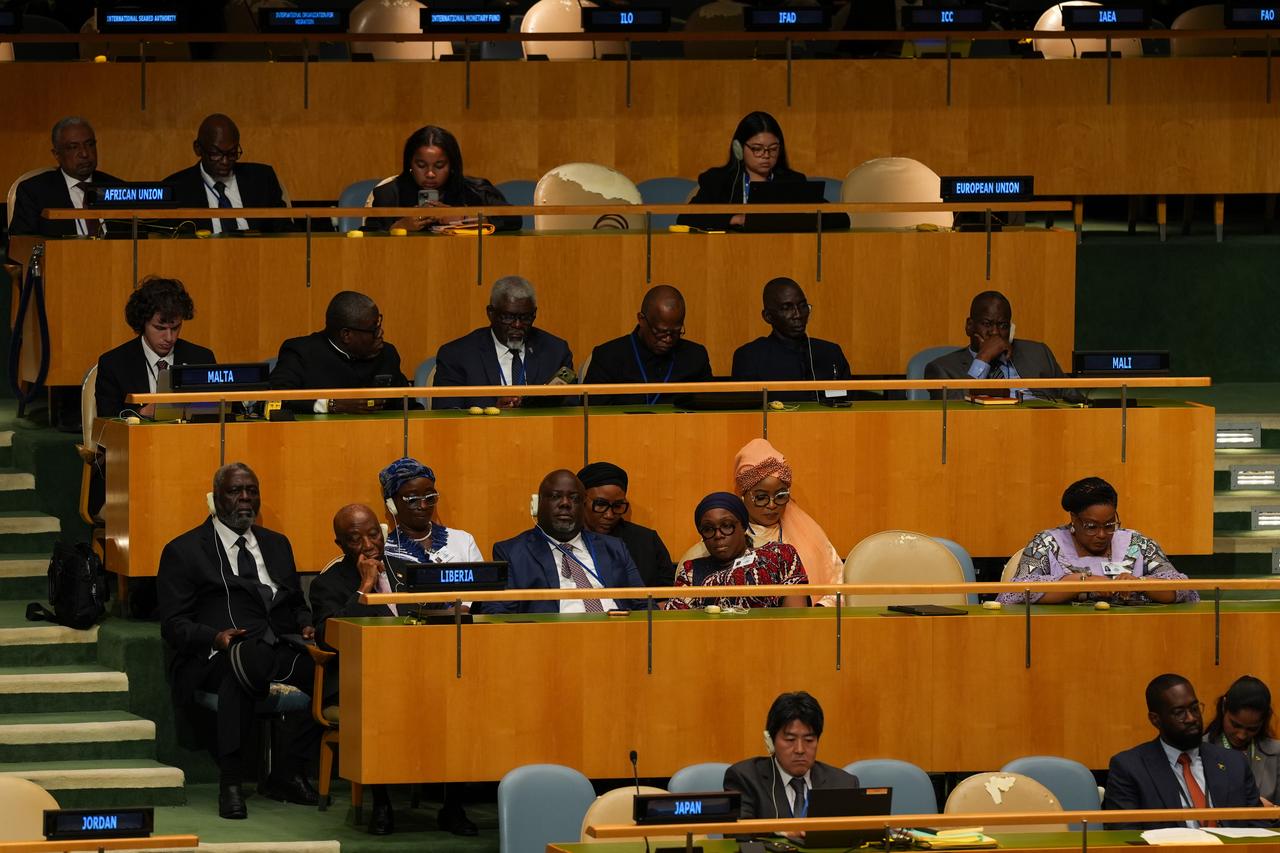
Addressing the 81st U.N. General Assembly, Anand said Canada would respond by pursuing greater strategic autonomy, reducing its dependence on any single partner and expanding relations with both longstanding and new partners.
"The tide has turned in the global order," Anand said, warning that economic integration is being dismantled and that state sovereignty, a central principle of the U.N. Charter, is frequently disregarded.
Ottawa will also seek issue-based coalitions with small states, middle powers and major powers while continuing to support the broader multilateral system, she said.
Anand said Canada would pursue what she called "values-based realism" and cooperate with other middle powers to help shape the emerging international order.
"Though some would build higher walls and retreat from international engagement, we believe that long-term partnerships are the way to prosperity and security," she said.
She reaffirmed Canada's support for Ukraine and NATO, closer ties with Europe and stronger cooperation with Arctic partners.
Canada would also maintain its presence in the Indo-Pacific and deepen economic relations with India and China, while seeking new opportunities in the Gulf and Latin America and expanding trade ties with Africa.
On Haiti, Anand welcomed preparations for elections while acknowledging continuing security challenges.

Anand condemned Iran's regional actions and said Tehran must never acquire a nuclear weapon.
On Israel and Palestine, she said both sides have a right to self-determination and reiterated Canada's support for a negotiated two-state solution.
Anand said Israeli settlements in the occupied West Bank are illegal under international law and represent an obstacle to peace, pointing to Canada's decision to restrict trade in goods originating from Israeli settlements.
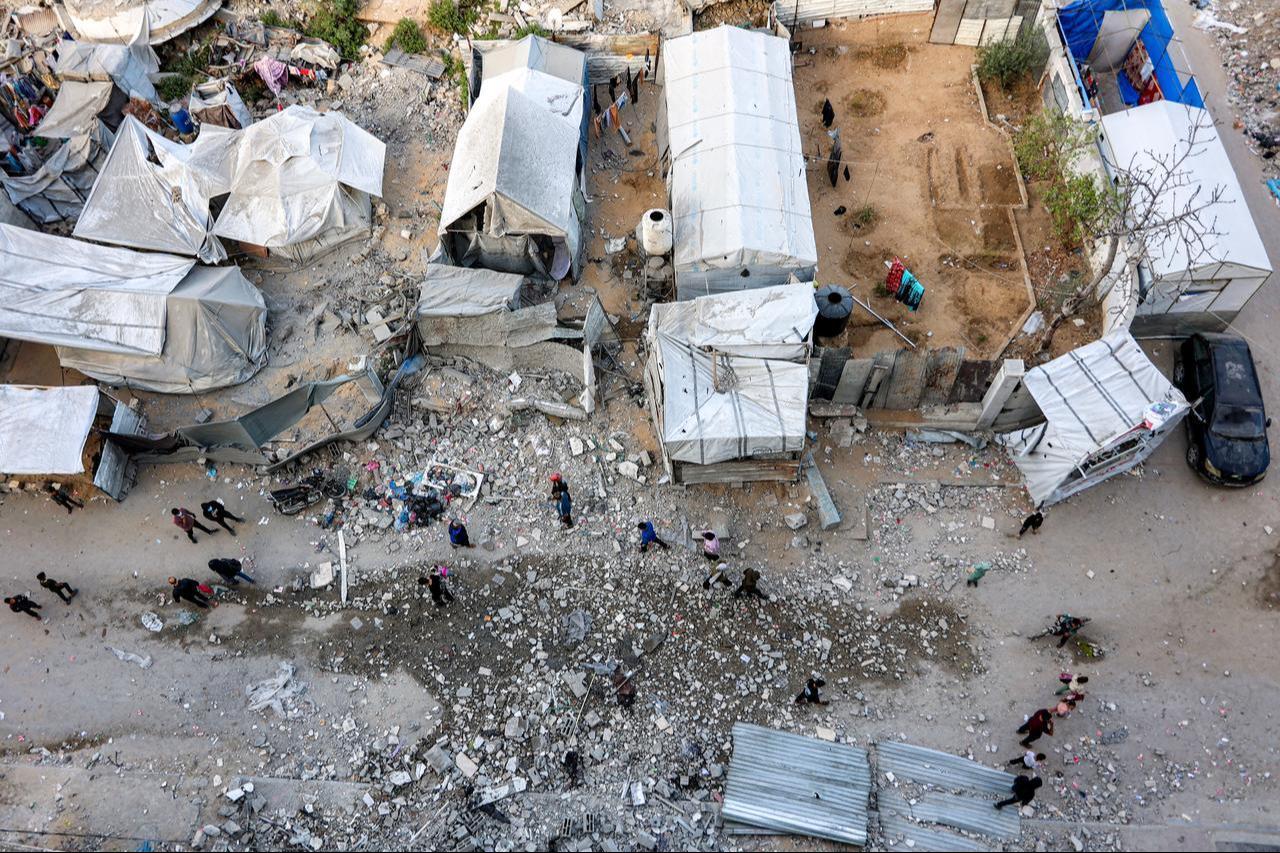
Israeli military and occupier attacks in the occupied West Bank have intensified since the Gaza war began in October 2023.
At least 1,206 Palestinians, including 254 children, have been killed, about 13,350 wounded, and more than 24,600 arrested during that period, according to Palestinian figures.
The U.N. has repeatedly said Israeli settlements in the occupied Palestinian territories are illegal under international law and has warned that they undermine prospects for a two-state solution.


 Set as preferred source
 Set as preferred source


 2 min read
 1 min read