Newsletters


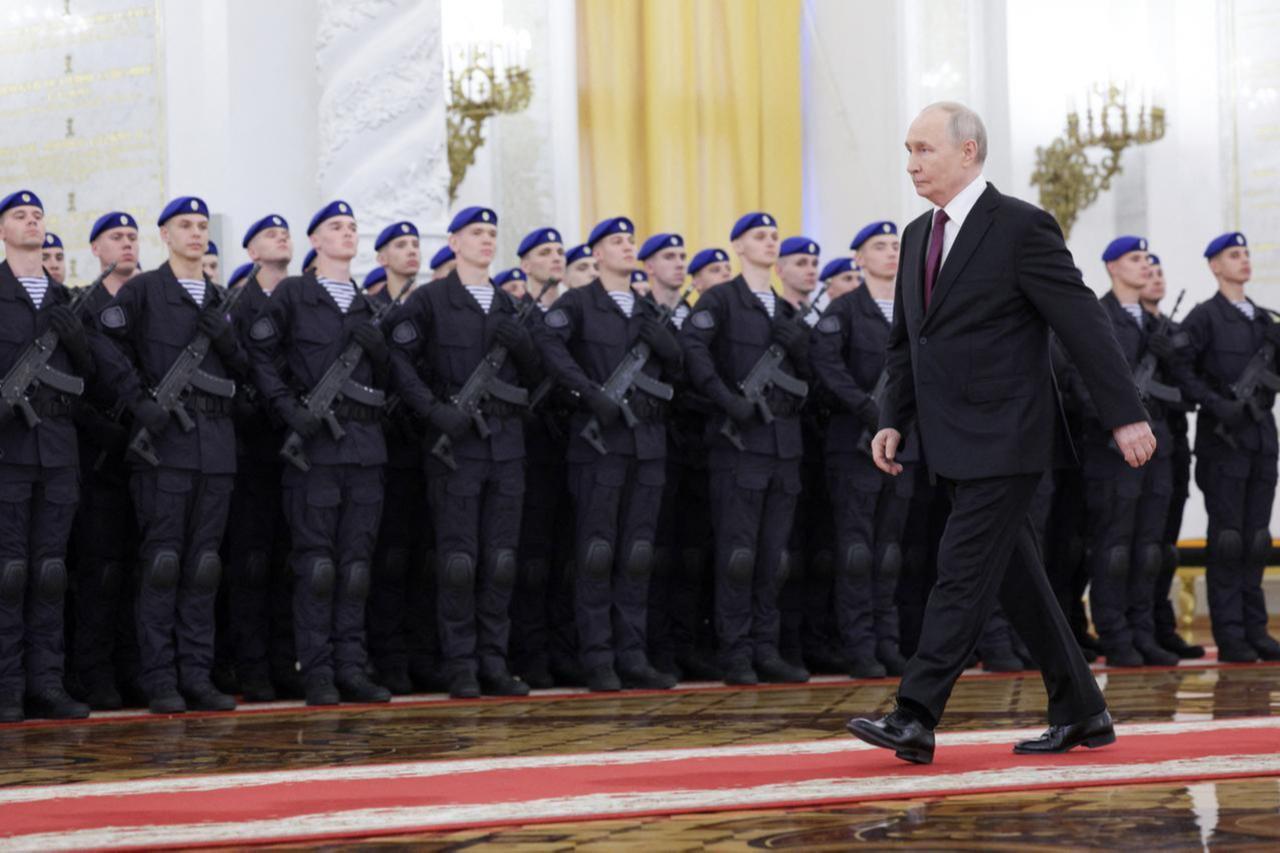


European Commissioner for Defense and Space Andrius Kubilius on Tuesday urged European countries to accelerate military mobility, warning that Russia’s rising defense spending, production capacity and development of new military technologies showed Moscow was still “not being deterred.”
Speaking at the Military Schengen 2026 Conference in Hamburg, Germany, Kubilius said Russia is expected to allocate €180 billion ($201 billion) to its 2027 military budget, about 3% more than this year.
“In purchasing power parity terms, Russia next year will spend the same amount, or even a little bit more, than all the EU member states,” he said.
Kubilius also said Russia was outpacing Europe in defense industrial production and rapidly developing military technologies, including drones.
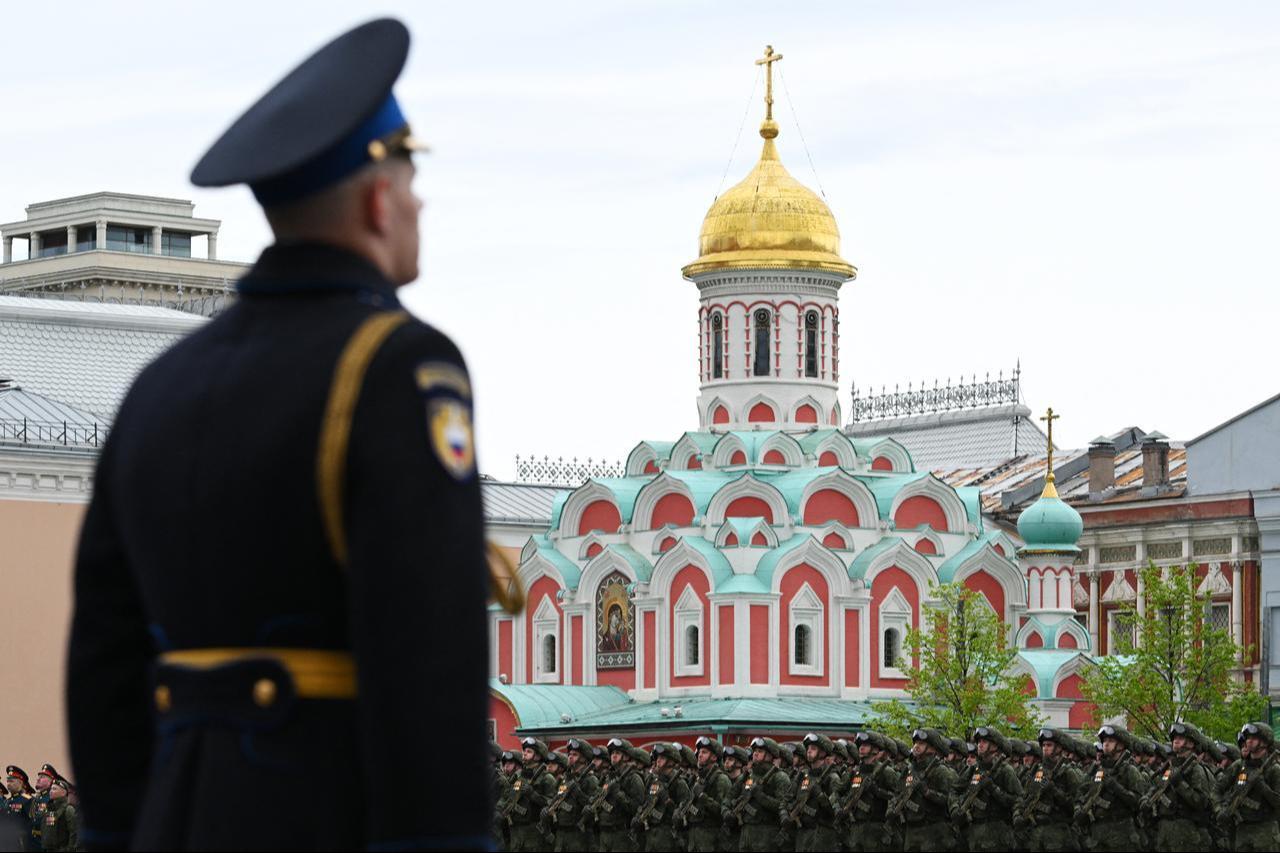

“If the day X would come in terms of Russian possible aggression, we need to understand that we will face a battle-tested Russian army with the ability to use 10 million drones per year,” Kubilius said.
He said that figure would amount to about 30,000 drones a day and argued that Russia was preparing for “a prolonged war and confrontation.”
“Our defense readiness has to speed up,” he said.
Kubilius stressed that Europe’s ability to deter aggression depends not only on higher defense spending and military procurement but also on the ability to move troops and equipment rapidly across the continent.
He said military mobility should be treated as an urgent operational requirement rather than a theoretical issue.
Kubilius called for an ambitious EU military mobility package that would effectively function as a “Military Schengen.”
He said the EU should replace its current patchwork of 27 national systems with a single European rulebook governing military transport.
Under the proposed system, a single European permit would be valid across the bloc and issued within a maximum of three days, Kubilius said.
For emergencies, he said the EU is proposing a new European Military Mobility Enhanced Response System that could be activated by the EU Council.


 Set as preferred source
 Set as preferred source


 1 min read
 1 min read