Newsletters


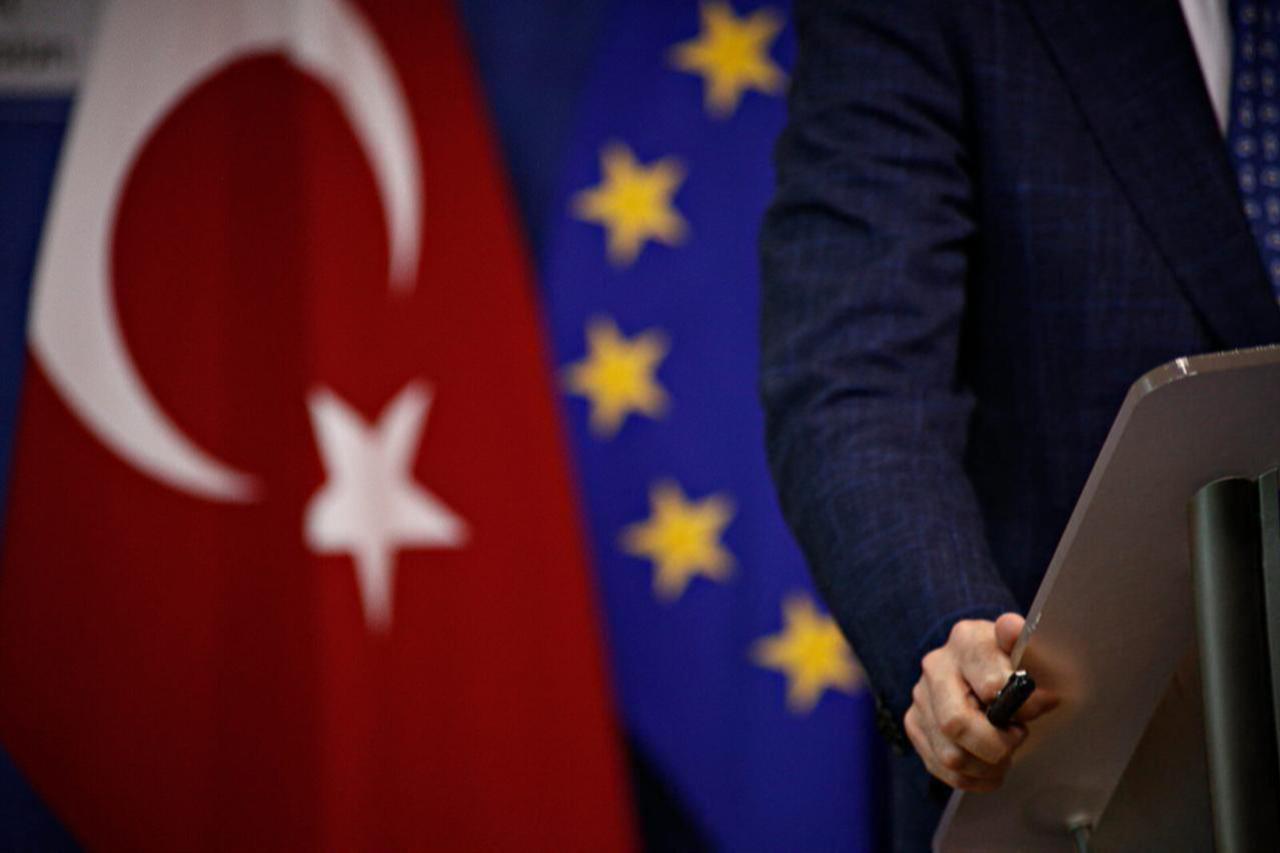


The European Union's top enlargement official has signaled growing momentum behind a network of transport corridors linking Europe to Central Asia, placing Türkiye at the center of an ambitious infrastructure push that Brussels says could triple cargo volumes through the Caspian region within five years.
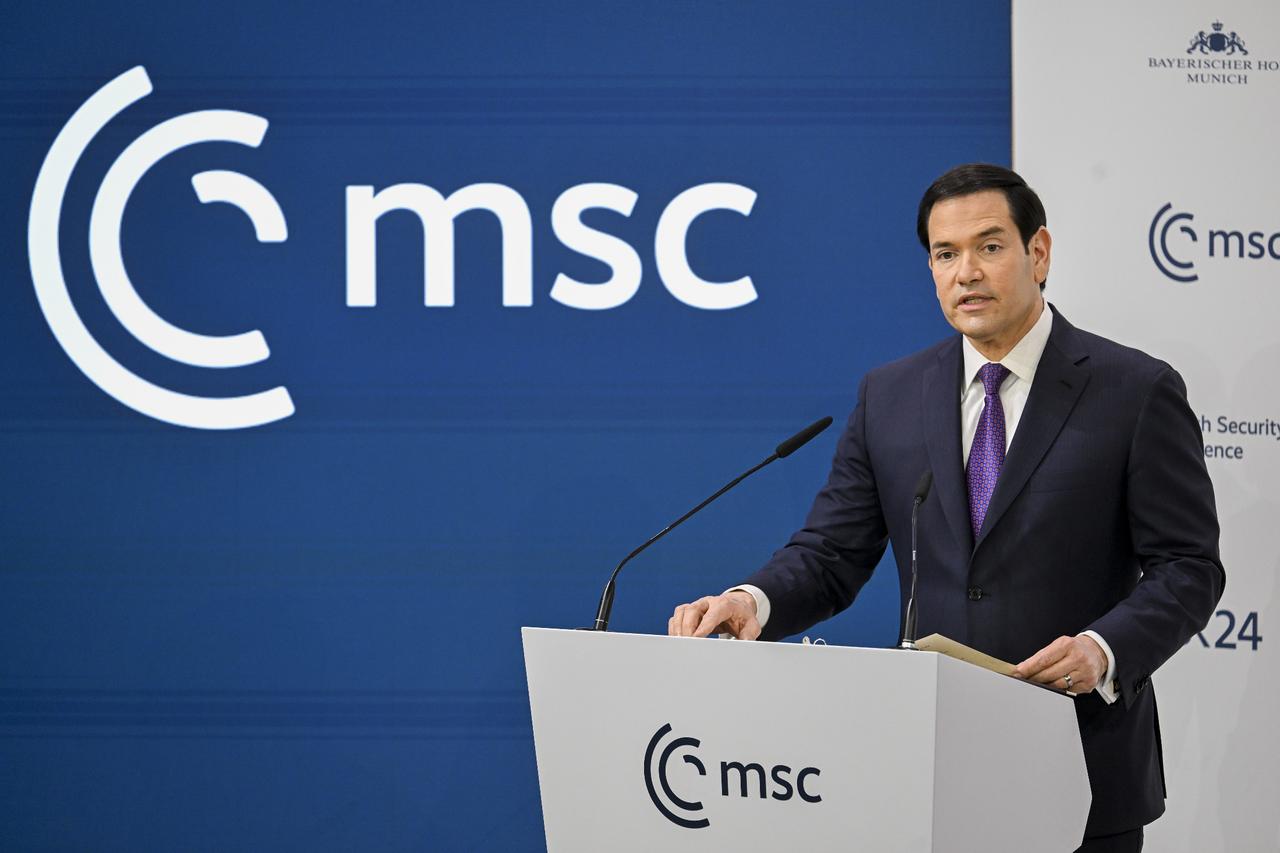
EU Enlargement Commissioner Marta Kos told a panel at the 62nd Munich Security Conference that cooperation with Türkiye is essential to delivering on regional connectivity goals, describing the multilayered diplomatic geometry as inseparable from the infrastructure projects themselves. "We have bilateral relations. Not just Armenia-Azerbaijan, but also Türkiye. Armenia, Türkiye-Azerbaijan. So there are three countries. With the EU, we are four," Kos said. "Without good cooperation, this is not possible."
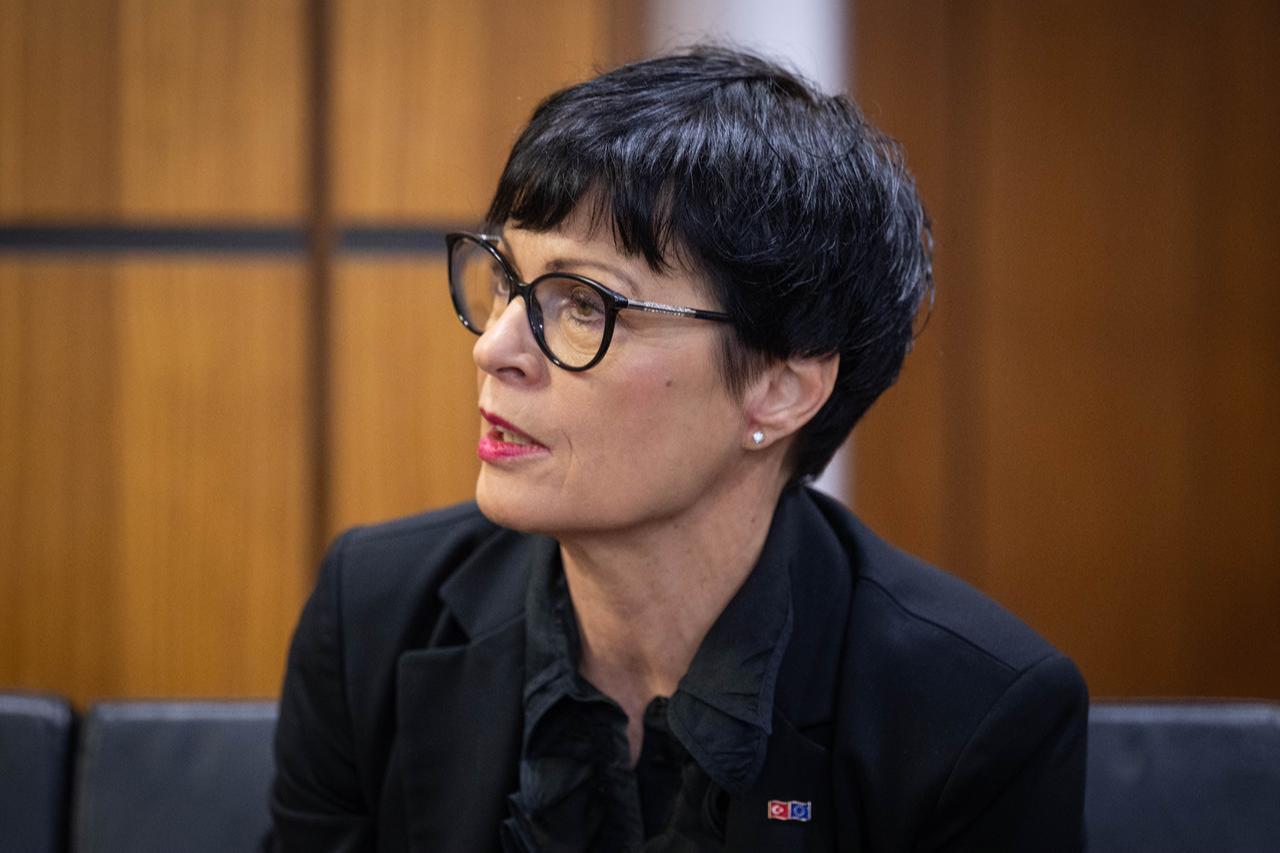

Kos spoke during a session titled "Open Corridor Policy? Deepening Cooperation Beyond the Caspian Sea," which was also attended by Azerbaijani President Ilham Aliyev. She said the ongoing peace process between Armenia and Azerbaijan had unlocked areas of collaboration previously considered out of reach, and that the EU strongly backs the diplomatic track.
The commissioner pointed to concrete planning already underway, noting that Brussels is developing a project pipeline with Armenia, Azerbaijan and Türkiye. "We are building a project list and project pipeline with Armenia, Azerbaijan and Türkiye," she said, stressing that transport links must be conceived at a regional scale rather than as isolated segments.
Kos outlined an ambitious timeline for the trans-Caspian transport corridor, saying it has the potential to triple traffic volume by 2030, cut transit times in half and deliver significant annual cost savings. She emphasized that large-scale infrastructure of this kind requires private-sector investment alongside public funding.
A feasibility study for a railway line connecting Azerbaijan to Nakhchivan is also on the agenda, Kos noted. She described the combination of that project with the International Route for Peace and Prosperity, known by the acronym TRIPP, as a potential turning point for the region. "Addressing TRIPP and Nakhchivan together could be a real game changer in this region," she said.
The commissioner framed the connectivity agenda as serving European interests as much as those of the South Caucasus, arguing that the corridor network would strengthen Europe's access to China and Central Asia at a time of intensifying geopolitical competition over trade routes.
Kos also noted that Türkiye has expressed readiness to establish a new rail link that would open routes toward Iran, adding another dimension to the emerging corridor architecture.
Türkiye sent a heavyweight delegation to this year's Munich Security Conference. Treasury and Finance Minister Mehmet Simsek, National Intelligence Organization (MIT) chief Ibrahim Kalin, parliamentary Defense Committee chair Hulusi Akar and Presidential Foreign Policy and Security Adviser Akif Cagatay Kilic all attended the annual gathering, which has served since 1963 as one of the world's premier forums for defense and security policy debate.


 Set as preferred source
 Set as preferred source


 1 min read
 1 min read