Newsletters


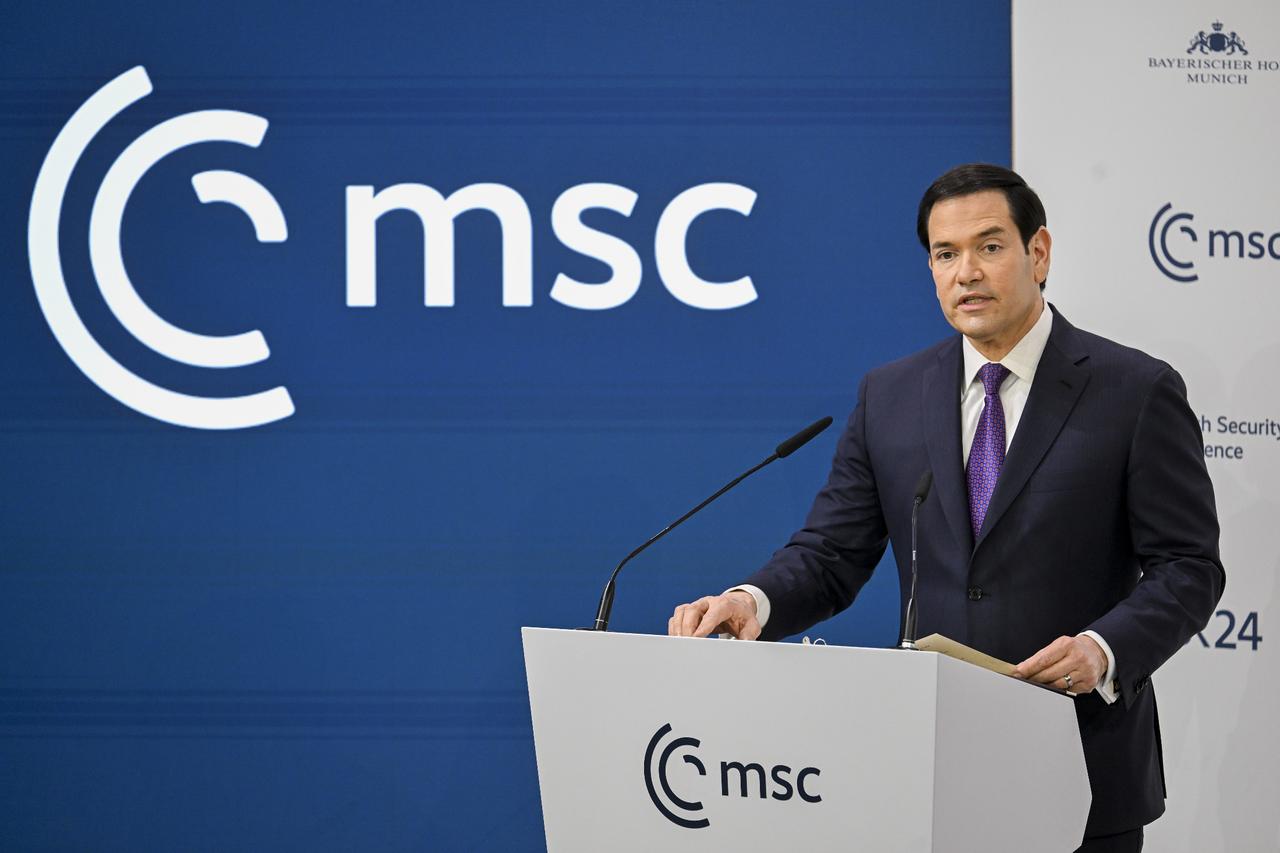


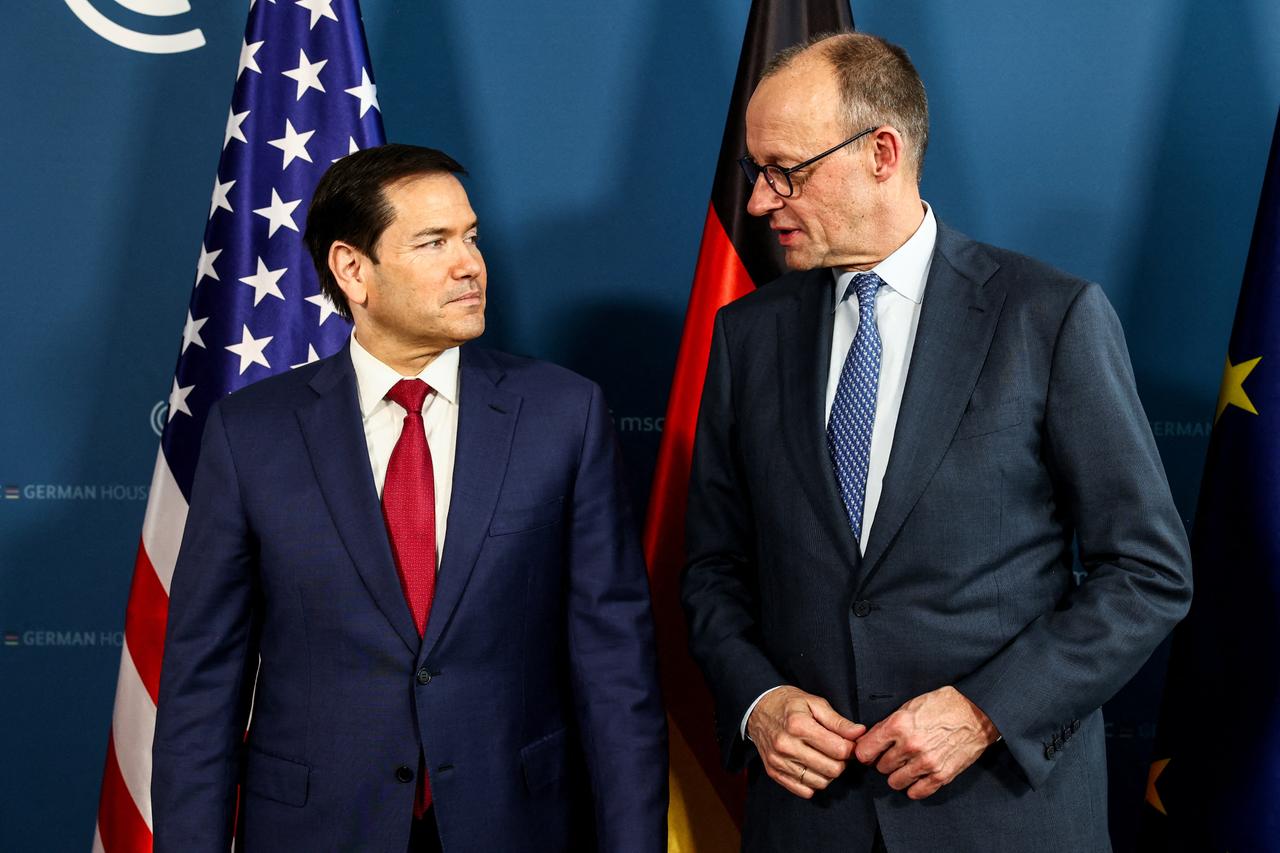
U.S. Secretary of State Marco Rubio delivered a message of transatlantic unity Saturday, telling European allies that Washington seeks to "revitalize" rather than abandon the alliance while urging the continent to address what he called decades of shared policy failures.
"We do not seek to separate, but to revitalize an old friendship and renew the greatest civilization in human history," Rubio told the Munich Security Conference.
"What we want is a reinvigorated alliance," he noted.
The speech marked a sharp departure from Vice President JD Vance's address at the same forum a year ago, when he attacked European policies on immigration and free speech and warned of a "new sheriff in town."
Rubio instead emphasized shared heritage and common destiny.
"In a time of headlines heralding the end of the transatlantic era, let it be known and clear to all that this is neither our goal nor our wish, because for us Americans, our home may be in the Western Hemisphere, but we will always be a child of Europe," Rubio said.
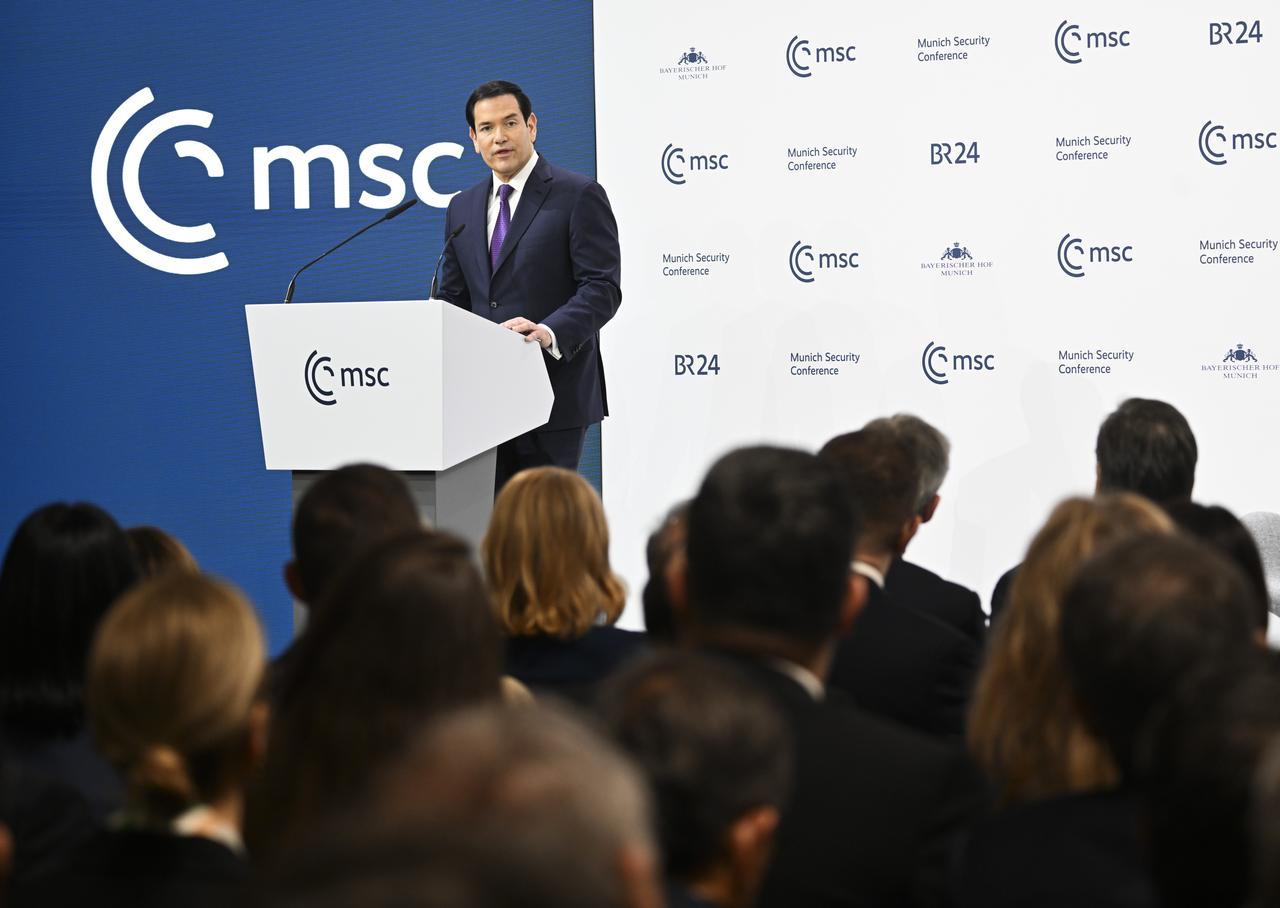

While striking a conciliatory tone, Rubio criticized what he called a "dangerous delusion" that emerged after the Cold War triumph, when Western leaders believed history had ended and liberal democracy would spread universally.
"This was a foolish idea that ignored both human nature and the lessons of over 5,000 years of recorded human history, and it has cost us dearly," Rubio said.
The secretary of state took aim at deindustrialization, mass migration, and climate policies, describing the latter as efforts "to appease a climate cult" that "impoverished our people."
He framed these as shared Western failures rather than European shortcomings alone.
"We made these mistakes together, and now together, we owe it to our people to face those facts and to move forward," Rubio added.
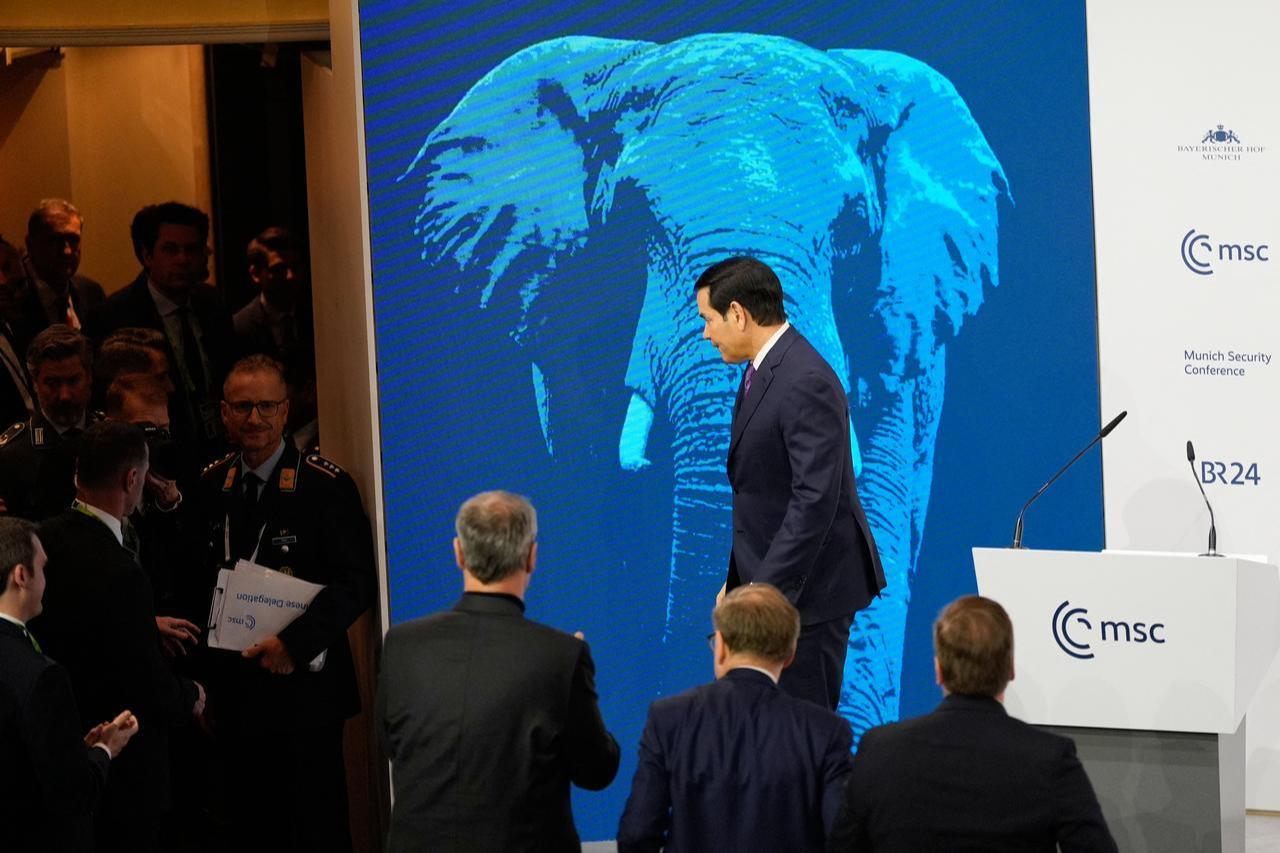
During a question-and-answer session, Rubio addressed the war in Ukraine, saying talks with Russia had "narrowed" outstanding issues "to the hardest questions to answer."
He declined to characterize Russian intentions, saying, "We don't know" whether Moscow is genuinely interested in negotiations.
"They say they are, and under what terms they were willing to do it, and whether we can find terms that are acceptable to Ukraine upon that Russia will always agree to, but we're going to continue to test it," Rubio said.
"Further discussions are scheduled for Tuesday," he added.
"I don't think anybody in this room would be against a negotiated settlement to this war, so long as the conditions are just and sustainable, and that's what we aim to achieve," Rubio noted
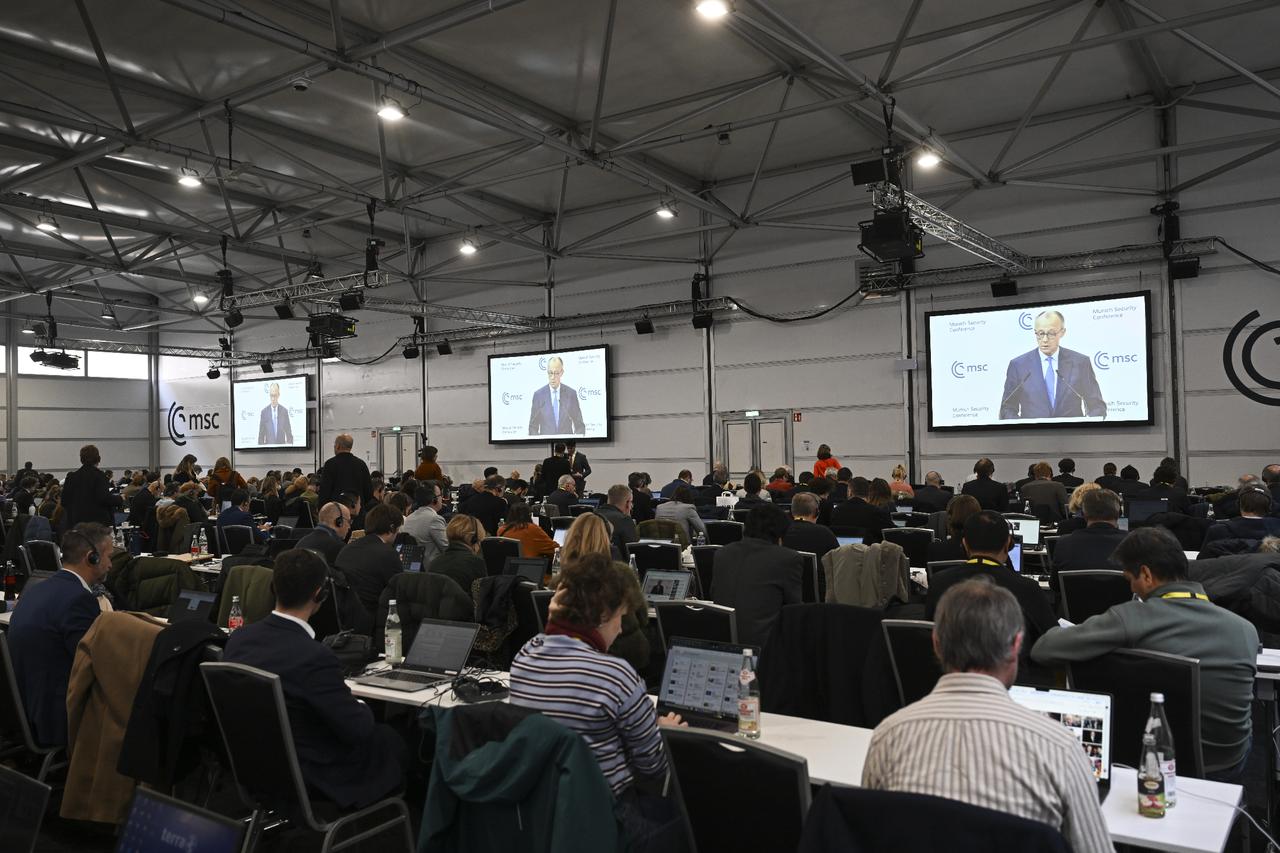
The address drew loud applause from the gathering of diplomats and security officials. Wolfgang Ischinger, chairman of the Munich Security Conference, offered immediate praise.
"Mr. Secretary, I'm not sure you heard the sigh of relief through this hall when we were just listening to what I would interpret as a message of reassurance of partnership," Ischinger said.
The speech came after months of transatlantic tension sparked by President Donald Trump's threats to annex Greenland and a National Security Strategy that warned Europe faces "civilizational decline."
German Chancellor Friedrich Merz had appealed to Washington on Friday: "Let's repair and revive transatlantic trust together."
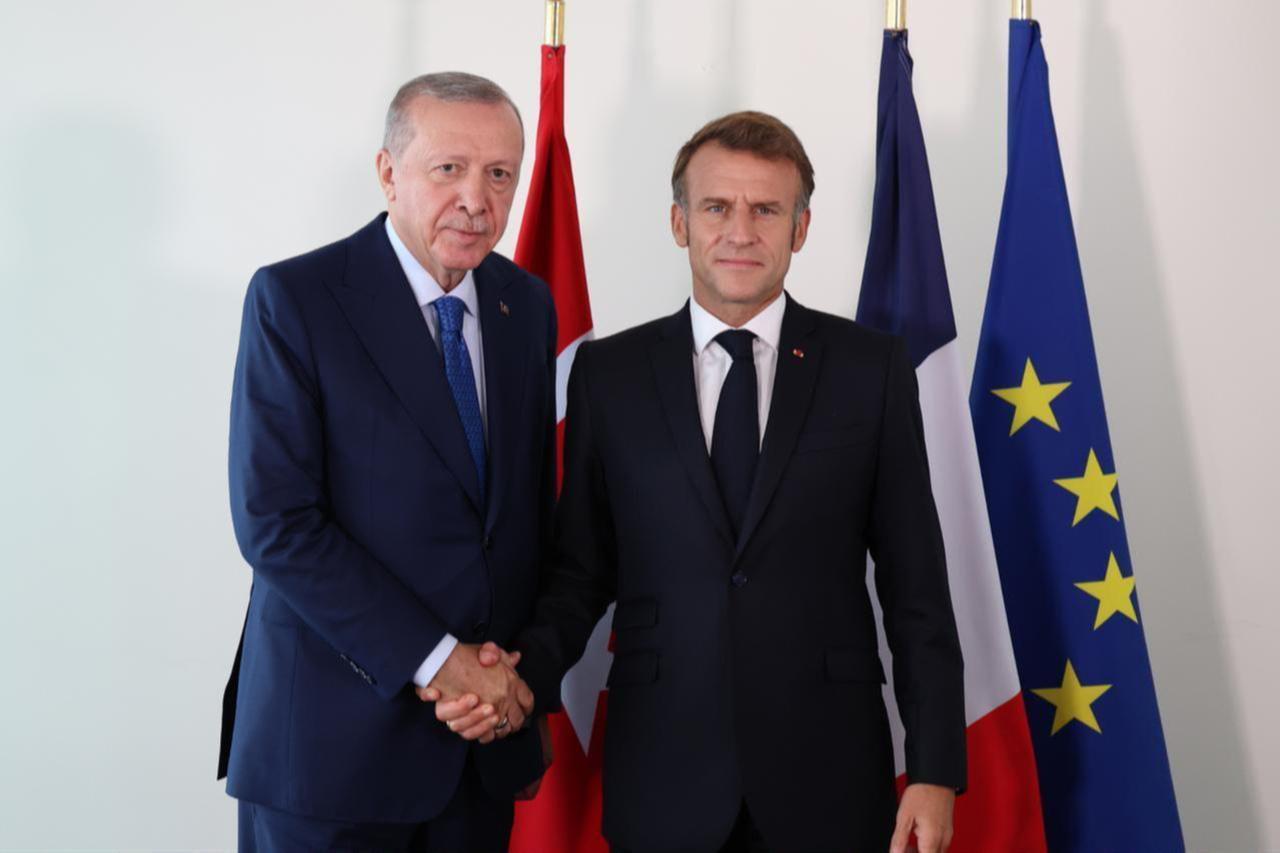
French President Emmanuel Macron told the gathering that "this is the right time for a strong Europe" that would be "clear in the support of Ukraine" and "building its own architecture of security."
NATO chief Mark Rutte said, "A strong Europe in a strong NATO means that the transatlantic bond will be stronger than ever."
Rubio criticized the United Nations as "powerless" on pressing issues, noting it "could not solve the war in Gaza" or Ukraine.
"We do not live in a perfect world, and we cannot continue to allow those who blatantly and openly threaten our citizens and endanger our global stability to shield themselves behind abstractions of international law, which they themselves routinely violate," Rubio said.
He rejected any notion of Western decline as inevitable.
"Decline is a choice," Rubio said, noting that, "We in America have no interest in being polite and orderly caretakers of the west's managed decline."
The secretary of state invoked shared cultural heritage, listing Mozart, Beethoven, Shakespeare, Michelangelo, Da Vinci, the Beatles, and the Rolling Stones as testaments to Western civilization.
"They testify not just to the greatness of our past or to a faith in God that inspired these marvels; they foreshadow the wonders that await us in our future," Rubio concluded.


 Set as preferred source
 Set as preferred source


 2 min read
 1 min read