Newsletters


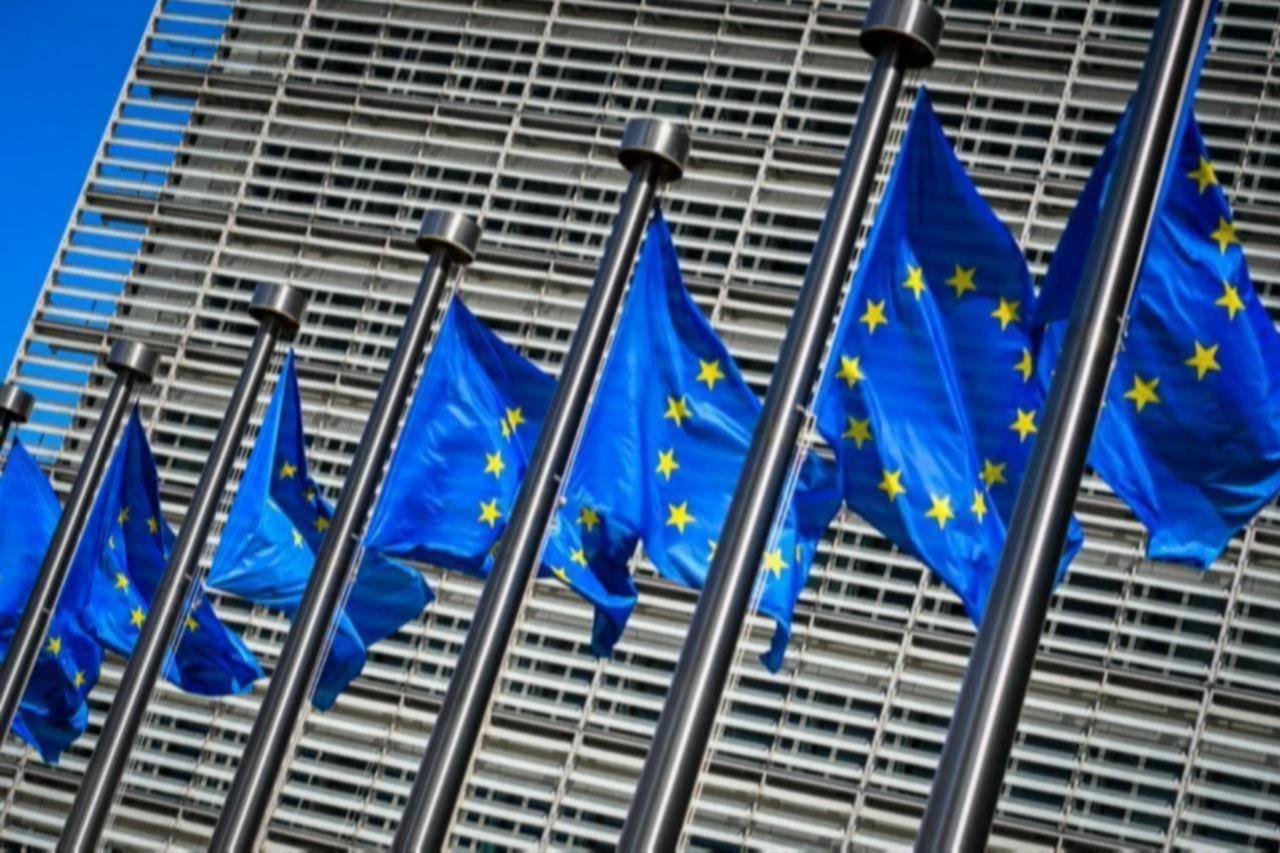


European Union lawmakers have called on the bloc's executive arm to compel Meta to redesign its platforms in Europe, demanding the tech giant apply the same protections for young users that it has agreed to roll out in parts of the United States, as per a letter seen by AFP on Thursday.
The letter, dated Wednesday, was written by French EU lawmaker Stephanie Yon-Courtin and co-signed by 51 other members of the European Parliament from across the political spectrum.
It is addressed to European Commission President Ursula von der Leyen and urges the commission to act swiftly against Meta.
"European children are worth no less than American ones," the letter states, adding that it would be "untenable for European minors to end up less well protected, when our framework is the most demanding in the world."
The pressure follows a landmark court settlement Meta reached last month with a coalition of US states, under which the company agreed to pay as much as $16.7 billion and to introduce sweeping new limits on how teenagers use Facebook and Instagram, including an automatic night-time block on the apps.
The EU has been pursuing similar changes through its own regulatory process.
In July, the bloc told Meta to alter what it called the "addictive design" of its platforms, findings the company said at the time it disagreed with.
The commission opened its investigation into Meta in 2024 under the Digital Services Act, or DSA, the EU's content-moderation law that has drawn sharp criticism from Washington.


In the letter, the MEPs called on the commission to conclude its probe into Meta "without further delay" with a formal non-compliance decision and accompanying penalties.
Should the commission instead accept commitments from Meta, the lawmakers said, those commitments "must on no account fall short of what Meta has just granted to American users."
The letter also floated a more drastic option: asking a court to temporarily block access to Meta's platforms if the company continues to breach EU rules after other measures have failed.
The lawmakers described this not as censorship but as restoring credibility to enforcement, writing that the goal was "not about censoring a service or banning a social network; it is about no longer brandishing a threat that nobody believes in."
They argued that fines can be "written off" by large tech companies, whereas a "shutdown ordered by a judge reaches the business model itself."
The letter also criticized von der Leyen directly, accusing her of failing to follow through on a political commitment to make online spaces safer for children.
"Will the protection of minors online still be among your priorities?" the lawmakers asked, adding: "The commission speaks but does not deliver."
Responding to the letter, commission spokesman Thomas Regnier told reporters that Brussels remained committed to securing changes from Meta as talks continue.
"We'll not settle with one or two inbuilt safeguards, this is not enough. We tackle the core design features of these platforms. This is what matters to us, and this is what has to change to protect our kids," Regnier said.
The DSA has become one of the EU's principal tools for regulating major technology companies, part of a broader legal framework built up in recent years to rein in Big Tech.
Separately, the EU is expected to announce some form of restriction on social media use by children later this month, though the details of that measure have not yet been made public.
"If platforms are not building safety-by-design features in their systems, we will have to do more," Regnier said.


 Set as preferred source
 Set as preferred source


 1 min read


 1 min read