Newsletters


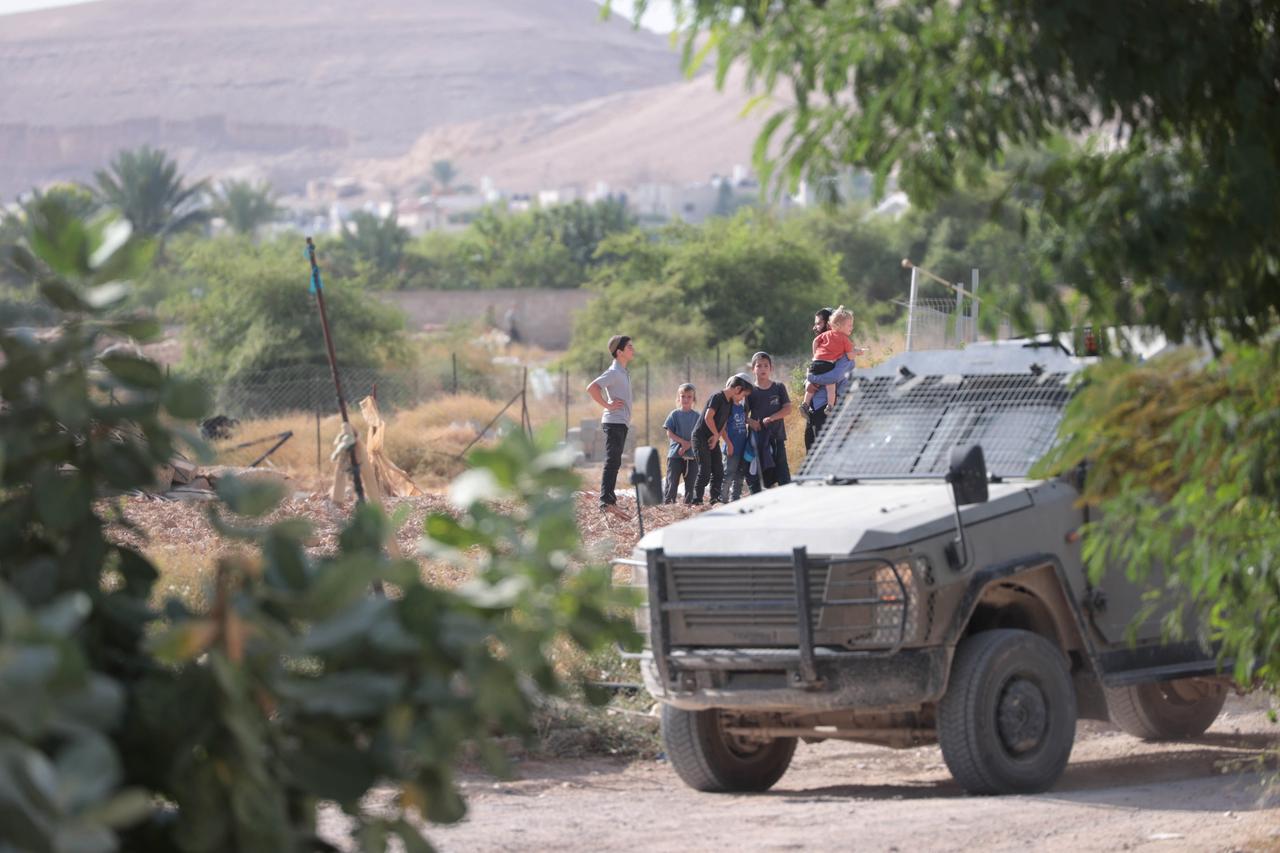


Members of the European Parliament on Thursday called for a binding EU-wide ban on trade in products originating from illegal Israeli settlements in the occupied Palestinian territories, accusing the European Commission of failing to act despite what they described as the bloc's obligations under international law.
Speaking during a session of the European Parliament's Committee on International Trade (INTA) in Brussels, lawmakers urged the commission to introduce legislation prohibiting such trade, arguing that existing labeling requirements and partial measures were no longer sufficient.
INTA Chair Bernd Lange criticized the commission for citing the lack of a qualified majority among EU member states as a reason for not presenting a legislative proposal.
He compared the situation with the EU's efforts to phase out Russian liquefied natural gas imports, noting that the commission had introduced legislation without first determining whether it had sufficient support in the Council.
"It is totally unacceptable that in this case the commission is blocking and hiding behind this discussion in secret with the council," Lange said.
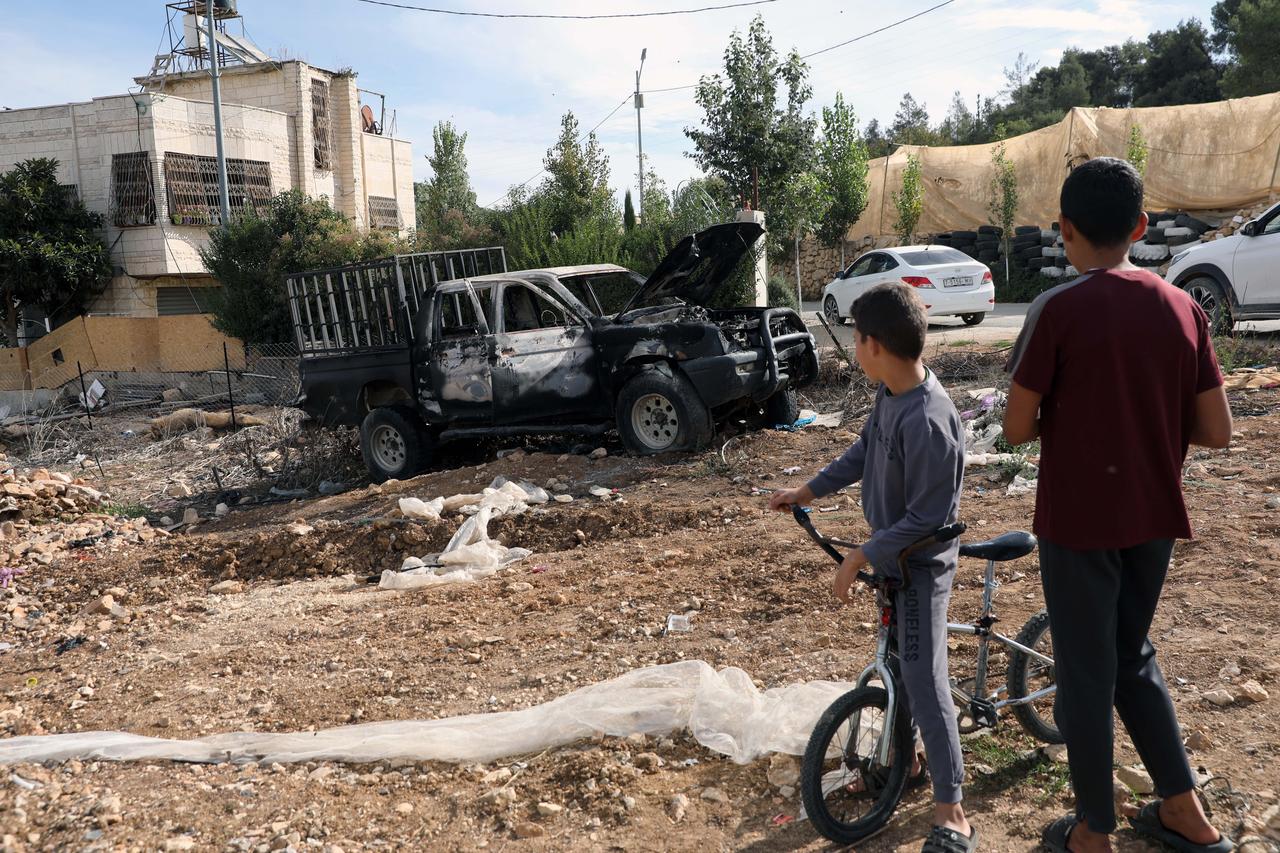

Spanish lawmaker Hana Jalloul Muro called for an immediate, binding EU-wide measure to halt trade with illegal Israeli settlements, arguing that declarations and labeling requirements failed to address the issue.
"Stop hiding behind excuses about qualified majorities, unanimity, and endless procedural discussions, such arguments are unacceptable in the face of the scale of this problem, both in terms of international law and the dignity and credibility of our institutions. It is unacceptable for the European Union to be aware of its obligations and still fail to act," she said.
Jalloul Muro also warned that lawmakers were prepared to take the European Commission and the Council to the EU Court of Justice over their alleged failure to act.
Dutch lawmaker Catarina Vieira similarly criticized the lack of progress, saying no meaningful steps had been taken toward restricting trade in settlement products over the past five months.
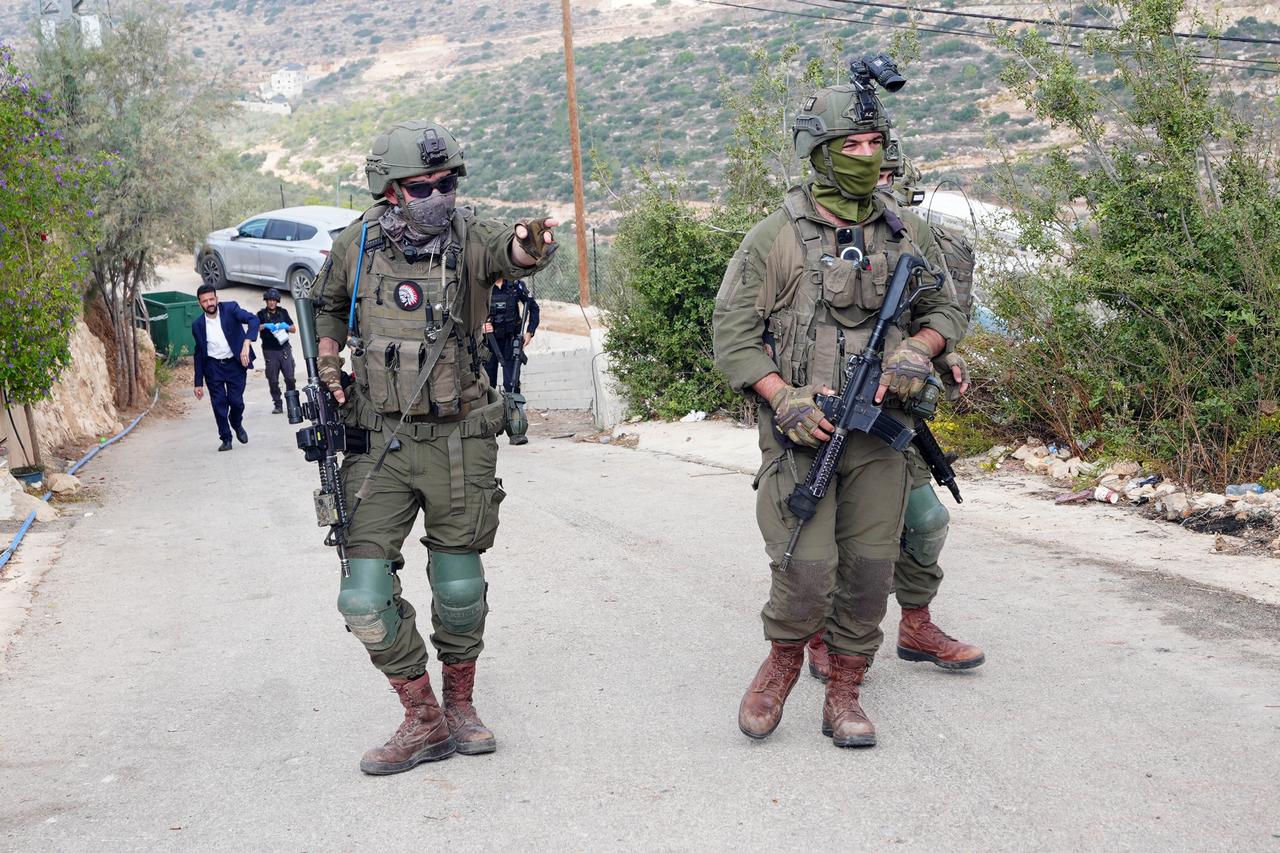
She argued that improving the tracking and labeling of such goods would not address the underlying issue and called for an outright trade ban.
Vieira maintained that the commission could introduce legislation under the EU's common commercial policy without first obtaining a qualified majority among member states.
Irish lawmaker Barry Andrews also challenged the commission's position, questioning why disagreements among member states should prevent it from presenting a proposal.
"Why is there no proposal?" Andrews asked, urging the commission to allow the Parliament and Council to negotiate the terms of legislation.
Responding during the session, European External Action Service official Vladimir Janecek said the humanitarian situation in Gaza remained catastrophic, while conditions in the occupied West Bank had deteriorated further.
He cited expanding Israeli settlement plans and increasingly organized violence by extremist occupiers.
Janecek said several EU measures concerning Israel remained under consideration, including the suspension of certain trade-related provisions of the EU-Israel Association Agreement, sanctions against extremist Israeli ministers and occupiers, and the suspension of bilateral financial support to Israel.
However, he said only sanctions against extremist occupiers had been adopted, while the other proposals remained stalled because of insufficient agreement among member states.
The debate highlighted disagreements over how the EU should respond to Israeli settlement activities, with lawmakers pressing the Commission to initiate legislation rather than wait for consensus among national governments.


 Set as preferred source
 Set as preferred source


 2 min read
 1 min read