

 Newsletters


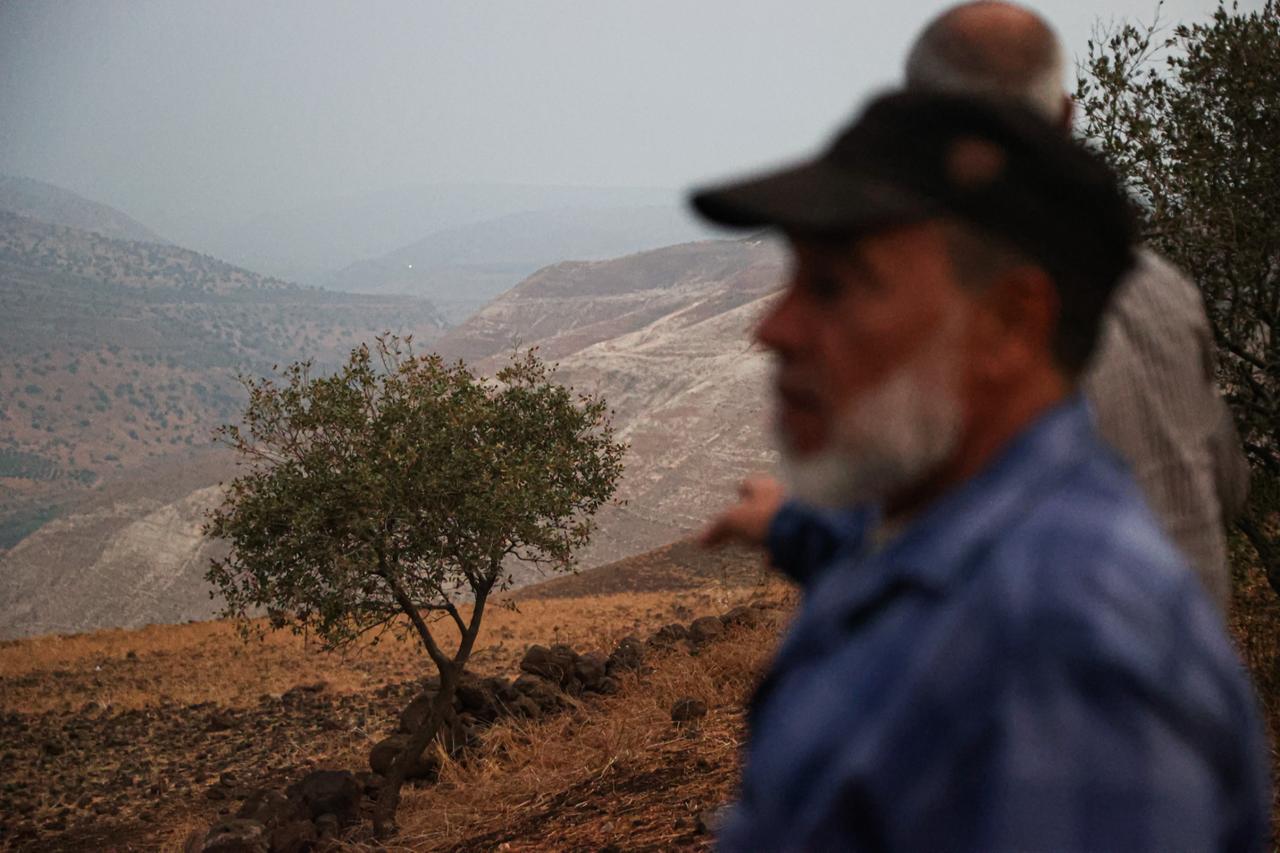


Syrian farmers in the southern provinces of Quneitra and Daraa say Israeli military restrictions have prevented them from reaching ancestral olive groves and farmland, cutting off vital sources of income and leaving some families facing years of agricultural losses.
The restrictions have particularly affected the villages of al-Maariya in Daraa and Sayda al-Hanut in Quneitra, where residents report being barred from their fields or seeing olive trees destroyed by Israeli military vehicles.
Following the fall of Syria's Baath regime, Israeli forces declared the buffer zone established under the 1974 Disengagement Agreement a security area, in violation of the agreement.
Israeli troops have since carried out patrols, established military bases and checkpoints, detained civilians and conducted nighttime raids along a stretch extending from Beit Jinn, south of Damascus, to the Yarmouk Basin near the borders of Syria, Jordan and Israel.
The restrictions have also disrupted farming and livestock activities, which provide essential income for communities along the border.
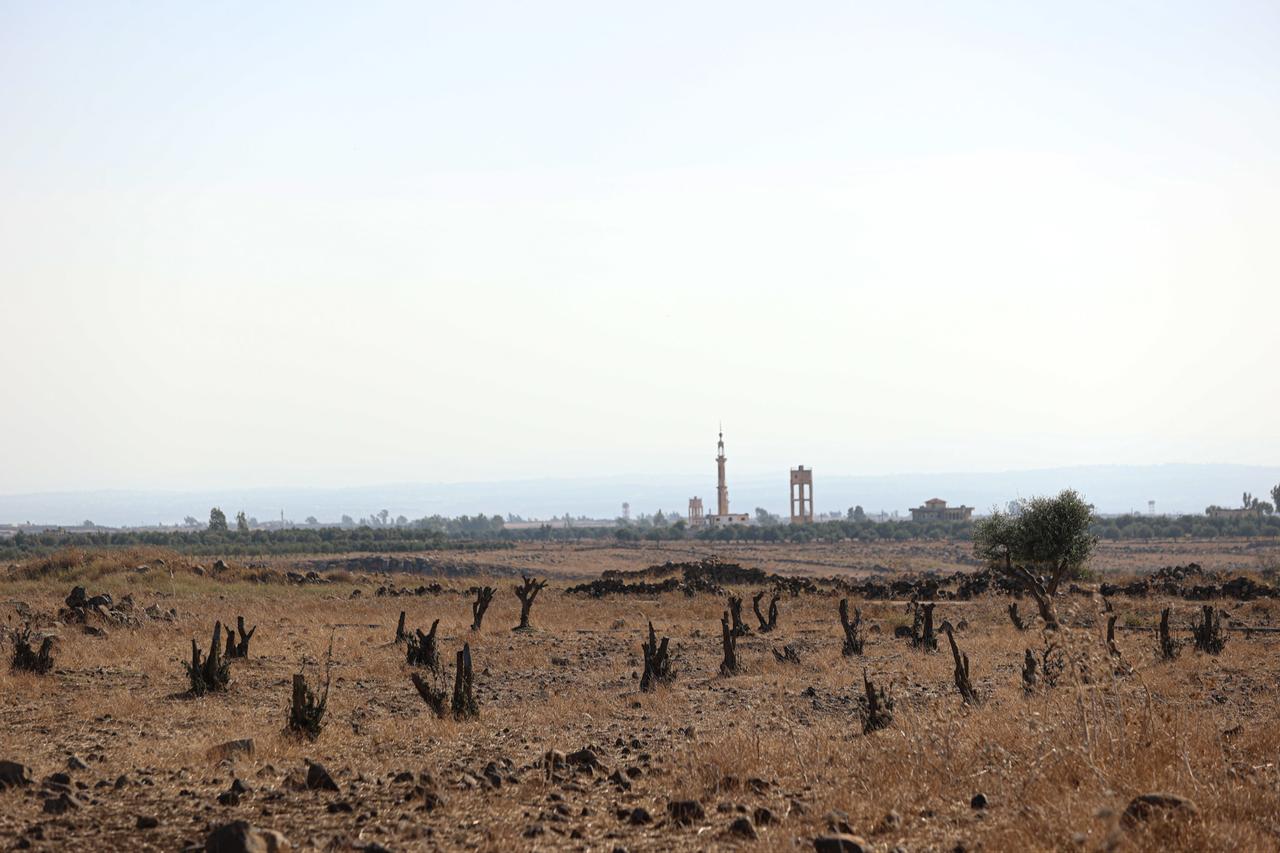

Abu Hussein Demar, a farmer from al-Maariya, told Anadolu Agency (AA) that residents previously grew tomatoes, beans, zucchini and other early-season vegetables on more than 200 donums (20 hectares) of riverside farmland, alongside hundreds of olive trees.
He said the fields had provided much of the village's winter income, but farmers had been unable to reach their land for three years.
According to Demar, individual farmers have suffered losses reaching 200 million to 300 million Syrian pounds, with some families losing their primary source of livelihood.
Despite the financial damage, he insisted that residents would not give up their ancestral property.
"These olive trees were planted 100 years ago by my great-great-grandfather. We will never abandon our land," Demar said.
He also called on the United Nations, the U.N. Security Council and other countries to put pressure on Israel to withdraw its forces and allow farmers to return.
"We just want to breathe, return to our land, plant our crops and live with dignity," he said.
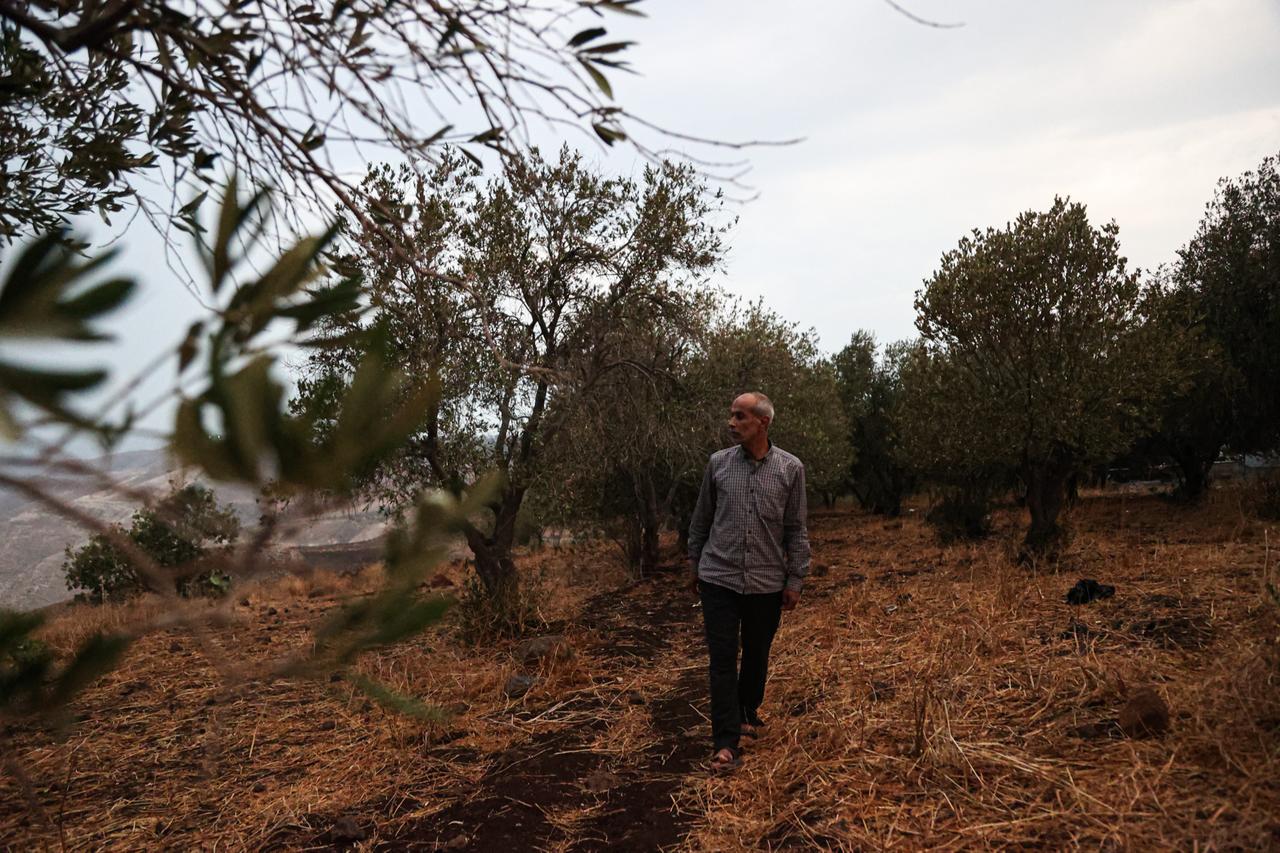
Another al-Maariya resident, Abu Qusay Demar, said Israeli forces had set up military checkpoints and barracks near the village entrance and along its western boundary, effectively blocking access to agricultural land.
He said residents had been hoping to return to their fields since 2024, but the restrictions remained in place.
"Every year, we hope that this will be the year we return to our land, but we do not know what to do," he said, adding that his annual losses amounted to at least 200 million Syrian pounds.
Demar claimed that Israeli military positions and heavy weapons deployed in the Jazira area were being used to maintain control over the surrounding farmland.
He also argued that the restrictions were intended to push local communities away from their homes rather than establish or expand settlements.
"The aim here is not so much to establish and expand a settlement, but to drive people and villagers away from their own land, force them to migrate and seize these lands," he said.
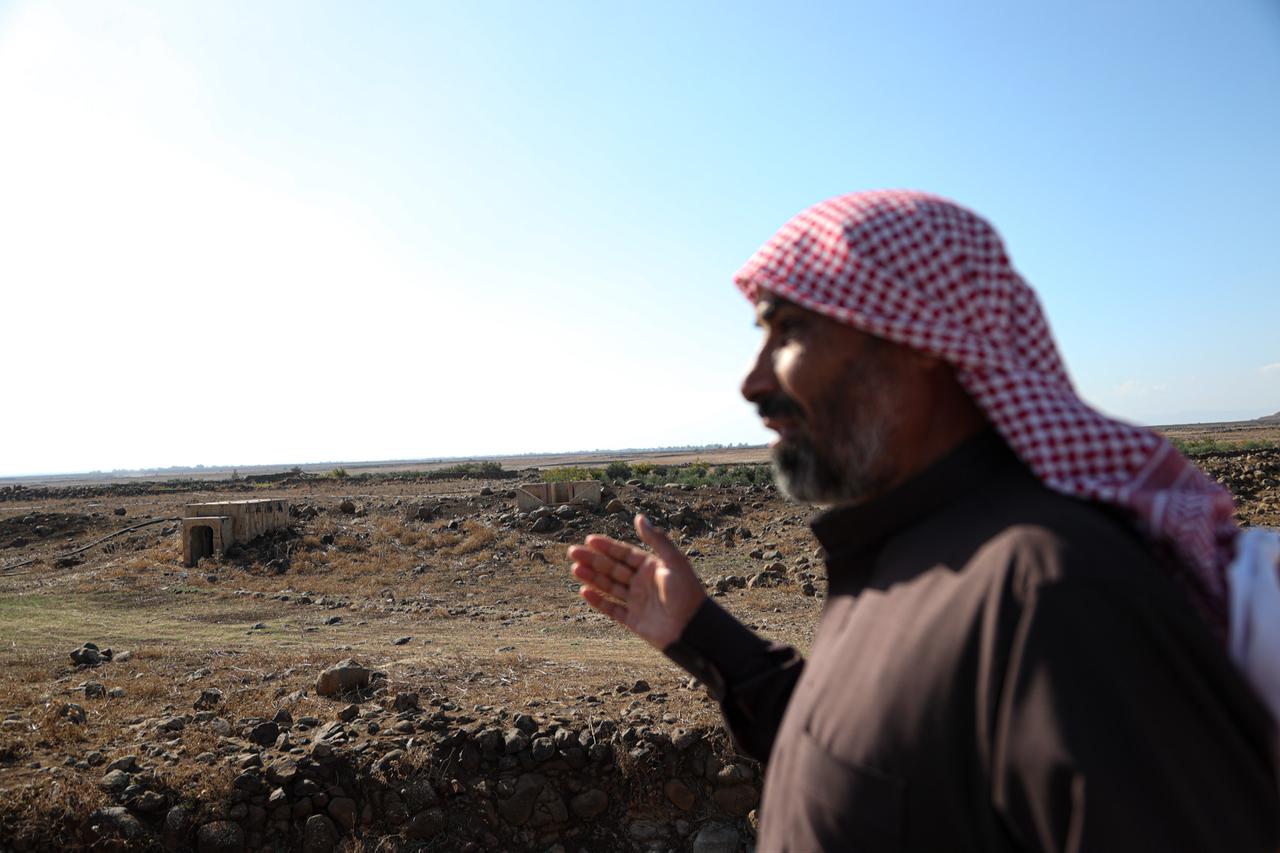
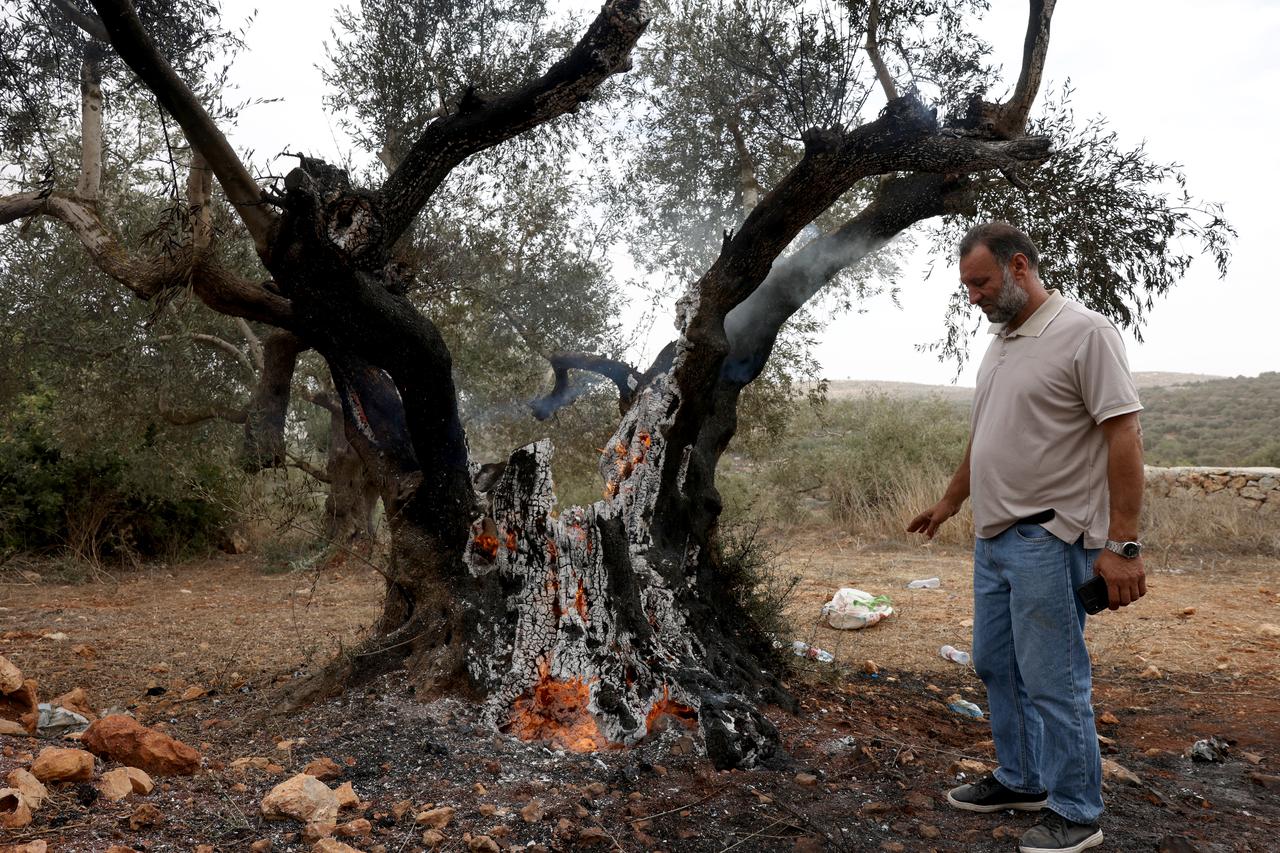
In Sayda al-Hanut, Quneitra province, another farmer, Ebu Ammar, said Israeli military vehicles destroyed his 11-donum olive grove on Oct. 18, leaving the land unusable.
After hearing about the incident, he went to inspect the property and said he found Israeli tanks and heavy military vehicles moving through the grove.
"This was not simply damage. They literally crushed the fruits of our labor," he said.
Ebu Ammar explained that his family had planted the trees between 2006 and 2007 and had spent nearly two decades developing the grove.
Before its destruction, the property contained approximately 400 olive trees that produced around 10 metric tons of olives annually. The family had also expected a productive harvest this year.
According to Ebu Ammar, newly planted trees could take five to 10 years to reach the previous grove's productivity, leaving the family's financial future uncertain.
He also said no Syrian government officials had contacted his family or offered assistance following the destruction.
"No official called after the disaster, offered support or even expressed sympathy," he said, adding that journalists had been the only people to help bring attention to their situation.


 Set as preferred source
 Set as preferred source


 1 min read

 1 min read


