

 Newsletters


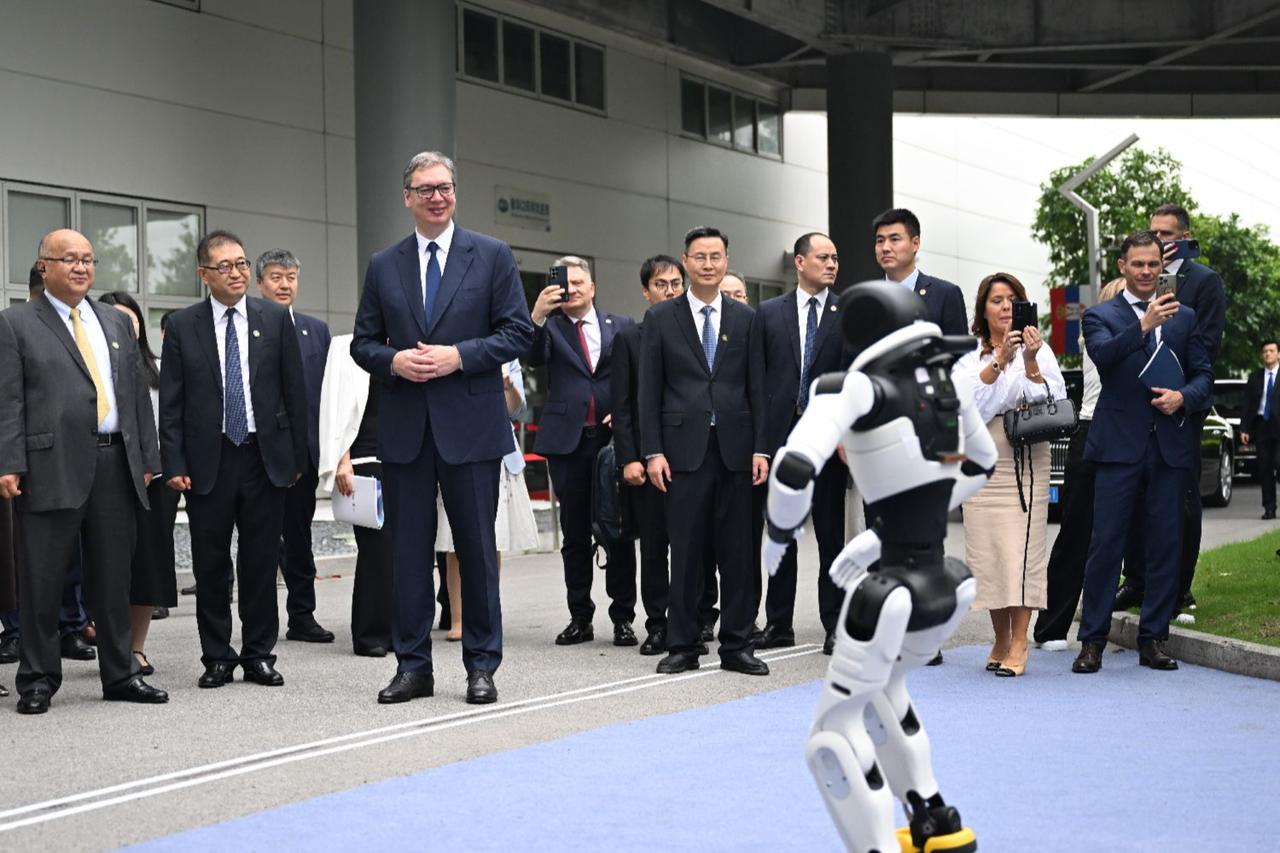


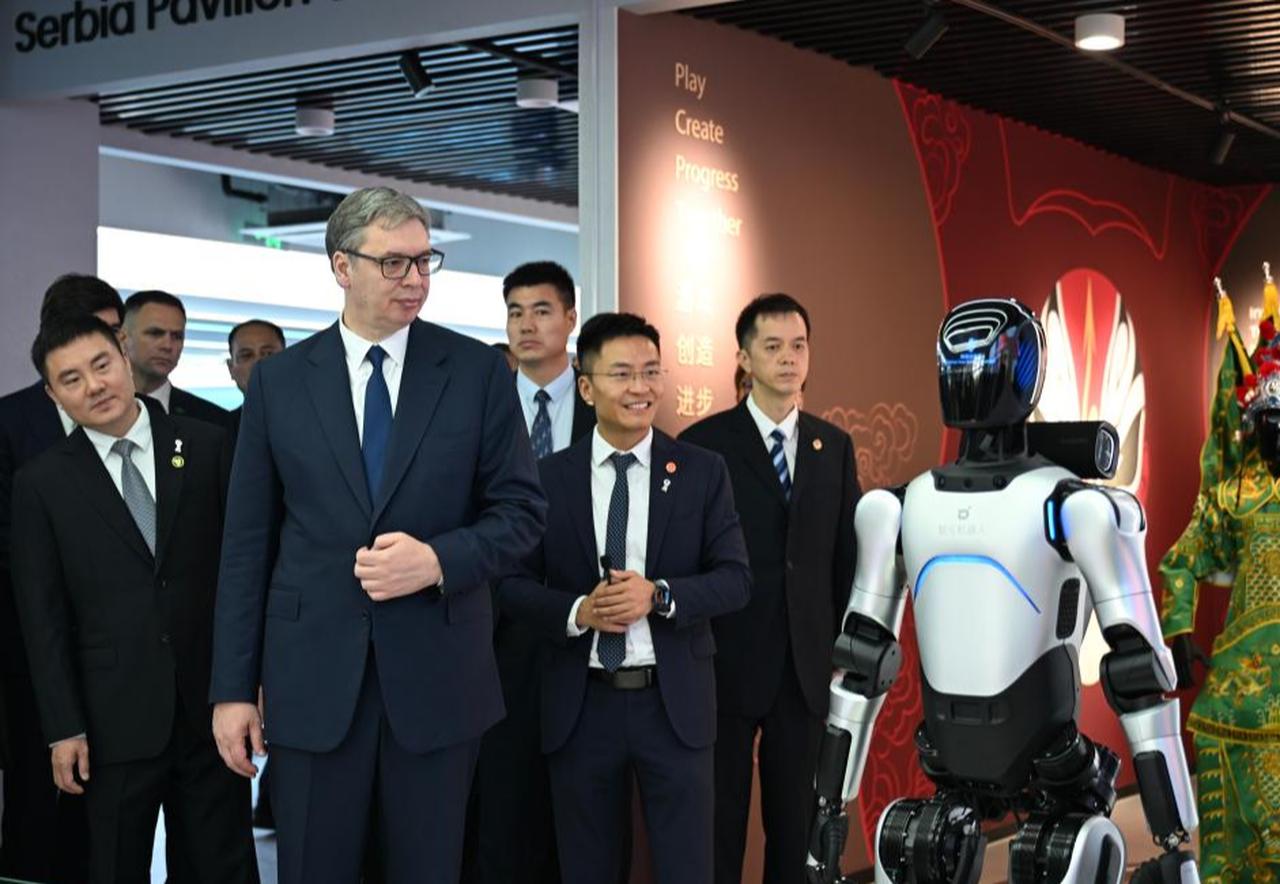
During his recent visit to Beijing, Serbian President Aleksandar Vucic stood smiling as humanoid robots greeted him and performed a traditional Serbian “kolo” dance.
The video quickly spread across social media. Many laughed. Others marvelled at the technology.
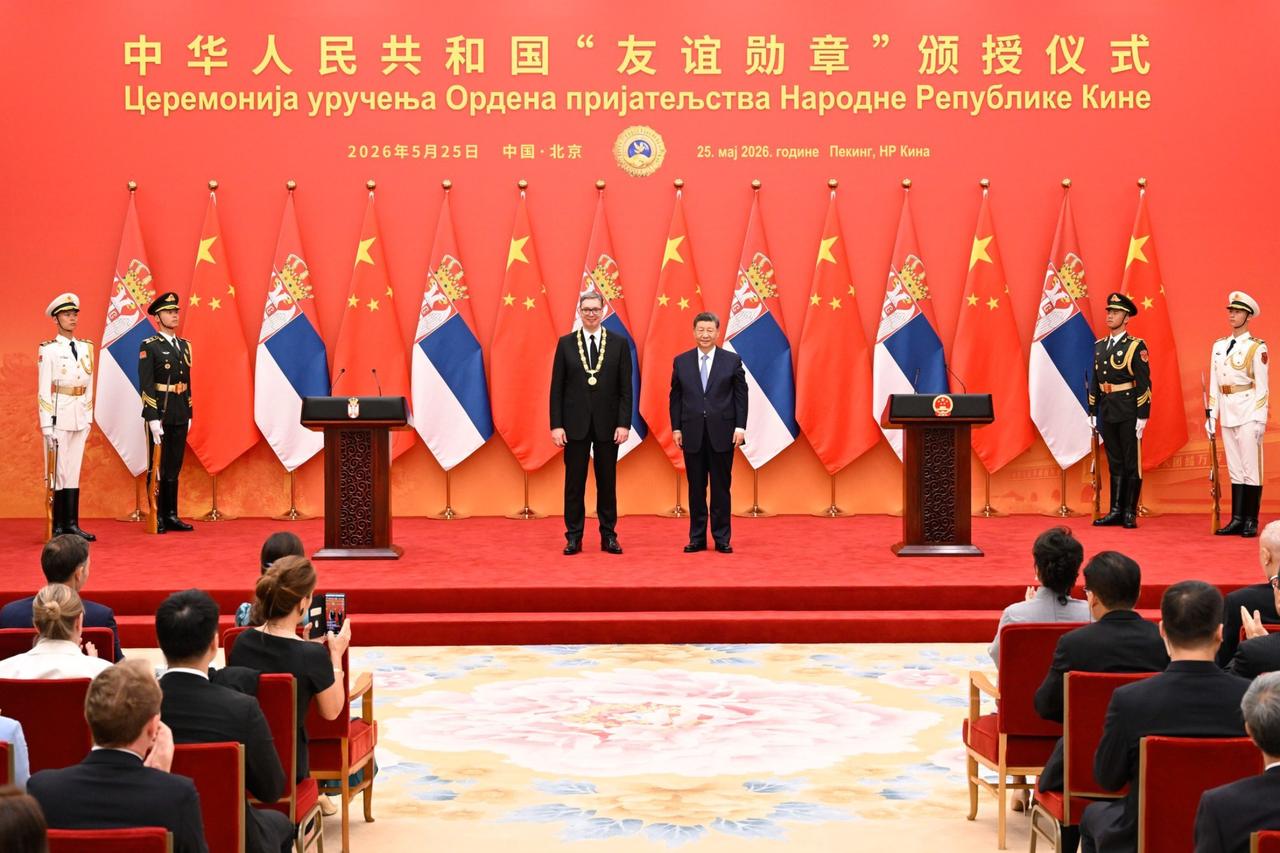
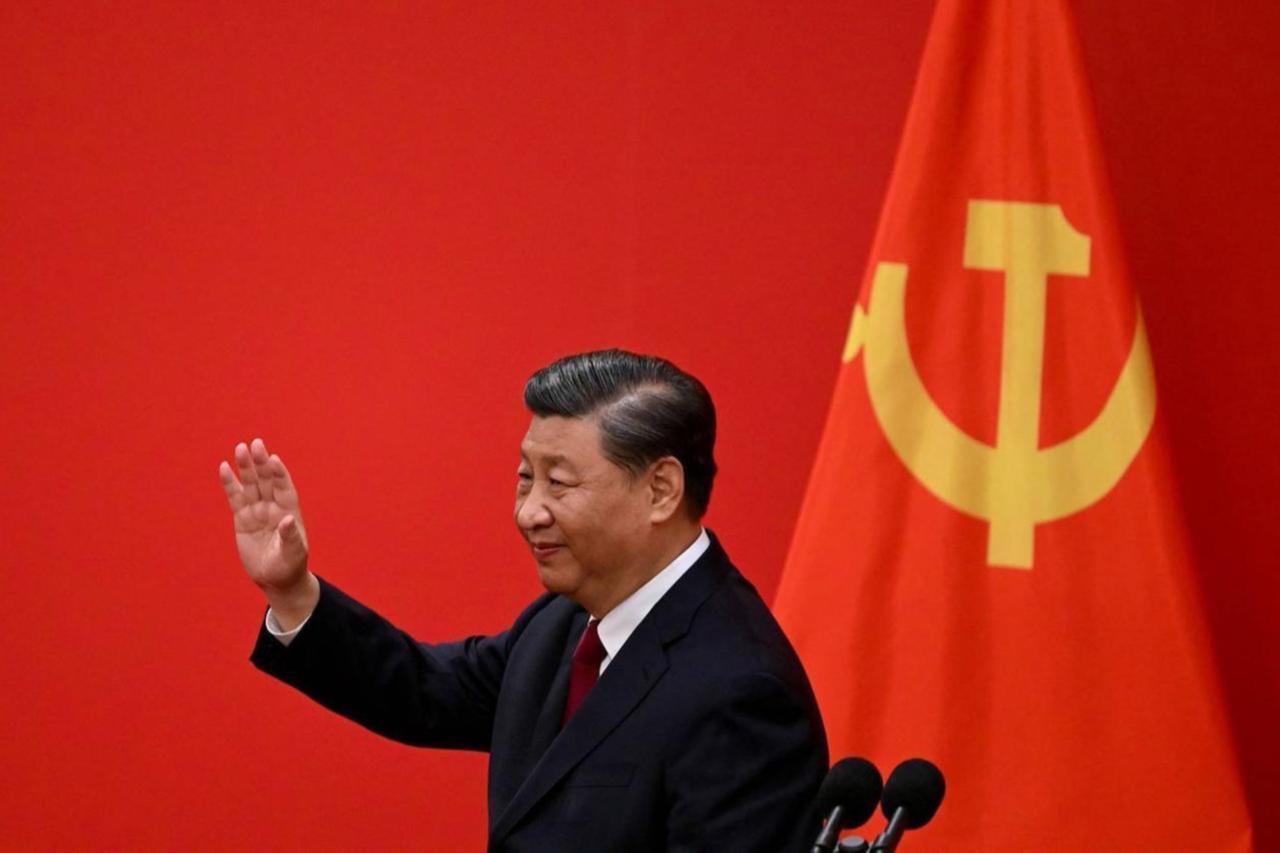
But Vucic was not in China for a cultural exchange or robots. He was in Beijing to meet Chinese President Xi Jinping, sign more than 20 agreements covering trade, technology, education, infrastructure, artificial intelligence and investment. Both leaders vowed to take their strategic partnership to new heights.
China awarded him a friendship medal. Serbia once again reaffirmed its place among Beijing’s closest partners in Europe. Chinese companies build roads, railways, factories and mining projects across Serbia. Beijing has become a crucial investor in its economy. The two countries already have a free trade agreement.
Serbia today is simultaneously a European Union candidate country, a strategic partner of China, a traditional ally of Russia, a country that supports Ukraine's territorial integrity and a state whose defense industry has reportedly profited from ammunition reaching Ukraine.
Twenty years ago, this balancing act would have looked unsustainable. Today, it looks increasingly like the future.
That short video of Chinese robots dancing a Serbian folk dance was more than a technological curiosity. It was a glimpse into a new geopolitical reality in which countries no longer feel compelled to choose a single camp, a single patron or a single vision of the world order.
For decades, the world seemed to operate according to a familiar script. Big powers would set the rules. Smaller nations, whether in Africa, Asia, the Middle East or the Balkans, adjusted their foreign policies accordingly.
But this is no longer the case.

The attack by the U.S. and Israel on Iran has exposed something far larger than a regional conflict. It has revealed a profound transformation in the global balance of power.
For years, the United States and its allies promoted a rules-based international order.
Yet the devastation and genocide in Gaza has become a defining moment for much of the world outside the West. Across large parts of Asia, Africa, Latin America, and the Middle East, the war has reinforced a growing perception that international law is applied selectively and that some lives matter more than others in the global conversation.
Whether Western leaders agree with that assessment is almost beside the point. What matters is that millions of people do. This is one reason why the Global South is emerging as a more confident political force. Countries that were once expected to align automatically with Western priorities are increasingly pursuing their own interests, building new partnerships, and demanding a greater voice in international affairs.
China has been one of the principal beneficiaries of this shift. Unlike Washington, Beijing has largely avoided military entanglements in the Middle East while presenting itself as a stable economic and diplomatic partner. Its mediation between regional rivals, expanding trade networks, and growing influence across Africa, Latin America, and the Gulf have strengthened its image as a pragmatic actor in an increasingly fragmented world.
This does not necessarily mean that China is replacing the United States as a benevolent global leader. It means that many countries no longer believe they must choose a single leader at all.
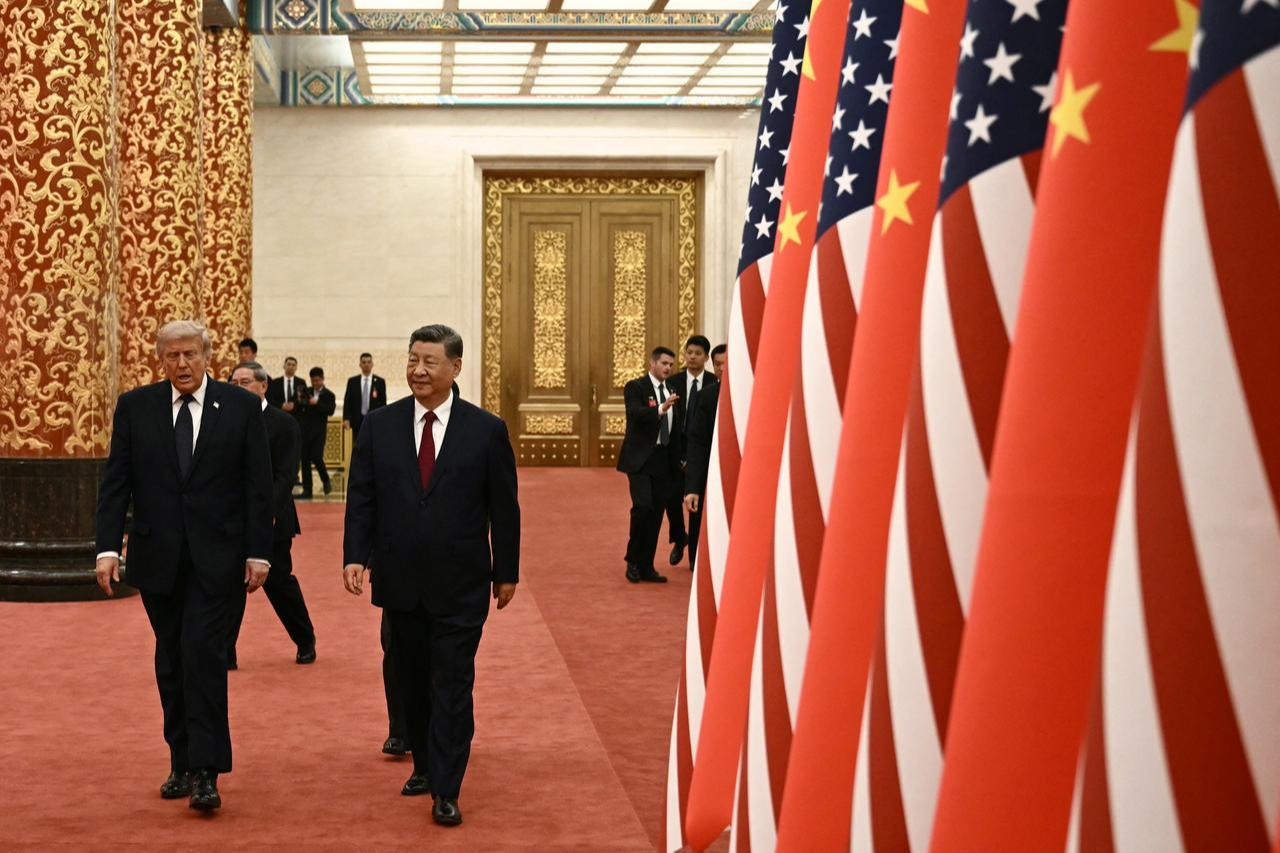
The age of automatic Western dominance is giving way to a far more complex and transactional order. And nowhere is the confusion about this transition more visible than in the Balkans.
For much of the post-Cold War era, the region’s strategic compass pointed firmly westward. European Union membership, NATO integration, and close ties with Washington represented both a political aspiration and a security guarantee.
Yet today, the geopolitical landscape looks considerably less clear. China finances infrastructure. Türkiye projects even stronger regional influence. Gulf states invest capital. Russia remains a factor despite its isolation.
The United States still wields significant diplomatic power, but its strategy has become more transactional. The European Union remains the region’s largest economic partner and it's looking to finally open its doors to one or two Balkan nations frustrated with the slow enlargement process despite the progress.
The region has become a microcosm of the wider global transition. Leaders attend European summits while welcoming Chinese investments. They maintain relations with Washington while pursuing economic opportunities elsewhere. They speak the language of European integration while quietly adapting to a more multipolar world.
Serbia may be the most visible example, but it is hardly alone. Across the region, governments are discovering that the old certainties are fading. The question is no longer whether the future belongs exclusively to the West, but how to navigate a world where influence is dispersed among multiple centers of power.
This balancing act is not always driven by ideology. Often, it is driven by necessity.
The rise of the Global South does not necessarily signal the decline of the West. Europe and the United States will remain enormously influential for decades to come. But the assumption that Washington alone can shape events across entire regions is increasingly difficult to sustain.
The inability of the United States to impose its preferred outcomes in the Middle East, despite its overwhelming military power, reflects a broader reality confronting many former great powers throughout history.
Empires often begin to weaken not when they lose their strength, but when they lose the ability to persuade others to follow them. The emerging world order is not replacing one empire with another. It is replacing certainty with competition, hierarchy with negotiation and unipolarity with a more fragmented reality.
For the Balkans, as for much of the Global South, the challenge is not choosing sides. It is learning how to survive and prosper in a world where there may no longer be a single side to choose.


 Set as preferred source
 Set as preferred source


 1 min read
 1 min read



