Newsletters


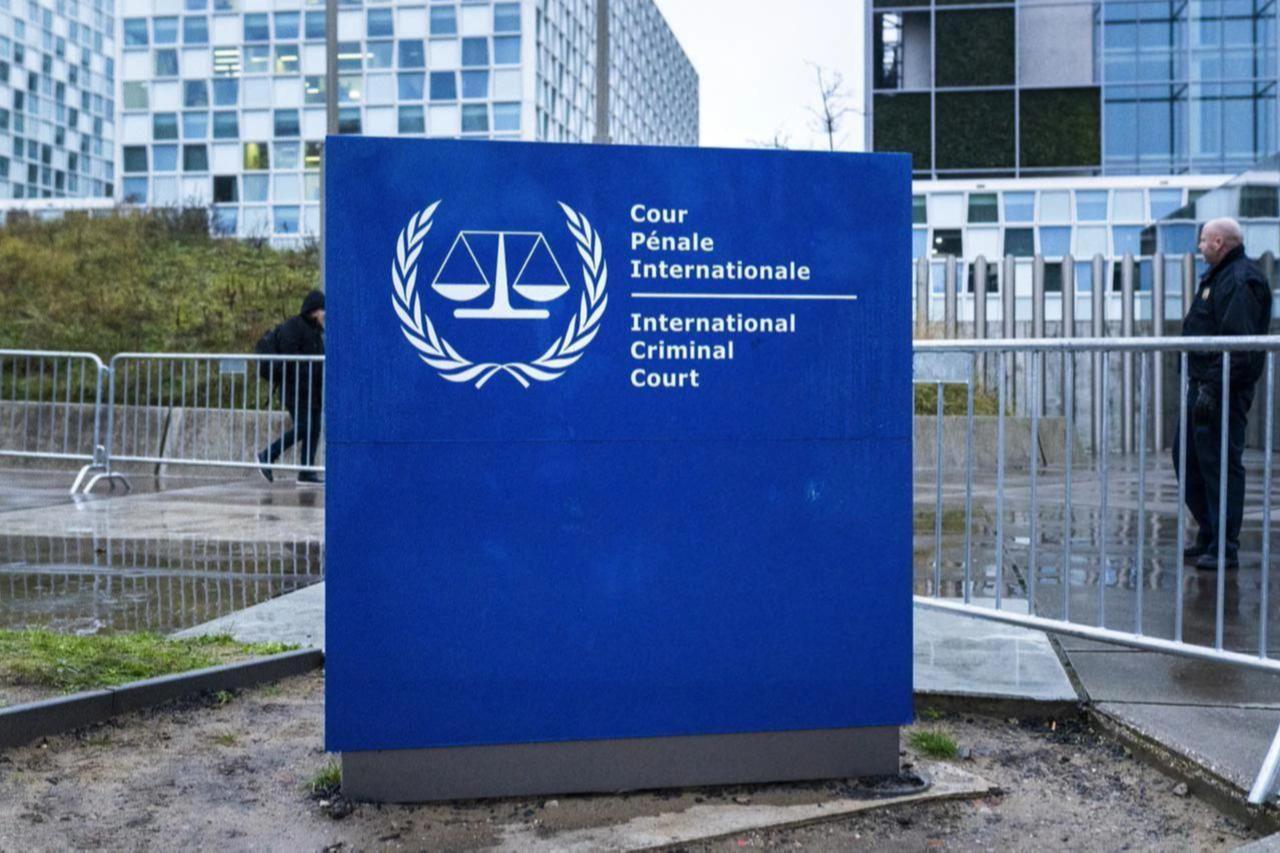


The European Union on Saturday renewed its support for the International Criminal Court and urged the United States to reverse its latest decision to impose sanctions against the court.
“We urge the U.S. also to reverse these latest measures,” EU foreign policy chief Kaja Kallas said in a written statement issued on behalf of the bloc.
The statement also welcomed Washington’s readiness to discuss its concerns with the States Parties to the Rome Statute and took “note of the U.S. decision to delay the entry into force of its latest measures.”
Kallas renewed the EU’s regret over the U.S. announcement, saying attacks or threats against the court, elected officials, personnel and those cooperating with the court were “not acceptable.”
“The EU reaffirms its unwavering commitment to the rules-based international order, of which the ICC is a fundamental part, based on respect for international law,” the statement said.
Kallas stressed the “crucial role” international criminal justice plays “in holding to account those who violate international law by committing the most serious crimes of international concern.”
The statement said the ICC does not target sovereign states but acts only if a state is unwilling or unable to investigate or prosecute those responsible for crimes such as genocide, war crimes or crimes against humanity.
“The ICC must be able to operate independently, free from pressure or external interference. The EU will continue to provide its full support and contribute to ensure the protection of the Court, its staff and those cooperating with it,” Kallas said.
The EU also reiterated its readiness to take all necessary measures to ensure that “the Court continues to operate effectively and fulfills its indispensable mandate.”
The EU’s response followed an announcement by U.S. Secretary of State Marco Rubio of new sanctions against the court.
Rubio threatened to “end the ICC” unless it stopped what he called its “threats.”
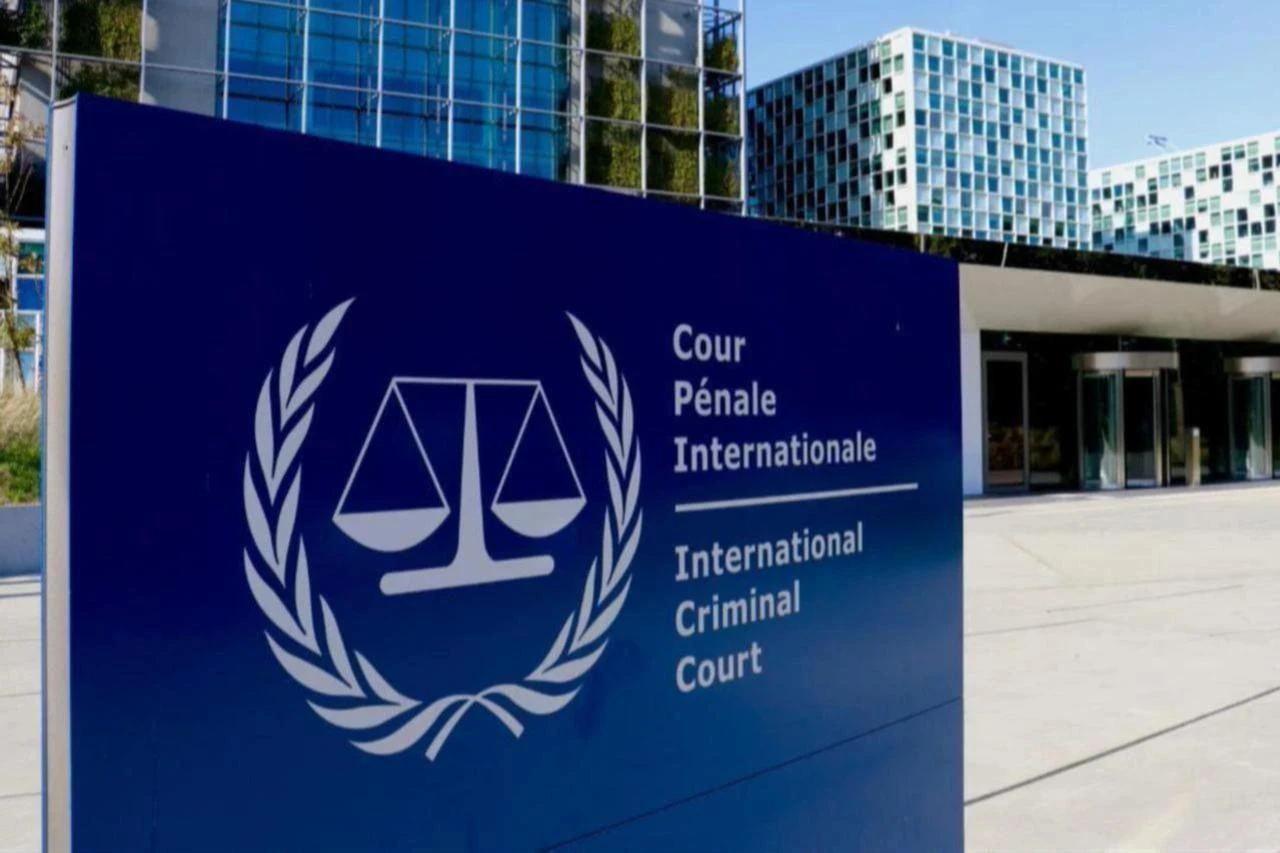
The ICC, based in The Hague, is an independent international tribunal responsible for prosecuting individuals accused of genocide, crimes against humanity, war crimes, and the crime of aggression.


 Set as preferred source
 Set as preferred source


 2 min read
 1 min read