Newsletters


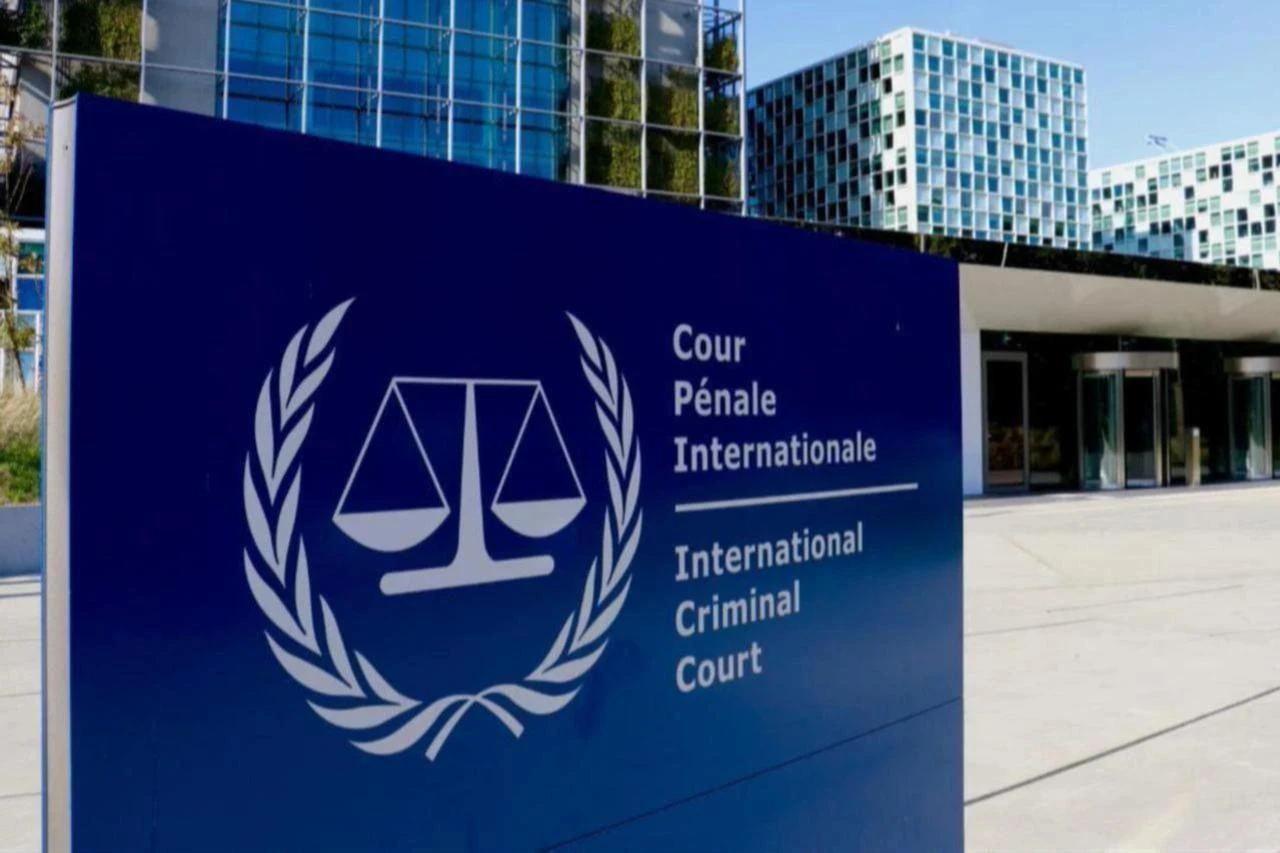


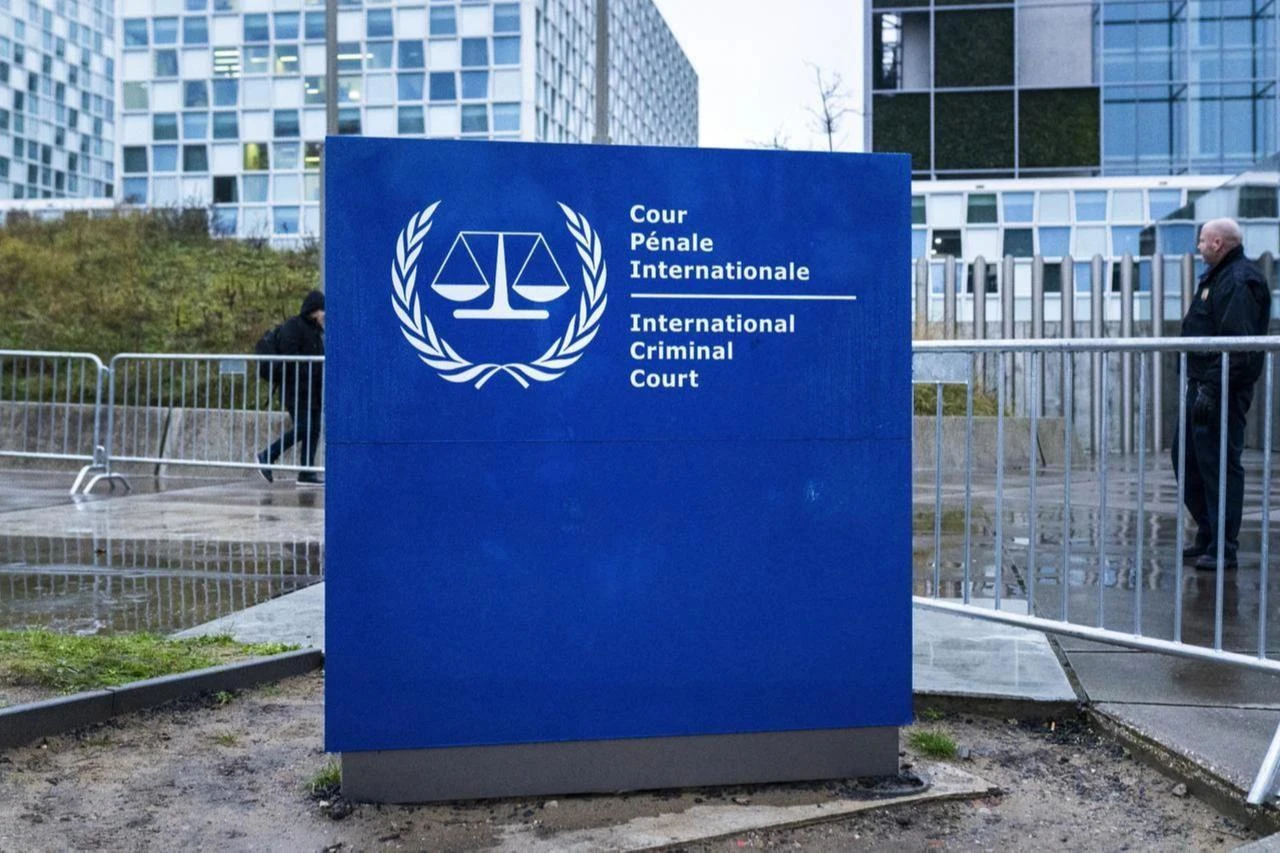
The International Criminal Court on Wednesday strongly rejected the latest round of US sanctions targeting its president and a senior prosecution lawyer, calling the measures a "flagrant attack" on judicial independence, as Japan, the European Union, Spain and Britain rallied behind the court.
The new US designations target ICC President Tomoko Akane of Japan and Abdoulaye Seye of Senegal, a senior trial lawyer in the Office of the Prosecutor, the Hague-based court said in a statement.
With the latest additions, nine of the court's 18 judges, both deputy prosecutors, a former prosecutor and one staff member are now under US sanctions.
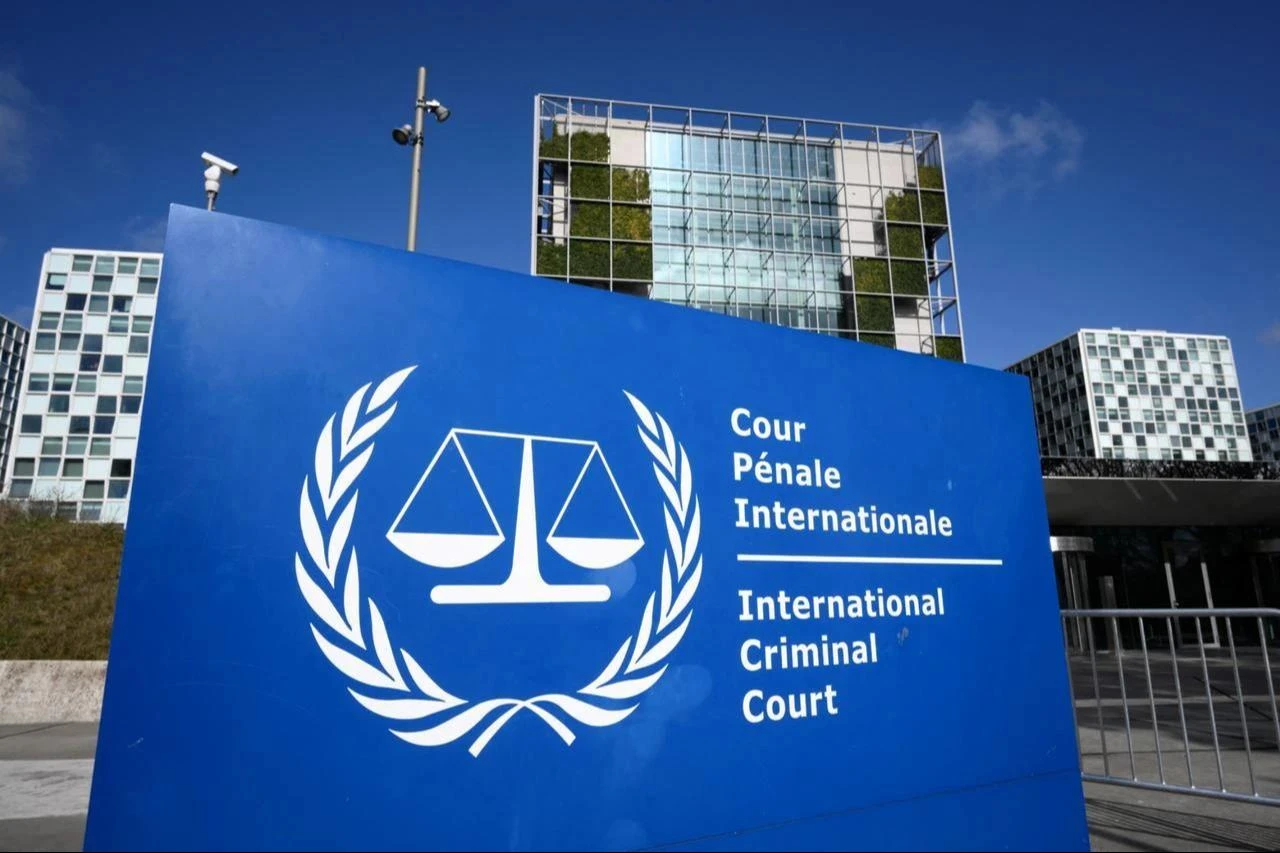

The ICC said the sanctions represent "a flagrant attack against the independence of an impartial judicial institution which operates pursuant to the mandate conferred by its States Parties from across regions."
It warned that targeting judges, prosecutors and other personnel for carrying out the court's mandate undermines the rule of law and puts the broader international legal order at risk.
The court also cautioned that threats and coercive measures harm victims' ability to seek justice, particularly those who turn to the ICC after exhausting all other avenues. "The court will continue to fully discharge its mandate with independence and impartiality, in full accordance with the Rome Statute and in the interest of victims of international crimes," it said, adding that it welcomed expressions of support from member states and civil society organizations.
Akane and Seye were added to the US Treasury Department's Specially Designated Nationals List, according to the department's website. The listing blocks any US assets held by the two officials and bars Americans and US entities from engaging in transactions with them.
Akane, a Japanese national, has served as ICC president since 2024. Seye is a senior member of the prosecution team that sought an arrest warrant for Israeli Prime Minister Benjamin Netanyahu.
The measures are part of a broader sanctions campaign against the ICC that US President Donald Trump imposed in February 2025.
Washington has intensified pressure on the court since it issued arrest warrants in November 2024 for Netanyahu and former Israeli Defense Minister Yoav Gallant over alleged war crimes in Gaza.
Tokyo responded a day after the sanctions were announced, with Japan's Foreign Ministry describing the measures against Akane as "very unfortunate."
Ministry spokesperson Toshihiro Kitamura said Japan "has consistently supported the ICC" in its efforts "to prosecute and punish the most serious crimes of concern to the international community and to uphold the rule of law," calling the sanctions unfortunate from that standpoint.
He said Japan "will remain committed to strengthening the international rule of law while maintaining dialogue and communication with relevant countries."
Japanese Prime Minister Sanae Takaichi echoed that assessment, calling the US move "very unfortunate" and saying her government would handle the matter by continuing communication with relevant nations, including the United States, according to Kyodo News.
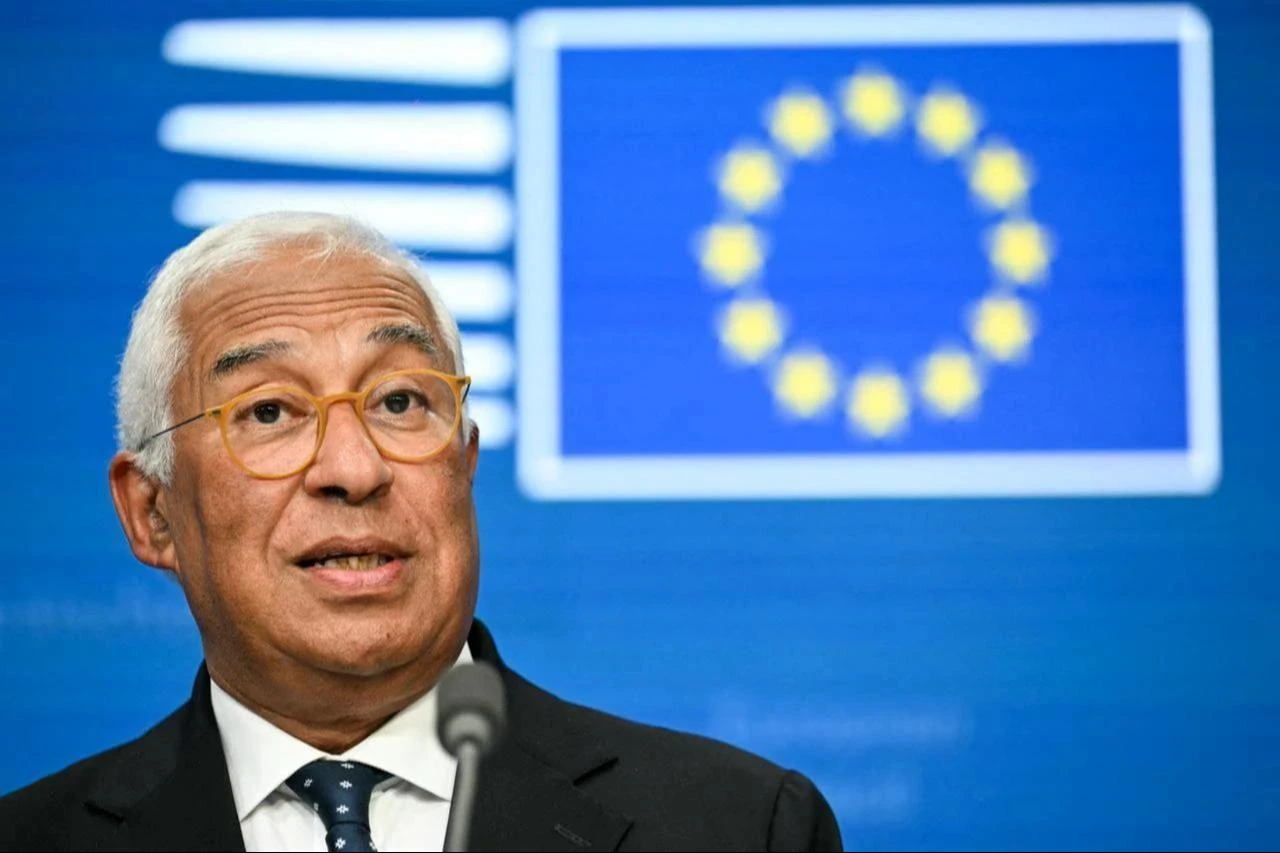
European Council President Antonio Costa and European Commission President Ursula von der Leyen posted statements on the social media platform X saying they stand firmly with the ICC, Akane and court officials.
"The ICC helps deliver justice to the victims of some of the world's most horrific crimes. To carry out this essential work, its judges and officials must be able to act independently and without external pressure," they said.
Spain's Foreign Ministry issued a written statement calling the sanctions "a flagrant attack on the independence, integrity and impartiality of the International Criminal Court, whose mandate derives from the mandate granted by the States Parties to the Rome Statute."
The ministry emphasized the court's "indispensable role" in ensuring accountability for serious crimes and in protecting and providing reparations to victims, adding that Spain "reiterates its firm and unequivocal support" for the court and expressed solidarity with the affected judges, prosecutors and staff.
Spain said it would continue to "fully uphold" its commitments under the Rome Statute and international law.
Britain's Foreign Office, in a statement, stressed UK support for the ICC's independence. A spokesperson said the UK is "determined that those responsible for the most serious international crimes are held to account" and that the court must be permitted to exercise its jurisdiction in line with the Rome Statute, investigating allegations of international crimes within its remit.
The International Criminal Court, established under the 1998 Rome Statute, is the world's first permanent international tribunal empowered to prosecute individuals for genocide, war crimes, crimes against humanity and the crime of aggression.


 Set as preferred source
 Set as preferred source


 1 min read
 1 min read