Newsletters





The European Union has struck a landmark agreement to overhaul air passenger rights, closing more than a decade of legislative deadlock with a package that preserves compensation entitlements for delayed and cancelled flights, mandates free carry-on baggage in base fares and introduces a sweeping set of new protections for travelers.
The EU Council announced that member state representatives and European Parliament negotiators had reached agreement following 13 years of talks, describing the deal as one that "strengthens and clarifies" passenger rights while accounting for airlines' operational realities. The accord updates the bloc's foundational air passenger rights framework, which has been in force since 2004 and which covers denied boarding, long delays and cancellations.
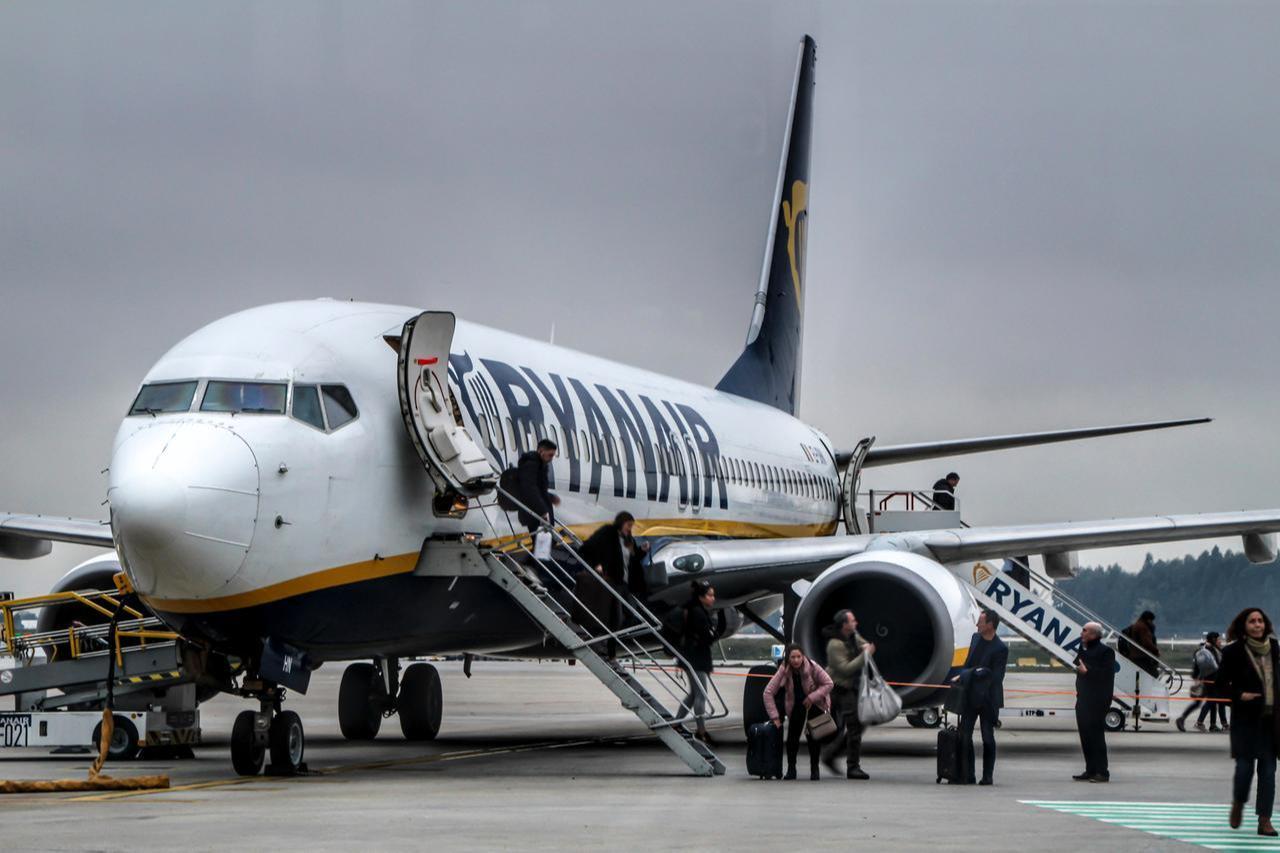

The right to financial compensation for delays and cancellations is maintained under the same basic structure as existing law.
Passengers whose flights arrive more than three hours late, or whose flights are cancelled fewer than 14 days before departure, may claim compensation.
The amounts, tied to flight distance, remain at 250 euros for routes of 1,500 kilometers or less, 400 euros for intra-EU flights and routes between 1,500 and 3,500 kilometers, and up to 600 euros for all other flights.
Airlines will be required to notify passengers electronically within 96 hours of arrival of any delay that could trigger a compensation claim, along with clear information on how to file one.
Once a claim is submitted, carriers must acknowledge receipt immediately and either pay out or provide a written explanation for rejection within 30 days.
The agreement also codifies what airlines owe passengers during delays. After every two hours of waiting, passengers are entitled to drinks.
After three hours they receive a meal, with additional meals every five hours thereafter, as well as internet access and two phone calls. If an overnight stay becomes necessary, airlines must cover hotel accommodation and transport between the airport and the hotel.
Where a carrier fails to provide these services, passengers may make their own arrangements and claim reimbursement.
Passengers who choose the fastest available alternative routing must be offered an alternative itinerary within three hours of a cancellation or unjustified denied boarding.
That rerouting must be provided at no extra cost and under comparable travel conditions, and passengers who originally booked a direct flight cannot be redirected onto a multi-stopover itinerary.
Should an airline fail to provide an alternative within three hours, passengers may arrange their own transport and claim a refund of up to 400 percent of the original ticket price.
The definition of "extraordinary circumstances," which exempts airlines from paying financial compensation in cases outside their control, has been made more precise. The agreement specifies that such circumstances must fall outside the normal course of the airline's operations.
The agreement bans the so-called "no-show" practice, under which airlines deny passengers their return leg if they miss the outbound flight. For families, passengers with reduced mobility and their companions, and unaccompanied minors, the no-show rule is prohibited entirely. Families and passengers with reduced mobility may sit together at no extra charge.
On baggage, the deal requires that the base fare displayed from the start of a booking process include the cost of one carry-on bag, allowing consumers to compare ticket prices across carriers on a like-for-like basis.
 1 min read
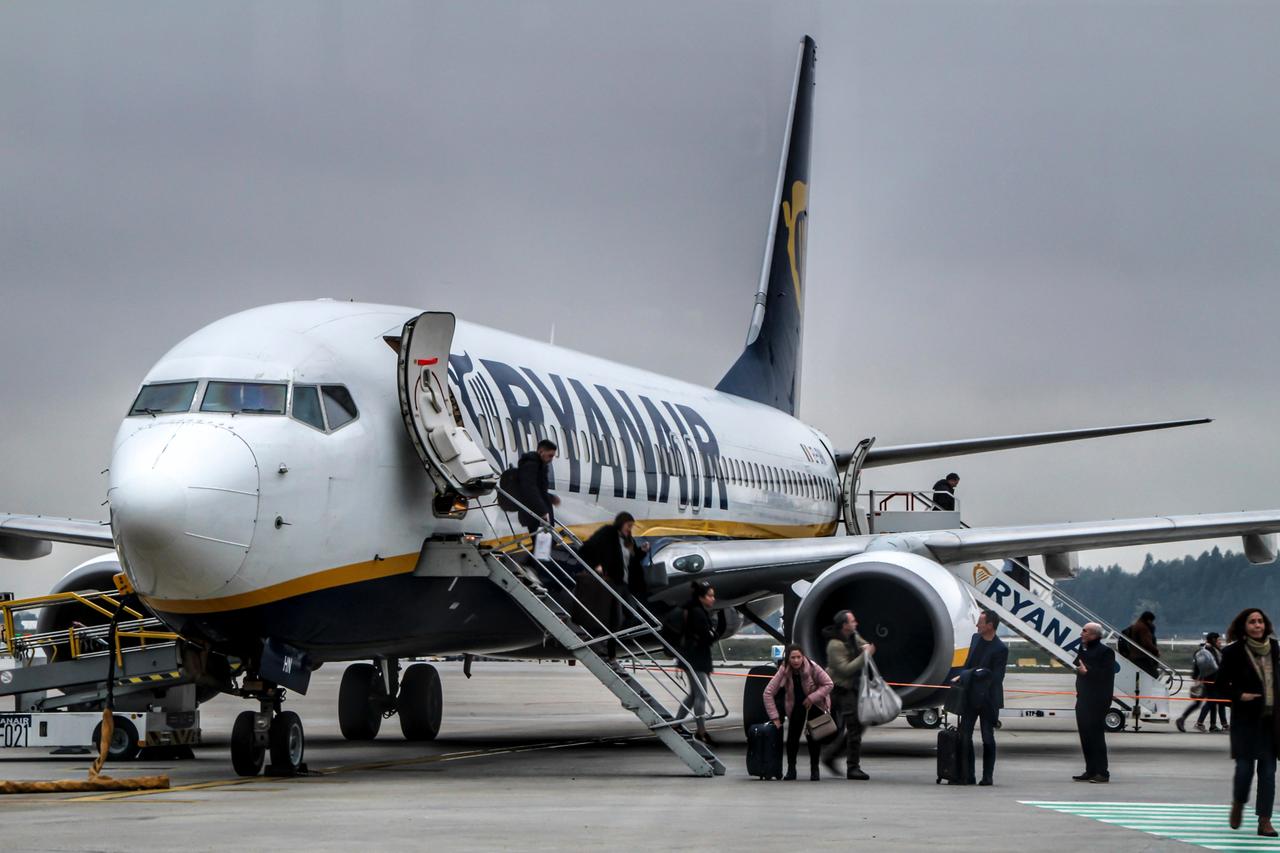
Airlines will also be required to provide at least one free and effective means of contact so passengers can reach them during disruptions.
The rules apply to all flights within the EU, to all flights from outside the EU into the EU operated by EU-based carriers, and to all flights departing the EU to non-EU destinations.
The EU's air passenger rights regime was established in 2004 under Regulation EC 261/2004, setting out minimum protections that became a model for similar frameworks in other jurisdictions.
The European Commission proposed a comprehensive revision in 2013 to address ambiguities and enforcement gaps that had emerged in the years since, but negotiations between member states and the European Parliament stalled repeatedly and dragged on for more than a decade.
The deal must still receive formal approval from both the European Parliament and the EU Council before it enters into force.


 Set as preferred source
 Set as preferred source




 1 min read