Newsletters


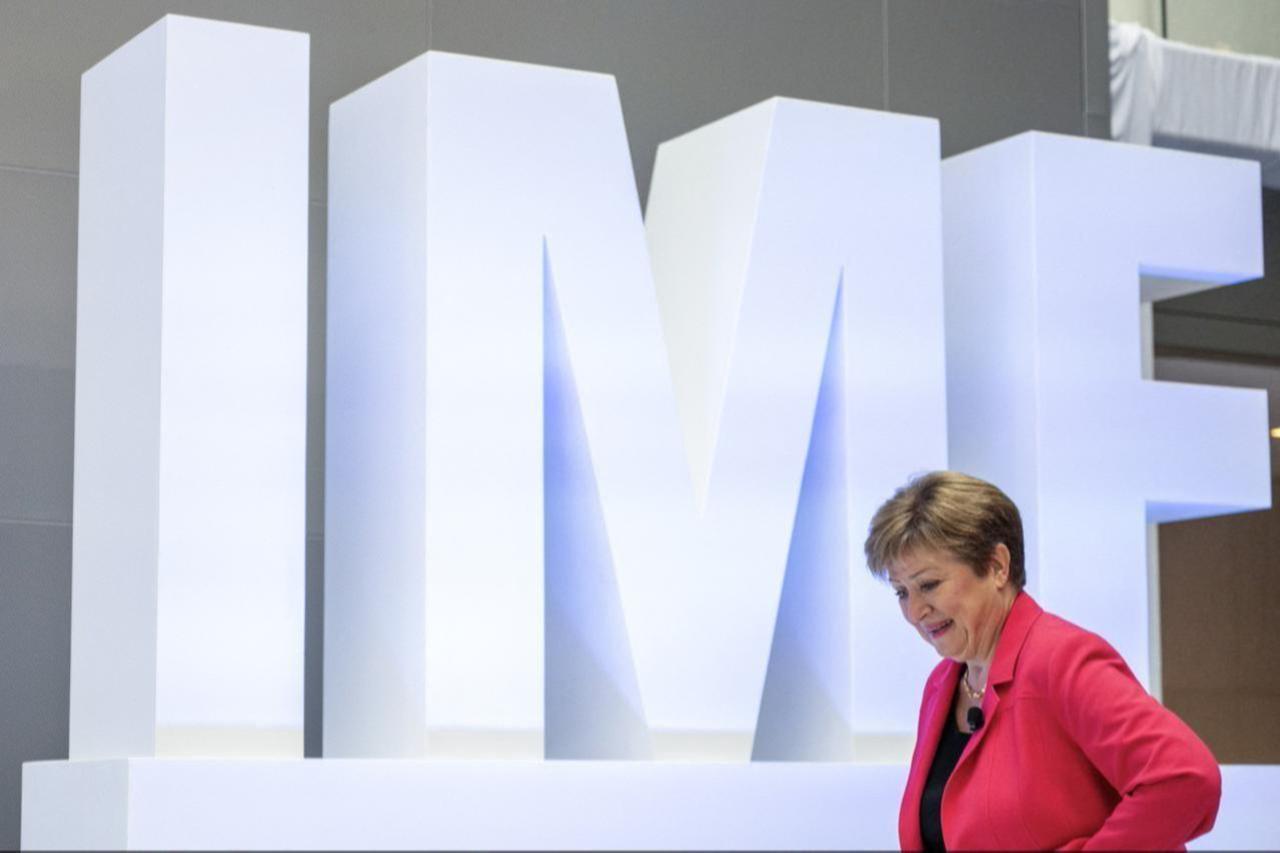


The International Monetary Fund said Monday that the global economy has so far withstood the shock of the conflict in the Middle East, with no evidence yet of a broader slowdown, though the fund's managing director cautioned that risks remain elevated and that policymakers cannot afford to let their guard down.
IMF Managing Director Kristalina Georgieva made the assessment in a blog post titled "The Global Economy Is Holding Up Against the War Shock, For Now," in which she noted that more than three months have passed since the outbreak of fighting in the region.
Commodity prices, inflation expectations, and financial conditions have all been affected, she wrote, but not to a degree that points to a global deceleration.
"The global economy appears to be maintaining its resilience," Georgieva wrote, adding that the world's two largest economies, the United States and China, were still displaying strong momentum.
Despite the broadly resilient headline picture, Georgieva cautioned that the aggregate data masks significant disparities.
Even among advanced economies, some countries and communities have absorbed heavier blows than others. The effects have been most pronounced in Africa, she said.
The fund has previously flagged the asymmetric nature of the war's economic fallout. Gulf oil exporters have faced steep downward revisions to their growth outlooks, with several economies expected to contract outright this year.
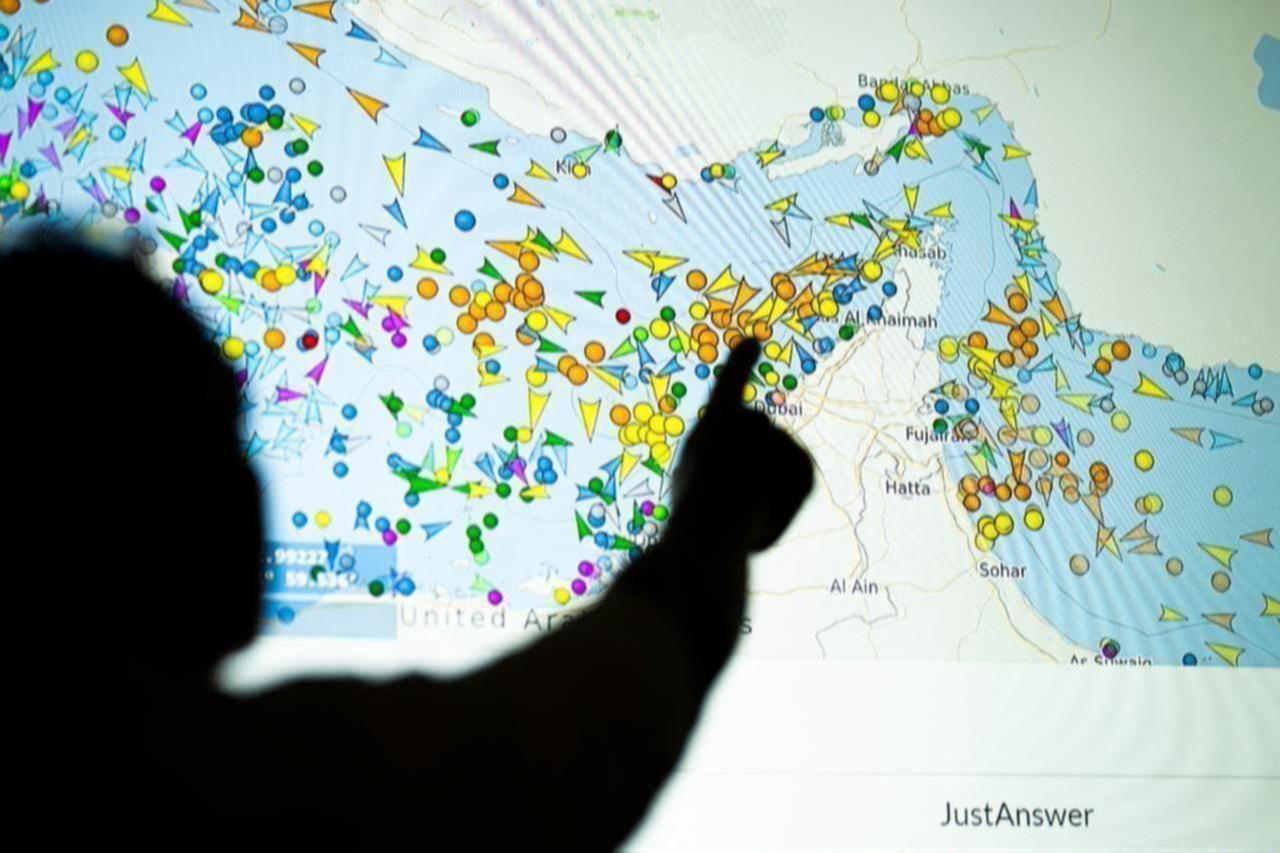

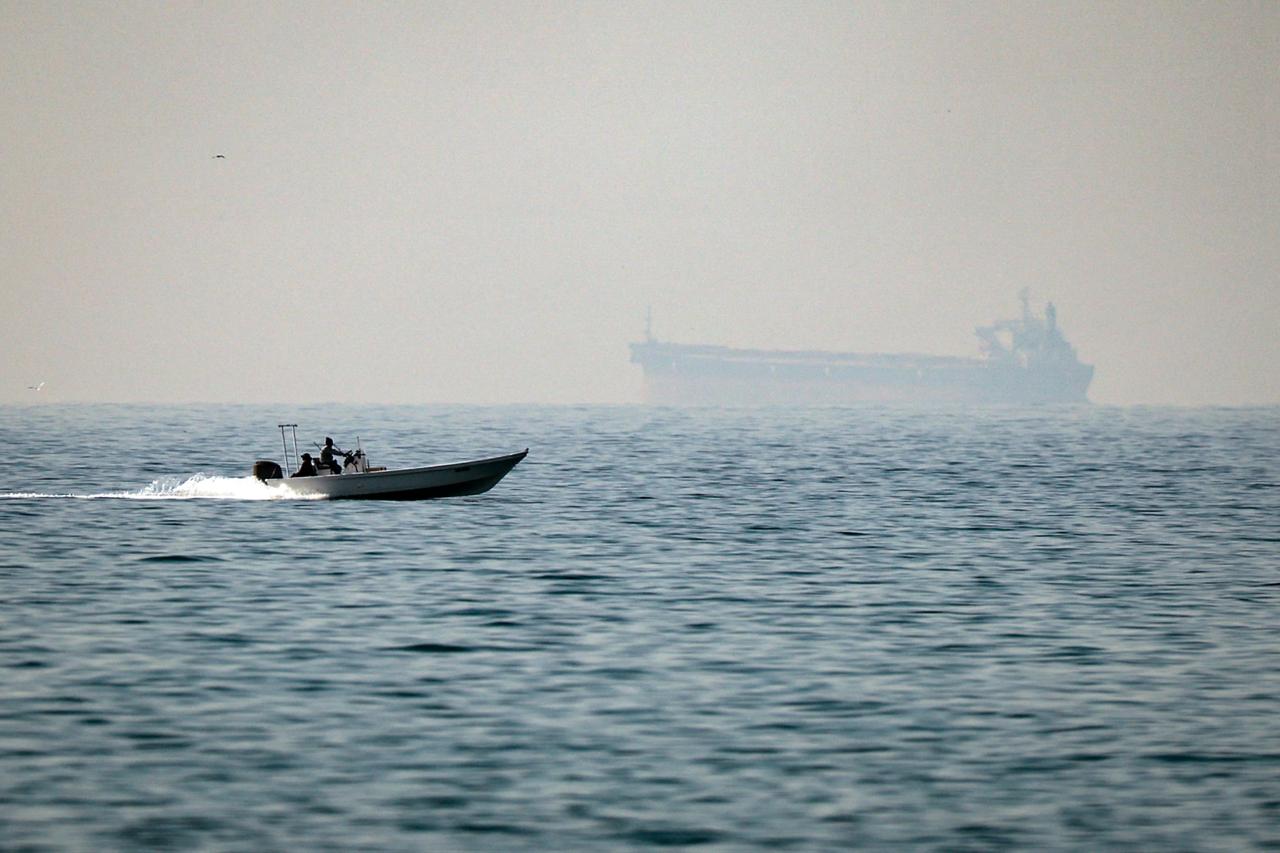
Georgieva pointed to two specific vulnerabilities sustaining the risk environment: the potential for a prolonged closure of the Strait of Hormuz, one of the world's most critical energy chokepoints, and damage to infrastructure across the Middle East caused by the fighting. Together, these factors mean that "uncertainty and risks remain high," she wrote.
She welcomed Sunday's announced ceasefire as an encouraging development, saying the speed of resolution matters greatly given that infrastructure repair will itself take time. The duration and intensity of the energy supply shock, she argued, will be the decisive variable for the global outlook. An intensification of conflict or disruptions, she warned, represents "a clear risk to global growth."
Oil prices have remained roughly 30 percent above pre-war levels despite easing from earlier peaks, keeping energy-importing economies under pressure.
Despite the relatively reassuring near-term picture, Georgieva said the IMF is not standing down. "The IMF remains on high alert," she wrote. At this stage, she said, most member countries are seeking clear policy guidance rather than direct financial support, and the fund is responding with tailored policy advice and capacity-building assistance, while also standing ready to step in with financing where needed.
She called on all policymakers to remain agile and disciplined given the continuing uncertainty, and said the IMF plans to release updated global growth projections on July 8 as part of its World Economic Outlook report.
"The fact that the global economy has been able to absorb the shock so far is reassuring, but it should not lead to complacency," Georgieva concluded.


 Set as preferred source
 Set as preferred source


 2 min read
 1 min read