Newsletters


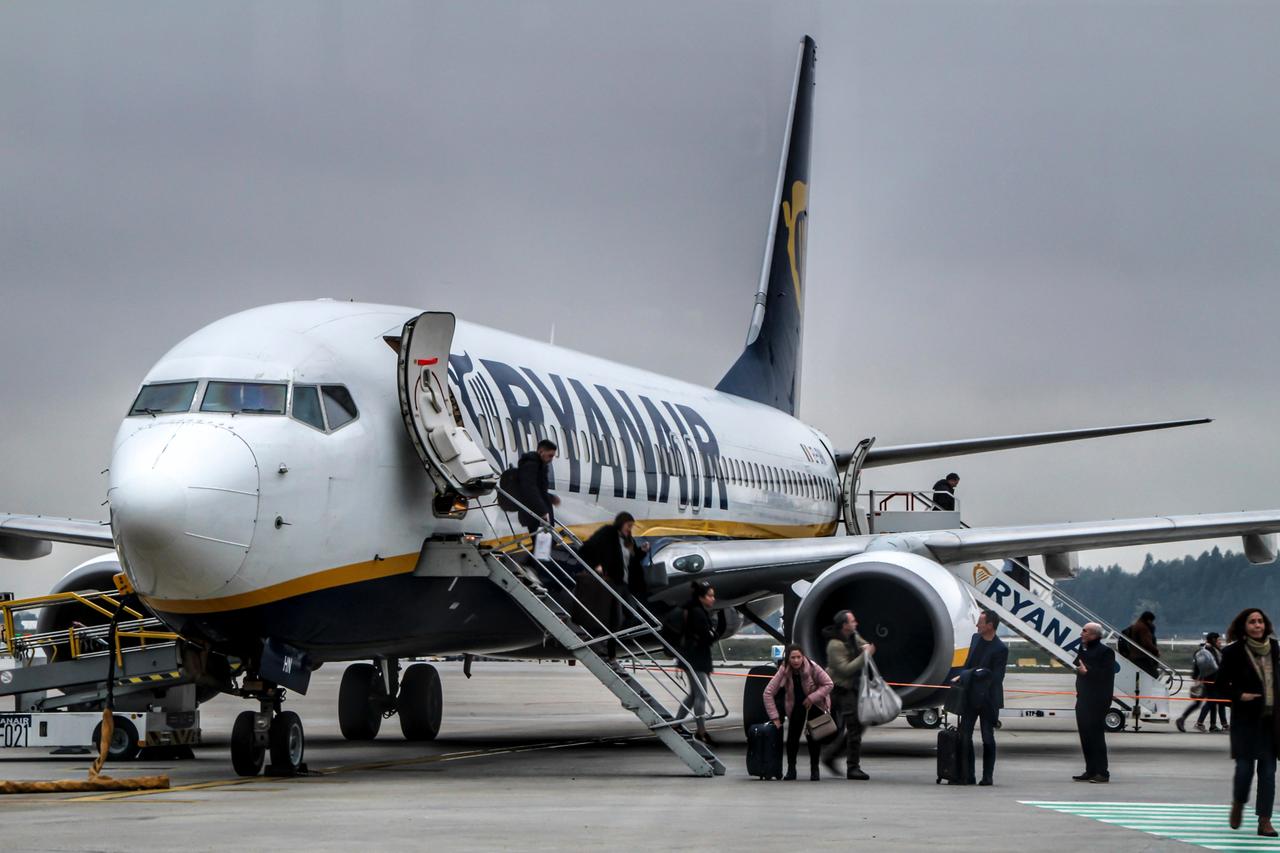


A sharp rise in jet fuel prices driven by geopolitical tensions is pushing parts of Europe’s aviation sector toward a potential breaking point, even as immediate supply fears begin to ease.
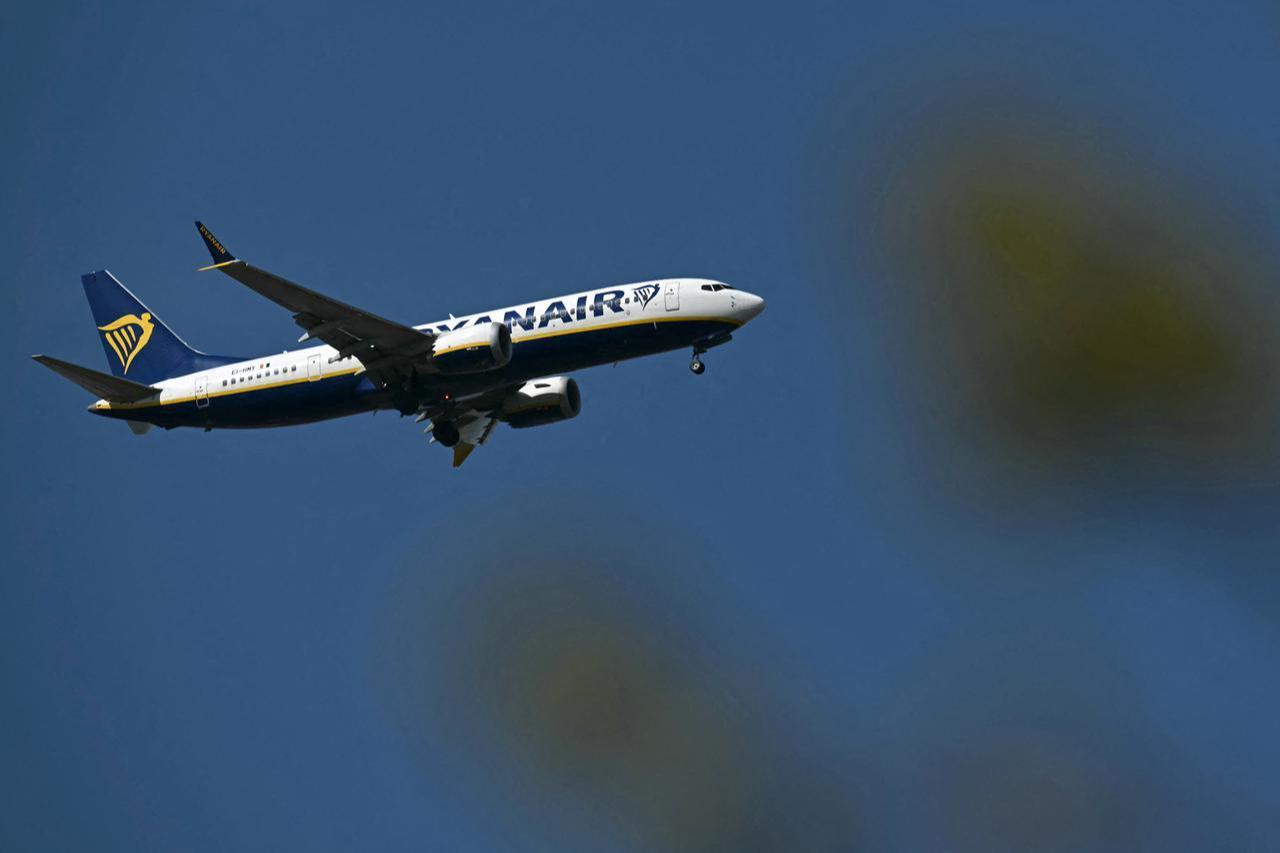
Ryanair CEO Michael O’Leary said some European airlines could go out of business if fuel costs remain at current levels through the peak summer travel season, pointing to a rapid escalation in prices since March.
“Pricing has mushroomed since March. Jet A-1 was about $80 a barrel in March. It’s now $150,” O’Leary said in remarks to CNBC at a conference in Oslo, warning that “a number of our airline competitors in Europe are going to face real financial difficulties.”
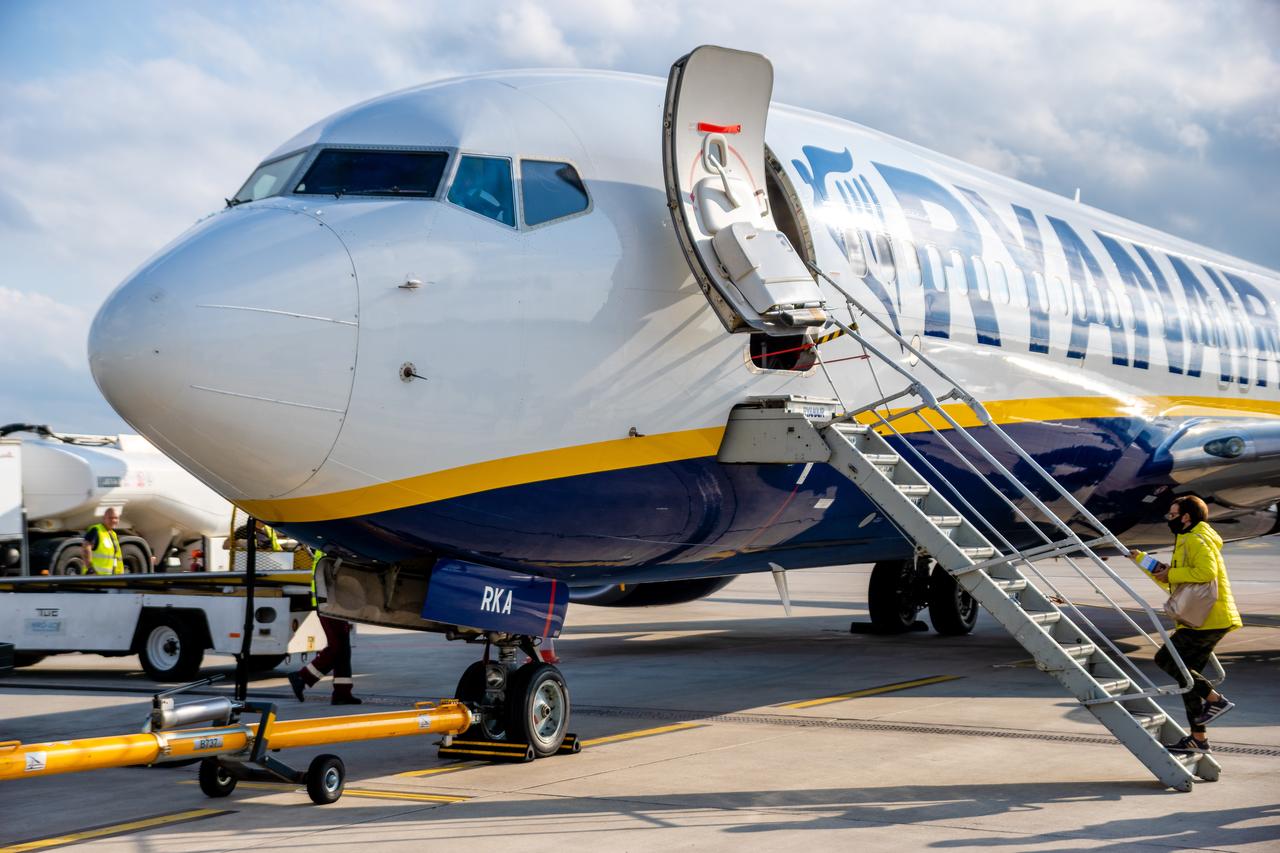

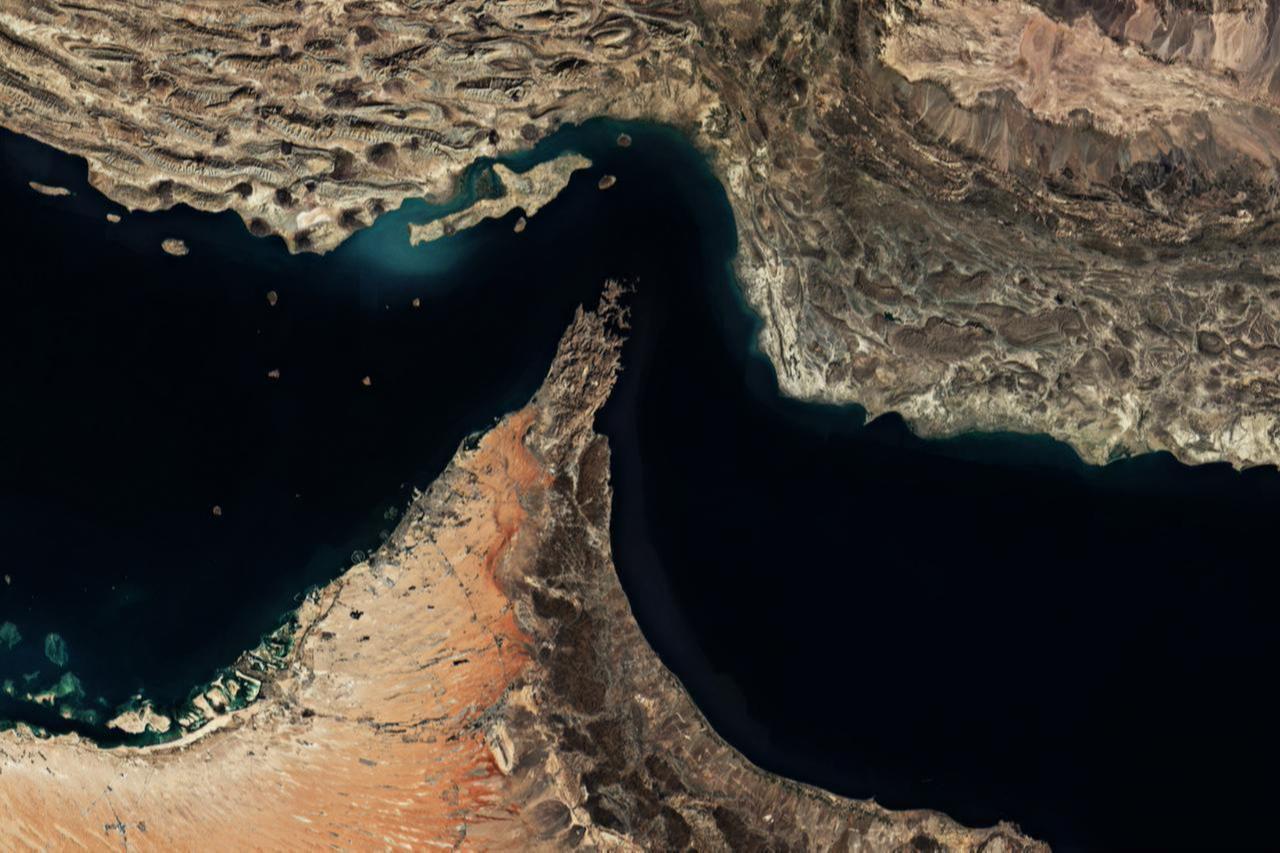
The surge in jet fuel prices follows the closure of the Strait of Hormuz after U.S. and Israeli strikes on Iran earlier this year, a disruption that has removed a critical share of global oil supply from the market.
Around one-fifth of the world’s oil typically passes through the waterway, making its closure a major shock for energy markets and, by extension, the aviation industry.
Airlines across Europe have already begun adjusting operations in response. Lufthansa has announced plans to cut 20,000 short-haul flights through October to reduce fuel consumption, while SAS Scandinavian Airlines has canceled around 1,000 flights in recent days. Air France-KLM has introduced a €100 surcharge on long-haul tickets.
The strain has been building for weeks.
Many carriers, including Ryanair, Transavia, and Volotea, have already reduced schedules and raised fares in response to the same pressures, signaling a broader industry shift rather than isolated adjustments.
O’Leary said prolonged high prices could trigger consolidation across the sector.
“If it continues at $150 a barrel into July, August, September, then you'll see European airlines fail,” he said, adding that such an outcome could ultimately benefit larger, more resilient operators.
Despite the price shock, concerns about an outright fuel shortage in Europe have recently softened.
O’Leary said fuel suppliers now expect no disruption to supply until at least the end of June, following improved confidence across the market in recent weeks.
“We think the risk of a supply disruption is receding,” he told Reuters, noting that suppliers had previously warned of potential issues as early as May.
This shift suggests that the crisis is evolving from a supply threat into a cost crisis, with airlines facing sustained high input prices rather than immediate shortages.
The impact is already visible in pricing strategies. Ryanair, which benefits from a strong fuel hedging position, is preparing to keep fares low to maintain demand and increase competitive pressure on rivals.
O’Leary said demand for last-minute bookings remains strong in the short term but is weakening for the summer months, prompting fare adjustments.
“If I were guessing today, I think we'd be moving towards fares flat on last year at this stage,” he said, indicating that earlier expectations of price increases may not materialize.
European authorities are attempting to manage the fallout, though current measures focus more on coordination than price relief.
The European Commission has introduced its “AccelerateEU” plan, which includes monitoring jet fuel stocks and coordinating supply across airports and airlines to prevent shortages.
However, these steps do little to address the underlying cost pressures, which remain tied to unresolved geopolitical tensions and the continued disruption in the Strait of Hormuz.
O’Leary stressed that a meaningful easing of pressure depends on reopening the route. “It needs to reopen as quickly as possible,” he said.
Until then, Europe’s aviation sector faces a volatile summer in which ticket prices, flight availability and even airline survival could hinge on developments far beyond the industry’s control.


 Set as preferred source
 Set as preferred source


 1 min read