Newsletters


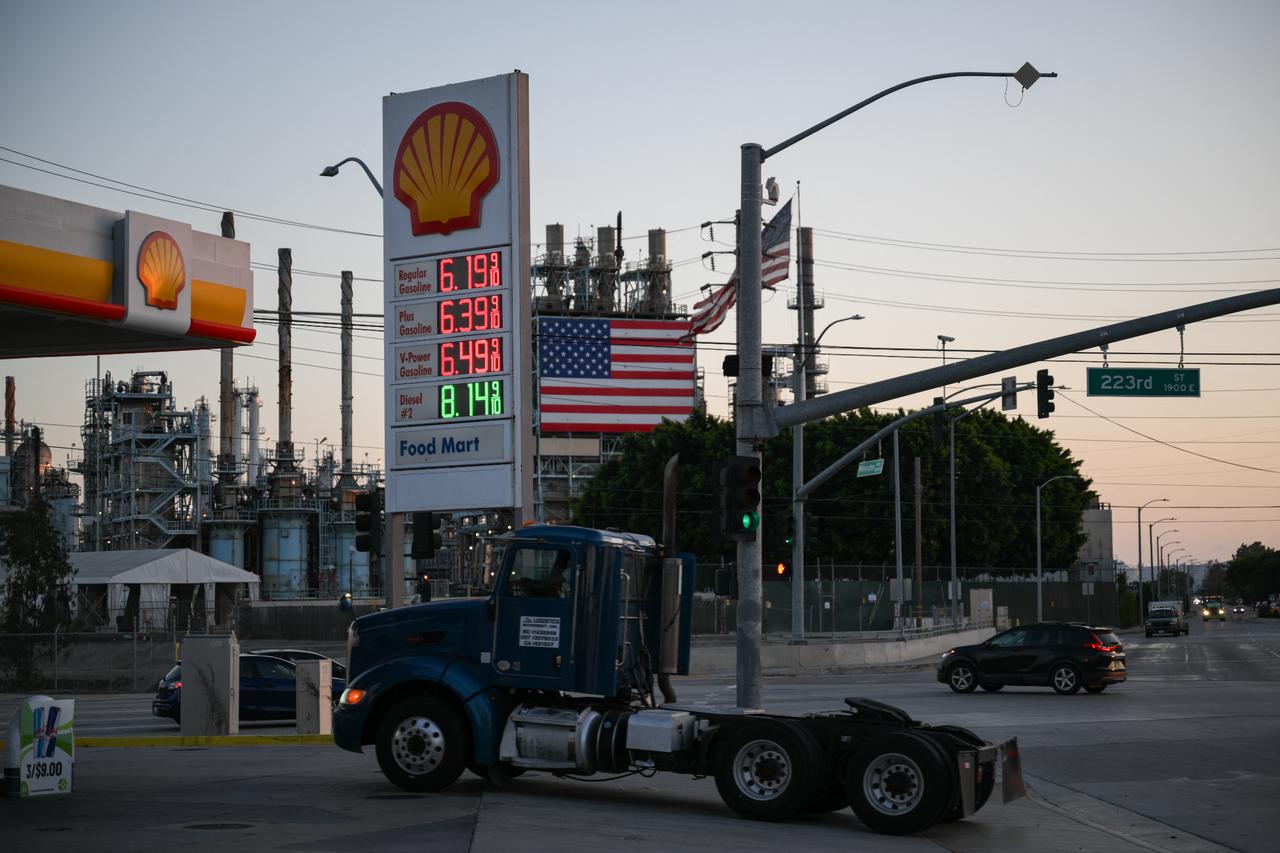


The European Union on Thursday criticized a possible U.S. diesel export ban backed by President Donald Trump, calling it a “bad idea” that could hurt both sides.
Trump expressed support for a ban this week as surging fuel prices from the war in the Middle East threaten to cost his Republican Party control of Congress in November’s midterm elections.
“We believe this is a bad idea,” European Commission spokesman Olof Gill told a news conference, adding that Brussels viewed the possible U.S. plans “with concern.”
“We believe it potentially can have a negative impact on both sides. We’re making that point to our U.S. counterparts at the highest level,” Gill said.
Like the United States, Europe has faced high fuel prices since the start of the U.S.-Iran war in late February, but the bloc is far more dependent on imports.
The average diesel price at pumps across the 27-nation bloc has reached a record high of €2.23 per liter, according to an AFP analysis of member state data published by the commission Thursday.
The U.S. accounted for about 50% of diesel imports into the EU in August, according to the commission.
“We expect close partners to consult each other before taking measures that affect shared markets,” Gill said.
Asked whether the proposal could affect broader EU-U.S. energy arrangements, Gill stressed that the plans remained unconfirmed.
“Nothing is decided yet,” he said, adding that the EU was telling U.S. counterparts at the highest level that it considered a ban a bad idea.

Another commission spokeswoman, Anna-Kaisa Itkonen, said the EU was closely monitoring fuel markets and supplies with member states but that “for the time being, there is no concrete shortage of diesel in the European Union.”
The EU’s Oil Coordination Group is due to meet next Tuesday to review the situation across member states.
Politico reported Wednesday, citing sources familiar with the plan, that the Trump administration was preparing a 90-day ban on diesel exports to bring down U.S. fuel prices ahead of the Nov. 3 midterm elections.
The White House dismissed the report, while fuel producers warned that a ban could ultimately push prices higher.
Sources familiar with the plan told Politico that the White House was seeking to reduce high fuel prices that are weighing on Republicans ahead of the midterms.
U.S. fuel producers oppose the ban and have warned federal officials that “any short-term benefit would be outweighed by higher fuel prices in the future.”
If enacted, the ban would be the first restriction on U.S. energy exports since the Obama administration lifted a decades-old ban on oil exports in 2015, according to the report.
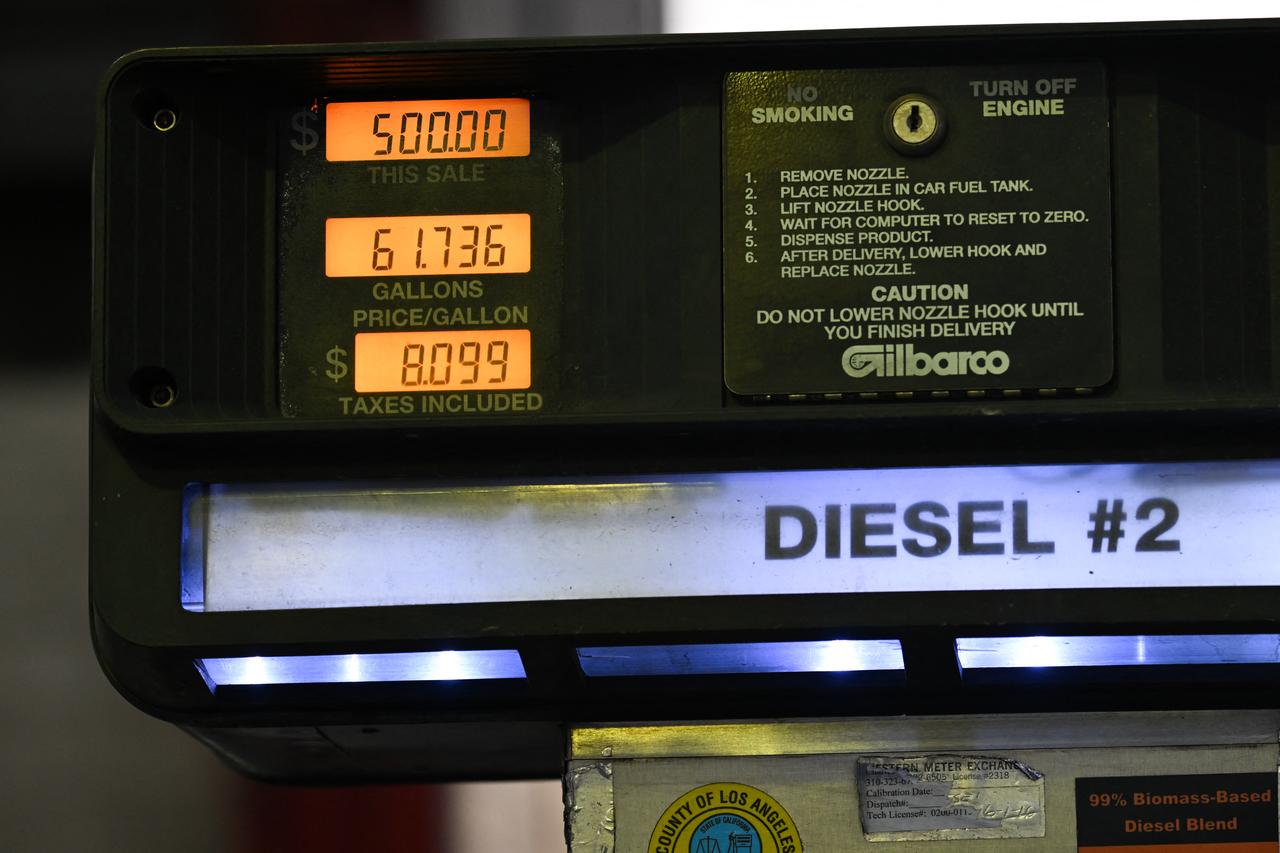
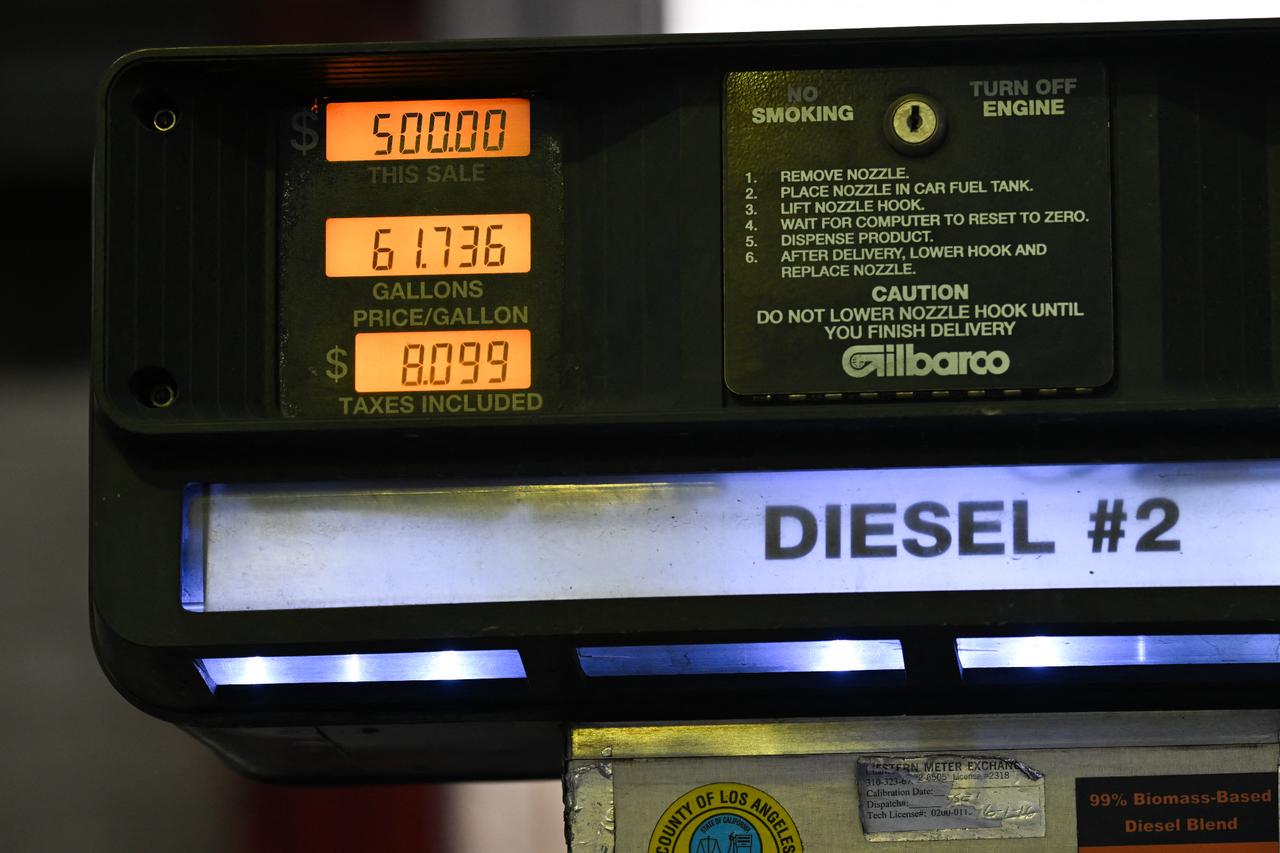
Diesel prices are currently at record highs of about $6.52 per gallon, compared with $2.83 per gallon last year, according to the American Automobile Association.
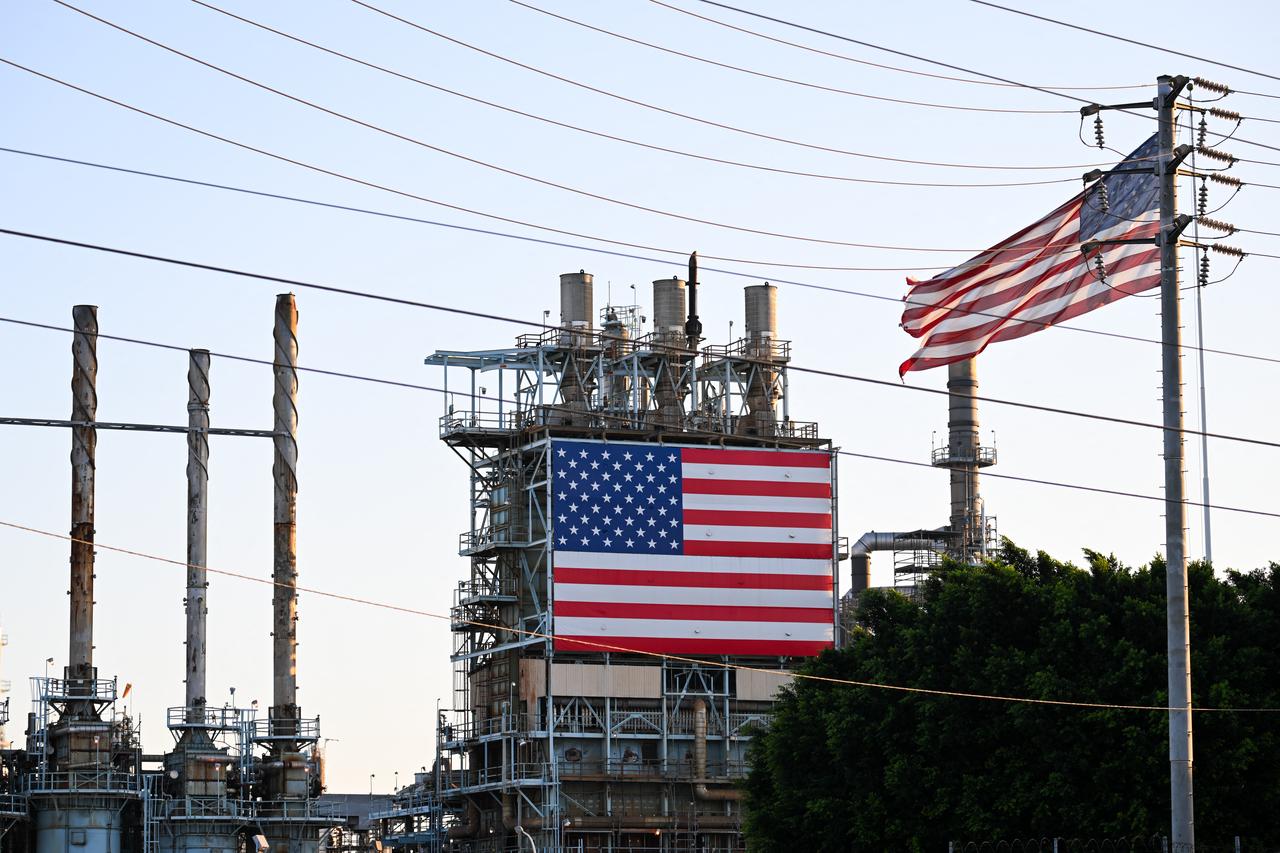
The report said the steep increase was due to the Trump administration’s war against Iran, as well as Ukrainian attacks on Russian refineries.
An industry executive told Politico that Trump was inclined to announce a ban by the end of the week and said the president considered any blowback “a December problem.”
“What has overpowered cooler heads in the White House is the absolutely, sky-is-falling, we-have-to-do-something concern about prices at the pump” faction, the oil executive said.
“That camp has been swept aside by the political camp, which says, ‘dammit, something has to happen,’” the executive added.
The White House and the Department of Energy did not acknowledge the report.
“This is another fake news story from Politico,” a White House official said.
 1 min read
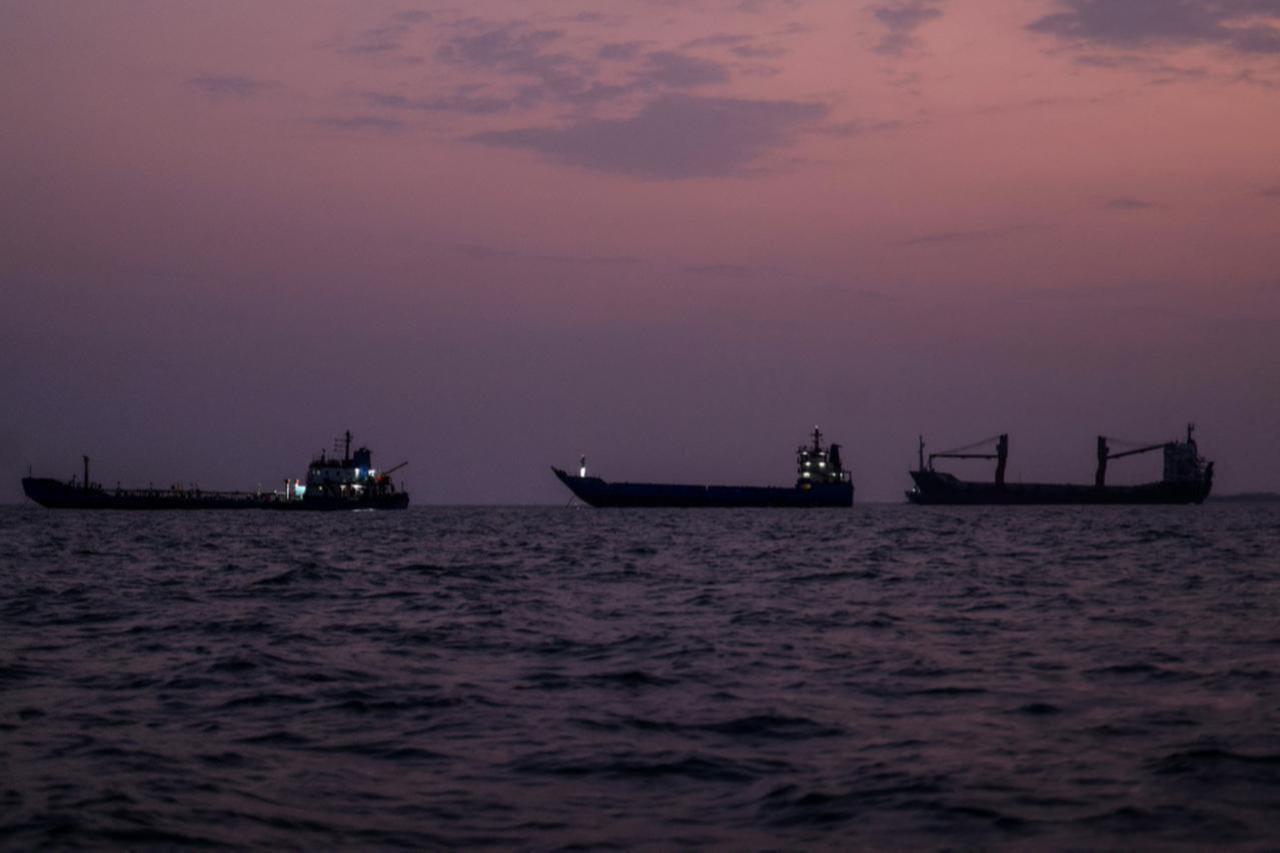
Industry experts said a diesel ban would have a domino effect on the rest of the world, noting that countries have grown more dependent on U.S. diesel.
“A ban on diesel exports by the U.S. would exacerbate the existing severe strains in the global diesel market and drive prices outside of the U.S. even higher in the short term,” David Oxley, chief climate and commodities economist at Capital Economics, told Politico.
“Nonetheless, given that a surplus of diesel in the U.S. could paradoxically force American refiners to cut supplies of oil products, potentially within a few weeks, a ban would ultimately be self-defeating,” Oxley added.


 Set as preferred source
 Set as preferred source



 1 min read